Can Pigeons Eat Mealworms | Safe Feeding Guide
Many pigeon owners ask the same question when they start learning more about pigeon nutrition. Can pigeons eat mealworms?
If you keep pigeons as I do, you probably spend a lot of time thinking about what foods are safe and healthy for them. Pigeons mostly eat grains and seeds, but sometimes people see other birds eating insects and wonder if pigeons can eat them too.
Mealworms are a very common food for birds. People often feed them to chickens, wild birds, and even reptiles. Because of this, many pigeon keepers become curious and ask whether mealworms can be part of a pigeon’s diet.
From my experience raising pigeons for years, food choices can make a big difference in their health. The right diet helps pigeons stay active, grow strong feathers, and raise healthy babies. The wrong food can cause digestive problems or poor nutrition.
This is why questions like “Can pigeons eat mealworms are important for anyone who keeps pigeons at home or in a loft.
Most pigeon owners already know the basics of what pigeons eat, such as corn, wheat, peas, and millet. These grains form the main diet for pigeons. But sometimes people want to add extra protein to help birds during breeding season, molting, or cold weather.
Mealworms often come up during those times because they are known to be rich in protein. That sounds useful, but pigeons are not the same as insect-eating birds like robins or bluebirds. Their bodies are built mainly for grains and seeds.
So it is important to understand whether mealworms are safe for pigeons and how they should be used, if at all.
Many beginners also worry about making mistakes when feeding their birds. I remember when I first started raising pigeons, I tried different foods to see what my birds liked. Some things worked well, and some did not. Over time, you learn what pigeons truly benefit from.
Good feeding habits are just as important as learning about pigeon breeding, understanding pigeon behavior, and preventing common pigeon diseases.
A healthy diet supports every part of pigeon care. It affects growth, breeding success, feather quality, and overall energy.
Can Pigeons Eat Mealworms
Yes, pigeons can eat mealworms. They are not toxic to pigeons, and most birds will try them if they are offered. However, this does not mean mealworms should become a regular part of a pigeon’s diet.
From my experience raising pigeons, their bodies are designed mainly for grains and seeds. When you watch pigeons eating in a loft or outside in the city, you will notice they naturally look for things like corn, wheat, peas, barley, and millet. These foods provide the nutrition pigeons need every day.
Mealworms are very high in protein. That can be helpful in small amounts, but pigeons do not naturally hunt insects the way many wild birds do. Because of that, mealworms should only be given as an occasional supplement rather than a main food.
Why Some Pigeon Keepers Use Mealworms
Some pigeon keepers give mealworms during certain times of the year. This usually happens when pigeons need a little extra protein.
There are a few situations where this can be helpful.
Breeding season
When pigeons are raising babies, their bodies work harder. Parents produce crop milk to feed their young. During this time, a small boost of protein can help them stay strong.
This is also why many breeders study a proper pigeon breeding guide to understand how diet supports healthy chicks.
Molting period
Molting is the time when pigeons replace old feathers with new ones. Feather growth requires protein. Some keepers add small amounts of high-protein foods to support this process.
Winter weather
In colder parts of the United States, pigeons sometimes need more energy to stay warm. A small amount of extra protein can help birds maintain strength during winter.
Even in these situations, mealworms should only be given in very small quantities.
Do Pigeons Naturally Eat Insects
Most pigeons do not actively hunt insects. They are classified as seed and grain eaters. Their beaks and digestive systems are built for picking up small seeds and grains from the ground.
That said, pigeons in the wild sometimes eat tiny insects by accident while foraging. It is not a major part of their diet.
Because of this, mealworms should be treated as an occasional treat rather than a normal food source.
If you look at a balanced pigeon diet, the main foods should always come from grain mixes. Anyone learning about what pigeons eat will notice that seeds and grains make up the majority of their nutrition.
Fresh Mealworms vs Dried Mealworms
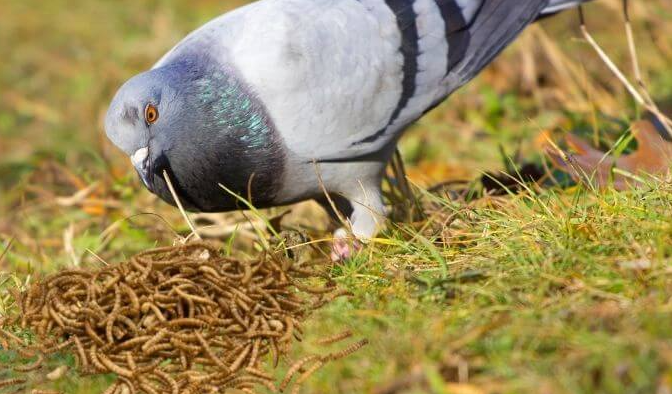
Both types can be used, but most pigeon keepers prefer dried mealworms. They are easier to store and safer to handle.
Fresh mealworms move around, and some pigeons may not recognize them as food right away. Dried mealworms are easier for pigeons to pick up and swallow.
When I tried offering dried mealworms to my pigeons, some birds ignored them at first. Others became curious and eventually ate a few. Pigeons often take time to accept new foods.
How Many Mealworms Are Safe
The most important rule is moderation.
If you want to offer mealworms, give only a small amount. A few mealworms per pigeon once in a while is more than enough.
Too many mealworms can cause problems because pigeons may eat less of their regular grain mix. That can lead to an unbalanced diet.
Healthy pigeon feeding should always focus on grains first. Supplements like mealworms should remain a very small part of the diet.
A strong diet helps prevent many health issues that pigeon keepers worry about when dealing with common pigeon diseases.
Practical Tips and Common Mistakes When Feeding Mealworms to Pigeons
If you decide to try mealworms with your pigeons, the most important thing is to keep it simple and controlled. Over the years, I have seen many beginners try new foods with good intentions but end up eating them the wrong way.
Pigeons do best with a consistent and balanced diet. Mealworms can be used occasionally, but they should never replace the basic grain mix that pigeons depend on.
Here are some practical tips that I follow when feeding anything outside the normal pigeon diet.
Start With a Very Small Amount
When introducing mealworms, offer only a few at first. Pigeons can be cautious about new foods. Some birds may ignore them completely the first time.
Place a small number of mealworms in a separate dish or mix a few with their regular grain. Watch how your pigeons react.
If they eat them and show no problems, you can occasionally offer a few again later. The key is to keep the amount small.
Always Prioritize the Regular Grain Mix
The main diet of pigeons should always come from grains and seeds. Foods like corn, wheat, peas, and millet provide balanced nutrition.
Many new pigeon keepers get curious about extra foods and forget that pigeons thrive best on their traditional diet. Anyone learning about what pigeons eat will quickly see that grains are the foundation of pigeon nutrition.
Mealworms should only be a small supplement.
Use Mealworms During Specific Times
From my experience raising pigeons, the best times to offer small protein treats are during molting or breeding season.
Durinmoultingng, pigeons grow new feathers, and their bodies need extra nutrients. During breeding, parents work hard feeding their babies.
These are the times when a small protein boost may be helpful.
This is also why many breeders carefully plan diets when following a pigeon breeding guide.
Make Sure Clean Water Is Always Available
Whenever you feed anything new, always make sure fresh water is available.
Protein-rich foods can make birds drink more water. Clean drinking water supports digestion and keeps pigeons healthy.
This is a basic rule in pigeon care that many beginners overlook.
Watch Your Birds After Feeding
Good pigeon keepers always observe their birds.
After offering mealworms, pay attention to your pigeons for a while. Healthy pigeons should remain active, alert, and comfortable.
If a bird shows unusual behavior or digestive problems, stop feeding the new food.
Understanding pigeon behavior helps you notice small changes in your birds before problems grow bigger.
Common Mistakes Pigeon Owners Make
Many problems come from simple mistakes. These are some common ones I have seen over the years.
Feeding Too Many Mealworms
This is the most common mistake. Because mealworms are high in protein and fat, too many can upset the balance of a pigeon’s diet.
Pigeons may start ignoring their grain mix if they prefer the mealworms.
Replacing the Main Diet
Mealworms should never replace the regular seed mix. Pigeons require a variety of grains to stay healthy.
Replacing their main diet with protein treats can lead to poor nutrition.
Feeding Low Quality Mealworms
Always use clean, high-quality mealworms from trusted sources. Poor-quality feed can introduce bacteria or spoilage.
Good food quality plays a role in preventing common pigeon diseases.
Trying Too Many New Foods at Once
Some beginners experiment with many different foods at the same time. This makes it hard to know what works and what causes problems.
Introduce one new food at a time and observe how your pigeons respond.
Small, careful changes always work better than sudden diet changes.
FAQ About Mealworms and Pigeon Diet
Can pigeons safely eat dried mealworms?
Yes, pigeons can safely eat dried mealworms in small amounts. They are not harmful if given occasionally. Most pigeon keepers who try mealworms use the dried type because they are easy to store and simple to feed.
However, dried mealworms should never replace a pigeon’s normal grain mix. Pigeons stay healthiest when most of their food comes from grains such as corn, wheat, peas, and millet. Anyone learning about what pigeons eat will notice that grains form the foundation of a healthy pigeon diet.
Mealworms are best treated as an occasional treat rather than a daily food.
Do pigeons actually like mealworms?
Some pigeons will eat them, and others will ignore them. From my own experience raising pigeons, birds often react differently to new foods.
When I first offered mealworms to my pigeons, a few birds became curious and picked them up quickly. Others watched for a while before trying them. Some pigeons never showed much interest at all.
This is normal behavior. Pigeons tend to prefer foods they recognize, especially grains and seeds.
Watching pigeon behavior around new foods can tell you a lot about their preferences.
Can baby pigeons eat mealworms?
It is best not to feed mealworms directly to baby pigeons. Young pigeons rely on their parents for crop milk during the early stages of life. Later, they begin eating softened grains provided by their parents.
Adult pigeons process food and feed it to their chicks naturally. Because of this, it is better to feed the parents a balanced grain diet instead of trying to feed insects to the babies.
Anyone following a proper pigeon breeding guide will focus on keeping the parent birds healthy with good nutrition.
Are mealworms good for pigeon health?
Mealworms contain protein, which can help in small amounts during certain times, like molting or breeding, but they are not necessary for pigeon health.
Pigeons can get all the nutrients they need from a well-balanced grain mix combined with clean water, minerals, and grit.
In fact, too many mealworms can cause problems if they replace the normal diet.
A good feeding routine helps pigeons stay strong and reduces the chances of many pigeon diseases that come from poor nutrition.
How often should pigeons eat mealworms?
Mealworms should only be given occasionally—a few mealworms once in a while is enough.
Many pigeon keepers offer them during molt or breeding season when birds may benefit from a little extra protein. Outside of those times, most pigeons do perfectly well without them.
The key is always balance. A healthy pigeon diet depends on grains first, with any extra foods given in moderation.
Conclusion
So, can pigeons eat mealworms? Yes, they can. Mealworms are not harmful to pigeons when given in small amounts. Some pigeons will even enjoy them as an occasional treat.
However, mealworms should never become a regular part of a pigeon’s diet. From my experience raising pigeons, grains and seeds always remain the most important food for keeping birds healthy and active.
A good pigeon diet usually includes foods like corn, wheat, peas, and millet. These grains provide balanced nutrition that pigeons need every day. Anyone learning about what pigeons eat will quickly notice that grains are the foundation of pigeon feeding.
Mealworms can be used occasionally when pigeons need a little extra protein. This may happen during the molt-breeding season when birds are under more physical demand. Even then, only a few mealworms at a time are enough.
One thing I always tell new pigeon owners is to keep feeding simply. Pigeons thrive when their diet stays consistent and natural. Too many extra foods can sometimes do more harm than good.
Good feeding habits also support other parts of pigeon care. A proper diet helps birds raise strong babies when following a pigeon breeding guide. It helps maintain healthy feathers and energy levels. It can also reduce the risk of certain pigeon diseases that appear when birds do not receive proper nutrition.
Another important habit is simply watching your birds. Healthy pigeons should be active, alert, and interested in their surroundings. Learning about pigeon behavior helps you notice quickly if something feels wrong.
At the end of the day, raising pigeons is about balance and observation. Provide clean water, a good grain mix, proper shelter, and consistent care. Small treats like mealworms can be offered occasionally, but they should never replace the foods pigeons naturally depend on.
When you take care of these basics, pigeons reward you with strong health, beautiful feathers, and the simple enjoyment that comes from keeping these amazing birds.
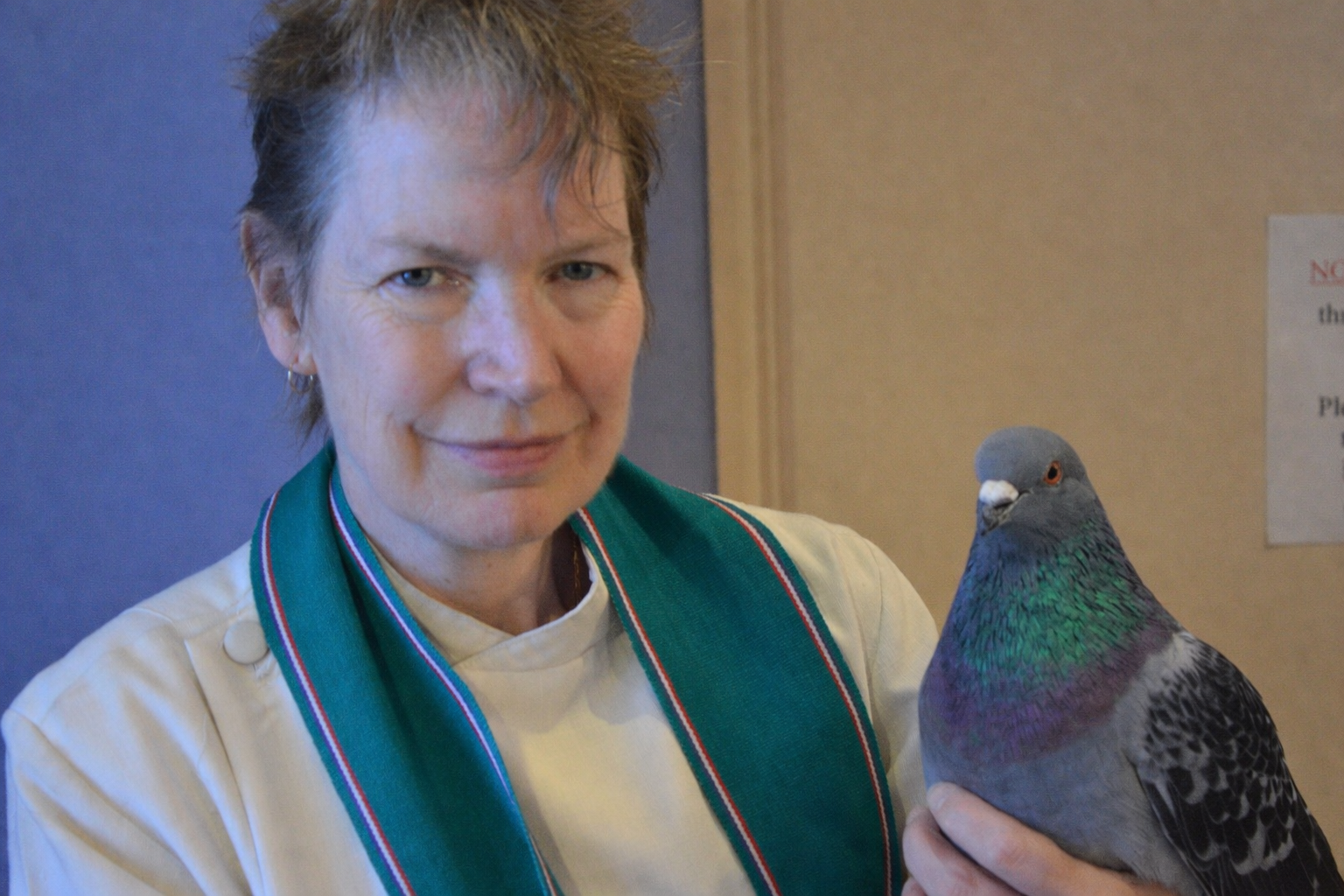
Barbara Allen is a writer and chaplain at Lort Smith Animal Hospital in Melbourne, Australia. She is the author of the book Pigeon, which explores the cultural and historical relationship between humans and pigeons. Allen has also written the picture book I Was There and contributed to publications such as Peace of Mind and Uniting Church Studies.