What Do Baby Pigeons Eat | Diet & Feeding Guide
If you have ever seen a baby pigeon in a nest, one of the first questions that comes to mind is simple. What do baby pigeons eat? Many new pigeon keepers are surprised when they learn that baby pigeons do not eat seeds right away like adult birds. Their diet in the first days of life is very different, and it comes directly from the parent pigeons.
Baby pigeons are often called squabs. When they hatch, they are very small, weak, and completely dependent on their parents. They cannot pick up food by themselves, and they cannot digest the same food that adult pigeons eat. Because of this, the parent birds feed them in a special way that many beginners do not know about.
If you raise pigeons as I do, you quickly learn that feeding baby pigeons is one of the most important parts of pigeon care. Healthy feeding in the early days helps young birds grow strong, develop good feathers, and build a strong immune system. When baby pigeons receive the right food from the start, they grow faster and become much healthier adult birds.
Another reason this topic matters is that sometimes pigeon keepers need to help feed baby pigeons themselves. This can happen if the parents stop feeding the chicks, if a baby pigeon falls from the nest, or if someone rescues an abandoned squab. In those situations, knowing what baby pigeons eat can make the difference between life and death for the bird.
Over the years of raising pigeons, I have seen many beginners make mistakes simply because they did not understand how baby pigeons are fed. Some people try to give them seeds too early. Others try to give them bread or random foods that can actually harm them. Learning the natural feeding process helps you avoid those problems.
It also helps to understand how baby pigeon feeding connects to other parts of pigeon care. Good nutrition supports healthy growth, reduces the risk of common pigeon diseases, and improves overall pigeon behaviour as the bird matures. Feeding is also closely connected with breeding success, which many keepers learn more about when they study a proper pigeon breeding guide.
Pigeons are excellent parents, and in most cases, they handle feeding perfectly on their own. But as a pigeon keeper, it is always good to understand what is happening inside the nest. When you know how baby pigeons are fed and what they eat during each stage of growth, you can monitor your birds with confidence and step in if help is ever needed.
Understanding what baby pigeons eat is one of the most useful things any pigeon owner can learn. It helps you protect young birds, support healthy development, and become a more confident pigeon keeper.
When you spend enough time raising pigeons, watching the parents care for their chicks becomes one of the most interesting parts of the hobby. Seeing how they feed their babies, protect them, and help them grow into strong birds is something every pigeon keeper enjoys.
What Do Baby Pigeons Eat
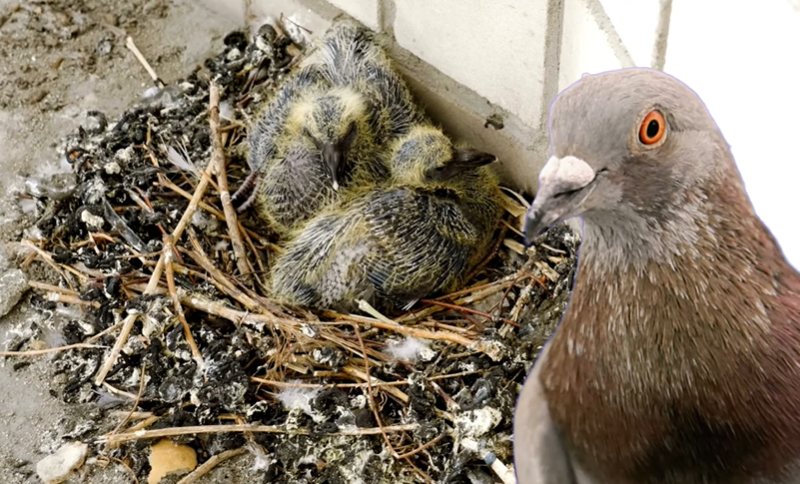
When people ask me what baby pigeons eat, the answer usually surprises them. Baby pigeons do not start life eating seeds like adult pigeons. During the first stage of life, their food is something called crop milk. This special food is produced by the parent pigeons and fed directly to the baby birds.
Crop milk is rich in nutrients and very important for the growth of young pigeons. Both the male and female pigeons produce it inside their crop. The crop is a small pouch in the throat where food is stored before digestion. When the babies are hungry, they push their beaks into the parent bird’s mouth, and the parent feeds them this soft milk-like substance.
This natural feeding process is one of the reasons pigeons are such successful parents.
What is Crop Milk? Cow milk?
Cow milk is not the same as milk from mammals. It is made from cells inside the crop of the parent pigeon. These cells break down and form a thick, creamy substance that is full of protein and fat.
This food is perfect for baby pigeons because it is easy to digest and contains the nutrients needed for rapid growth. In the first few days after hatching, baby pigeons rely almost completely on this food.
If you watch a pigeon nest closely, you will see the babies lifting their heads and pushing their beaks into the parent’s mouth. This is how the feeding happens. The parent pigeon gently pumps the food into the chick’s crop.
From my experience raising pigeons, this is one of the most fascinating parts of pigeon breeding. Anyone learning from a pigeon breeding guide will quickly see how important this stage is.
What Baby Pigeons Eat After the First Week
As the baby pigeons grow, their diet slowly begins to change. Around five to seven days after hatching, the parents start mixing small amounts of softened seeds with the crop milk.
These seeds come from the food the parent pigeons eat. Adult pigeons usually eat grains such as corn, wheat, peas, millet, and other pigeon feed. The parent birds partially digest this food and feed it to the chicks along with the crop milk.
This gradual change helps the baby pigeons learn how to digest solid food.
By the time the chicks are about two weeks old, they begin receiving more softened seeds and less crop milk. Their bodies are now stronger, and their digestive system is developing quickly.
Foods Parent Pigeons Eat That Help Feed the Babies
The quality of food the parents eat directly affects what the babies receive. Healthy parent pigeons produce better crop milk and feed stronger chicks.
This is why I always make sure my breeding pigeons receive a good, balanced diet. A proper pigeon feeding routine is extremely important during the breeding season.
Many pigeon keepers focus on good grains such as peas, corn, wheat, sorghum, and millet. Clean water is also very important. When the parents eat well, the babies grow faster and look healthier.
If someone wants to understand adult pigeon feeding better, it also helps to learn more about what pigeons eat and how their diet supports breeding pairs.
What Happens If Parent Pigeons Cannot feed the baby?
Most of the time, pigeon parents do a great job feeding their chicks. However, there are situations where a pigeon keeper may need to help.
Sometimes a young pair does not feed properly. Sometimes a parent pigeon becomes sick. In rare cases, a baby pigeon may fall from the nest and need care.
When this happens, the keeper may need to hand-feed the baby pigeon. This requires patience and the correct type of food.
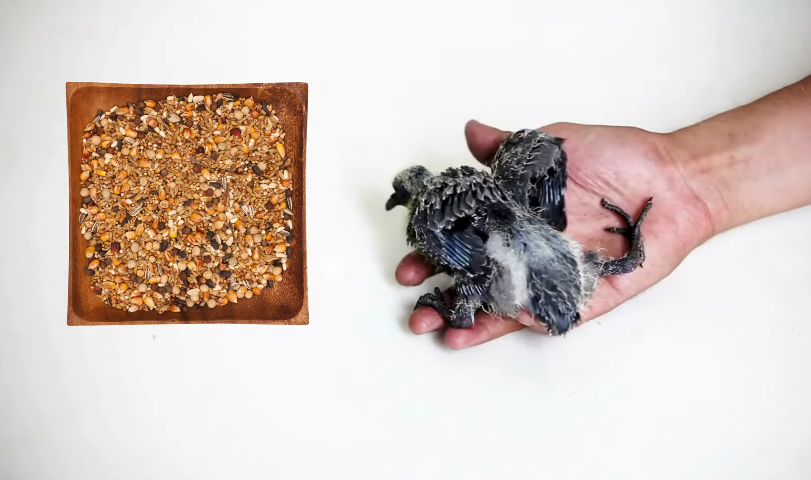
Young baby pigeons should never be fed dry seeds. Their digestive system is not ready for that. Instead, they need soft food that is easy to swallow and digest.
Many experienced keepers use special hand-feeding formulas made for baby birds. Others use soaked pigeon feed that has been softened with warm water.
Learning proper feeding techniques is very important because feeding mistakes can lead to health problems. Poor nutrition in early life can also make baby pigeons more vulnerable to common pigeon diseases later on.
How Often Baby Pigeons Are Fed
Baby pigeons usually eat several times a day. In the first week, the parents feed them frequently to support rapid growth.
The crop of a baby pigeon should feel full but not overly tight. A healthy chick will grow quickly and gain weight each day.
Watching the crop is something I always recommend to beginners. It tells you whether the chick is getting enough food.
Over time, the feeding schedule becomes less frequent as the chicks grow stronger and begin eating more solid food.
Understanding this natural feeding process helps pigeon keepers feel more confident when raising young birds. It also helps you notice problems early if something is wrong in the nest.
Tips and Common Mistakes When Feeding Baby Pigeons
Raising baby pigeons can be a great experience, but it also requires careful attention. Over the years of keeping pigeons, I have seen many beginners make simple mistakes when dealing with young birds. Most of these problems happen because people do not fully understand what baby pigeons eat during the early stages of life.
Learning a few practical tips can make a big difference in the health and survival of baby pigeons.
Let the Parents Feed the Babies Whenever Possible
One of the best things a pigeon keeper can do is allow the parent pigeons to raise their own chicks. Pigeons are excellent parents, and they naturally know how to feed their babies.
The crop milk produced by the parents is extremely important during the first days of life. No homemade food can perfectly replace it. Because of this, hand feeding should only be done when it is truly necessary.
If the parents are healthy and attentive, they will usually feed their chicks very well.
Always Check the Baby Pigeon’s Crop
A simple way to know if a baby pigeon is eating properly is to check its crop. The crop is the small pouch in the throat where food is stored before digestion.
A healthy chick will usually have a crop that feels soft and full after feeding. If the crop stays empty for many hours, it may mean the baby pigeon is not getting enough food.
Checking the crop once or twice a day can help you notice problems early. Early action often saves young birds.
Do Not Feed Dry Seeds Too Early
One of the most common mistakes beginners make is giving dry seeds to baby pigeons. Very young chicks cannot digest dry grain properly.
Their digestive system is still developing. If they are given hard seeds too early, the food may get stuck or cause serious health problems.
When hand feeding becomes necessary, the food should always be soft and easy to digest. Many pigeon keepers use soaked grains or special hand-feeding formulas made for young birds.
Keep Food and Water Clean
Clean food and fresh water are very important when raising pigeons. Dirty feeding tools or spoiled food can quickly lead to health problems.
Young pigeons have weaker immune systems, so they can easily get sick if hygiene is poor. Good loft cleanliness also helps prevent many pigeon diseases that can affect both adult birds and chicks.
Simple habits such as cleaning feeders and replacing water daily make a big difference.
Do Not Overfeed Baby Pigeons
Feeding too much food at one time can also cause problems. The crop should be full but not stretched too tight.
If the crop becomes too full, digestion may slow down, and food may stay in the crop for too long. This can lead to sour crop or other digestive issues.
It is always better to feed smaller amounts and allow proper digestion between feedings.
Watch the Behavior of Parent Pigeons
Parent pigeons usually show clear behavior when they are caring for chicks. They spend time sitting in the nest, protecting the babies, and feeding them regularly.
If you notice the parents ignoring the chicks or staying away from the nest for long periods, it may be a sign that something is wrong.
Understanding normal pigeon behaviour helps you notice these warning signs early. Quick action can protect the chicks and prevent bigger problems.
FAQ About Baby Pigeon Feeding
How long do baby pigeons drink crop milk??
Baby pigeons rely on crop milk during the first days after hatching. For about the first five days, the chicks eat almost only crop milk from the parent pigeons. After this stage, the parents slowly begin mixing softened grains with the crop milk.
By the time the chicks are around two weeks old, they receive much more softened seed and less crop milk. This gradual change helps their digestive system develop properly.
Can baby pigeons eat seeds??
Very young baby pigeons cannot eat dry seeds. Their bodies are not ready to digest hard grains in the first stage of life. The parents first provide crop milk, then they begin feeding softened and partially digested seeds.
When baby pigeons grow older, they slowly learn to eat normal grains like the adult birds. Anyone who wants to understand adult feeding better can also learn more about what pigeons eat and how their diet supports healthy birds.
What should I feed a rescued baby pigeon?
If you find a baby pigeon that needs help, the best option is to contact a wildlife rehabilitator or someone experienced with birds. Baby pigeons require special care and the correct feeding method.
If immediate care is needed, soft hand-feeding formulas made for baby birds are usually the safest option. Some experienced pigeon keepers also use soaked grains that have been softened with warm water. The food should always be easy to swallow and digest.
Proper feeding is very important because weak chicks can quickly develop health problems if they receive the wrong food.
How often do baby pigeons need to eat
Baby pigeons are usually fed several times a day by their parents. In the early days, they eat frequently because their bodies are growing very quickly.
A good way to check feeding is by feeling the crop. If the crop fills up after feeding and slowly empties before the next feeding, the chick is usually doing well.
Watching the growth of the chicks also helps. Healthy baby pigeons gain weight quickly and become stronger every day.
When do baby pigeons start eating on their own
Baby pigeons usually begin learning to eat on their own when they are around three to four weeks old. During this stage, they start picking up small grains and seeds near the nest.
The parents may still feed them for a short time, but the young pigeons slowly become independent. This stage is an important part of pigeon breeding and development.
Conclusion
Understanding what baby pigeons eat is one of the most useful things a pigeon keeper can learn. Baby pigeons depend completely on their parents during the early days of life, and their feeding process is very different from what many beginners expect.
In the beginning, the chicks receive crop milk from both parent pigeons. This rich food gives them the nutrients they need to grow quickly and stay healthy. After about a week, the parents slowly begin mixing softened seeds with the crop milk. As the chicks grow stronger, their diet gradually changes until they are able to eat normal pigeon feed on their own.
From my experience raising pigeons, the best approach is always to let the parents feed their babies whenever possible. Pigeons naturally know how to care for their chicks, and they usually do an excellent job. A keeper’s role is mostly to watch the nest, make sure the parents are healthy, and provide good-quality food and clean water.
A strong diet for the parent birds plays a big role in raising healthy chicks. When breeding pigeons, I always make sure the birds receive a balanced grain mix and proper care. Anyone learning more about raising pigeons will also benefit from studying topics like what pigeons eat, basic pigeon behaviour, and a good pigeon breeding guide.
Paying attention to the nest, checking that the chicks are being fed, and keeping the loft clean will prevent many problems. Good feeding during the early weeks also helps protect young birds from common pigeon diseases and supports strong growth.
Watching baby pigeons grow from tiny chicks into strong young birds is one of the most rewarding parts of pigeon keeping. Once you understand how their feeding works and what baby pigeons eat, raising them becomes much easier and far more enjoyable.
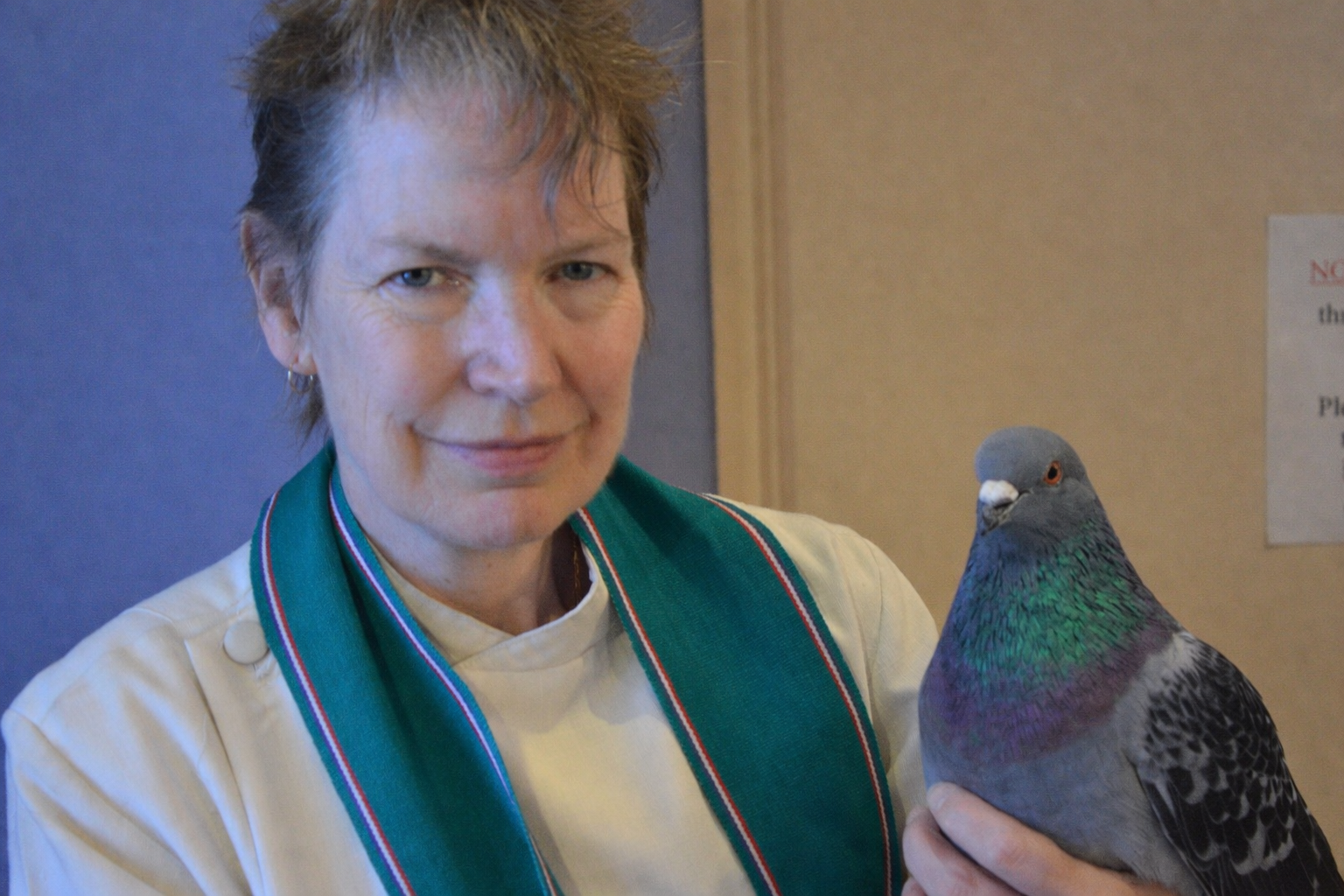
Barbara Allen is a writer and chaplain at Lort Smith Animal Hospital in Melbourne, Australia. She is the author of the book Pigeon, which explores the cultural and historical relationship between humans and pigeons. Allen has also written the picture book I Was There and contributed to publications such as Peace of Mind and Uniting Church Studies.