What Do Fledgling Pigeons Eat | Diet & Feeding Guide
Many people who raise pigeons often ask the same question when they see a young bird leaving the nest for the first time. What do fledgling pigeons eat?
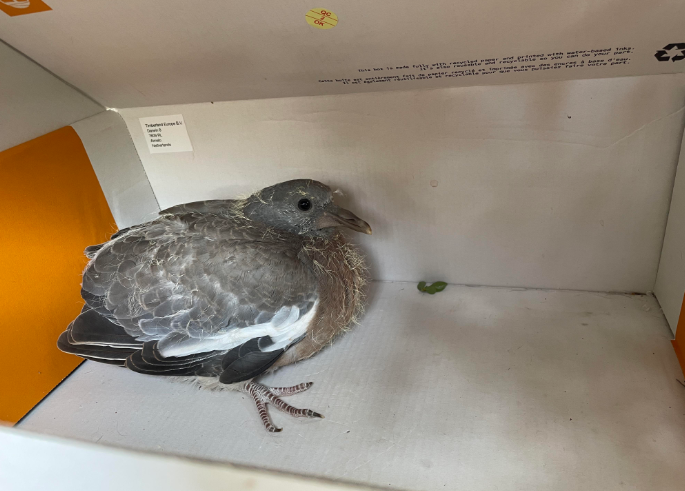
A fledgling pigeon is a young bird that has just started leaving the nest but is still learning how to survive on its own. At this stage, the bird looks almost like an adult pigeon, but it still depends a lot on its parents for food and guidance. If you raise pigeons at home or often see them around your yard, you will eventually notice this stage in their life.
Understanding what fledgling pigeons eat is very important for anyone who keeps pigeons or cares about wild birds. Many beginners think that once a pigeon leaves the nest, it can fully feed itself. That is not always true. Young pigeons still need help from their parents for a short time while they learn how to eat seeds and grains on their own.
From my own experience raising pigeons, the fledgling stage is one of the most interesting times to watch. The young birds start exploring the loft, flapping their wings, and trying to pick up food. Sometimes they succeed, and sometimes they miss the grain completely. This learning period is a normal part of pigeon behaviour.
Knowing what fledgling pigeons eat also helps if you ever find a young pigeon on the ground. Many people try to feed them bread or random food, which is not good for their health. Understanding their real diet makes it easier to care for them properly and avoid common mistakes.
This topic also connects with other important parts of pigeon care. Feeding young pigeons is closely related to what pigeons eat, how parents raise their babies in a pigeon breeding guide, and how good nutrition helps prevent common pigeon diseases.
When you understand the diet of a fledgling pigeon, you will also start noticing many interesting things about pigeon behaviour. You will see how the parents still watch over their young birds and slowly teach them how to survive.
Young pigeons grow quickly during this stage. Giving them the right food and understanding how they learn to eat can make a big difference in their health and survival.
What Do Fledgling Pigeons Eat
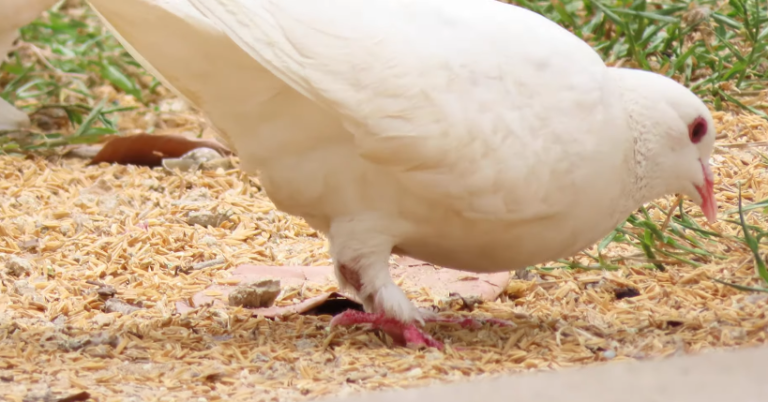
Fledgling pigeons mostly eat the same foods that adult pigeons eat. The difference is that they are still learning how to eat these foods by themselves. At this stage, the parents still play an important role in feeding them.
From my own experience raising pigeons, young birds usually begin pecking at food around three to four weeks of age. They watch the adult pigeons closely and slowly learn how to pick up seeds and grains from the ground.
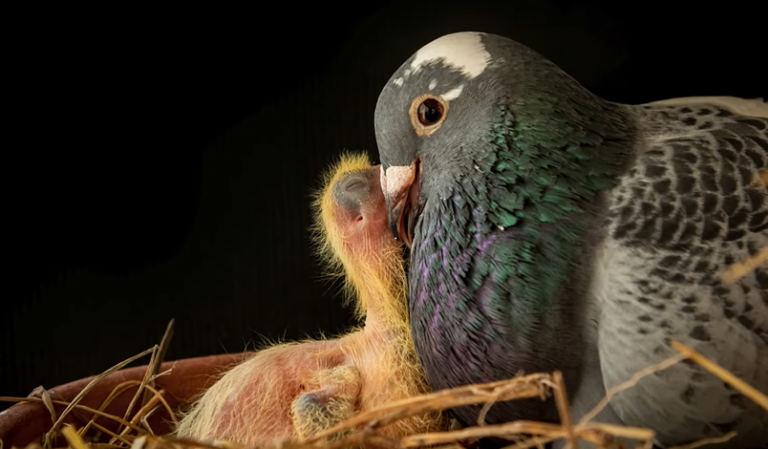
Even though they start trying to eat on their own, they still receive food from their parents for a short time. Parent pigeons feed their babies by regurgitating food from their crop. This process helps the young pigeon get soft and easy-to-digest food while it is learning.
Seeds and Grains
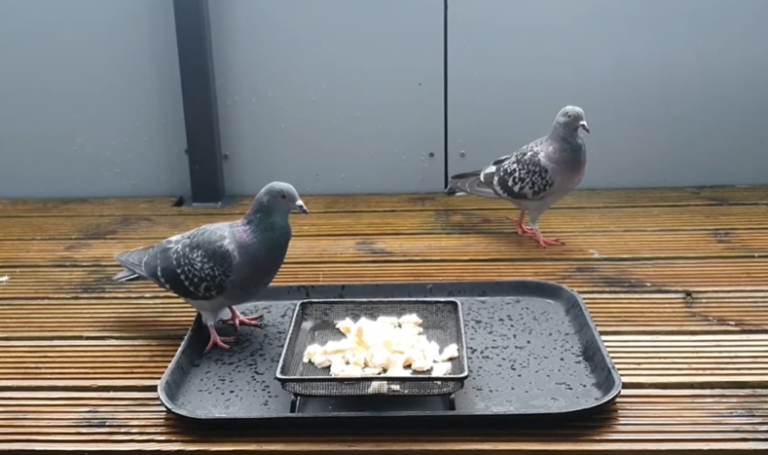
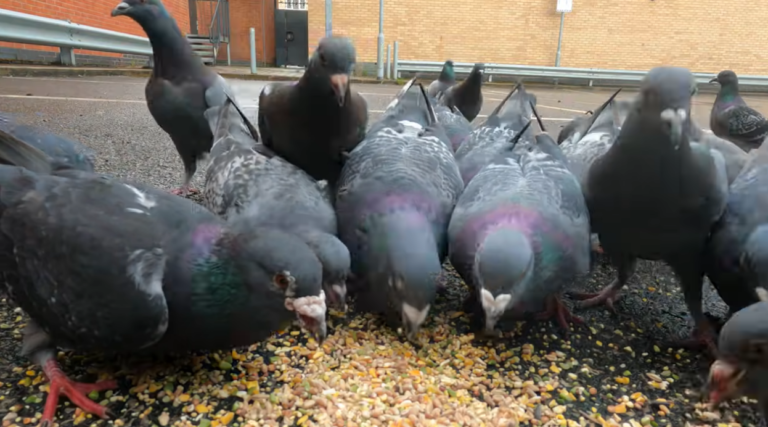
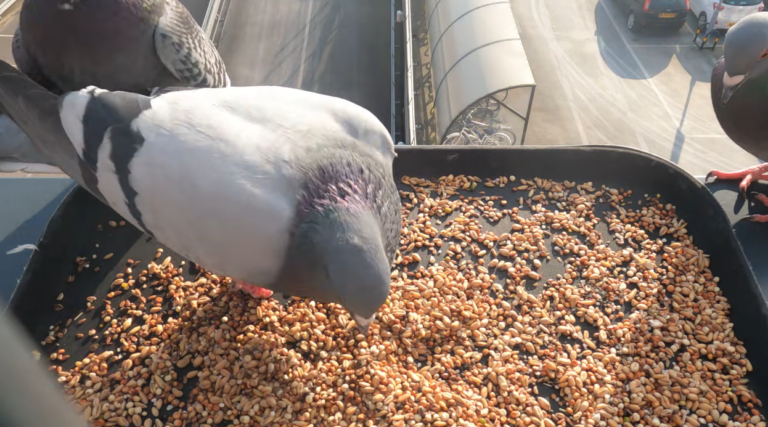
The main food that fledgling pigeons eat is seeds and grains. These foods are easy for pigeons to digest and provide the energy they need to grow.
Common grains that pigeons eat include:
• corn
• wheat
• millet
• barley
• peas
• sorghum
When I feed my pigeons, I always use a simple grain mix. Fledgling pigeons often start by pecking at smaller seeds like millet before they learn to eat larger grains.
A good grain mix is the same type of food discussed in guides about what pigeons eat. Healthy grains help young birds grow strong feathers and muscles.
Soft Food from Parent Pigeons
During the early fledgling stage, parent pigeons still feed their young birds several times a day. The parents soften the grains in their crop before feeding them to the baby.
This food is very important because fledgling pigeons are still developing their digestive system. Soft food from the parents helps them adjust to solid grains.
This feeding behavior is something you often see explained in a good pigeon breeding guide. Watching parent pigeons care for their young is one of the best ways to understand natural pigeon behaviour.
Water and Hydration
Water is just as important as food for fledgling pigeons. When young pigeons begin eating seeds, they also need access to clean water.
In my pigeon loft, I always keep shallow water containers so young birds can safely drink without falling in. Fledgling pigeons usually learn how to drink by watching older pigeons.
Fresh water helps them digest grains properly and stay healthy.
Learning to Eat by Watching Adults
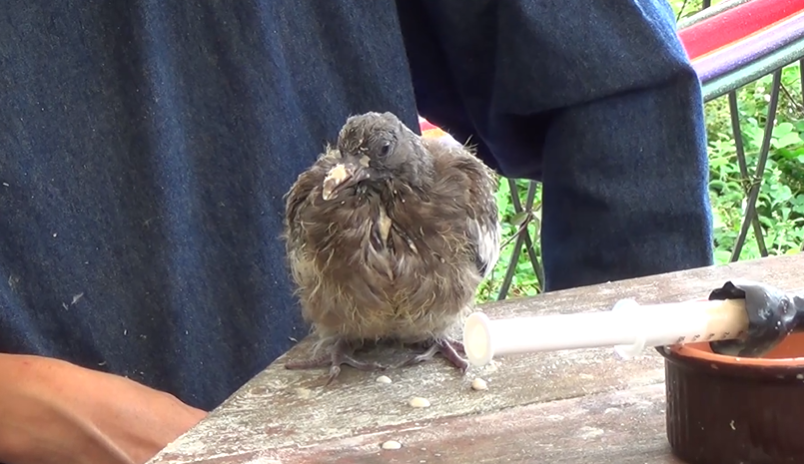
One interesting thing about pigeons is how quickly young birds learn from the flock. Fledgling pigeons watch adult birds closely. When the adults start pecking at food, the young birds copy them.
At first, they may struggle to pick up seeds. Some birds will miss several times before finally grabbing the grain. This is normal and part of pigeon behaviour.
Within a few days, most fledgling pigeons become confident eaters and start feeding themselves regularly.
Foods That Help Fledgling Pigeons Grow Strong
A balanced pigeon diet helps young birds grow strong and avoid health problems. Good nutrition supports feather growth, muscle development, and overall energy.
Healthy pigeon food may include:
• mixed grains
• small seeds
• pigeon pellets
• crushed corn
• green peas
These foods provide protein and energy for growing birds.
Poor nutrition can sometimes lead to weakness or illness. That is why feeding the right food is important to prevent common pigeon diseases and keep young birds healthy.
Tips for Feeding and Caring for Fledgling Pigeons
Raising young pigeons can be very rewarding, but the fledgling stage requires a little patience. These young birds are curious and active, yet they still depend on their parents while learning how to eat and live on their own.
From my experience keeping pigeons, a few simple habits can help fledgling pigeons grow stronger and adjust quickly.
Provide Small and Easy-to-Eat Grains
Young pigeons often struggle with large grains when they first start eating. Smaller seeds make it easier for them to practice pecking and swallowing food.
Millet, wheat, and small cracked corn are good options. Once they gain confidence, they can easily handle larger grains like whole corn and peas.
This type of diet is similar to what you would normally feed adult pigeons when thinking about what pigeons eat, but younger birds usually prefer smaller seeds at the beginning.
Always Keep Fresh Water Available
Clean water is extremely important when young pigeons begin eating dry seeds. Without water, they may have trouble digesting their food.
I always keep a shallow water bowl in the loft. Fledgling pigeons usually learn to drink by watching older birds in the flock.
Changing the water daily also helps prevent bacteria and reduces the risk of pigeon diseases.
Allow Parents to Continue Feeding
One mistake beginners make is trying to separate the young pigeon from its parents too early. During the fledgling stage, the parents still provide important nutrition.
Even if the young bird is pecking at seeds, it will often return to the parents for extra feeding. This is normal pigeon behaviour and helps the bird transition to a fully independent diet.
A good pigeon breeding guide will always mention the importance of letting the parents finish raising their young naturally.
Common Mistakes People Make With Fledgling Pigeons
Many people want to help young birds, but sometimes they accidentally cause problems by giving the wrong food or interfering too much.
Here are a few common mistakes I often see.
Feeding Bread to Young Pigeons
Bread is one of the most common foods people offer pigeons, but it is not a healthy option. Bread fills the bird’s stomach without providing the nutrients it needs.
For a growing pigeon, grains and seeds are always a much better choice.
Thinking the Bird Is Abandoned
Fledgling pigeons often spend time sitting on the ground or on low ledges while they practice flying. Many people think the bird has been abandoned.
In most cases, the parents are still nearby and continue feeding the young bird several times a day. This is normal pigeon behaviour.
Giving Food That Is Too Large
Large grains or hard food can be difficult for a young pigeon to eat. If you are helping a fledgling pigeon, smaller grains are always safer.
Over time, the bird will learn to handle larger seeds just like the adult pigeons.
Handling the Bird Too Much
Young pigeons need time to develop their strength and confidence. Handling them too often can cause stress.
When possible, it is best to allow the parents and the flock to guide the young bird naturally.
With proper food, clean water, and a calm environment, fledgling pigeons usually grow stronger very quickly. Within a short time, they become confident flyers and fully independent birds.
Frequently Asked Questions About What Fledgling Pigeons Eat
What do fledgling pigeons eat in the wild?
In the wild, fledgling pigeons eat mostly the same foods as adult pigeons. Their diet usually includes seeds, grains, small plants, and sometimes small pieces of food they find on the ground.
However, during the early fledgling stage, the parents still feed them softened food from their crop. This helps the young bird get enough nutrition while it is still learning how to eat seeds on its own. This feeding process is a natural part of pigeon breeding and raising healthy chicks, which is often explained in a good pigeon breeding guide.
Can a fledgling pigeon feed itself?
Yes, but not completely at first. A fledgling pigeon begins pecking at seeds and grains as it learns how to eat. Even though it tries to feed itself, the parents usually continue feeding it for several more days.
After some practice, the young pigeon becomes more confident and slowly starts eating enough food by itself. Watching adult birds helps the young pigeon learn faster because copying other pigeons is a common part of pigeon behaviour.
What should I feed a fledgling pigeon if I find one?
If you find a fledgling pigeon and need to help it, the safest foods are small seeds and grains. Good options include millet, wheat, peas, and small cracked corn.
Always provide clean water as well. Avoid feeding bread, salty food, or processed human food because these can cause health problems and may even lead to pigeon diseases.
In many cases, the best option is to observe the bird from a distance. If the parents are nearby, they will continue feeding the young pigeon.
How long do pigeons stay in the fledgling stage?
Most pigeons stay in the fledgling stage for about one to two weeks after leaving the nest. During this time, they practice flying, exploring their surroundings, and learning how to eat on their own.
By the end of this stage,ge they usually become independent and fully capable of finding their own food. Their diet then becomes the same as that of adult pigeons, which is often discussed in topics about what pigeons eat.
Is it normal for a fledgling pigeon to sit on the ground?
Yes, this is very normal. Many fledgling pigeons spend time on the ground or on low ledges while they are learning to fly and build strength.
People often think the bird is sick or abandoned, but in many cases, the parents are still nearby and continue feeding it. This behavior is simply part of how young pigeons grow and develop.
Conclusion
Understanding what fledgling pigeons eat helps pigeon owners and bird lovers care for young birds the right way. The fledgling stage is a short but very important part of a pigeon’s life. During this time, the young bird leaves the nest, begins exploring the world, and slowly learns how to feed itself.
From my experience raising pigeons, fledgling pigeons mainly eat seeds and grains such as wheat, corn, millet, peas, and barley. At firfirsttthey still rely on their parents to provide softened food from the crop. This extra feeding helps them gain strength while they practice eating solid food.
As the young pigeon watches adult birds, it quickly learns how to peck at grains and drink water. Within a short time, the bird becomes more confident and starts feeding itself regularly. This learning process is a natural part of pigeon behaviour, and it shows how strong the bond is between parent pigeons and their chicks.
Providing the right food is very important for healthy growth. Good nutrition helps prevent common pigeon diseases and allows young pigeons to develop strong feathers and muscles. Clean water, a calm environment, and proper grain mixes all play a role in helping fledgling pigeons grow successfully.
For beginners who are raising pigeons, the key is patience. Let the parents guide their young birds and avoid interfering too early. Many important lessons about pigeon care can be learned by simply observing the flock.
Learning about what pigeons eat, understanding a proper pigeon breeding guide, and paying attention to pigeon behaviour will make it much easier to raise healthy pigeons.
Watching a fledgling pigeon take its first confident flight and feed on its own is one of the most rewarding moments for any pigeon keeper. It shows that the young bird has grown strong and is ready to live independently.
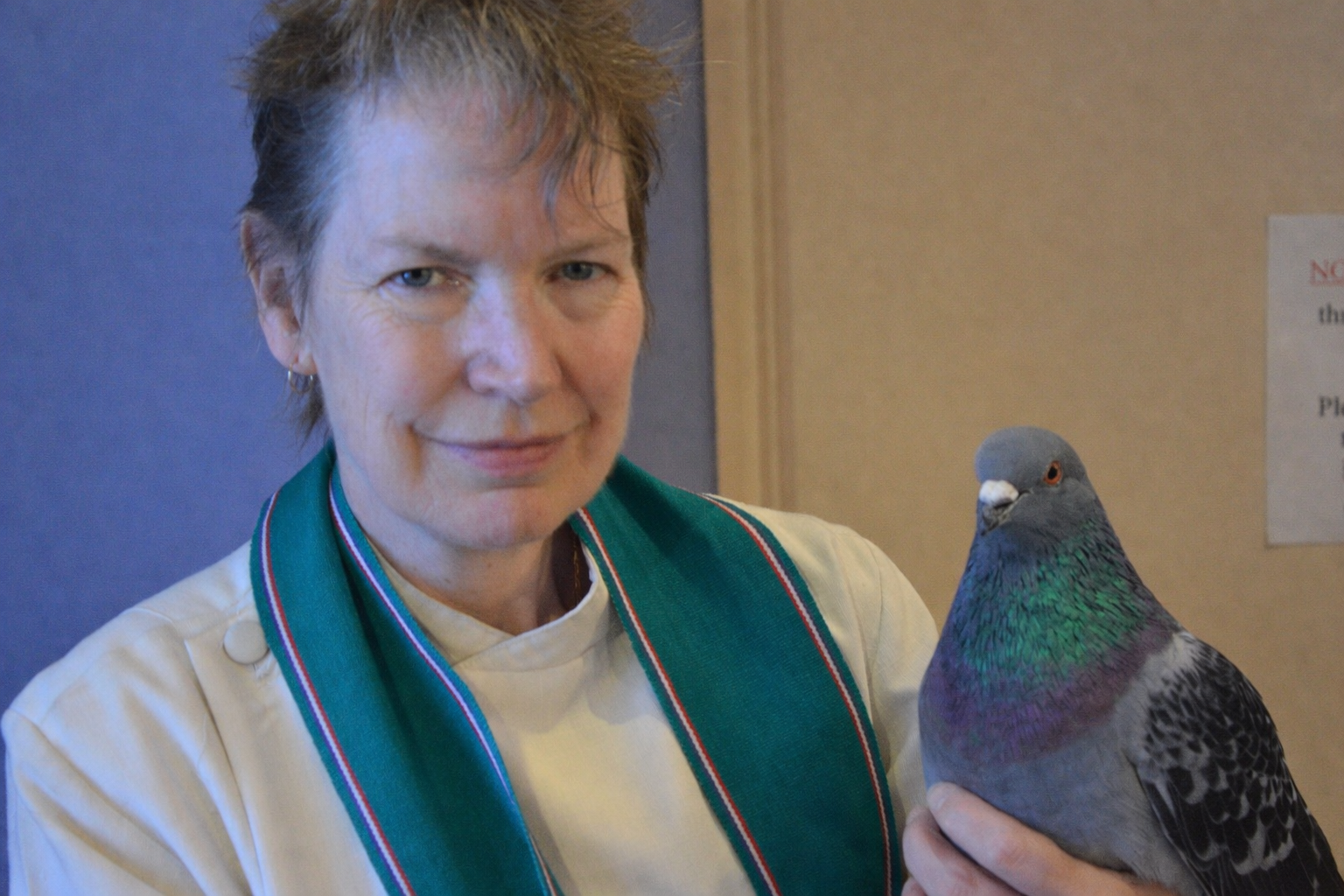
Barbara Allen is a writer and chaplain at Lort Smith Animal Hospital in Melbourne, Australia. She is the author of the book Pigeon, which explores the cultural and historical relationship between humans and pigeons. Allen has also written the picture book I Was There and contributed to publications such as Peace of Mind and Uniting Church Studies.