What Do Newborn Pigeons Eat | Feeding Guide for Squabs
If you have ever seen a newly hatched pigeon in a nest, you know how small and fragile they look. One of the first questions many people ask is what newborn pigeons eat. I hear this question often from beginners who start raising pigeons or who find a baby pigeon in a nest.
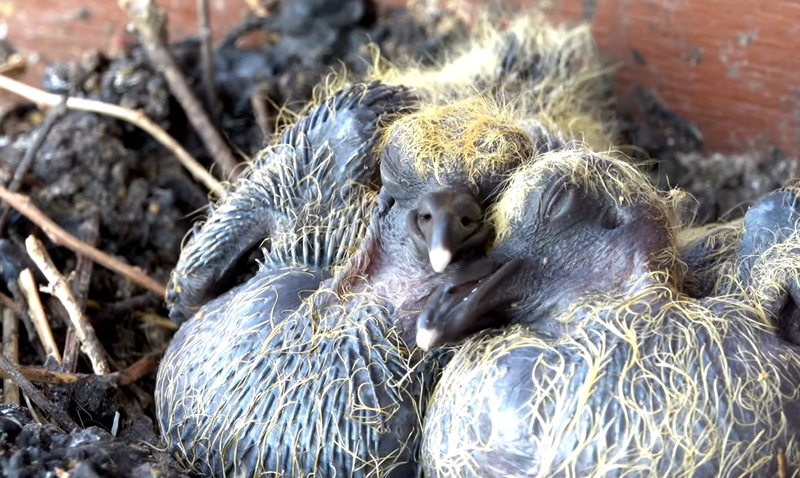
Newborn pigeons are very different from most other baby birds. They cannot eat seeds or grains right after hatching. Their bodies are too weak, and their digestive system is not ready for solid food. Because of this, baby pigeons depend completely on their parents for food during the first days of life.
When pigeons hatch, the parents feed them a special substance called crop milk. This natural food is produced inside the parent pigeon’s crop. It is rich in protein, fat, and nutrients that help the baby pigeon grow quickly and stay healthy. In my experience raising pigeons, the first week of feeding is the most important stage for a baby pigeon.
Understanding what newborn pigeons eat is very important for anyone who keeps pigeons. It also helps people who accidentally find a baby pigeon and want to help it survive. Feeding the wrong food at this stage can harm the bird and sometimes even cause death.
When I started raising pigeons years ago, I quickly learned that baby pigeon care is closely connected to other important topics like pigeon breeding guide, proper nutrition, and general pigeon behaviour. Watching how parent pigeons feed their babies teaches you a lot about how these birds naturally raise their young.
New pigeon keepers are often surprised by how fast baby pigeons grow. Within just a few days, they start gaining weight and becoming stronger. This rapid growth happens because their early diet is very rich and carefully provided by the parent birds.
Knowing the basics of baby pigeon feeding also helps prevent health problems later. Many young birds develop issues when they do not receive proper nutrition in their first days of life. Good feeding habits early on can reduce the risk of common pigeon diseases as they grow.
Raising pigeons can be a very rewarding experience, but it starts with understanding the needs of newborn birds. Once you learn what newborn pigeons eat and how they are fed, it becomes much easier to care for young pigeons and support healthy breeding pairs.
Main Explanation of the Topic
Understanding what newborn pigeons eat starts with knowing how pigeons naturally raise their babies. I have raised many pigeons over the years, and one thing that always amazes new keepers is how the parent birds feed their chicks.
Unlike many other birds, pigeons do not bring insects or seeds to their babies during the first days. Instead, both the male and female pigeon produce a special food called crop milk.
What Is Crop Milk
Crop milk is a thick, soft substance that forms inside the crop of the parent pigeon. The crop is a small pouch in the bird’s throat where food is stored before digestion.
During breeding season, the lining of the crop changes and begins producing this rich milk-like food. Both parents can produce it, which means the male and female take turns feeding the babies.
Crop milk is packed with nutrients that help newborn pigeons grow quickly. It contains high levels of protein and fat, which are very important for early development. This natural food also helps strengthen the immune system of the baby pigeon.
From my experience as a pigeon keeper, healthy parent birds almost always produce enough crop milk for their chicks if they are fed properly.
How Parent Pigeons Feed Their Babies
Many beginners who are new to pigeons are surprised by how feeding actually happens.
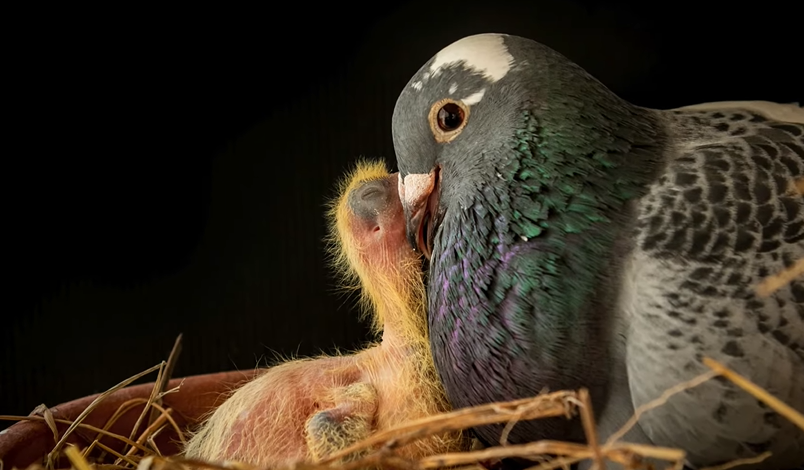
The baby pigeon opens its beak, and the parent pigeon places its beak inside the baby’s mouth. The chick then gently pushes upward, which signals the parent to release the crop milk.
This feeding method looks unusual if you see it for the first time, but it is completely natural. The baby pigeon drinks the soft crop milk directly from the parent.
During the first few days after hatching, crop milk is the only food the chick receives.
What Happens After the First Few Days
After about three to five days, the diet slowly begins to change.
Parent pigeons start mixing small amounts of softened seeds and grains with the crop milk. The seeds are partially digested in the parent’s crop before being fed to the baby. This makes them soft enough for the chick to swallow and digest.
By the time the baby pigeon is about one week old, it begins receiving more softened seeds and less crop milk.
This gradual change helps the chick’s digestive system develop properly.
Many people who ask what newborn pigeons eat assume that seeds are the first food, but that is not the case. Seeds only become part of the diet after the baby pigeon has grown a little stronger.
Feeding Depends on Healthy Parent Birds
One important lesson I learned early in pigeon keeping is that healthy parents raise healthy babies.
If the breeding pair is eating a balanced diet, they will produce better crop milk. Good pigeon food usually includes grains like corn, wheat, peas, and millet.
A strong diet for adult pigeons is one of the most important parts of a good pigeon breeding guide.
Clean water is also very important because pigeons drink water and mix it with food in the crop before feeding their babies.
What to Do If a Baby Pigeon Has No Parents
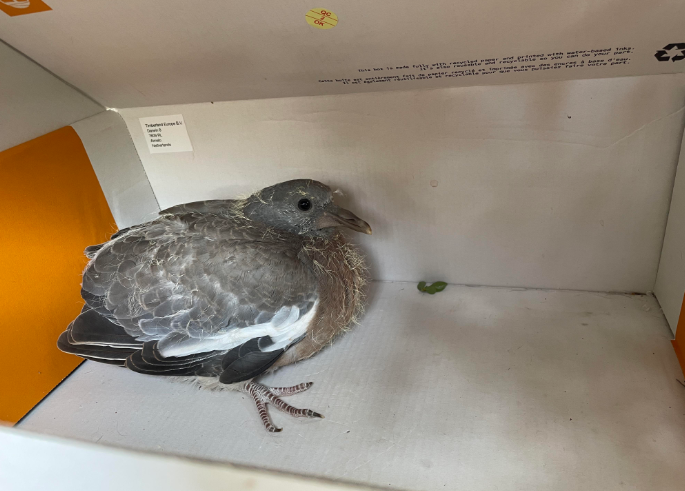
Sometimes people find a baby pigeon that has fallen from the nest or lost its parents. In this case, the natural crop milk feeding will not happen.
Hand feeding baby pigeons can be done, but it must be done carefully.
Young pigeons can be fed a warm hand-feeding formula designed for baby birds. Some pigeon keepers also use soaked pigeon feed that is blended into a soft mixture.
The food should always be warm and soft. Cold food can harm the chick.
Feeding is usually done with a syringe or a special feeding tube. The baby pigeon must be held gently and fed slowly to prevent choking.
Anyone who attempts hand feeding should learn proper technique first. Feeding incorrectly can cause food to enter the lungs, which can lead to serious pigeon diseases.
Watching the Crop
When feeding baby pigeons, whether by parents or by hand, the crop is the key thing to watch.
The crop should fill slightly after feeding, but should not become too tight. A healthy chick will digest the food, and the crop will slowly empty before the next feeding.
If the crop stays full for too long, it may signal a digestion problem.
Why This Early Diet Matters
The first weeks of life are when baby pigeons grow the fastest. Their bones, muscles, and feathers all develop during this time.
Proper feeding ensures strong growth and healthy development. It also supports normal pigeon behaviour as the young bird grows and begins exploring the loft.
In my experience, the best way to learn about pigeon care is by watching how experienced parent pigeons raise their chicks. Nature has already designed a very effective feeding system for newborn pigeons.
Tips and Common Mistakes
Raising baby pigeons can be a very rewarding experience, but it also requires careful attention. Over the years, I have seen many beginners struggle during the first weeks of a chick’s life. Most problems happen because people do not fully understand what newborn pigeons eat and how delicate young pigeons are.
A few simple tips can make a big difference when caring for newborn pigeons.
Let the Parent Pigeons Do Their Job
The best caregivers for baby pigeons are always the parents. If the breeding pair is healthy and calm, they will naturally feed the chicks with crop milk and later with softened seeds.
New pigeon keepers sometimes worry too quickly and try to interfere with feeding. In most cases, this is not necessary. When the parents are active, and the chicks look full and warm, it is usually best to leave them alone.
Good breeding pairs follow natural routines. This is why learning a proper pigeon breeding guide is helpful for beginners.
Make Sure Parent Birds Eat a Nutritious Diet
Healthy babies start with healthy parents. When adult pigeons eat good food, they produce better crop milk for their chicks.
A balanced pigeon diet often includes grains such as peas, corn, wheat, and millet. Fresh, clean water should always be available.
Many beginners focus only on the baby pigeons, but the parents are actually the key to strong chicks. If the parents are underfed, the babies will also suffer.
Understanding what pigeons eat helps pigeon keepers prepare better food for the breeding pair.
Keep the Nest Area Clean
Clean nesting areas are very important for newborn pigeons. Young chicks have weak immune systems and can become sick easily if the nest becomes dirty.
Remove wet bedding and replace it with clean nesting material when necessary. Good loft hygiene helps prevent common pigeon diseases that can affect young birds.
I always recommend checking nests gently every day to make sure everything looks clean and healthy.
Watch the Baby Pigeons Carefully
Healthy baby pigeons grow quickly and usually look full after feeding. Their crop will appear slightly round after the parents feed them.
If a chick looks weak, empty, or cold, something may be wrong. Sometimes, one chick in the nest may not receive enough food if there is competition between siblings.
Careful observation helps you notice problems early.
Common Mistake: Feeding Solid Food Too Early
One of the biggest mistakes beginners make is trying to feed seeds or grains to newborn pigeons.
Newborn pigeons cannot digest solid food during the first days of life. Their bodies are not ready for that type of diet. Only crop milk or a proper hand-feeding formula should be used at this stage.
This is why learning what newborn pigeons eat is so important for anyone caring for baby pigeons.
Common Mistake: Feeding Cold Food
If you ever have to hand-feed a baby pigeon, the temperature of the food matters a lot.
Food that is too cold can slow digestion and cause serious problems. Food that is too hot can burn the chick’s crop.
Warm and soft food works best for young pigeons.
Common Mistake: Feeding Too Much
Another mistake beginners sometimes make is overfeeding. The crop should fill slightly but should not become tight or stretched.
Overfeeding can cause digestive problems and may lead to infections.
Watching the crop and feeding slowly is the safest method.
Patience Is Part of Raising Pigeons
Baby pigeons grow quickly, but the process still requires patience. The first two weeks are the most sensitive time.
With proper care, healthy parents, and a clean nesting area, baby pigeons usually grow strong and active. As they grow older, their natural pigeon behaviour will start to appear as they become more curious and begin moving around the nest.
How often do newborn pigeons eat?
Newborn pigeons are usually fed several times a day by their parents. During the first few days, the parents provide crop milk multiple times throughout the day. You may not always see every feeding because it happens quickly and quietly in the nest.
Healthy chicks usually have a slightly full crop after feeding. If the crop looks empty for long periods, it may mean the chick is not getting enough food.
Can newborn pigeons eat seeds?
No, newborn pigeons cannot eat seeds during their first days of life. Their digestive system is not developed enough to handle solid food.
This is why many beginners ask what newborn pigeons eat. The answer is simple. They rely completely on their parents’ milk at the beginning. After several days, parents slowly begin adding softened seeds into the diet.
What should I feed a baby pigeon if the parents are gone?
If a baby pigeon has no parents, it must be hand-fed carefully. A warm hand feeding formula made for baby birds is usually the safest option.
Some experienced pigeon keepers also use soaked and blended pigeon feed to create a soft mixture. The food should always be warm and smooth so that the chick can swallow it safely.
Hand feeding requires patience and proper technique to avoid causing harm.
How long do baby pigeons drink crop milk?
Baby pigeons usually receive crop milk during the first week of life. After that, the parents gradually mix softened seeds with the milk.
By the time the chick is about two weeks old, the diet begins to look more like regular pigeon food. This gradual change helps the young bird develop a healthy digestive system.
Learning this process is an important part of understanding pigeon breeding guide practices.
How can I tell if a baby pigeon is healthy?
A healthy baby pigeon usually looks warm, active, and slightly full after feeding. The crop should fill after meals and slowly empty before the next feeding.
Healthy chicks also grow quickly and start developing feathers within the first weeks.
If a chick appears weak, cold, or stops eating, it may be a sign of illness. Early problems can sometimes lead to serious pigeon diseases, so careful observation is very important.
Conclusion
Understanding what newborn pigeons eat is one of the most important things every pigeon keeper should learn. Newborn pigeons are completely dependent on their parents during the first days of life. Instead of seeds or grains, they receive a rich natural food called crop milk that provides the nutrition they need to grow strong.
From my experience raising pigeons, the first week after hatching is when careful observation matters the most. Healthy parent pigeons usually handle feeding very well on their own. When the breeding pair has a good diet and a clean nesting area, baby pigeons normally grow quickly and develop without problems.
For beginners, the key lesson is simple. Do not rush the feeding process. Newborn pigeons cannot eat solid food right away, and interfering too much can sometimes do more harm than good. Let the parent birds follow their natural feeding routine whenever possible.
Good pigeon care always starts with understanding basic topics such as what pigeons eat, proper nutrition for breeding pairs, and maintaining a clean loft to prevent common pigeon diseases. These simple practices help ensure that young pigeons grow into strong and healthy birds.
Raising pigeons takes patience, but watching baby pigeons grow and develop is one of the most rewarding parts of keeping these birds. When you understand what newborn pigeons eat and how they are naturally fed, you are already on the right path to becoming a successful pigeon keeper.
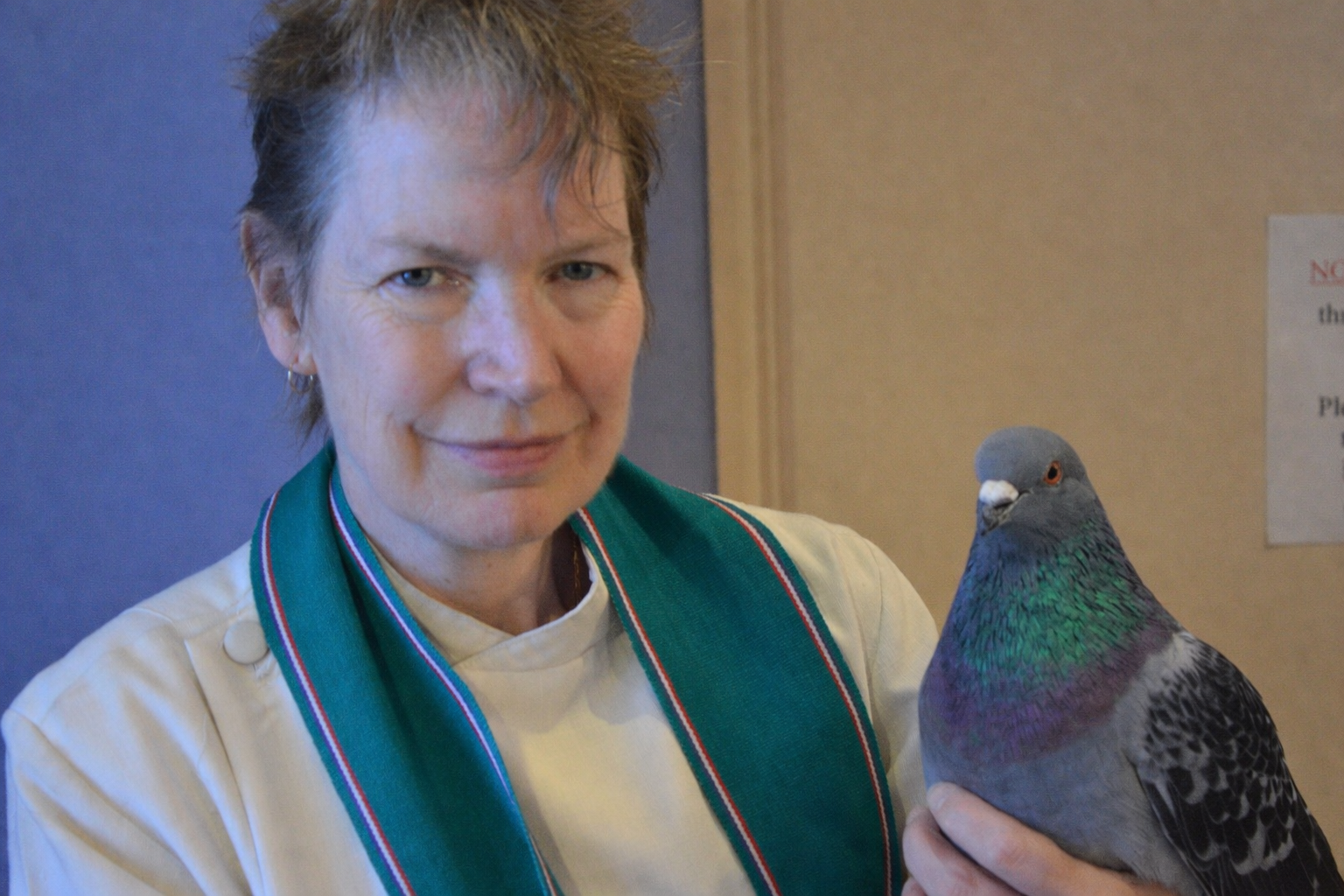
Barbara Allen is a writer and chaplain at Lort Smith Animal Hospital in Melbourne, Australia. She is the author of the book Pigeon, which explores the cultural and historical relationship between humans and pigeons. Allen has also written the picture book I Was There and contributed to publications such as Peace of Mind and Uniting Church Studies.