Bird Cage For Pigeons | Safe Housing Guide
When people start keeping pigeons, one of the first things they ask me is about the right bird cage for pigeons. I understand why. Your birds will spend most of their time there, so the cage you choose really matters.
I still remember when I first kept pigeons. I made the mistake of using a small cage meant for parrots. The birds looked uncomfortable, and their behaviour changed. They stopped moving around much, and they did not seem relaxed. That is when I learned that pigeons need space, fresh air, and a proper setup to stay healthy.
A good bird cage for pigeons is not just a place to keep them. It becomes their home. It affects how they eat, how they rest, and even how they breed. If the cage is too small or poorly designed, you will start seeing problems. You might notice stress, dirty feathers, or even sickness.
I always tell beginners that housing is just as important as feeding. Many people focus only on what pigeons eat, but forget that the living space plays a big role in their health. A clean and comfortable cage can prevent many pigeon diseases and keep your birds active and calm.
Another thing I have noticed over the years is how much a good cage helps with pigeon behaviour. Birds that have enough room and proper perches act more naturally. They walk around, coo, and interact with each other. You can tell they feel safe.
If you are planning to raise pigeons or improve your current setup, choosing the right bird cage for pigeons is one of the best decisions you can make. It will make your daily care easier and give your birds a better life.
When I talk about a good bird cage for pigeons, I am really talking about comfort, space, and cleanliness. Pigeons are not like small cage birds. They need room to move, stretch their wings, and feel relaxed.
Size Matters More Than Anything
The biggest mistake I see beginners make is choosing a cage that is too small. Pigeons need space to walk around, not just sit on one perch.
From my experience, one pigeon should have enough room to stand, turn around easily, and flap its wings without hitting anything. If you keep a pair, the space should be much larger.
I always prefer going bigger than you think you need. When pigeons have space, they stay active and healthier. This also helps reduce stress and fighting.
If you plan to follow a pigeon breeding guide later, space becomes even more important. Breeding pairs need privacy and room to build nests.
Airflow and Ventilation
Fresh air is very important. A closed cage with poor airflow will quickly lead to bad smells and health problems.
I always use cages that have wire sides or open sections. This allows air to move freely. At the same time, you should protect your birds from strong winds and rain.
Good airflow helps prevent pigeon diseases, especially breathing problems. I have seen birds recover quickly just by improving ventilation.
Floor Design and Cleanliness
Cleaning is part of daily pigeon care. A cage that is hard to clean will cause problems over time.
I prefer cages with a raised wire floor or a tray at the bottom. This way, droppings fall and do not stay where the pigeons walk.
You should clean the cage often. I usually do light cleaning every day and a deeper clean every week. This keeps the birds safe and reduces the smell.
Perches and Resting Areas
Pigeons do not live on thin sticks like parrots. They prefer flat surfaces where they can stand comfortably.
I use wooden perches or small platforms. Some people even add shelf-style perches, which pigeons really like.
If the perches are not comfortable, pigeons may sit on the floor more, which can make them dirty and increase the risk of disease.
Feeding and Water Setup
Your bird cage for pigeons should have a clean place for food and water. I always keep feeders and drinkers slightly raised so they do not get dirty quickly.
Fresh water is very important. Change it daily. Dirty water is one of the fastest ways pigeons get sick.
Also, place food in a spot where all birds can eat without fighting. This is important if you keep more than one pigeon.
This ties closely with what pigeons eat. Even the best food will not help if it gets dirty inside the cage.
Safety and Protection
A good cage should protect your pigeons from predators and accidents.
Make sure the wire spacing is not too wide. Small predators or even rats can harm pigeons if they get inside.
I also check for sharp edges. Pigeons can easily injure their feet or wings if the cage is poorly made.
Indoor vs Outdoor Setup
You can keep pigeons indoors or outdoors, but each setup needs proper planning.
Indoor cages should be placed in a quiet area with natural light. Avoid loud places or areas with too much movement.
Outdoor cages or lofts are my personal favourite. Pigeons enjoy fresh air and sunlight. Just make sure they are safe from rain and extreme heat.
Keep It Simple and Practical
You do not need a fancy setup to keep pigeons happy. I have seen simple cages work better than expensive ones.
Focus on space, cleanliness, airflow, and safety. These are the things that truly matter.
Over time, you will understand your birds better. You will notice their pigeon behaviour and adjust the cage to suit them.
Tips and Common Mistakes
Over the years, I have seen many people start with good intentions but make simple mistakes with their bird cage for pigeons. Most of these problems are easy to fix once you know what to watch for.
I will share a few tips that I personally follow, along with mistakes I have made myself.
Give More Space Than You Think
This is something I learned the hard way. When I first started, I thought a small cage would be enough for a pair. The birds stayed quiet and did not move much.
Once I upgraded to a larger space, their behaviour changed; they became more active, started cooing more, and looked healthier.
Always go for a bigger cage if possible. It makes a big difference in pigeon behaviour and overall health.
Keep the Cage Dry
Moisture is a silent problem. If the cage stays wet, it can lead to smells, bacteria, and sickness.
I always make sure the cage stays dry, especially during rainy days. If you keep birds outside, add proper cover so that rain does not enter.
Wet floors can quickly lead to pigeon diseases. Dry and clean space is one of the best protections you can give your birds.
Clean Regularly Without Delay
Do not wait until the cage looks very dirty. By then, it is already a problem.
I clean lightly every day. I remove droppings, change water, and check food. Then once a week, I do a deeper cleaning.
This habit alone has saved me from many health issues in my flock.
Do Not Overcrowd the Cage
Too many pigeons in one cage creates stress. Birds may start fighting, pecking, or competing for food.
I always make sure each pigeon has enough personal space. If I see signs of fighting, I separate them quickly.
Overcrowding also makes it harder to follow a proper pigeon breeding guide, because birds need calm space to pair and nest.
Use Proper Perches
Flat perches work best. I have seen people use thin, round sticks, and pigeons avoid them.
If birds are not comfortable, they will sit on the floor. That leads to dirty feathers and a higher risk of infection.
Simple wooden platforms or wide perches are much better.
Keep Food and Water Clean
Food and water can easily get dirty inside the cage.
I always place them in a clean corner and slightly raised. This keeps droppings out.
No matter what pigeons eat, clean feeding is just as important as the food itself.
Watch Your Birds Every Day
One of the best tips I can give is this. Spend time watching your pigeons.
You will notice small changes in pigeon behaviour. A bird sitting quietly, eating less, or staying fluffed up can be an early sign of a problem.
Your cage setup affects the behaviours. If so, if something’s off, check the cage first.
Avoid Sharp Edges and Weak Materials
I once used a cheap cage that had rough wire edges. One pigeon got a small injury on its wing.
Since then, I have always checked the cage carefully. Smooth surfaces and strong materials are very important.
A safe cage prevents accidents and keeps your birds stress-free.
Do Not Ignore Sunlight
Pigeons need natural light. It helps their mood and health.
If your cage is indoors, place it near a window where sunlight can enter. If it is outdoors, make sure there is both sun and shade.
Too much direct sun without shade can also be a problem, so balance is important.
FAQ Section
How big should a bird cage for pigeons be?
From my experience, bigger is always better. A single pigeon should have enough space to walk around freely and flap its wings without hitting the sides.
If you are keeping a pair, the cage should be much larger so they do not feel crowded. If you plan to follow a pigeon breeding guide, extra space is very important for nesting and comfort.
When in doubt, choose the larger option. Your pigeons will always benefit from more space.
Can pigeons live in a regular bird cage?
Technically, yes, but I do not recommend it.
Most cages made for parrots or small birds are too small and not designed for pigeons. Pigeons prefer flat areas instead of thin perches, and they need more floor space.
I have tried using a regular cage in the past, and the birds were not comfortable. A proper bird cage for pigeons or a small loft setup works much better.
How often should I clean a pigeon cage?
I clean lightly every day and do a deeper cleaning once a week.
Daily cleaning includes removing droppings, changing water, and checking food. Weekly cleaning involves washing trays, wiping surfaces, and making sure everything stays fresh.
This routine helps prevent pigeon diseases and keeps your birds active and healthy.
Can I keep pigeons in an indoor cage?
Yes, you can keep pigeons indoors if the setup is right.
Place the cage in a quiet area with good airflow and natural light. Avoid crowded or noisy places in the house.
I have kept pigeons indoors before, but I always made sure they had enough space and fresh air. Also, keep an eye on pigeon behaviour. If they seem stressed, the environment may need adjustment.
What should I put inside a bird cage for pigeons?
Keep it simple and practical.
You need comfortable flat perches, clean feeders, fresh water containers, and a clean floor setup. If you are planning breeding, you should also add a nesting area.
Avoid overcrowding the cage with too many items. Pigeons like open space where they can move freely.
Conclusion
Choosing the right bird cage for pigeons is one of the most important steps in raising healthy and happy birds. I have seen how a simple change in housing can completely improve a pigeon’s mood, activity level, and overall health.
From my own experience, the best cage is not the most expensive one. It is the one that gives your pigeons enough space, fresh air, and a clean place to live. When those basics are right, everything else becomes easier.
Your daily care also becomes smoother. Feeding, cleaning, and observing your birds takes less effort when the cage is well designed. You will start to notice better pigeon behaviour, and your birds will feel more relaxed around you.
Good housing also supports other important parts of pigeon care. It helps with proper feeding habits when you are thinking about what pigeons eat. It makes breeding easier if you decide to follow a pigeon breeding guide. It even reduces the risk of pigeon diseases because the environment stays clean and dry.
If you are starting, keep things simple. Focus on space, cleanliness, safety, and comfort. Watch your pigeons closely and learn from them. They will show you what works and what does not.
Over time, you will improve your setup based on real experience. That is how I learned, and it is still how I care for my birds today.
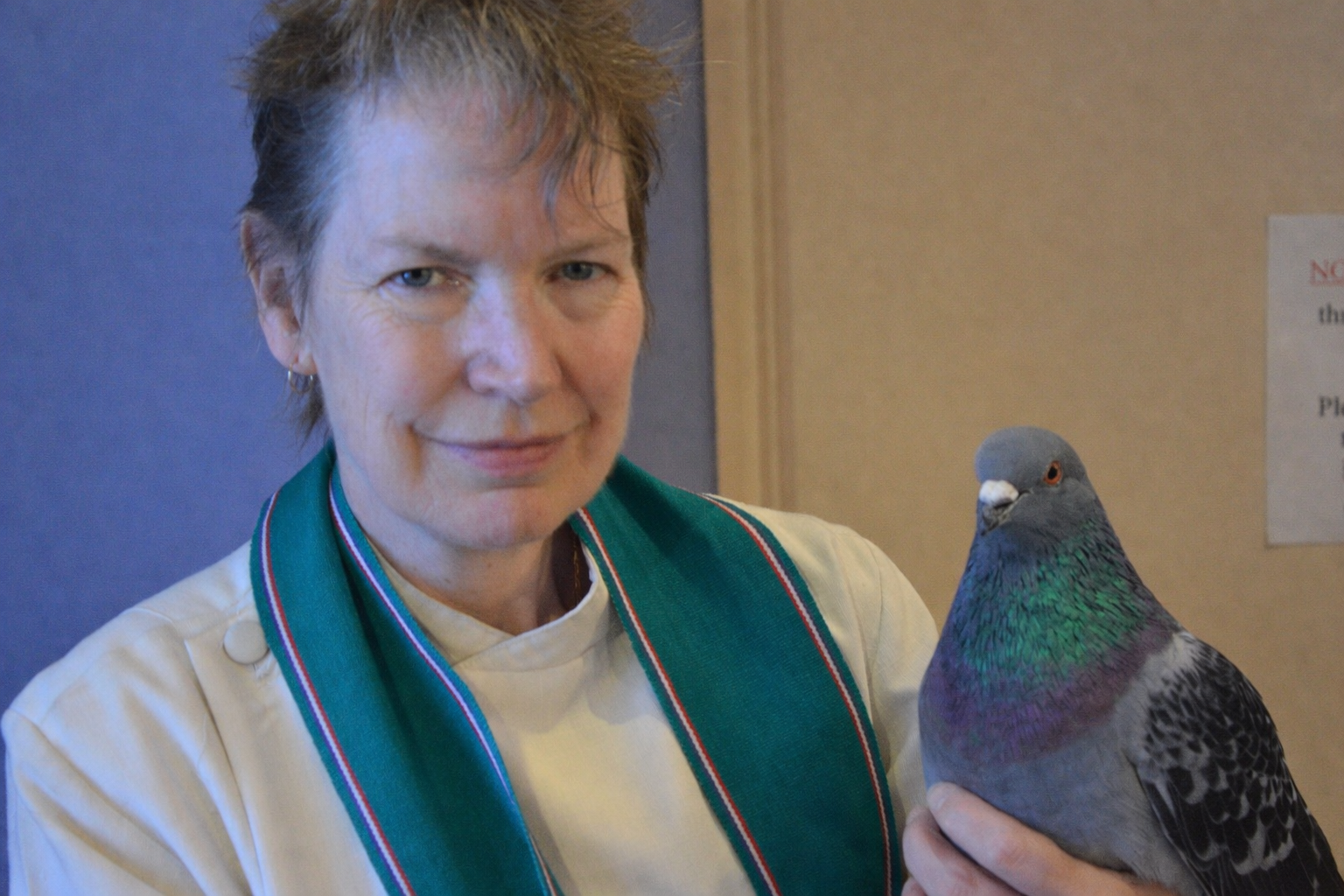
Barbara Allen is a writer and chaplain at Lort Smith Animal Hospital in Melbourne, Australia. She is the author of the book Pigeon, which explores the cultural and historical relationship between humans and pigeons. Allen has also written the picture book I Was There and contributed to publications such as Peace of Mind and Uniting Church Studies.