Pigeon Loft Design Plans | Safe Housing Setup Guide
If you are planning to raise pigeons at home, one of the first things you need is a good setup. That is where pigeon loft design plans come in. A well-designed loft keeps your birds safe, healthy, and comfortable every single day.
I have raised pigeons for years, and I can tell you this from experience. The way you build your loft will directly affect how your pigeons live, breed, and behave. Poor design leads to stress, illness, and constant problems. A good design makes everything easier, from cleaning to feeding to breeding.
When people ask me where to start, I always tell them to think about the loft before they even buy pigeons. The loft is their home. If the home is right, everything else becomes much easier.
Explain the Topic in Simple Terms
Pigeon loft design plans are simply a clear idea or layout of how your pigeon house will look and work. It includes factors such as size, ventilation, nesting space, and the location of food and water.
Think of it like building a small house just for pigeons. You want enough space so they do not feel crowded. You want fresh air so they stay healthy. You also want it to be easy for you to clean and manage.
From my own setup, I learned that even small design changes can make a big difference. For example, adding proper airflow reduced health problems in my birds. Giving each pair its own nesting area helped with breeding and reduced fighting.
A good loft design also supports natural pigeon behavior. Pigeons like to feel secure. They like having their own spot. When your loft matches their natural habits, they stay calmer and more active.
Why This Topic Matters for Pigeon Owners
Many beginners focus too much on buying good pigeons but ignore the loft. That is a mistake I made early on. I had healthy birds, but my loft was poorly designed. The result was stress, poor breeding, and even some cases of pigeon diseases.
A proper pigeon loft design plan helps you:
- Keep your pigeons clean and healthy
- Reduce the risk of disease spreading
- Make feeding and cleaning easier
- Support better breeding results
- Understand pigeon behavior more clearly
Your loft also affects how your birds eat and rest. If feeding space is too tight, stronger pigeons will dominate, and weaker ones will not get enough food. That is why understanding what pigeons eat and how they access food is important when planning your loft.
If you are planning to breed pigeons, your loft design becomes even more important. A good layout supports a smooth setup for pigeon breeding, with proper nesting areas and privacy for each pair.
From my experience, once I improved my loft design, everything changed. My pigeons became more active, breeding improved, and I spent less time dealing with problems.
When I first started working on pigeon loft design plans, I thought any simple shelter would work. I quickly learned that pigeons need more than just a roof over their heads. A good loft must be planned with care so it supports their daily life.
Let me walk you through the main things that matter in a real working loft.
Loft Size and Space
One of the biggest mistakes beginners make is building a loft that is too small. Pigeons need space to move, rest, and avoid each other when needed.
From my experience, each pair should have enough room to sit comfortably without constantly touching other birds. Crowded lofts lead to stress, fighting, and the fast spreading of pigeon diseases.
If you are starting small, it is still smart to plan extra space for future birds. Pigeons multiply quickly if you follow a proper pigeon breeding guide.
Ventilation and Fresh Air
Fresh air is one of the most important parts of any loft design. I cannot stress this enough.
A closed and stuffy loft will make pigeons sick. You will start seeing breathing problems, weak birds, and dirty conditions.
What works best is natural airflow. Openings near the top of the loft allow warm air to escape. Lower openings bring in fresh air. This keeps the air moving without creating strong winds inside.
I always make sure my loft has good airflow, but no direct draft hits the birds. That balance is very important.
Sunlight and Direction
Sunlight keeps pigeons active and helps reduce moisture inside the loft. A damp loft is one of the main reasons for sickness.
I prefer placing the loft where it gets morning sunlight. Early sunlight warms the loft and keeps it dry. It also helps control bacteria naturally.
Avoid placing your loft in a dark corner or under constant shade. Pigeons enjoy light, and it supports natural pigeon behavior.
Nesting Boxes and Sections
If you plan to breed pigeons, nesting space is a must. Each pair needs its own box or section.
In my loft, I give every pair a fixed nesting spot. This reduces fighting and keeps breeding organized. When pigeons feel secure in their space, they raise chicks more successfully.
You can divide the loft into sections if you keep different groups. For example, breeding pairs, young birds, and resting birds can be separated.
Flooring and Cleaning
Cleaning becomes a daily task once you keep pigeons. So your loft design should make this easy.
I prefer a simple floor that cleans quickly. Some people use wooden floors, others use concrete. What matters most is that you can remove waste without too much effort.
A clean loft reduces the chance of pigeon diseases and keeps your birds healthy.
Feeding and Water Setup
Your feeding area should be calm and easy to access. If birds have to fight for food, weaker pigeons will suffer.
I always place feeders in a spot where multiple pigeons can eat at the same time. Clean water should always be available and placed where it does not get dirty easily.
Understanding what pigeons eat helps you plan this better. Different feeds may require different feeder types.
Entry and Safety
Your loft should have a safe entry point for pigeons. If you allow free flying, they need a way to come in and out without stress.
I use a simple trap system so pigeons can enter easily, but cannot escape accidentally when I do not want them to.
Also, always think about protection from predators. Cats, rats, and other animals can harm pigeons if your loft is not secure.
Tips and Common Mistakes
After raising pigeons for years, I can tell you this clearly. Most problems do not come from the birds. They stem from poor loft planning and small mistakes that accumulate over time.
Here are some real tips I follow in my own loft, along with mistakes I learned the hard way.
Keep the Loft Simple
Many beginners try to build a fancy loft with too many features. That is not needed.
A simple, clean, and well-planned loft works much better. Focus on space, airflow, and easy cleaning. That is what pigeons really need.
I once added extra sections that I thought would help. Instead, it made cleaning harder and created hidden dirty spots.
Do Not Overcrowd the Loft
This is one of the biggest mistakes I see.
It feels tempting to keep adding more pigeons once you start enjoying the hobby. But too many birds in a small space leads to stress, fighting, and the fast spread of pigeon diseases.
Give your birds room to breathe and move. You will see better health and calmer behavior.
Always Plan for Cleaning
If your loft is hard to clean, you will avoid cleaning it often. That leads to problems very quickly.
Make sure you can reach every corner easily. I keep my layout open enough so I can clean daily without struggle.
A clean loft is one of the best ways to prevent pigeon diseases and keep birds strong.
Avoid Poor Ventilation
Some people close their loft too much because they want to protect pigeons from the cold or rain.
This creates stale air inside. I made this mistake early on and noticed my pigeons becoming weak and less active.
Fresh air is more important than you think. Just make sure there is no strong wind directly hitting the birds.
Give Each Pair Their Own Space
When breeding pigeons, space matters even more.
If pairs share nesting areas, they will fight. Eggs may get broken. Chicks may not survive.
I always give each pair a fixed nesting box. This keeps things calm and supports a smooth setup for pigeon breeding.
Place Feeders Smartly
If feeders are too small or placed in a tight spot, stronger pigeons will take over.
Weaker birds will stay hungry, even if you are giving enough food.
I use wider feeding areas so all birds can eat together. This also helps you observe what pigeons eat and how each bird feeds.
Watch Your Birds Daily
Your pigeons will show you if something is wrong with your loft.
If they look stressed, sit puffed up, or avoid certain areas, there is usually a reason. It could be poor airflow, too much crowding, or even noise.
Understanding pigeon behavior helps you fix problems early before they become serious.
Protect Against Predators
Never ignore safety.
Even a small gap in your loft can let rats or other animals in. I learned this the hard way when I lost a bird early on.
Use strong wire, secure doors, and check your loft regularly.
Do Not Ignore Weather Conditions
Your loft should protect pigeons from rain, heat, and cold.
Too much heat can stress them. Too much moisture can lead to sickness.
I always make sure my loft stays dry and gets some shade on hot days, while still letting in sunlight in the morning.
Common Mistakes to Avoid
Let me summarise a few mistakes I see again and again:
- Building a loft that is too small
- Ignoring airflow and ventilation
- Skipping regular cleaning
- Mixing too many pigeons in one space
- Not planning proper nesting areas
- Poor feeding setup
- Weak protection from predators
FAQ Section
Here are some common questions I get from beginners when they start working on pigeon loft design plans. I will answer them based on real experience so you can avoid confusion.
How big should a pigeon loft be?
The size depends on how many pigeons you plan to keep. As a simple rule, do not crowd your birds.
I always make sure each pair has enough space to sit, move, and rest without being pushed by others. If you are just starting, build a little bigger than you need. Pigeons breed quickly, especially if you follow a proper pigeon breeding guide.
What is the best material for a pigeon loft?
You can use wood, metal, or a mix of both. I personally prefer wood because it is easier to work with and stays comfortable for the birds.
What matters most is that the loft stays dry, strong, and easy to clean. Avoid materials that trap moisture or are hard to maintain.
How do I keep my pigeon loft clean?
Cleaning should be simple and done regularly.
I clean my loft daily or every other day, depending on how many birds are in it. A good design makes this easy. Open space, simple flooring, and easy access go a long way.
Keeping things clean reduces the risk of pigeon diseases and keeps your birds active.
Do pigeons need sunlight in the loft?
Yes, they do.
Sunlight helps keep the loft dry and healthy. It also supports natural pigeon behavior. I always position my loft so it gets morning sunlight.
Just make sure there’s some shade so pigeons can rest during the hot hours.
Where should I place feeders and water?
Place them where all pigeons can easily reach.
Avoid tight corners where birds fight. I keep feeders in open areas so every pigeon gets a fair chance to eat. Clean water should always be available and kept away from dirt.
Understanding what pigeons eat also helps you decide how much space and how many feeders you need.
Conclusion
Building good pigeon loft design plans is one of the best things you can do for your birds. From my own experience, a well-planned loft makes pigeon keeping much easier and more enjoyable.
When your loft has enough space, fresh air, sunlight, and proper sections, your pigeons stay calm and healthy. You will notice better breeding results, fewer health problems, and less daily stress for you as a keeper.
Always remember, pigeons depend on the space you give them. If the loft is clean, safe, and comfortable, they will reward you with strong behavior, good breeding, and active movement.
Start simple and focus on what really matters. Give your birds room to live naturally. Pay attention to pigeon behavior and adjust your setup when needed. Keep learning about things like what pigeons eat, pigeon diseases, and proper care methods as you grow.
A good loft is not built in one day. It improves over time as you gain experience. The more you observe your pigeons, the better your loft will become.
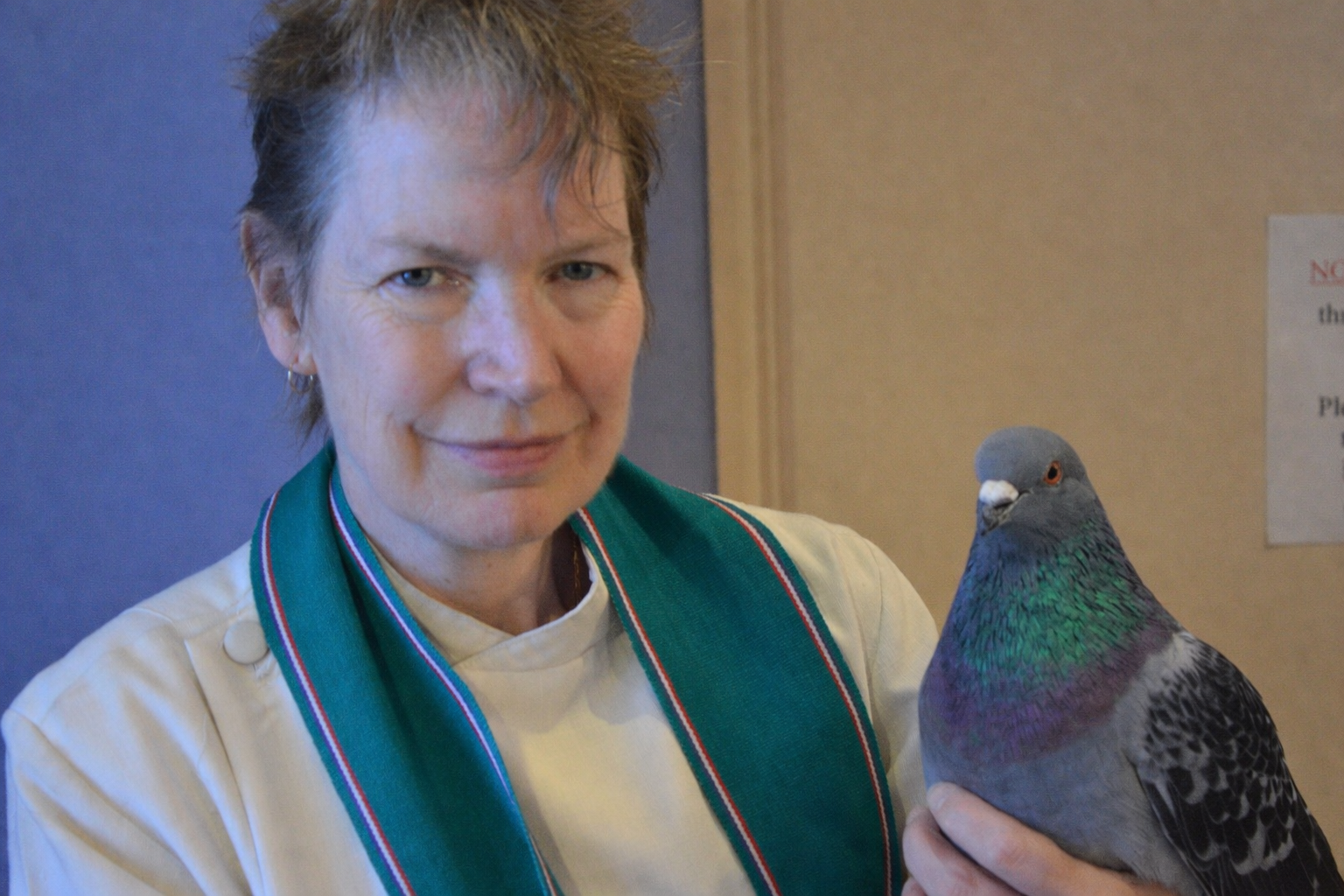
Barbara Allen is a writer and chaplain at Lort Smith Animal Hospital in Melbourne, Australia. She is the author of the book Pigeon, which explores the cultural and historical relationship between humans and pigeons. Allen has also written the picture book I Was There and contributed to publications such as Peace of Mind and Uniting Church Studies.