
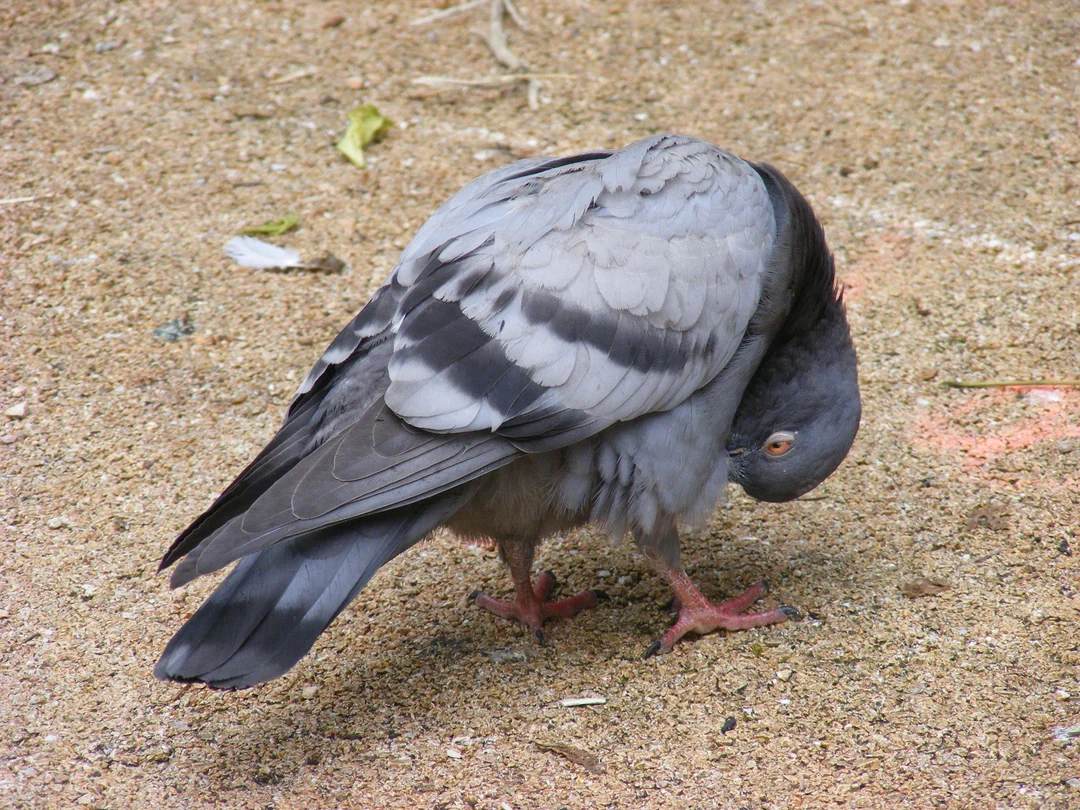
Pigeon Diseases | Common Illness Symptoms Guide
Pigeon diseases are something every pigeon keeper has to deal with at some point. I have raised pigeons for years, and I can tell you that even strong and healthy birds can get sick if you are not careful. The good news is that once you understand the basics, you can prevent most problems and keep your birds in good shape.
When people first start keeping pigeons, they often focus only on feeding and housing. That is important, but health is just as important. A pigeon may look fine one day and then suddenly stop eating or acting normally. That is usually the first sign that something is wrong.
I have seen this happen many times in my own loft. A bird sits quietly in the corner, feathers puffed up, not moving much. If you ignore it, the condition can get worse quickly. That is why learning about pigeon diseases early on can save you a lot of trouble later.
Pigeons are generally strong birds, but they are still sensitive to dirty conditions, poor food, and stress. Simple things like wet floors, overcrowding, or bad ventilation can lead to sickness. This is why understanding both pigeon diseases and pigeon behavior is very important. When you know how a healthy pigeon acts, it becomes easier to spot when something is off.
Why This Topic Matters for Pigeon Owners
If you keep pigeons, their health directly depends on how you care for them. A small mistake can affect the whole flock. I have seen cases where one sick bird spread illness to many others because the owner did not notice the early signs.
Healthy pigeons are active, alert, and always interested in food. They coo, move around, and interact with other birds. When a pigeon gets sick, these habits change. It may stop eating, sit quietly, or isolate itself. These small changes are your warning signs.
Knowing about pigeon diseases helps you act fast. Early action often makes the difference between saving a bird and losing it. It also helps you protect the rest of your flock.
This is especially important if you are also working on things like a pigeon breeding guide or trying to improve your flock. Sick birds do not breed well, and disease can affect eggs and young chicks, too.
Another thing I always tell beginners is this. Good health starts with basic care. Clean water, fresh food, and a dry loft go a long way. If you already understand what pigeons eat and how to manage their space, you are already on the right track. Adding knowledge about pigeon diseases completes the picture.
Once you learn the common signs and causes, you will feel more confident as a pigeon keeper. You will not panic when something happens. Instead, you will know what to look for and what steps to take.
When people talk about pigeon diseases, they often think of something complicated. From my experience, most problems fall into a few common types. Once you learn these, you can handle most situations in your loft.
I always group pigeon diseases into a few main categories. These are infections, parasites, and problems caused by poor care. Let me walk you through the ones I see most often.
Common Pigeon Diseases You Should Know
Respiratory Infections
This is one of the most common issues I have seen. It usually starts when the loft is damp, dusty, or poorly ventilated.
A pigeon with a respiratory problem may:
- Breathe with its mouth open
- Make a soft clicking sound while breathing
- Have watery eyes or a wet nose
- Sit quietly with puffed feathers
I remember one winter when I did not clean the loft as often as I should have. A few birds started showing these signs. Once I improved airflow and cleaned everything properly, things got better.
Canker
Canker is very common, especially in young pigeons. It spreads through water and feeding.
Signs include:
- Yellow growth inside the mouth or throat
- Trouble eating
- Weight loss
If you check your birds regularly, you can catch this early. I always take a quick look inside the beak when I feel something is off.
Worms
Internal parasites are another common problem. You may not see them directly, but the signs are clear.
Look for:
- Weight loss even when the bird eats
- Loose droppings
- Weakness
This often happens when the loft is not cleaned well. I always say that clean floors are one of the best defenses against pigeon diseases.
External Parasites
These include lice and mites. They live on the feathers and skin.
Signs include:
- Constant scratching
- Damaged feathers
- Restless behavior
If you pick up a pigeon and gently check under the wings, you can sometimes see them.
Digestive Problems
Sometimes the issue is not an infection but poor feeding.
If you do not understand what pigeons eat, you may give them food that does not suit them. This can lead to:
- Diarrhea
- Loss of appetite
- Weakness
Good feeding habits play a big role in preventing pigeon diseases.
Practical Pigeon Care Advice
From my daily routine, I can tell you that preventing disease is much easier than treating it.
Here are some simple things I always do:
Keep the Loft Clean
I clean the floor regularly and keep it dry. Wet and dirty conditions are the main cause of many pigeon diseases.
Fresh Water Every Day
I never leave old water in the drinkers. Dirty water spreads disease very fast, especially things like canker.
Do Not Overcrowd
Too many pigeons in a small space can lead to stress-related illnesses. Birds need room to move and rest.
Observe Your Birds Daily
This is the most important habit. I spend a few minutes just watching my pigeons.
If one bird is quiet, not eating, or sitting alone, I take it seriously. Understanding pigeon behavior helps you catch problems early.
Separate Sick Birds
If I notice a sick pigeon, I move it away from the others right away. This simple step has saved many of my birds over the years.
Support During Breeding
If you follow a pigeon breeding guide, you will know that young birds are more sensitive. I always take extra care during breeding time because diseases spread easily among chicks.
Tips and Common Mistakes
When I first started raising pigeons, I made many small mistakes without even realizing it. Over time, I learned that most pigeon diseases do not come out of nowhere. They usually happen because of simple care issues that can be fixed.
Let me share what I have learned from real experience so you can avoid the same problems.
Simple Tips to Keep Your Pigeons Healthy
Watch Your Birds Every Day
This is the most important habit. I spend a few minutes every morning just watching my pigeons.
A healthy pigeon is active, alert, and always ready to eat. If one bird looks quiet, sits alone, or keeps its feathers puffed up, I pay attention right away.
Understanding pig behavior helps you notice problems early before they become serious.
Keep Everything Clean and Dry
Many pigeon diseases start in a dirty loft.
I always make sure:
- The floor is clean
- There is no wet bedding
- Droppings are removed regularly
A dry loft is one of the best ways to prevent sickness.
Give Fresh Food and Clean Water
Food and water are very important for health.
If you already know what pigeons eat, then you know they need clean grains and fresh water every day. I never leave old water sitting for too long.
Dirty water is one of the fastest ways for diseases to spread.
Give Enough Space
Overcrowding causes stress and speeds the spread of disease.
Each pigeon needs space to rest and move. When birds are too close together, even a small illness can spread to the whole flock.
Check New Birds Before Mixing
Whenever I bring a new pigeon, I do not mix it with my main flock right away.
I keep it separate for a few days and watch for any signs of sickness. This simple step has saved my flock more than once.
Extra Care During Breeding
When you follow a pigeon breeding guide, you will notice that young birds are more sensitive.
Chicks can get sick easily, so I always:
- Keep the nest area clean
- Make sure parents are healthy
- Watch feeding closely
Healthy parents usually raise healthy chicks.
Common Mistakes Beginners Make
Ignoring Early Signs
This is the biggest mistake I see.
A pigeon may stop eating or act quiet, and the owner thinks it will get better on its own. Sometimes it does not.
Small signs are often the beginning of pigeon diseases. Acting early can save the bird.
Poor Loft Ventilation
Many beginners keep the loft too closed.
Fresh air is very important. Without it, the air becomes damp and dirty, which leads to breathing problems.
I always make sure air can move through the loft without making it too cold.
Not Cleaning Water Containers
Some people focus on food but forget about water.
Even if the water looks clean, it can still carry germs. I clean drinkers regularly to stay safe.
Mixing Sick Birds with Healthy Ones
This spreads disease very fast.
If one bird looks sick, it should be separated right away. Waiting even one day can affect other pigeons.
Feeding Poor Quality Food
Low-quality or spoiled grains can cause digestive problems.
Good feeding is part of disease prevention. Knowing what pigeons eat and giving the right mix makes a big difference.
Skipping Regular Checks
Some people only check their pigeons when there is a problem.
I have learned that daily observation is better than reacting late. It helps you stay ahead of pigeon diseases instead of chasing them.
FAQ Section
What are the first signs of pigeon diseases?
The first signs are usually small behavioral changes. A pigeon may stop eating, sit quietly, or look less active than usual. You might also notice puffed feathers or loose droppings.
From my experience, the biggest clue is behavior. If a pigeon is not acting like the others, something is wrong. This is why understanding pigeon behavior is so helpful. It lets you catch problems early.
Can pigeon diseases spread to other birds quickly?
Yes, they can spread very fast, especially in a crowded loft.
Diseases like canker or respiratory infections often spread through water, food, or close contact. I have seen one sick bird affect several others within a few days.
That is why I always separate a sick pigeon as soon as I notice something off. It protects the rest of the flock.
How can I prevent pigeon diseases naturally?
The best prevention comes from daily care.
I always focus on:
- Clean and dry the loft
- Fresh food and water
- Enough space for each bird
- Regular observation
If you already follow good habits like knowing what pigeons eat and keeping their space clean, you are already preventing many pigeon diseases without even thinking about it.
Do young pigeons get sick more easily?
Yes, young pigeons are more sensitive.
During breeding time, I pay extra attention. When you follow a pigeon breeding guide, you learn that chicks depend fully on their parents and the environment.
If the loft is dirty or the parents are weak, young birds can quickly get sick. Clean nests and healthy parents make a big difference.
When should I take a sick pigeon seriously?
Always take it seriously as soon as you notice a change.
If a pigeon is not eating, sitting alone, or looking weak, do not wait too long. Early action is very important when dealing with pigeon diseases.
In my loft, I treat every unusual behavior as a warning sign. It is better to act early than regret it later.
Conclusion
Pigeon diseases are something every pigeon keeper faces sooner or later. The good thing is that most problems can be prevented with simple daily care and attention.
From my own experience, the biggest difference comes from small habits. Clean water, fresh food, and a dry loft go a long way. These are basic things, but they protect your birds more than anything else.
I have learned that watching your pigeons every day is the real key. You start to understand their normal pigeon behavior. Once you know how a healthy bird acts, it becomes much easier to spot when something is wrong.
If you see early signs and act quickly, you can avoid bigger problems. Many pigeon diseases start small, and catching them early can save your bird and protect the rest of your flock.
Also, remember that good care is connected. When you understand what pigeons eat, keep your loft clean, and follow a proper pigeon breeding guide, you are already building a strong foundation for healthy birds.
At the end of the day, pigeons depend on you. The more attention and care you give them, the healthier and more active they will be. That is what makes pigeon keeping enjoyable and rewarding.
Barbara Allen is a writer and chaplain at Lort Smith Animal Hospital in Melbourne, Australia. She is the author of the book Pigeon, which explores the cultural and historical relationship between humans and pigeons. Allen has also written the picture book I Was There and contributed to publications such as Peace of Mind and Uniting Church Studies.
2 Comments