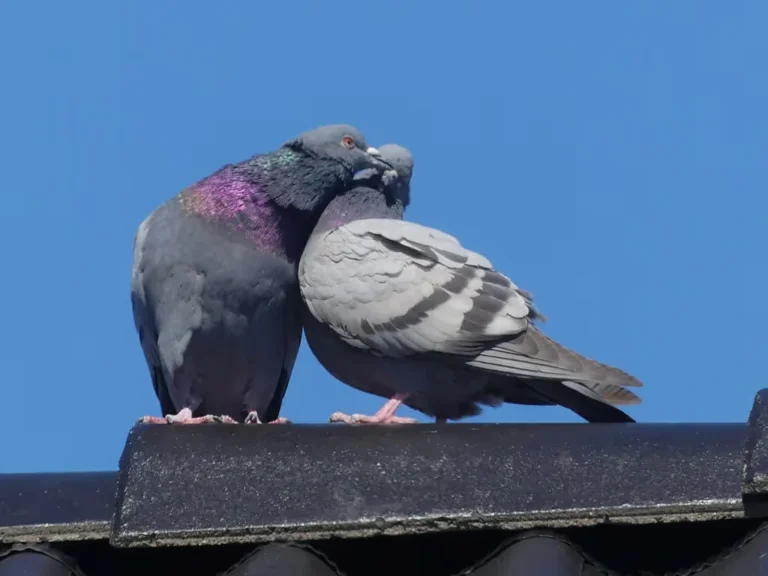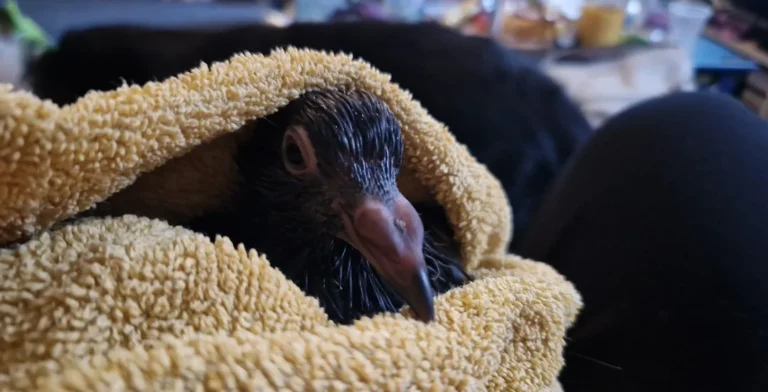
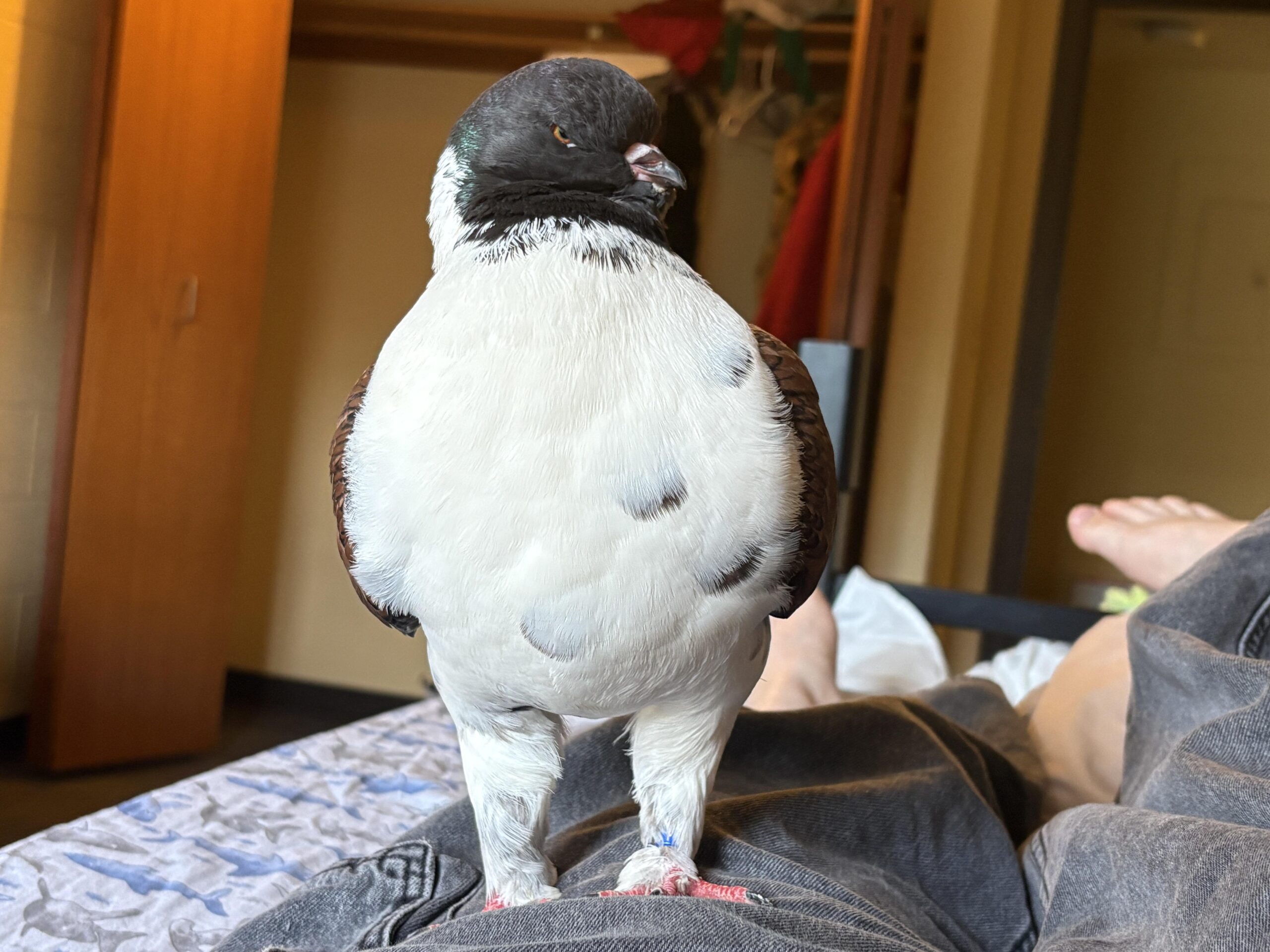
Modena Pigeon | Breed Characteristics And Care Guide
The Modena pigeon is one of those breeds that really stand out when you see them up close. I still remember the first time I brought a pair home. They looked strong, round, and full of personality. Unlike many other pigeons, they do not fly much. They spend most of their time on the ground, walking around like they own the place.
If you are considering raising pigeons, the Modena breed is a great place to start. It is known for its calm nature, beautiful colors, and unique body shape. Many people keep them for show, but they can also be kept as friendly backyard birds if you understand their needs.
Over the years, I have raised different pigeon breeds, but Modenas always feel special. They are easy to handle and quickly get used to their owners. That makes them a good choice for beginners who want a bird that is not too wild or hard to manage.
Explain the Topic in Simple Terms
A Modena pigeon is a fancy pigeon breed that comes from Italy. It has a short body, a wide chest, and a bold posture. When you look at one, it almost looks like a small, muscular bird with a proud stance.
These pigeons are not strong flyers like racing pigeons. Instead, they prefer to stay close to the ground. Because of that, they are often kept in enclosed spaces, such as lofts or aviaries, where they can walk safely.
They come in many different colors and patterns. Some are solid in color, while others have beautiful markings. This is one of the reasons why people enjoy breeding them. If you follow a proper pigeon breeding guide, you can produce some really stunning birds over time.
From my own experience, Modena pigeons are also quite active and curious. They like to explore their space, peck around for food, and interact with other pigeons. They are not aggressive, but they do have a confident attitude that makes them fun to watch.
Why This Topic Matters for Pigeon Owners
Understanding the Modena pigeon is important before you decide to keep one. These birds have different needs compared to flying breeds. If you treat them like regular pigeons that need open sky, you may run into problems.
Since they are not strong flyers, they need a safe and secure place to live. Ground safety becomes very important. You have to protect them from predators and make sure their living area is clean and dry.
Feeding also plays a big role. Just like with other breeds, you need to know what pigeons eat to keep them healthy. A balanced diet helps them maintain their strong body and good feather condition.
Health is another area you cannot ignore. Modena pigeons are generally hardy, but they can still face common pigeon diseases if the loft is dirty or overcrowded. Good hygiene and regular observation can save you a lot of trouble.
Their behavior is also worth understanding. Learning about pigeon behavior helps you notice small changes. If a Modena pigeon becomes quiet or stops eating, that is often the first sign that something is wrong.
For anyone who wants a calm, good-looking, and easy-to-manage pigeon, the Modena pigeon is a solid choice. With the right care and a bit of patience, they can become one of the most enjoyable birds you keep.
When you start raising a Modena pigeon, the first thing you notice is how different they are from flying breeds. These birds are built for looks and ground movement, not for long flights. Their bodies are compact and strong, with a wide chest and short wings. Because of this, they stay close to home and do not try to fly away.
In my loft, Modena pigeons spend most of their time walking around, pecking at the ground, and interacting with each other. They are active but not wild. They move with confidence, and once they get used to you, they are not afraid to come close.
One important thing to understand is that Modena pigeons need a different setup than racing pigeons. Since they do not fly much, you should not rely on open loft systems. They do best in a safe enclosure where they can move freely without danger.
Another thing I have learned over time is that these pigeons are very good for selective breeding. If you follow a proper pigeon breeding guide, you can improve their color, pattern, and body shape over generations. Many breeders take pride in producing perfect Modena pigeons for shows.
They also tend to bond well in pairs. Once a male and female pair up, they usually stay together and raise chicks without much trouble. Their parenting is decent, but you still need to keep an eye on them during breeding.
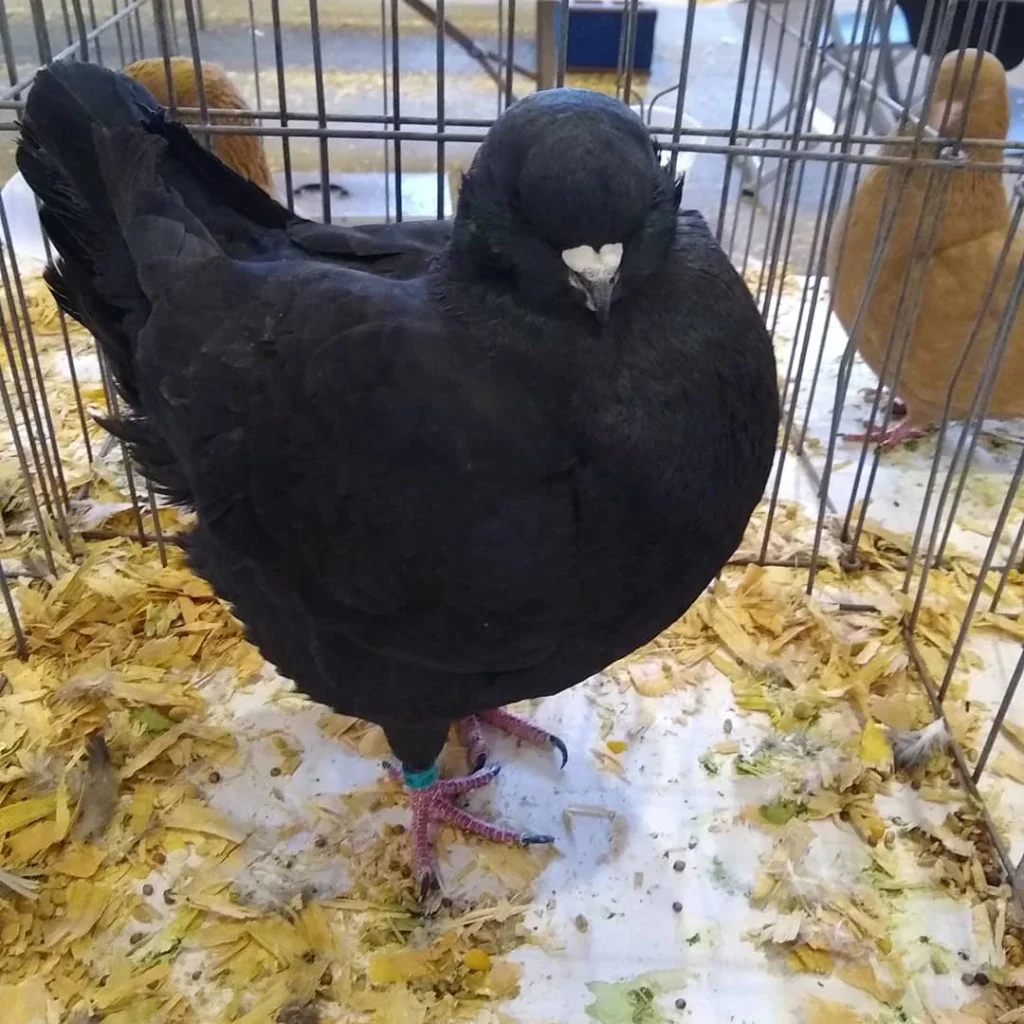
Practical Pigeon Care Advice
Housing and Space
For Modena pigeons, ground space matters more than height. I always make sure my loft has enough floor area so they can walk comfortably.
Keep these points in mind:
• Use a clean and dry loft with good ventilation
• Add soft bedding like straw or wood shavings
• Make sure the floor is easy to clean
• Protect the loft from rats, cats, and other predators
Since they are not strong flyers, avoid high perches. Low platforms work better for them.
Feeding
Feeding a ModenaModena pigeon is simple if you understand what pigeons eat. I usually give a mix of grains like corn, wheat, peas, and small seeds.
A few tips from my routine:
• Feed them twice a day at fixed times
• Always provide clean drinking water
• Add grit to help digestion
• Give greens sometimes for extra nutrition
Do not overfeed. These pigeons can gain weight easily because they are less active in flight.
Cleanliness and Health
Cleanliness is one of the most important parts of keeping Modena pigeons healthy. A dirty loft is the fastest way to invite pigeon diseases.
Here is what I follow:
• Clean droppings daily or every other day
• Change water every day
• Disinfect the loft regularly
• Watch for signs like dull feathers or low activity
If you understand basic pigeon diseases, you can catch problems early and treat them before they spread.
Breeding and Nesting
Modena pigeons breed well if you give them a calm and safe environment. I always provide nesting boxes that are low and easy to access.
During breeding:
• Give each pair its own nesting space
• Provide nesting material like straw
• Do not disturb them too much
• Check the eggs gently
They usually lay two eggs and take care of their chicks. If you follow a good pigeon breeding guide, you can increase your success rate and raise strong young birds.
Understanding Their Behavior
Learning pigeon behavior helps you become a better keeper. Modena pigeons are calm but alert. They like routine and feel safe when things are consistent.
From my experience:
• They recognize their feeding time quickly
• They respond to familiar voices
• They stay close to their group
• Sudden silence often means something is wrong
Once you spend time watching them every day, you start to understand their habits. That is the best way to keep them healthy and stress-free.
Tips and Common Mistakes
After raising Modena pigeons for years, I can tell you that small details make a big difference. Many beginners start with excitement, but they miss a few basic things that can cause problems later.
Let me share some real tips that have helped me, along with mistakes I see people make often.
Helpful Tips for Raising Modena Pigeons
Keep Them Safe on the Ground
Since Modena pigeons do not fly much, they depend on you for safety. I always make sure the floor area is secure.
• Use a wire mesh that predators cannot get through
• Check for holes or gaps in the loft
• Keep the area dry to avoid foot problems
Ground safety is more important for this breed than for flying pigeons.
Follow a Daily Routine
Pigeons love routine. My modenas know exactly when it is feeding time, and they stay calm because of it.
• Feed at the same time every day
• Clean the loft on a schedule
• Observe them during feeding
This simple habit helps you notice changes in pigeon behavior very quickly.
Watch Their Weight
This is something many people ignore. Modena pigeons can gain weight easily.
• Do not give too much corn
• Balance the grain mix properly
• Let them move freely in their space
A healthy moModenaigeon should look strong, not fat.
Give Them Fresh Air and Sunlight
Even though they stay on the ground, they still need fresh air and sunlight.
• Make sure the loft has good airflow
• Allow some sunlight to enter
• Avoid damp and dark spaces
Fresh air helps prevent pigeon diseases and keeps their feathers in good condition.
Be Patient During Breeding
Breeding Modena pigeons takes time. Do not rush the process.
• Let pairs bond naturally
• Avoid disturbing nesting birds
• Learn from a proper pigeon breeding guide
Patience leads to healthier chicks and better results over time.
Common Mistakes to Avoid
Treating Them Like Flying Pigeons
One of the biggest mistakes I see is people expecting Modena pigeons to behave like racing pigeons.
They are not built for flying. If you release them in open areas, they may not return or may become easy targets.
Always keep them in a controlled and safe space.
Overcrowding the Loft
Too many pigeons in a small space leads to stress and sickness.
• Fights can break out
• Diseases spread faster
• Weak birds suffer the most
Give each bird enough room to move and rest comfortably.
Ignoring Early Signs of Illness
Pigeons do not always show obvious signs when they are sick. You have to pay attention.
Watch for:
• Loss of appetite
• Sitting quietly in a corner
• Fluffed up feathers
These can be early signs of pigeon diseases. Acting early can save your bird.
Poor Feeding Habits
Some beginners either overfeed or give the wrong type of food.
• Too much food leads to obesity
• Poor quality grains affect health
• Lack of grit causes digestion problems
Understanding what pigeons eat is key to raising strong and active birds.
Not Observing Daily Behavior
This is something I always tell new pigeon keepers. Spend time watching your birds.
If you understand normal pigeon behavior, you will quickly notice when something is off.
Even small changes can tell you a lot.
FAQ Section
What makes a Modena pigeon different from other pigeons?
The Modena pigeon stands out because of its body shape and behavior. It has a short, round body and a wide chest. It looks strong and compact compared to many other breeds.
From my experience, the biggest difference is that they do not fly much. While many pigeons love to fly high and far, Modena pigeons prefer to stay on the ground. They walk around more than they fly, which makes them easier to manage in a controlled space.
They are also popular for their colors and patterns, especially among breeders who follow a pigeon breeding guide.
Are Modena pigeons good for beginners?
Yes, they are a good choice for beginners. I often recommend them to new pigeon keepers.
They are calm, easy to handle, and do not try to fly away like racing pigeons. This makes them less stressful to manage, especially if you are starting.
However, beginners still need to learn basic care, such as what pigeons eat, how to keep the loft clean, and how to watch for signs of pigeon disease. With a little effort, Modena pigeons can be very rewarding to raise.
Do Modena pigeons need a lot of space?
They do need space, but not in the same way as flying pigeons.
Instead of needing height for flying, they need enough ground space to walk comfortably. I always focus on providing them with a clean, open floor area.
Avoid overcrowding. Each pigeon should have enough room to move freely. This helps reduce stress and keeps their behavior calm.
What do Modena pigeons eat?
Modena pigeons eat a simple grain-based diet. I usually feed a mix of corn, wheat, peas, and small seeds.
You should also provide:
• Clean drinking water every day
• Grit for digestion
• Occasional greens for extra nutrition
Understanding what pigeons eat helps keep them healthy and active. Avoid overfeeding, as Modena pigeons can gain weight easily.
Are Modena pigeons easy to breed?
Yes, they are fairly easy to breed if you provide the right setup.
They usually form strong pairs and take care of their eggs and chicks. I have had success by giving them a quiet space and proper nesting material.
Still, it helps to follow a pigeon breeding guide so you can avoid common mistakes and improve your results over time.
Conclusion
The Modena pigeon is one of those breeds that can really change how you feel about pigeon keeping. It is calm, strong, and full of character. Once you spend time with them, you start to enjoy their simple habits and steady nature.
From my own experience, they are not difficult to raise, but they do need the right setup. Since they are not strong flyers, you have to focus more on ground safety and a clean living space. A well-managed loft makes a big difference in their health and behavior.
Feeding them properly is just as important. If you understand what pigeons eat and keep their diet balanced, you will see them stay active and in good condition. Clean water, good grains, and a little care go a long way.
You also need to pay attention to their daily behavior. Learning pigeon behavior helps make small changes early. That is often the key to preventing bigger problems, especially when it comes to pigeon diseases.
If you are interested in breeding, moModenaigeons can be a great choice. With patience and the help of a good pigeon breeding guide, you can raise healthy birds and even improve their quality over time.
At the end of the day, raising Modena pigeons is about consistency and care. Give them a safe place, feed them well, and spend time observing them. They will reward you with calm behavior, beautiful looks, and a very enjoyable pigeon-keeping experience.

Barbara Allen is a writer and chaplain at Lort Smith Animal Hospital in Melbourne, Australia. She is the author of the book Pigeon, which explores the cultural and historical relationship between humans and pigeons. Allen has also written the picture book I Was There and contributed to publications such as Peace of Mind and Uniting Church Studies.