English Short Faced Tumbler | Fancy Pigeon Breed Guide
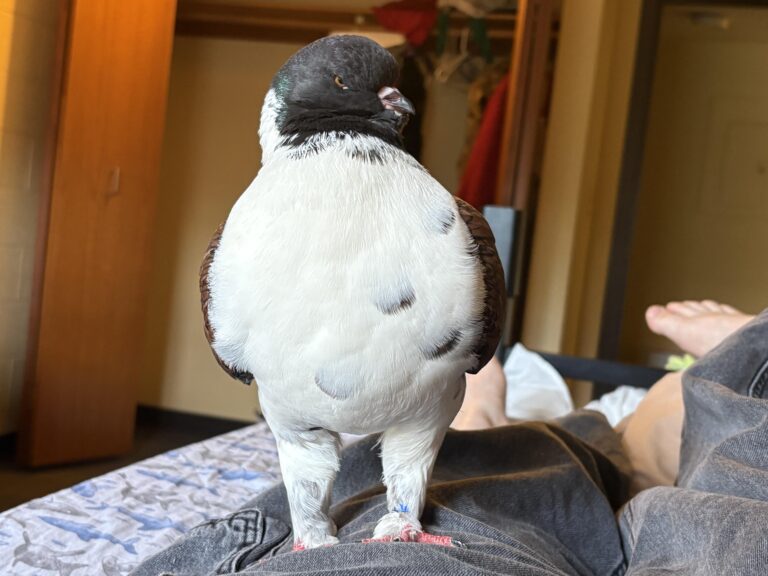
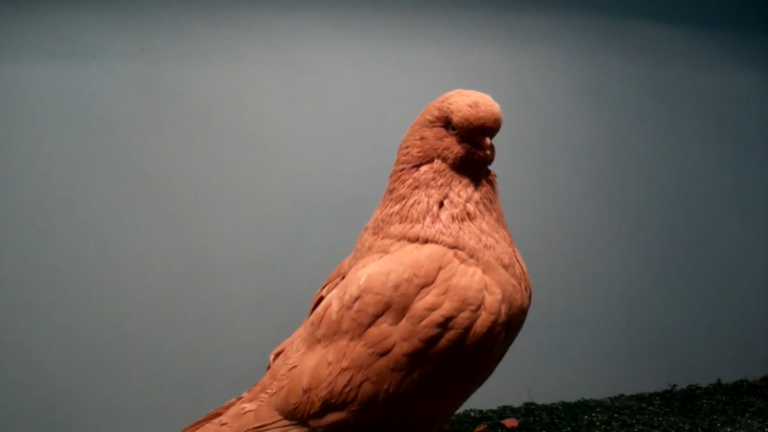
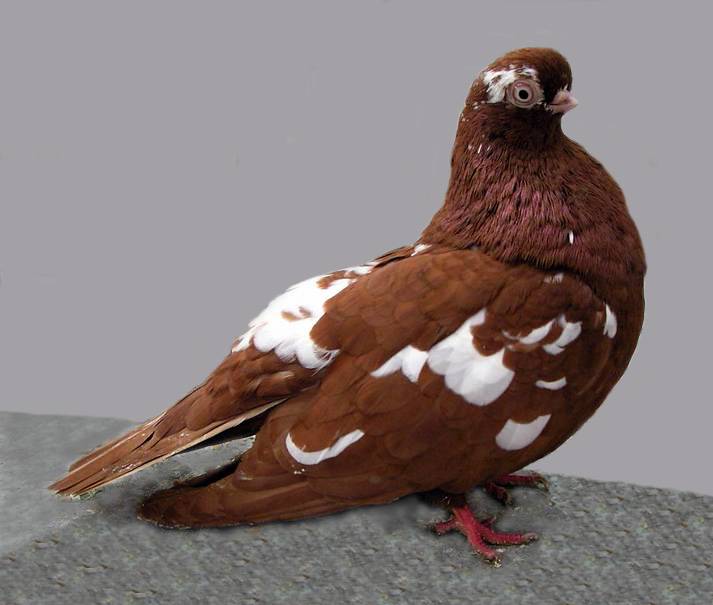
If you have ever seen an English short-faced tumbler, you probably noticed its unique look right away. The face is very small and round, and the head looks almost like a little ball. I still remember the first time I brought one into my loft. It stood out from every other pigeon I had.
The English short-faced tumbler is not just about looks. It is a fancy pigeon that has been carefully bred for many years. These birds are popular among serious pigeon keepers who enjoy raising special breeds. But they are also a bit more challenging compared to regular pigeons.
From my experience, this breed needs more attention, especially in feeding and breeding. If you treat them like common pigeons, you may run into problems. That is why understanding this breed before you start is very important.
Explain the Topic in Simple Terms
The English short-faced tumbler is a fancy pigeon breed known for its very short beak and round head shape. Because of this short beak, the bird looks cute and different, but it also affects how the pigeon eats and raises its young.
These pigeons are not strong flyers like racing pigeons. They are mostly kept for show and breeding. Many pigeon keepers enjoy them because of their appearance and the challenge of raising them properly.
One thing I always tell beginners is this. These pigeons are not the easiest to manage. Their short face can make feeding chicks difficult. Sometimes they cannot feed their babies properly without help. That is why many keepers use foster parents, which are other pigeons that help raise the chicks.
If you are already learning about what pigeons eat or exploring a pigeon breeding guide, you will notice that this breed needs a slightly different approach compared to normal pigeons.
Why This Topic Matters for Pigeon Owners
Learning about the English short-faced tumbler is important because it is not a beginner-friendly breed. I have seen many new pigeon keepers get excited by the look of these birds, buy a pair, and then struggle later.
If you understand their needs early, you can avoid common mistakes. You can plan proper feeding, breeding support, and daily care. This will save you time, money, and stress.
This breed also teaches you a lot about pigeon behavior. You start to notice how different breeds act in the loft. You also learn more about breeding techniques and how to manage weak or delicate birds.
Another important reason is health. Because of their special face shape, they can sometimes be more sensitive. Knowing the basics of pigeon diseases and how to prevent them is even more important with this breed.
From my own loft, I can say this clearly. When you take care of English short-faced tumblers the right way, they can be very rewarding. They are calm, beautiful, and a joy to watch. But they need a keeper who understands them.
The English short-faced tumbler is a breed that needs careful handling from day one. I learned this the hard way when I first started keeping them. They look strong and healthy, but they are actually more delicate than common pigeons.
The most important thing to understand is their beak. Because it is very short, they cannot feed as easily as other pigeons. You will notice that they take more time at the feeder. Some birds may even struggle to pick up certain grains.
That is why I always use a softer, smaller-grain mix for them. If you already know what pigeons eat, then you know pigeons usually handle mixed grains well. But with this breed, I avoid large, hard grains. I prefer small peas, millet, and soft grains that are easier to pick.
Another thing is breeding. This is where many people face problems. The English short-faced tumbler often cannot feed its own chicks properly. The beak is too short to pass food easily. So what happens is the chicks may become weak or even die if you leave them alone with the parents.
In my loft, I always keep a pair of strong feeder pigeons. These are usually common pigeons or homers, both of which are good parents. When the tumbler lays eggs, I move the eggs under the feeder pair. This method has saved many chicks for me.
If you follow a good pigeon breeding guide, you will see that this method is very common for fancy breeds. It may feel like extra work, but once you get used to it, it becomes part of your routine.
Practical Pigeon Care Advice
Feeding Tips That Actually Work
Feeding is where you need to pay the most attention.
I feed my English short-faced tumblers twice a day: morning and evening. I always check if each bird is eating properly. If one bird looks slow or weak, I separate it and make sure it gets enough food.
Here are some tips I follow every day:
- Use smaller grains that are easy to pick
- Avoid very hard or large corn pieces
- Keep clean water available at all times
- Add vitamins once or twice a week
Clean water is very important. These birds are sensitive, and dirty water can quickly lead to pigeon diseases. I clean the water pots daily.
Loft Setup and Comfort
These pigeons do not need a large flying space, but they do need a clean and calm loft.
I keep them in a section where they are not disturbed by aggressive birds. Mixing them with very active or strong pigeons can cause stress. They are gentle birds and prefer a quiet environment.
Make sure:
- The loft is dry and well ventilated
- Nest boxes are clean and comfortable
- There is no overcrowding
Overcrowding is a big mistake. It leads to stress and can spread diseases quickly.
Breeding Care in Real Life
Breeding English short-faced tumblers needs planning.
When I see a pair getting ready to breed, I prepare foster parents in advance. Timing is very important. The eggs should be moved when both pairs are at the same stage.
Here is what I usually do:
- Let the tumbler pair lay eggs
- Move the eggs under the feeder pigeons within a day
- Let the feeder pair raise the chicks
This method gives the chicks a much better chance to grow strong.
You will also learn a lot about pigeon behavior during this time. Watching how different breeds care for chicks teaches you what works and what does not.
Health and Daily Observation
I always spend a few minutes just watching my pigeons. This simple habit helps a lot.
Look for signs like:
- Sitting quietly and not moving much
- Not eating with the group
- Fluffed feathers for long periods
These can be early signs of pigeon diseases. If you catch problems early, treatment becomes much easier.
Keeping the loft clean is your best defense. I clean droppings regularly and keep the area dry.
From my experience, prevention is always better than treatment.
Tips and Common Mistakes
When I first started raising English short-faced tumblers, I made a few mistakes that cost me time and some good birds. Over the years, I learned what works and what does not. If you are starting, these tips will save you a lot of trouble.
Simple Tips That Make a Big Difference
Pay Close Attention to Feeding
Do not assume every bird is eating well. I always watch them during feeding time. Some birds may act normally but still eat very little.
A simple trick I use is this. I check the crop of a few birds after feeding. If the crop feels empty, that bird needs extra attention.
This small habit helps prevent weak birds and health issues later.
Use Foster Parents Early
Do not wait until the chicks are weak to take action. If you are serious about breeding English short-faced tumblers, set up foster parents from the start.
This is something many beginners ignore. They hope the parents will manage, but often they cannot.
Following a proper pigeon breeding guide will show you how important this step is.
Keep the Loft Calm and Stress Free
These pigeons do not like stress. Loud noise, too many birds, or aggressive pigeons can affect their health.
I always keep them in a quiet section of my loft. This helps them stay relaxed and breed better.
Watch Their Daily Behavior
You learn a lot just by watching your birds. Healthy pigeons are active, alert, and interested in food.
If a bird sits quietly for too long or avoids the group, something is wrong. Understanding pigeon behavior helps you catch problems early.
Common Mistakes Beginners Make
Treating Them Like Regular Pigeons
This is the biggest mistake I see.
People buy English short-faced tumblers and care for them like common pigeons: same feed, same setup, same breeding method.
This usually leads to weak birds or failed breeding.
This breed needs special care. Once you accept that, things become easier.
Ignoring Beak Limitations
Their short beak is not just a look. It affects how they eat and feed chicks.
If you give them large grains or expect them to raise chicks on their own, you will face problems.
Always adjust feeding and breeding based on their beak size.
Poor Loft Hygiene
Dirty lofts cause many pigeon diseases. Fancy breeds like this are even more sensitive.
I have seen birds fall ill just because the water wasn’t changed regularly.
Keep things simple:
- Clean water daily
- Remove droppings often
- Keep nesting areas dry
Good hygiene saves birds.
Overcrowding the Loft
Too many pigeons in a small space creates stress and spreads disease.
Give each pair enough room. This improves breeding success and keeps birds healthy.
Not Learning Before Buying
Many people buy this breed because it looks beautiful. But they do not first learn about its needs.
Before getting these pigeons, it helps to understand topics like what pigeons eat, pigeon diseases, and basic breeding methods.
From my experience, learning first and buying later always works better.
FAQ Section
How hard is it to raise an English short-faced tumbler?
From my experience, this breed is not easy for beginners. They need more attention than regular pigeons.
The biggest challenge is feeding and breeding. Because of their short beak, they may struggle to feed their chicks. If you are willing to learn and use foster parents, you can manage them well. But if you want a simple and low-effort pigeon, this is not the best choice.
Can English short-faced tumblers raise their own babies?
Sometimes they try, but most of the time they cannot do it properly.
I have seen a few pairs manage for a short time, but the chicks often become weak. That is why I always use strong feeder pigeons to raise the chicks. This method gives much better results and keeps the young birds healthy.
If you are following a pigeon breeding guide, you will see that using foster parents is common with this breed.
What do English short-faced tumblers eat?
They eat grains like other pigeons, but the size and type of grain matter a lot.
I always use smaller and softer grains. Large hard grains can be difficult for them to pick up. Clean water is also very important.
If you are learning what do pigeons eat, remember to adjust the feed slightly for this breed, so it is easier for them to handle.
Are English short-faced tumblers good flyers?
No, they are not strong flyers.
These pigeons are mainly kept for their looks and breeding. They may fly a little inside the loft or a small area, but they are not like racing pigeons or high flyers.
If your goal is flying performance, you should look at other breeds.
Are they more prone to diseases?
They are not weak by nature, but they can be more sensitive if not properly cared for.
Poor hygiene, dirty water, or stress can quickly lead to pigeon diseases. That is why I always focus on cleanliness and daily observation.
If you keep the loft clean and feed them properly, they can stay healthy like any other pigeon.
Conclusion
Raising an English short-faced tumbler is a unique experience. These pigeons are not like the common birds you see every day. They need more care, more planning, and more attention.
From my own time in the loft, I can tell you this. If you treat them properly, they are very rewarding to keep. Their calm nature and special look make them stand out. But if you ignore their needs, especially their feeding and breeding needs, you will quickly face problems.
The most important things to remember are simple. Use the right type of feed, keep the loft clean, and always plan for breeding support. Using foster parents is not a shortcut. This is the correct way to raise strong, healthy chicks with this breed.
Also, take time to learn. Understanding topics like what pigeons eat, pigeon breeding guide methods, pigeon behavior, and basic pigeon diseases will help you become a better keeper. These small pieces of knowledge make a big difference over time.
If you are patient and willing to learn, the English short-faced tumbler can become one of your favorite pigeons in the loft. I still enjoy watching mine every day. They remind me that good pigeon keeping is not just about having birds. It is about understanding them and caring for them the right way.

Barbara Allen is a writer and chaplain at Lort Smith Animal Hospital in Melbourne, Australia. She is the author of the book Pigeon, which explores the cultural and historical relationship between humans and pigeons. Allen has also written the picture book I Was There and contributed to publications such as Peace of Mind and Uniting Church Studies.