Old German Owl Pigeon | Breed Traits And Care Guide
If you have ever seen an old German owl pigeon up close, you know how special this bird looks. The small size, round body, and short beak give it a very unique appearance. I still remember the first time I brought a pair into my loft. They stood quietly, watched everything, and quickly became one of my favourite breeds.
The old German owl pigeon is not just about looks. It is a calm and friendly bird that fits well in small lofts and backyard setups. Many beginners choose this breed because it is easier to manage than larger or more aggressive pigeons.
From my own experience, these pigeons do best when you keep things simple. Clean space, good food, and a stress-free environment make a big difference. Once they settle in, they become very gentle and even start recognizing your routine.
Explain the Topic in Simple Terms
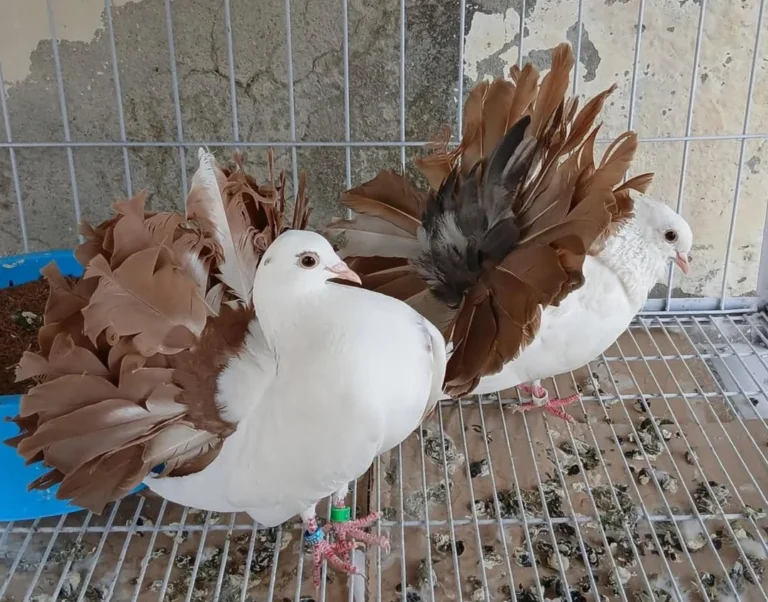
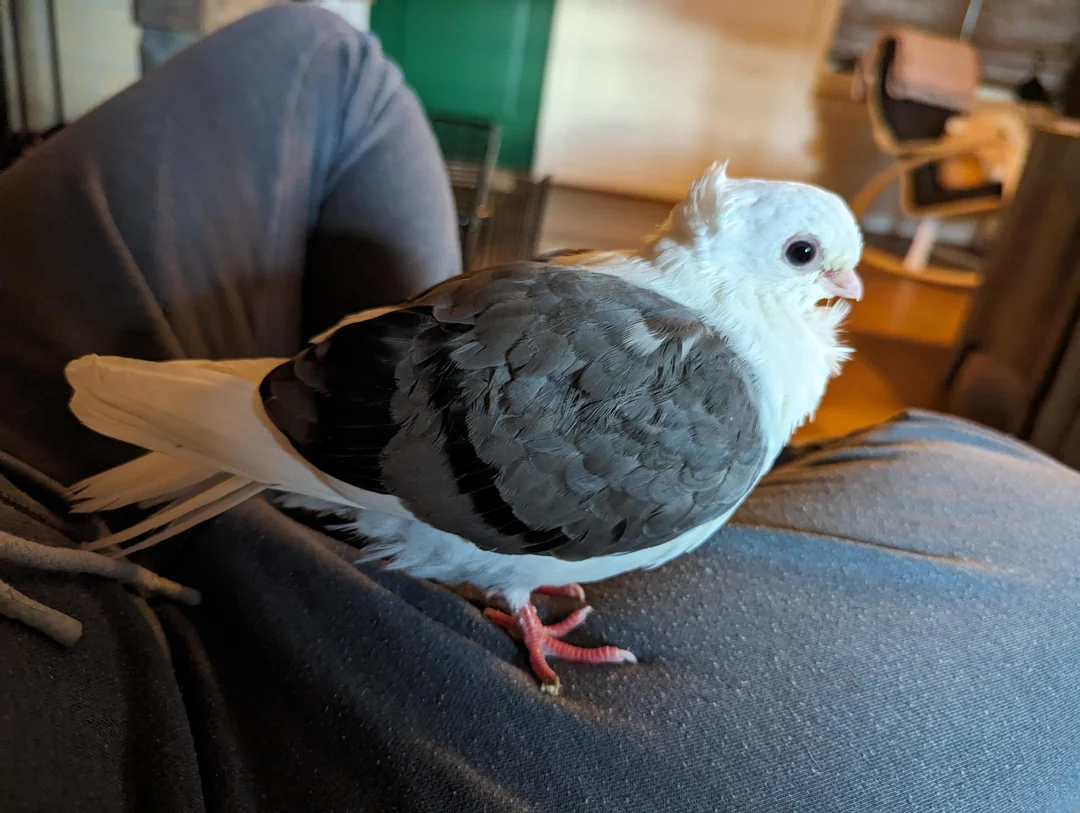
The Old German Owl is a fancy breed of pigeon developed in Germany many years ago. It is known for its short face, rounded chest, and a small crest of feathers on the chest called a frill. That frill is what gives it an owl-like look.
These pigeons are small in size but full of personality. They are not strong flyers like racing pigeons. Instead, they are kept mainly for their beauty and calm nature. If you enjoy watching your birds closely, this breed is perfect.
One thing I always tell new pigeon keepers is this. Do not judge a pigeon only by its appearance. The old German owl pigeon may look delicate, but it can still be hardy if cared for properly. The key is understanding their needs and maintaining a clean, steady environment.
Why This Topic Matters for Pigeon Owners
Choosing the right pigeon breed can make your experience either enjoyable or stressful. The old German Owl Pigeon is a great choice for beginners, but only if you understand how to care for it properly.
I have seen many new owners make simple mistakes. They treat all pigeons the same, but this breed needs a bit more attention, especially when it comes to feeding and breeding. Their short beak can sometimes make feeding young birds more challenging.
That is why it helps to learn basic topics like what pigeons eat, a simple pigeon breeding guide, and how to spot early signs of pigeon diseases. Also, understanding pigeon behavior helps you notice when something is off.
When you take the time to learn these basics, raising old German owl pigeons becomes a very rewarding experience. They are peaceful birds, easy to handle, and a joy to watch every day.
I will share what has worked for me over the years so you can avoid common problems and keep your birds healthy and happy.
When you start keeping the old German owl pigeon, you quickly notice that this breed behaves differently from common street pigeons or racing types. They are calmer, less active in flight, and more comfortable staying close to their home.
In my loft, these pigeons spend more time perching and walking around than flying long distances. They enjoy a quiet space. Loud noise or too much disturbance can stress them. I always keep their section of the loft peaceful, and that alone keeps them healthy.
One important thing to understand is their short beak. It gives them that cute look, but it can also make feeding young birds a bit tricky. Sometimes the parents struggle to feed their chicks properly. This is something you need to watch closely during breeding season.
They also have a compact body and soft feathers. Because of this, they are not as tough as some other breeds. Good hygiene and proper care matter a lot more with them.
Practical Pigeon Care Advice
Feeding the Old German Owl Pigeon
Feeding is one area where I always pay extra attention. These pigeons do best on a clean and balanced grain mix.
I usually give a mix of:
- Wheat
- Corn in small pieces
- Peas
- Millet
Since their beak is short, I avoid very large or hard grains. Smaller grains are easier for them to pick up and digest.
Fresh water is just as important. I change water daily. Dirty water is one of the fastest ways pigeons get sick.
If you are new, it helps to learn more about what pigeons eat so you can adjust the diet as needed.
Loft Setup and Space
The old German Owl Pigeon does not need a large flying space, but it does need a clean, dry loft.
Here is what works best for me:
- Good airflow without strong wind
- Dry floor at all times
- Separate nesting areas for each pair
- Perches that are not too high
I clean the loft regularly. Even a small amount of dirt can lead to problems over time. This breed is sensitive, so hygiene is very important.
Breeding and Raising Young
Breeding these pigeons can be very rewarding, but it requires patience.
Because of their short beak, some pairs may not feed their babies well. I always check the chicks daily during the first week. If I see a chick not getting enough food, I step in early.
Some pigeon keepers use foster parents from other breeds. I have done this a few times, and it works well.
If you want to go deeper, a basic pigeon breeding guide can help you understand pairing, nesting, and chick care.
Health and Daily Observation
I spend a few minutes every day just watching my birds. This is one of the best habits you can build.
Healthy old German owl pigeons will:
- Move calmly but actively
- Eat regularly
- Keep their feathers smooth and clean
If I notice a bird sitting alone, looking puffed up, or not eating, I act quickly. These are early signs that something may be wrong.
Learning about common pigeon diseases helps you catch problems before they become serious.
Understanding Their Behavior
These pigeons are gentle by nature. They do not fight much and usually get along well in small groups.
They also get used to your presence over time. In my loft, they stay calm even when I walk in. Some even come closer when they see me bringing food.
Understanding pigeon behavior helps you build trust with your birds. When they feel safe, they stay healthier and breed better.
Tips and Common Mistakes
After raising old German owl pigeons for a while, you start to notice small things that make a big difference. These birds are not difficult, but they do need the right approach. I have made mistakes myself in the beginning, so I will share what I learned the hard way.
Helpful Tips for Better Results
Keep Their Environment Calm
These pigeons like a peaceful space. If the loft is too noisy or crowded, they get stressed. Stress affects feeding, breeding, and overall health.
I always keep them separate from aggressive breeds. Mixing them with stronger pigeons can cause problems.
Use the Right Feed Size
Because of their short beak, food size matters a lot. I once gave a mix with large corn, and they struggled to eat properly.
Now I always use smaller grains. It makes feeding easier and keeps them in good condition.
If you are unsure about diet, learning more about what pigeons eat can really help you adjust things correctly.
Check Chicks Daily During Breeding
This is one of the most important tips I can give. Do not assume the parents are feeding the chicks properly.
Every time I have chicks, I gently check them. A well-fed chick will feel full and warm. If the crop is empty, you need to act quickly.
This is where understanding a pigeon breeding guide becomes very useful.
Keep Water Fresh Every Day
Dirty water is a silent problem. You may not notice it at first, but it can lead to sickness.
I change water daily without fail. Clean water keeps digestion smooth and reduces the risk of disease.
Watch Behavior Closely
Your pigeons will tell you a lot if you pay attention. A healthy bird moves normally and stays active.
If a pigeon sits alone or looks puffed up, something is wrong. Learning basic pigeon behavior helps you notice these early signs.
Common Mistakes to Avoid
Treating Them Like Strong Flying Breeds
Many beginners think all pigeons are the same. That is not true.
The old German pigeon is not built for long flights or rough conditions. If you treat them like racing pigeons, they will struggle.
Keep their lifestyle simple and safe.
Ignoring Feeding Problems in Parents
This is a big mistake I see often. Because of the short beak, some parents cannot feed chicks well.
If you ignore this, the chicks may become weak or die. Always check early and be ready to help.
Overcrowding the Loft
Too many pigeons in a small space leads to stress and fighting.
Even though this breed is calm, overcrowding can still cause problems. Give each pair enough room to live comfortably.
Poor Loft Cleaning Habits
Skipping cleaning today may save time, but it creates bigger problems later.
Dirty lofts lead to pigeon diseases, and once the disease spreads, it is hard to control. I learned this the hard way in my early days.
Now I stick to a simple cleaning routine and rarely face health issues.
Not Learning the Basics
Some people jump into pigeon keeping without learning the basics.
Simple knowledge about feeding, breeding, and health goes a long way. Topics like pigeon diseases and pigeon behavior are not just theory. They help you take better care of your birds every day.
FAQ Section
Are old German owl pigeons good for beginners?
Yes, they are a good choice for beginners if you are willing to give them a little extra attention. They are calm, easy to handle, and do well in small lofts.
From my experience, beginners enjoy them because they are not aggressive and they settle quickly. Just remember to focus on proper feeding and cleanliness. Learning basic pigeon behavior also helps you better understand them.
Do old German owl pigeons need special food?
They do not need anything fancy, but food size matters. Because of their short beak, they prefer smaller grains like millet, small peas, and broken corn.
I always avoid large, hard grains. A simple balanced mix works best. If you want to go deeper, understanding what pigeons eat will help you adjust their diet as needed.
Can old German owl pigeons raise their own chicks?
Some pairs can raise their chicks without any problem. But others may struggle because of their short beak.
I always check the chicks daily during the first week. If I see feeding issues, I step in early. Some pigeon keepers use foster parents, and that can work very well.
A basic pigeon breeding guide can help you prepare for these situations.
Are old German owls strong fliers?
No, they are not strong flyers. They are mostly kept for their looks and calm nature.
In my loft, they prefer to stay close and do short flights. They are not like racing pigeons that fly long distances. Keeping them in a safe and secure space is important.
How do I know if my pigeon is sick?
You can often tell by watching their behavior. A healthy pigeon stays active, eats well, and keeps its feathers smooth.
If a bird looks puffed up, sits alone, or stops eating, something is wrong. Acting early makes a big difference. Learning about common pigeon diseases helps you recognize these signs quickly.
Conclusion
Keeping the old German owl pigeon has been one of the most enjoyable parts of my pigeon journey. They are calm, beautiful, and easy to handle once you understand their needs.
What I have learned over time is simple. These pigeons do best when you keep things clean, quiet, and consistent. They do not need anything complicated. Good food, fresh water, and a stress-free loft go a long way.
Their short beak is the only real challenge. It affects how they eat and how they feed their chicks. If you stay alert during breeding, you can avoid most problems. A little daily observation makes a big difference.
I always tell new pigeon keepers this. Spend time watching your birds. You will learn more from their behavior than from any guide. When you understand pigeon behavior, feeding habits, and the early signs of pigeon diseases, you become a better keeper.
If you are juarting, the Old German Owl Pigeon is a great choice. They are gentle birds that bring a sense of peace to your loft. With the right care, they stay healthy and reward you with a very satisfying pigeon-keeping experience.
Take it slow, keep learning, and enjoy the process. That is how I built my loft, and it is what I recommend to anyone who wants to raise pigeons the right way.
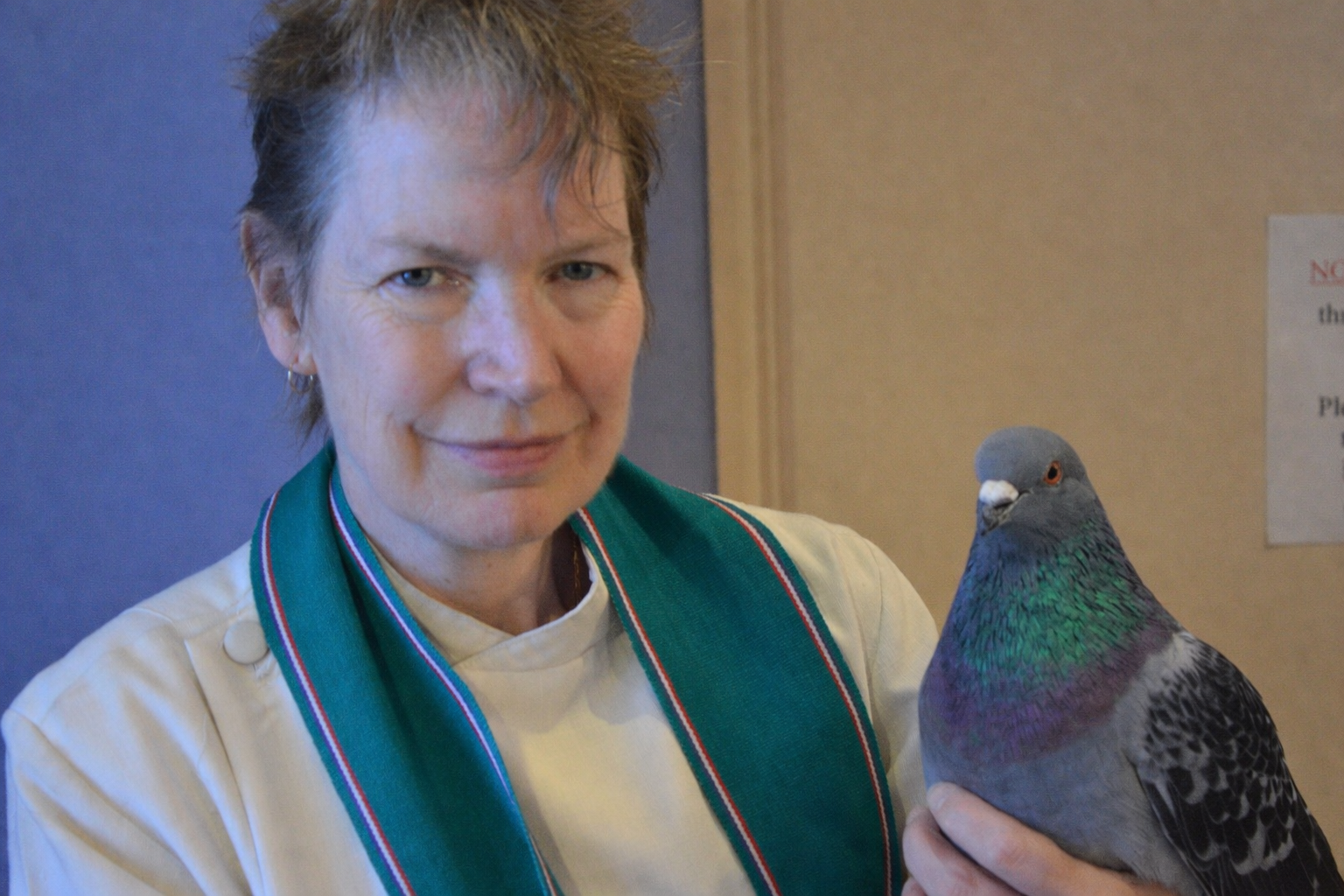
Barbara Allen is a writer and chaplain at Lort Smith Animal Hospital in Melbourne, Australia. She is the author of the book Pigeon, which explores the cultural and historical relationship between humans and pigeons. Allen has also written the picture book I Was There and contributed to publications such as Peace of Mind and Uniting Church Studies.