How Do Pigeons Reproduce | Pigeon Breeding Guide
If you are raising pigeons or planning to start, one of the first things you will wonder is how pigeons reproduce. I still remember when I first saw my own pair go through the whole process. It taught me a lot about their behavior and how simple yet organized their breeding cycle really is.
Pigeons reproduce in a very natural and steady way. Once you understand it, you will see that they are one of the easiest birds to breed at home. They form strong pairs, build nests, lay eggs, and raise their babies together. Both the male and female play a role, which makes things much easier for us as keepers.
From my own experience, the biggest mistake beginners make is failing to recognize the early signs of breeding. They often miss small changes in pigeon behavior, such as the male chasing the female or bringing nesting material. These small signs tell you that breeding is about to start. When you notice them early, you can prepare a proper nesting space and avoid problems later.
Understanding how pigeons reproduce also helps you take better care of your birds. You will know when to improve their diet, when to give them quiet space, and how to protect eggs and chicks. This connects closely with topics like what do pigeons eat and pigeon breeding guide, since good feeding and setup make a big difference in successful breeding.
Another reason this matters is health. Breeding pigeons need extra care. If you ignore hygiene or miss early signs of pigeon diseases, it can affect both parents and babies. I have learned this the hard way, so now I always keep a close eye during breeding time.
When you understand their natural cycle, everything becomes easier. You stop guessing and start working with the birds, not against them. That is when pigeon keeping becomes truly enjoyable.
How Do Pigeons Reproduce Step by Step
From what I see in my own loft, pigeons follow a clear, natural cycle. Once you understand each step, you will be able to manage breeding without stress.
Courtship and Pair Bonding
Everything starts with the male. He puffs up his chest, makes a soft cooing sound, and walks in circles around the female. Sometimes he chases her a bit. This is normal pigeon behavior.
If the female accepts him, she stays close and responds calmly. After that, they become a pair. Pigeons usually stay loyal to one partner, which makes breeding much easier over time.
Real tip from my loft: Do not disturb them too much during this stage. If you keep touching or moving them, they may delay pairing.
Nest Building
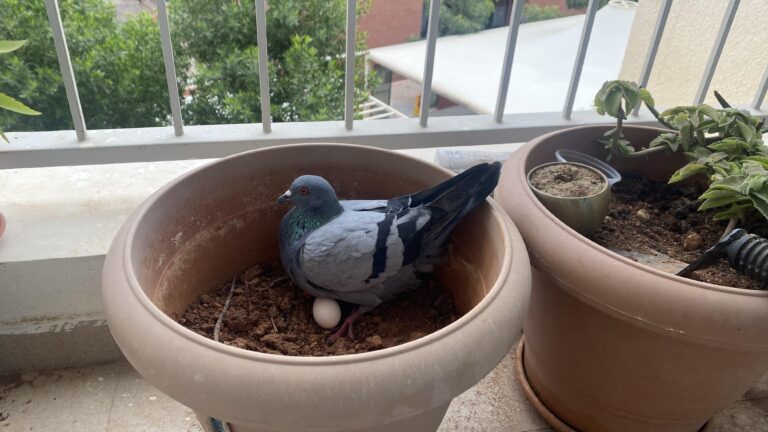
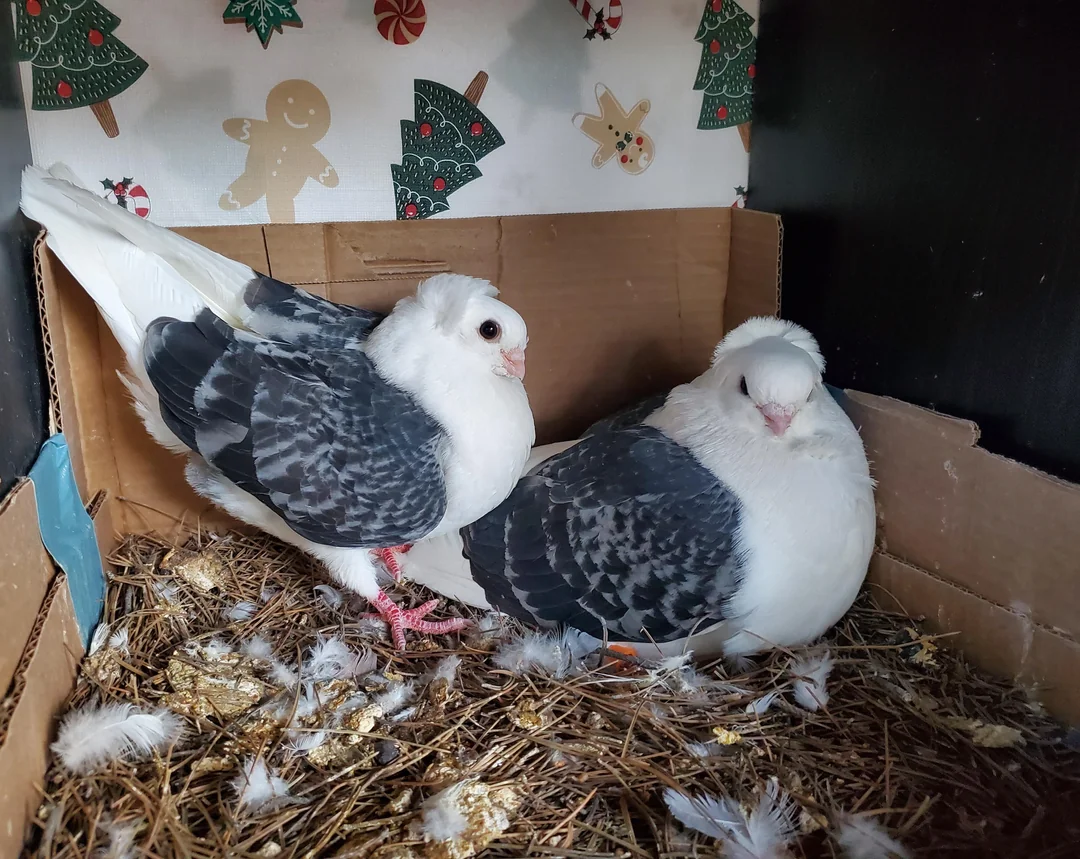
Once the pair is formed, the male starts bringing small sticks or straw. The female arranges them into a simple nest.
I always give them a nest box with dry straw. If you do not provide proper nesting material, they will still try to build a nest, but it may be weak and unsafe for eggs.
This is where a good pigeon breeding guide setup really helps.
Mating Process
After bonding, mating happens quickly and often. You may see the male mount the female for a few seconds. This can happen several times over a few days.
You do not need to interfere here. Just make sure the birds are healthy and well-fed.
Egg Laying
The female usually lays two eggs. The first egg comes, and then the second one about a day later.
From my experience, healthy pigeons almost always lay two eggs. If they do not, it can be a sign of stress or poor nutrition.
Incubation
Both parents share the work. This is something I always admire about pigeons.
The male usually sits on the eggs during the day. The female takes the night shift. This continues for about 17 to 19 days.
Important care tip: Keep the nesting area quiet. Too much disturbance can cause them to abandon the eggs.
Hatching and Feeding the Chicks
When the eggs hatch, the babies are called squabs. They are small, yellow, and helpless at first.
Both parents feed them a special milk from their crop. This is why proper feeding is so important before breeding. It connects directly with what pigeons eat.
After a few days, the parents slowly start giving them softened grains.
From my own experience: Always check that both parents are feeding the chicks. If not, the babies can become weak very quickly.
Practical Pigeon Care Advice During Breeding
Give Proper Nutrition
Breeding pigeons need strong nutrition. I always increase the quality of feed during this time.
Include grains like corn, peas, and wheat. Clean water is a must every day.
Healthy food leads to strong eggs and healthy chicks.
Keep the Loft Clean
Cleanliness is very important. Dirty conditions can lead to pigeon diseases, especially when chicks are present.
I clean nesting areas regularly but gently, so I do not disturb the parents too much.
Provide Enough Space
Each pair should have its own space. If too many pigeons are crowded together, they may fight or break eggs.
Giving each pair a proper nest box solves most problems.
Watch Their Behavior Closely
Your birds will tell you everything if you pay attention.
If a pigeon looks weak, stops eating, or avoids the nest, something may be wrong. Early action can save both the parents and the chicks.
Tips and Common Mistakes
When you start breeding pigeons, small details make a big difference. I learned many of these lessons by making mistakes in my early days. If you follow these tips, you can avoid a lot of problems and raise healthy birds.
Practical Tips From My Experience
Choose Healthy Breeding Pairs
Always start with strong and active pigeons. Healthy birds breed better and raise stronger chicks.
Look for bright eyes, smooth feathers, and good energy. If a pigeon looks weak or quiet all the time, do not use it for breeding.
This also connects to pigeon diseases. Sick birds should never be part of your breeding group.
Give Extra Nutrition Before Breeding
I always improve the diet before the breeding season starts.
Add more protein-rich grains, such as peas and lentils. Fresh, clean water is very important. You can also give minerals, such as grit, to help with egg formation.
Good feeding is closely related to what pigeons eat. Strong parents mean strong chicks.
Provide a Safe and Quiet Nest Area
Pigeons need peace during breeding. If the loft is noisy or crowded, they may stop sitting on eggs or even abandon them.
Each pair should have its own nest box. I never let other pigeons disturb a breeding pair.
Observe Daily Without Disturbing
You should check your birds every day, but do it calmly.
I usually watch from a distance first. If I see something unusual, then I check closely.
This helps you better understand pigeon behavior and catch problems early.
Keep a Simple Breeding Record
This is something many beginners ignore.
I keep track of which pair laid eggs, when they hatched, and how the chicks are growing. It helps a lot if you plan to improve your flock over time.
Common Mistakes Beginners Make
Disturbing the Nest Too Much
One of the biggest mistakes is checking the nest again and again.
I understand the excitement, but too much handling can stress the parents. Sometimes they may leave the eggs.
Check only when needed and keep it quick.
Poor Feeding During Breeding
Some people keep feeding the same basic diet during breeding.
This often leads to weak eggs or slow-growing chicks. Breeding pigeons need better nutrition than usual.
Ignoring Cleanliness
A dirty loft can quickly lead to pigeon diseases.
I have seen chicks get sick just because the nest area was not clean. Always keep things dry and fresh.
Overcrowding the Loft
Too many pigeons in a small space creates stress.
They may fight, break eggs, or disturb nesting pairs. Giving enough space solves many problems before they even start.
Not Watching the Parents
Sometimes, one parent may stop feeding the chicks.
If you do not notice this early, the babies can become weak. Always observe how both parents are behaving after hatching.
Final Thought for This Part
Breeding pigeons is not hard once you understand their needs. Most problems come from small mistakes that are easy to fix.
If you focus on good care, clean space, and proper feeding, your pigeons will do the rest naturally.
FAQ Section
How often do pigeons reproduce
From my experience, pigeons can reproduce many times a year when conditions are favorable.
A healthy pair can raise a new set of chicks every 4 to 6 weeks. As soon as the chicks grow a bit, the parents often start preparing for the next round.
But I always give my birds some rest after a few cycles. Too much breeding can make them weak over time.
How many eggs do pigeons lay each time
Most pigeons lay two eggs per cycle. This is very common.
If you see only one egg, it could be due to stress, poor feeding, or health issues. That is why proper care and nutrition are very important during breeding.
Do both parents take care of the babies
Yes, and this is one of the best things about pigeons.
Both the male and female feed the chicks and keep them warm. The male usually helps during the day, while the female takes care at night.
This shared effort makes pigeon breeding much easier compared to many other birds.
How long does it take for pigeon eggs to hatch
Pigeon eggs usually hatch in about 17 to 19 days.
During this time, both parents sit on the eggs to keep them warm. Try not to disturb them too much, or it can affect the hatching process.
What should I do if pigeons stop breeding
If your pigeons stop breeding, check a few basic things first.
Make sure they are getting proper food. Look at their behavior and overall health. Also, check if the loft is too crowded or noisy.
Sometimes, small changes like better feeding or a quieter space can bring them back into breeding condition.
Conclusion
If you have been wondering how pigeons reproduce, the good news is that it is simple once you see it in real life. They follow a natural cycle that repeats itself when the conditions are right.
From pairing to nest building, egg laying, and raising chicks, everything works like a team effort between the male and female. That is one reason I enjoy keeping pigeons so much. They do most of the work on their own when you support them properly.
The key is to focus on the basics. Give them good food, keep the loft clean, and provide a calm place to breed. Pay attention to pigeon behavior, and you will quickly learn what your birds need.
Also, remember that breeding success is closely connected to other areas, such as what pigeons eat, proper breeding setup, and the prevention of pigeon diseases. When all these things come together, your pigeons will stay healthy and raise strong chicks.
From my own experience, patience is very important. Do not rush the process. Let the birds follow their natural rhythm and step in only when needed.
Once you understand how pigeons reproduce, you will feel more confident and enjoy the whole journey much more.
Barbara Allen is a writer and chaplain at Lort Smith Animal Hospital in Melbourne, Australia. She is the author of the book Pigeon, which explores the cultural and historical relationship between humans and pigeons. Allen has also written the picture book I Was There and contributed to publications such as Peace of Mind and Uniting Church Studies.