How Many Eggs Do Pigeons Lay | Breeding Facts
If you have ever kept pigeons or even just watched a pair closely, you may have wondered how many eggs pigeons lay. This is one of the first questions new pigeon keepers ask me when they start raising birds.
From my own daily experience in the loft, pigeons are very consistent breeders. Once a pair bonds, they follow a simple and reliable pattern. That is why understanding their egg-laying habits is so important if you plan to breed them or grow your flock.
Most beginners expect pigeons to lay many eggs like chickens. But pigeons are very different. Their breeding system is more focused on raising a small number of healthy babies instead of producing many eggs at once. When I first started, I was surprised by this too.
Knowing how many eggs pigeons lay helps you plan better. It helps you prepare nesting boxes, manage breeding pairs, and make sure both parents can properly care for their young. It also helps you avoid mistakes that can stress your birds.
I have seen many new keepers worry when they only see one or two eggs. They think something is wrong. But in most cases, everything is perfectly normal. Understanding this early saves a lot of confusion.
This topic also connects with other important parts of pigeon care. For example, what pigeons eat plays a big role in egg production. A healthy diet supports strong eggs and healthy chicks. You will also notice changes in pigeon behavior when a pair is ready to lay eggs. They become more protective and spend more time around the nest.
If you are planning to breed pigeons, or if your birds have already started nesting, learning about their egg-laying pattern will make your life much easier. It will also help your pigeons stay healthy and stress-free.
Main Explanation of the Topic
When people ask me how many eggs pigeons lay, the answer is very simple from real experience.
A healthy pigeon pair usually lays two eggs per cycle.
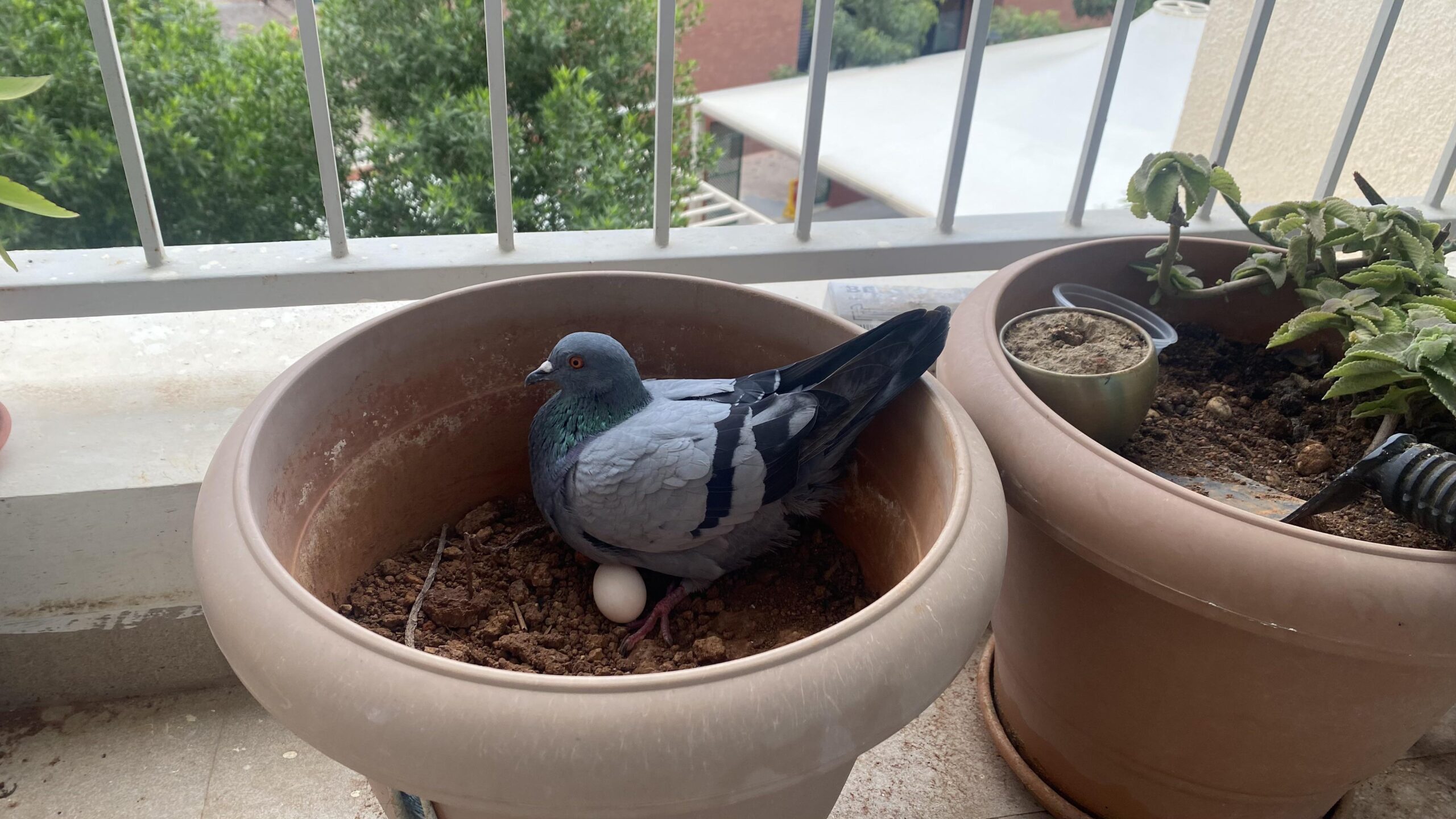
I see this again and again in my own loft. Once a male and female bond, they prepare a nest together. After mating, the female lays the first egg. Then about one day later, she lays the second egg. After that, she stops. It is almost always two eggs.
It is rare to see only one egg, but it can happen if the bird is young, stressed, or not getting proper nutrition. I have also seen cases where a pair lays only one egg during their first breeding attempt. As they mature, they usually settle into the normal pattern of two eggs.
Seeing three eggs is very uncommon. In most cases, if you see more than two eggs in one nest, it means another female has laid in the same spot.
Why pigeons lay only two eggs
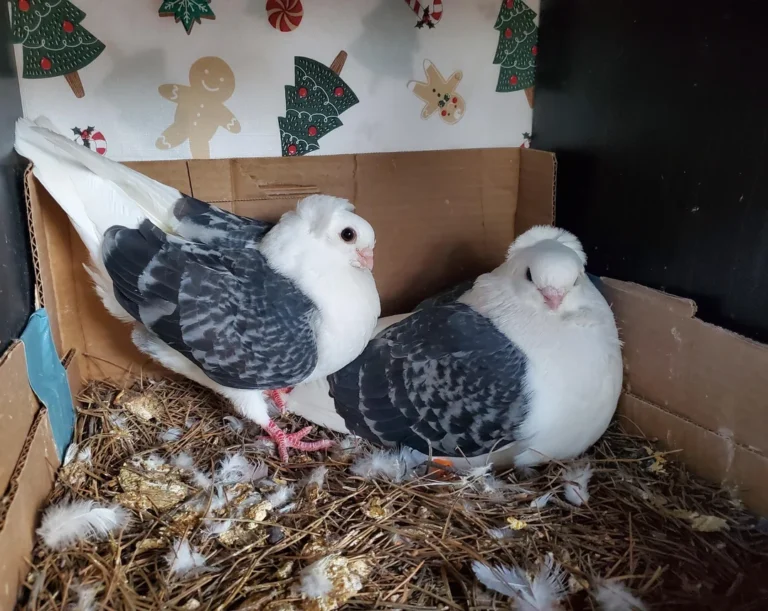
Pigeons are very dedicated parents. Both the male and female take turns sitting on the eggs. The male usually sits during the day, and the female takes the night shift. This teamwork is something I observe every day.
Because both parents are involved, they can only properly manage a small number of eggs. Two eggs allow them to:
• Keep the eggs warm evenly
• Feed both chicks properly after hatching
• Protect the nest without getting overwhelmed
If pigeons laid more eggs, they would struggle to care for all the babies. Nature keeps it simple, so the survival rate stays high.
Egg-laying cycle and timing
After the pair mates, the female usually lays the first egg within about 8 to 10 days. The second egg follows roughly 44 hours later.
Once both eggs are laid, incubation begins. This is when you will see clear changes in pigeon behavior. The birds become calm, focused, and very protective of their nest.
From my experience, the eggs hatch in about 17 to 18 days. Both parents continue to share duties during this time.
How often do pigeons lay eggs
This is something many beginners do not expect.
Pigeons can lay eggs multiple times in a year if conditions are right. In a well-managed loft, a pair can go through several breeding cycles.
After the chicks grow and leave the nest, the pair often starts again. Sometimes they even prepare a new clutch while still feeding older chicks. I have seen this many times.
But this depends on:
• Proper feeding
• Clean environment
• Good health
• Low stress
If you want consistent breeding, you must pay attention to what pigeons eat. A strong diet with grains and clean water makes a big difference.
Practical Pigeon Care Advice
From my own experience, managing eggs is not just about counting them. It is about properly supporting the pair.
Provides a safe, able nesting area.
Pigeons like quiet and secure spaces. I always provide a clean nest bowl or a simple nesting box. If the nest feels unsafe, the birds may delay laying or abandon eggs.
Do not disturb the nest too much.
This is a mistake I made early on. I used to check eggs too often. Some pigeons get stressed and may even leave the nest.
Now I only check gently and quickly when needed.
Watch the health of the female.
Egg laying takes energy. If the female looks weak or thin, she may struggle. This can also increase the risk of pigeon diseases, especially during breeding season.
Make sure she gets enough food and rest.
Support with proper feeding
Good nutrition is key. A mix of grains works well. Fresh water must always be available.
When pigeons are breeding, I slightly increase the quality of feed. This helps both egg production and chick growth.
Observe behavior changes
You will learn a lot just by watching your birds.
Before laying eggs, pigeons become more attached to their nesting spot. The male may start bringing nesting materials. The female spends more time sitting quietly.
Tips and Common Mistakes
When you raise pigeons for some time, you start to notice small things that make a big difference. Egg laying is simple in theory, but beginners often make a few common mistakes. I have made some of these myself when I first started.
Here are practical tips from real loft experience that will help you manage pigeon eggs the right way.
Let the pair bond naturally.
One mistake I see often is forcing two pigeons together and expecting quick results.
Pigeons need time to bond. When they choose each other, breeding becomes smooth and natural. A strong pair will build a nest, mate properly, and lay eggs without stress.
If you rush this process, you may see delayed laying or even no eggs at all.
Do not panic if there are only two eggs.
Many beginners worry when they see just two eggs. They think something is missing.
But as I mentioned earlier, how many eggs pigeons lay is usually just two. This is completely normal.
Focus on the pair’s health rather than expecting more eggs.
Keep the nesting area clean
A dirty nest can cause serious problems.
I always make sure the nest is dry and clean before laying eggs. After each breeding cycle, I thoroughly clean the nesting area.
This helps prevent pigeon diseases and keeps both eggs and chicks safe.
Avoid checking eggs too often
Curiosity is natural, especially when you are new.
But checking eggs too frequently can stress the parents. Some pigeons may even stop sitting on the eggs if they feel disturbed.
I usually check once in a while, and always calmly and gently.
Make sure the birds are well fed
Nutrition plays a big role in egg production.
If the pigeons are not eating well, the female may lay weak eggs or skip a cycle. This is why understanding what pigeons eat is very important.
I always give a balanced mix of grains and make sure fresh water is available at all times.
Watch for infertile eggs
Sometimes eggs do not hatch. This happens even in healthy pairs.
If, after about 18 days, there is no hatching, the eggs may be infertile. I have seen this happen with young or inexperienced pairs.
Do not worry too much. Most pairs improve over time.
Give rest between breeding cycles.
Even though pigeons can breed many times in a year, it is not always a good idea to push them constantly.
I like to give my birds some rest after a few cycles. This keeps them strong and reduces stress.
Overbreeding can weaken the female and increase the risk of health problems.
Learn to read pigeon behavior
This is one of the most useful skills you can develop.
When a pair is about to lay eggs, their pigeon behavior changes. They stay close to the nest, become more protective, and spend less time flying around.
By watching them daily, you will start to predict their breeding cycle without needing to check constantly.
FAQ
How many eggs do pigeons lay at one time
From my own experience, pigeons almost always lay two eggs at one time. The female lays one egg first, then the second egg about a day later. This is the normal pattern you will see in a healthy pair.
Can a pigeon lay more than two eggs?
It is very rare. If you ever see more than two eggs in one nest, it usually means another female has used the same nesting spot. I have seen this happen in shared lofts where space is limited.
How long does it take for pigeon eggs to hatch
Pigeon eggs usually hatch in about 17 to 18 days. Both parents take turns sitting on the eggs during this time. If the eggs do not hatch after this period, they may be infertile.
Why did my pigeon lay only one egg
This can happen sometimes, especially with young or stressed pigeons. Poor nutrition can also be a reason. Make sure you are giving proper care and feeding. Learning what pigeons eat can help improve egg production.
Do pigeons lay eggs without mating
Yes, a female pigeon can lay eggs without mating, but those eggs will not hatch. I have seen single females do this occasionally. These eggs are infertile and should be removed after some time.
Conclusion
If you are raising pigeons, understanding how many eggs pigeons lay makes everything much easier. From real experience, you can expect two eggs in most cases. This is normal and healthy for a bonded pair.
Pigeons are not like chickens. They focus on raising a small number of chicks with strong parental care. When you see two eggs in the nest, it means your birds are following their natural pattern.
What matters more than the number of eggs is how well you support your pigeons. A clean nest, proper feeding, and a calm environment make a big difference. Paying attention to pigeon behavior will also help you understand what your birds need at each stage.
If you are serious about breeding, it helps to learn more about a full pigeon breeding guide so you can manage each cycle properly. Keeping an eye on pigeon diseases is also important, especially during egg laying and chick growth.
Over time, you will start to recognize patterns in your own birds. That is when pigeon keeping becomes easier and more enjoyable. You will know when eggs are coming, how to care for them, and how to raise healthy chicks without stress.
Stick with simple care, observe your birds daily, and let nature do its job. That is the best advice I can give from my own loft.

Barbara Allen is a writer and chaplain at Lort Smith Animal Hospital in Melbourne, Australia. She is the author of the book Pigeon, which explores the cultural and historical relationship between humans and pigeons. Allen has also written the picture book I Was There and contributed to publications such as Peace of Mind and Uniting Church Studies.