Do Pigeons Mate For Life | Pigeon Pair Bonding Facts
If you have ever watched a pair of pigeons sitting close together, gently cooing and preening each other, you might wonder, “Do pigeons mate for life? This is one of the most common questions I hear from new pigeon keepers.
From my own experience raising pigeons, I can tell you that pigeons do form strong bonds with their partners. Once a male and female pair up, they usually stay together for a long time. In many cases, they do stay together for life. But there are a few important things you should understand if you are keeping pigeons yourself.
When I first started keeping pigeons, I noticed how loyal they are to their chosen partner. A male will follow his female around, protect her space, and even share nesting duties. The female trusts him and works with him to raise their young. Watching this bond grow is one of the best parts of keeping pigeons.
This topic matters a lot for pigeon owners because pairing affects breeding, egg laying, and overall bird health. If you understand how pigeons choose and stay with their partners, you can avoid many common problems. It also helps you manage your loft better, especially if you are following a pigeon breeding guide or trying to improve your flock.
Many beginners make mistakes by forcing pairs too quickly or by separating bonded pigeons without realising the stress this causes. Knowing how pigeon behaviour works in real life will help you raise calmer, healthier birds.
Main Explanation of the Topic
So let’s talk about it clearly, clearly. Do pigeons mate for life?
From what I have seen over the years, most pigeons do stay with the same partner once they form a bond. They are naturally monogamous birds. When a male and female accept each other, they act like a team. They eat together, rest together, and take care of their nest together.
But here is the truth from real pigeon keeping. It is not always permanent in every situation.
If both birds stay healthy and live in a stable environment, they usually remain paired for life. I have had pairs that stayed together for years without any issue. They raised many rounds of babies and never showed interest in another partner.
How pigeons choose a partner
In a natural setting, pigeons choose their own mate. The male starts the process.
He puffs up his chest, circles the female, and makes soft cooing sounds. I still enjoy watching this. It tells me which birds are ready to pair. If the female accepts him, she stays close and allows him to come near. That is how a pair forms.
If she is not interested, she will move away or even peck at him. You cannot easily force this stage. This is why understanding pigeon behaviour is important when managing your loft.
What happens after they pair
Once pigeons bond, their routine becomes very consistent.
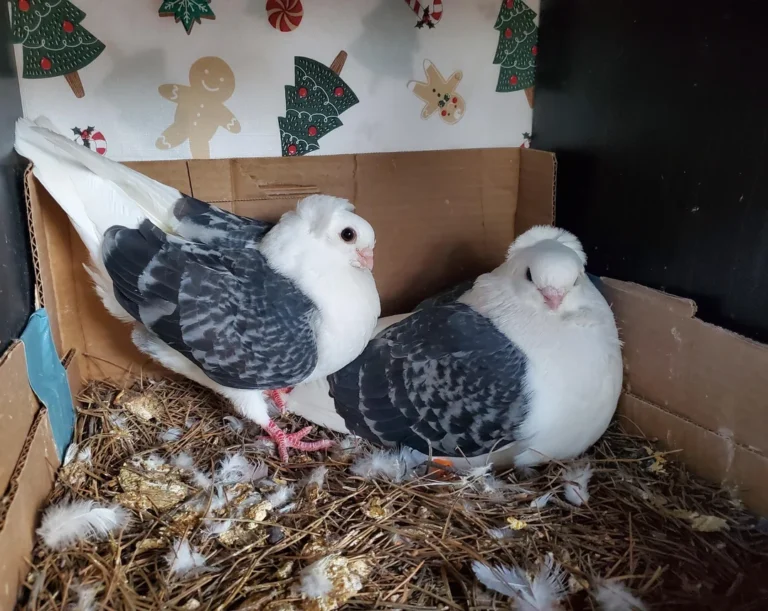
They start building a nest together. The male usually brings small sticks or straw, and the female arranges them. This teamwork is a strong sign that the pair is stable.
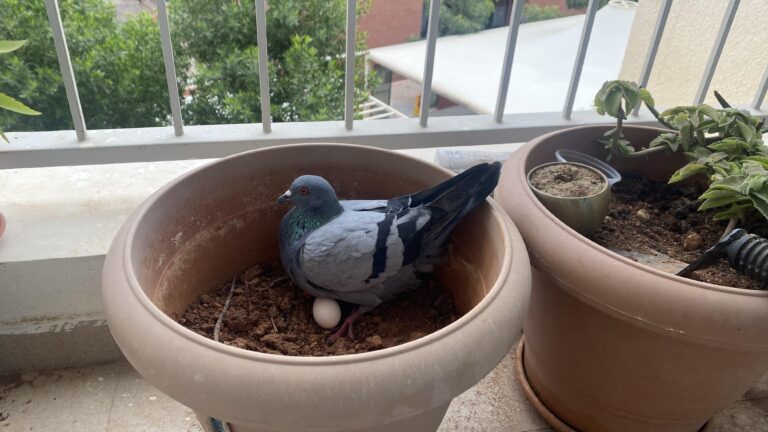
Soon after that, the female lays eggs. In most cases, she lays two eggs. Both the male and female take turns sitting on the eggs. The male usually covers the daytime shift, and the female sits at night.
This is where many beginners get surprised. Both parents are equally involved. This is one reason why strong pair bonding matters so much.
If you are following a pigeon breeding guide, this stage is critical. A well-bonded pair will hatch and raise chicks much more successfully.
Do pigeons ever change partners?
Yes, and you should be aware of this.
Even though pigeons are loyal, they can change partners under certain conditions.
If one partner dies, the remaining pigeon will usually find a new mate after some time. I have seen widowed pigeons stay alone for a few weeks, calling and searching. But eventually, they pair again.
Sometimes, if a pair is not breeding well or keeps losing eggs, they may separate. Stress, poor diet, or health issues can also affect bonding. This is why proper care, including knowing what pigeons eat, plays a big role in keeping pairs stable.
In crowded lofts, I have also seen males fight over females. If your setup is not well managed, pairs can break and reform.
Real-life advice from my experience
If you want your pigeons to stay paired, let them choose their own partners whenever possible. Forced pairing can work, but it often takes more time and sometimes fails.
Keep the loft calm and clean. Avoid disturbing nests too much. Stress can weaken the bond between a pair.
Also, always watch for signs of illness. Problems related to pigeon diseases can affect breeding and pairing behaviour. A sick bird will not bond with or care for eggs.
When everything is right, pigeons are very loyal. Watching a pair raise their chicks together is one of the most rewarding parts of keeping pigeons.
Tips and Common Mistakes
Over the years, I have seen many beginners struggle with pigeon pairing. Most of the problems come from small mistakes that can easily be avoided once you understand how pigeons behave.
Let me share some practical tips that I personally follow in my own loft.
Let pigeons choose their own partner
This is the biggest tip I can give you.
If you allow pigeons to pick their own mate, you will get stronger pairs. They bond faster and work better together when raising chicks.
I have tried forced pairing many times. Sometimes it works, but often the birds take longer to accept each other. In some cases, they keep fighting or ignore the nest completely.
If you are starting, give your pigeons some space and watch their natural pair-bonding behaviour.
Do not separate bonded pairs.
One mistake I see all the time is separating a bonded pair without a good reason.
Once pigeons form a strong bond, breaking it can stress them. The male may stop eating properly. The female may refuse to lay eggs for a while.
I once separated a pair to try a new breeding combination. Both birds became restless and kept calling for each other. It took them weeks to settle again.
If a pair is working well, it is better to leave them together.
Provide a calm and clean nesting space
Pigeons need a quiet place to feel safe.
If the loft is too noisy or crowded, pairs may not bond properly. They may even abandon their eggs.
Always give each pair its own nesting spot. Keep it clean and dry. Add simple nesting materials, such as straw or small sticks.
Good loft management also helps prevent pigeon diseases, which can affect breeding and bonding.
Feed a proper diet
Healthy pigeons form stronger pairs.
Make sure you understand what pigeons eat and provide a balanced mix of grains. Clean water is just as important.
When pigeons are weak or underfed, they lose interest in breeding. I have seen pairs stop caring for their eggs just because their diet was poor.
A good diet keeps both males and females active and ready to raise chicks.
Watch for aggressive behaviour
Sometimes, not all pigeons get along.
If you notice constant fighting, chasing, or pecking, the pair may not be compatible. In this case, it is better to separate them and try different partners.
Ignoring aggression can lead to injuries or even death in extreme cases.
Avoid checking the nest too often.
I know it is tempting to keep checking eggs or chicks, especially if you are new.
But too much disturbance can stress the parents. Some pigeons may even leave the nest if they feel unsafe.
I usually check once a day and keep it quick. That is enough to make sure everything is fine.
Be patient with new pairs
New pairs take time to settle.
Do not expect eggs immediately. Sometimes it takes a few weeks for pigeons to bond and fully start breeding.
Patience is very important in pigeon keeping. Rushing things often leads to failure.
Common beginner mistakes to avoid
Here are a few mistakes I see very often
- Forcing two pigeons together too quickly
- Keeping too many pigeons in a small space
- Ignoring early signs of sickness
- Providing poor-quality food
- Disturbing nests too often
If you avoid these mistakes, your pigeons will be much calmer and more successful in breeding.
FAQ Section
Here are some common questions I often hear from new pigeon owners. I will answer them based on what I have seen firsthand while raising pigeons.
Do pigeons stay together forever?
In most cases, yes. Once pigeons bond, they usually stay together for a long time. I have had pairs that stayed together for years without breaking.
But it is not guaranteed forever. If one bird dies or if there is stress in the loft, they may find a new partner. Still, pigeons are known for being very loyal compared to many other birds.
How long does it take for pigeons to pair?
It depends on the birds.
Some pigeons bond within a few days, especially if they like each other. Others may take a few weeks. I have seen shy birds take even longer.
If you are following a pigeon-breeding guide, patience is especially important. Do not rush the process. Let them get comfortable and build trust.
Can a pigeon have more than one partner?
Not at the same time in most cases.
Pigeons usually stay with one partner. However, if their mate is gone or if the pair breaks, they can form a new bond with another pigeon.
I have seen widowed pigeons pair again after some time. It is part of their natural behaviour.
What happens if one pigeon dies?
The remaining pigeon may stay alone for a short time. You might notice yourself calling or looking around more than usual.
After some time, it will usually accept a new partner. I always give the bird a little time before introducing another pigeon.
Keeping the bird healthy during this time is important. Make sure it is eating well and watch for signs of stress or pigeon diseases.
Can I force two pigeons to mate?
Yes, but it is not always the best idea.
Forced pairing can work, especially for breeding purposes. But from my experience, natural pairing gives better results. The birds cooperate more and take better care of their eggs and chicks.
If you do try forced pairing, keep them in a calm space and give them time. Watch the behaviour closely to make sure they are not fighting.
Conclusion
So, do pigeons mate for life?
From real experience, the answer is yes in most cases. Pigeons are naturally loyal birds. Once they form a bond, they usually stay together and work as a team. They build nests, take turns on eggs, and raise their chicks side by side.
But it is important to understand that this bond depends on the environment you provide. Healthy birds, a calm loft, and proper care all play a big role. If something goes wrong, such as stress, illness, or loss of a partner, pigeons can form new bonds.
If you are raising pigeons, the best thing you can do is support their natural behaviour. Let them choose their own partners when possible. Keep their space clean and peaceful. Feed them well and stay alert for any signs of pigeon diseases.
When everything is right, you will see how strong their connection really is. Watching a bonded pair care for their eggs and chicks is one of the most rewarding parts of pigeon keeping.
If you are serious about improving your flock, take time to learn more about pigeon behaviour, follow a good pigeon breeding guide, and understand what pigeons eat. These small steps make a big difference in how your pigeons pair, breed, and live.
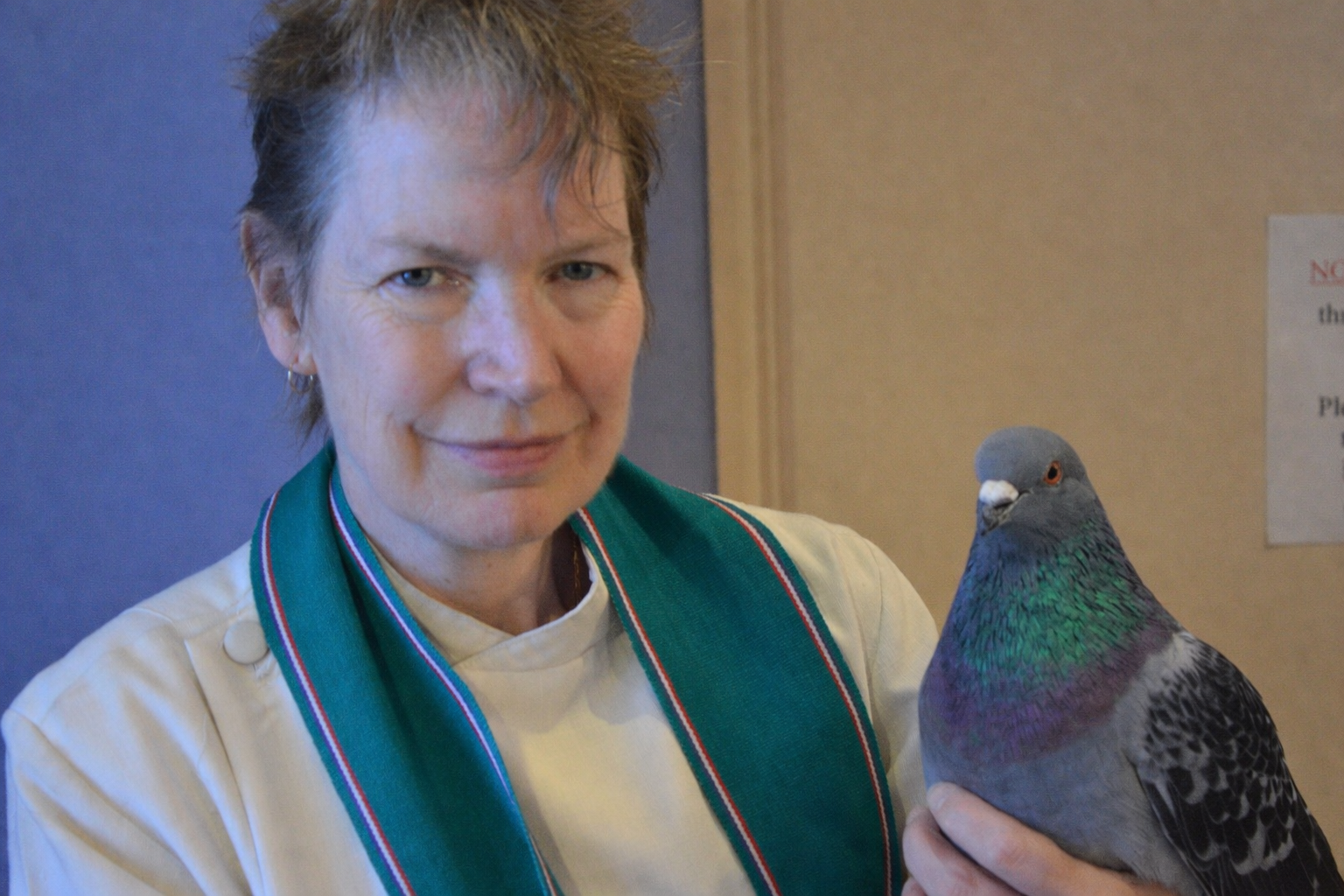
Barbara Allen is a writer and chaplain at Lort Smith Animal Hospital in Melbourne, Australia. She is the author of the book Pigeon, which explores the cultural and historical relationship between humans and pigeons. Allen has also written the picture book I Was There and contributed to publications such as Peace of Mind and Uniting Church Studies.