What Is a Young Pigeon Called? Bird Name Explained
Many people who are new to pigeons often ask a simple question. What is a young pigeon called? I hear this question a lot from beginners who start keeping pigeons for the first time.
When you begin raising pigeons, learning the correct names for different stages of a bird’s life helps you understand pigeon care much better. It also makes it easier to follow advice from other pigeon keepers, breeders, and veterinarians.
A young pigeon is called a squab. This term refers to baby pigeons from the moment they hatch until they are ready to leave the nest. If you spend time around pigeon breeders, you will hear this word used all the time.
From my own experience raising pigeons, many beginners are surprised by how rarely they see baby pigeons in public. That is because young pigeons stay safely inside the nest for several weeks while their parents take care of them.
Knowing what a young pigeon is called is more than just learning a new word. It helps you understand how pigeons grow, how parents raise their babies, and how to care for them properly if you keep pigeons yourself.
When you follow a pigeon breeding guide or learn about pigeon behavior, the word squab appears often. Understanding this stage of life also helps you recognize healthy growth and notice problems early.
Over the years, I have raised many pigeons in my loft. Watching a tiny squab grow into a strong young bird is one of the most rewarding parts of keeping pigeons. But proper care during this early stage is very important.
Main Explanation of the Topic
What Is a Young Pigeon Called
The simple answer is that a young pigeon is called a squab.
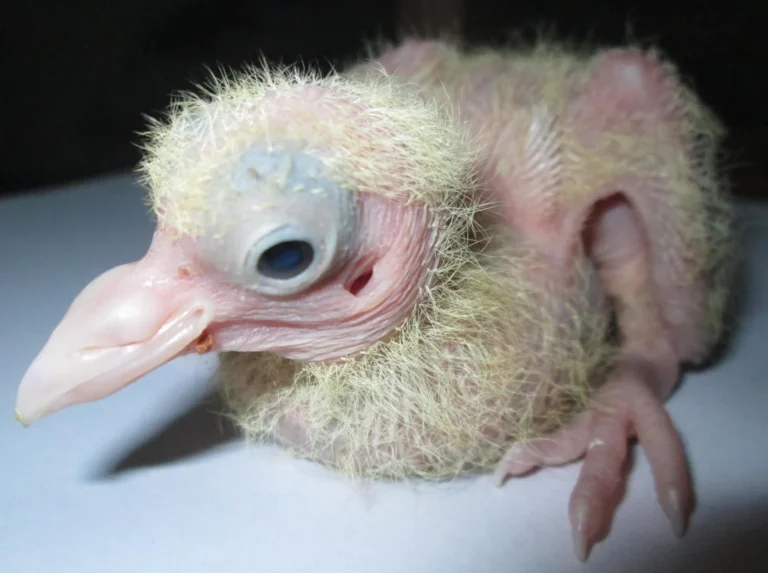
A squab is a baby pigeon that has just hatched and is still living in the nest. This stage usually lasts for about four weeks. During this time, the young bird depends completely on its parents for food and protection.
In my own pigeon loft, I see this stage every breeding season. When the eggs hatch, the babies are tiny and almost completely helpless. Their eyes stay closed for a short time, and their bodies are covered with thin yellow down.
Unlike many other birds, pigeon babies do not leave the nest quickly. They stay hidden and grow fast while the parents care for them.
Why People Rarely See Baby Pigeons
Many beginners ask me why they never see baby pigeons in parks or cities. The reason is simple. Pigeons keep their babies safely inside the nest until they are almost fully grown.
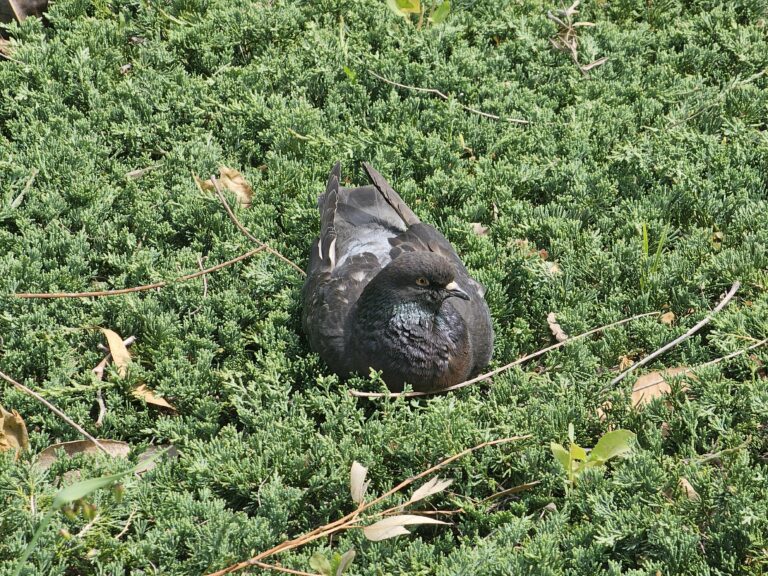
By the time the young bird leaves the nest, it already looks very similar to an adult pigeon. That is why people often think pigeons appear suddenly, even though they have never seen them.
Inside the loft, it is a different story. When you raise pigeons yourself,f you get to watch the entire process from egg to young bird.
How Parent Pigeons Raise a Squab
Pigeons are very dedicated parents. Both the male and female share the work of raising their babies.
One of the most interesting things about pigeons is the way they feed their young. Instead of bringing insects or seeds to the nest right away, the parents produce something called crop milk.
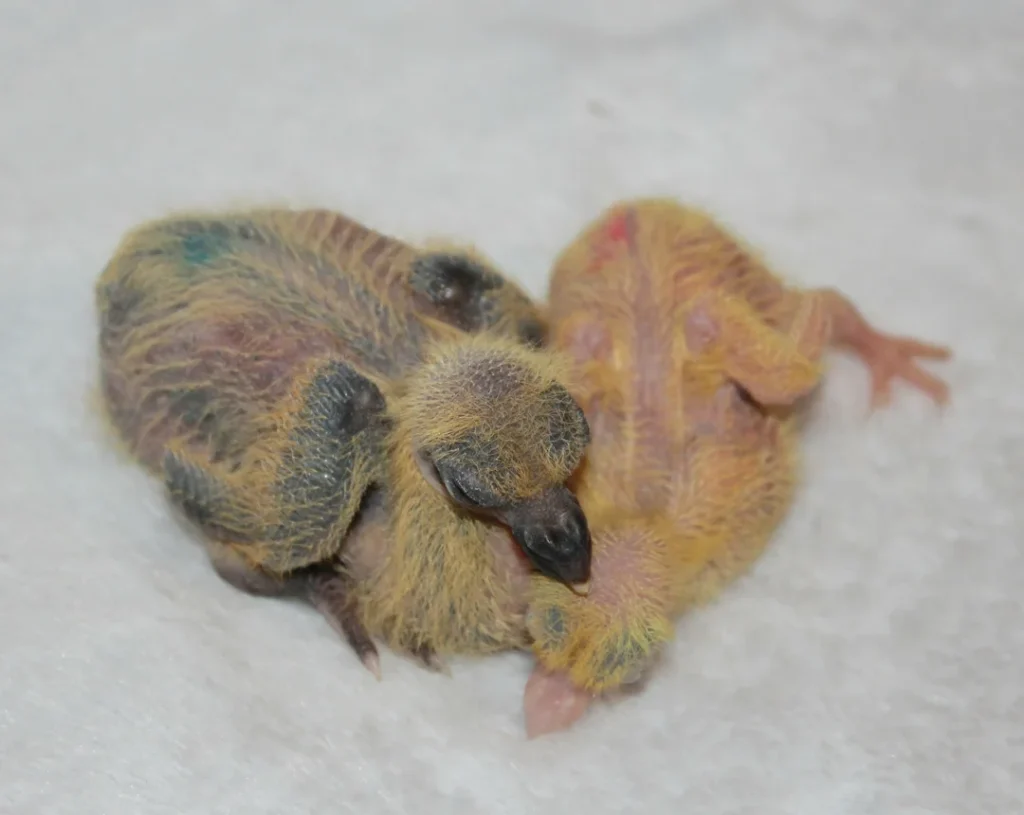
Crop milk is a rich substance produced in the parent’s crop. It is full of nutrients and helps the squab grow very quickly during the first days of life.
When I check my nests each morning, I often see the parent pigeon gently feeding the baby. The squab places its beak inside the parent’s mouth to receive the food. It may look unusual, but it is completely normal pigeon behavior.
How Fast Young Pigeons Grow
Squabs grow very fast. In just a few weeks,s they change a lot.
During the first week,ek the baby is small and weak. Its eyes open, the pen and the body start growing quickly.
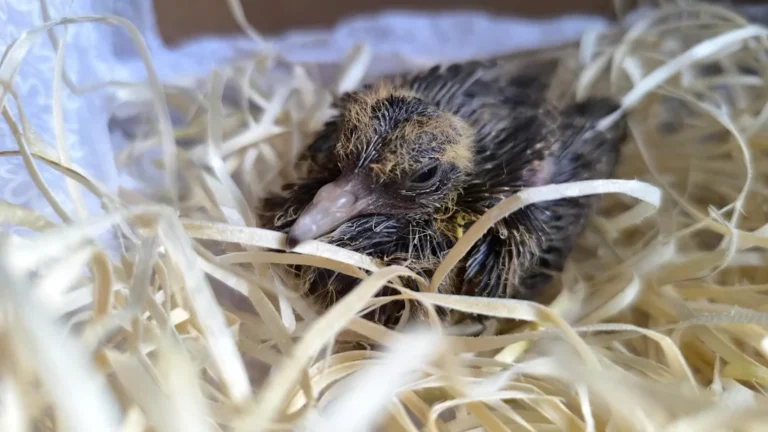
During the second week, feathers begin to appear. The bird starts to look more like a pigeon.
By the third week, the young pigeon becomes much stronger and more active. At this point, it starts filling out with feathers.
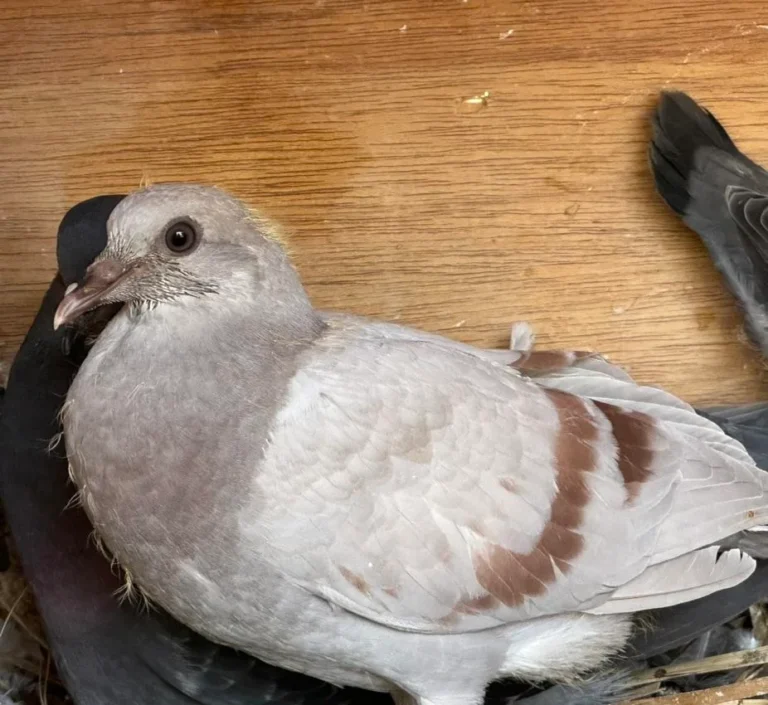
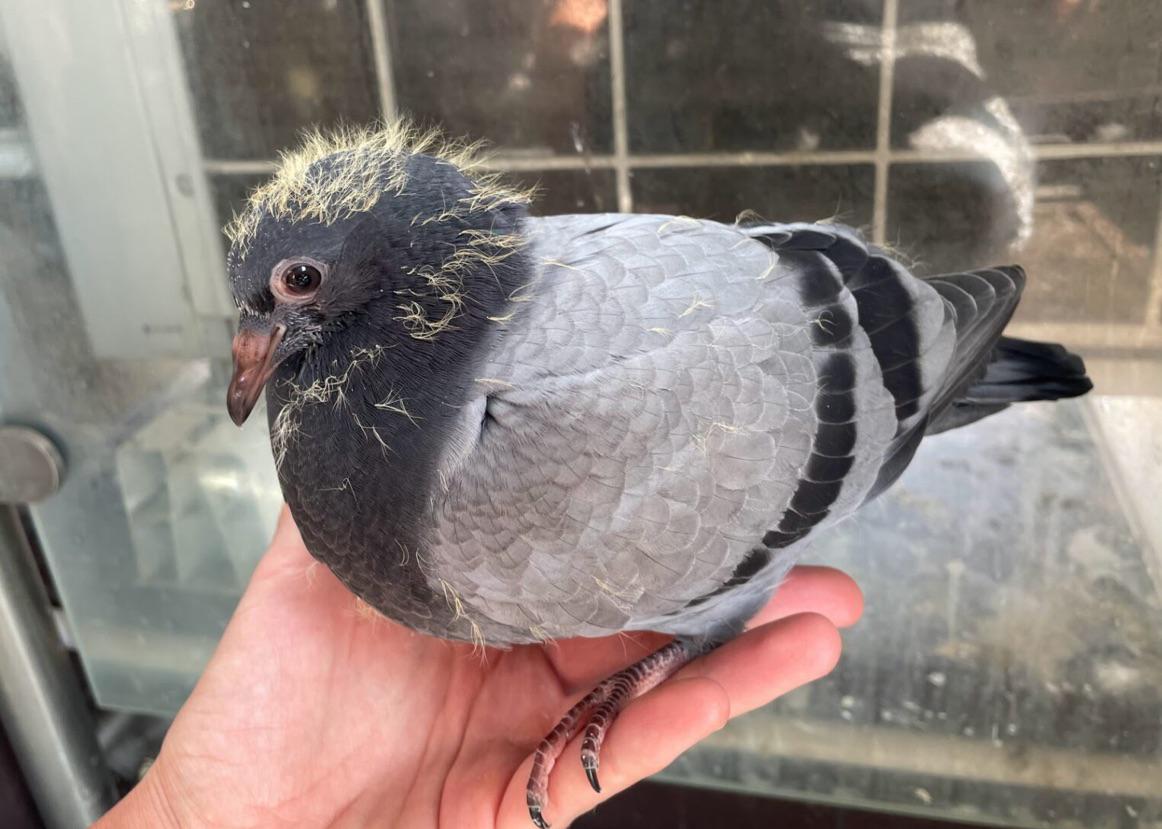
Around four weeks old, the squab is almost ready to leave the nest. At this stage,ge many pigeon keepers begin to call the young bird a young pigeon or juvenile pigeon rather than a squab.
Practical Advice From My Pigeon Loft
If you are raising pigeons, the squab stage is when you should pay the closest attention to your birds.
Healthy parents are the key to healthy babies. Good nutrition plays a huge role here. I always make sure my pigeons have a balanced grain mix and fresh water every day. If you want to learn more about feeding, what do pigeons eat is very important for every pigeon owner.
Clean nesting areas also make a big difference. Dirty nests can lead to sickness in young birds. Many common pigeon diseases start when loft hygiene is poor.
I also try not to disturb the nest too much. Pigeon parents usually do a great job raising their babies if you give them a calm and safe place.
Watching squabs grow is one of the best experiences in pigeon keeping. You see the full cycle of pigeon breeding and behavior right in front of you.
Tips and Common Mistakes
Raising squabs can be one of the most rewarding parts of keeping pigeons. Watching a tiny bird grow stronger every day is something every pigeon keeper enjoys. Over the years, I have noticed that beginners often make a few common mistakes when dealing with young pigeons.
Learning a few simple tips can make a big difference in your birds’ health.
Tips for Caring for Young Pigeons
Keep the Nest Area Clean
Clean nests are essential for raising squabs. Young pigeons have weak immune systems, so dirty nesting material can easily cause health problems.
In my loft, I check nests regularly. If the bedding becomes wet or dirty, I replace it. Clean nesting bowls help prevent many common pigeon diseases and keep the young birds comfortable.
Make Sure Parent Pigeons Are Healthy
Healthy parents raise healthy squabs. Before breeding season begins, I always check that my pigeons are active, eating well, and free from illness.
A strong breeding pair will usually feed and protect their babies very well. This is one reason why experienced breeders pay close attention to pigeon behavior during the breeding season.
Provide Good Quality Food
Young pigeons grow very fast, and their parents need proper nutrition to feed them.
I always give my pigeons a balanced grain mix with seeds like corn, peas, and wheat. Clean water should also be available at all times.
If you want to understand feeding better, the topic of what pigeons eat is one that every pigeon owner should learn early.
Avoid Disturbing the Nest Too Much
Many beginners check the nest too often. It is natural to be curious, especially when you are raising pigeons for the first time.
But too much disturbance can stress the parent birds. I usually check nests quickly and quietly. A quick look is enough to ensure the squabs are healthy.
Watch the Growth of the Squabs
A healthy squab grows quickly and becomes stronger each week. If a baby pigeon looks weak or stops growing, it may need attention.
When I inspect my young pigeons, I look for clear eyes, smooth feathers, and active movement. These are good signs that the bird is developing properly.
Common Mistakes Beginners Make
Trying to Feed Squabs Too Early
New pigeon owners sometimes think they need to feed the babies themselves. In most cases, this is not necessary.
Pigeon parents produce crop milk and later feed partially digested grains to their young. They are usually much better at feeding squabs than humans.
Unless the parents abandon the nest, it is best to let them do their job.
Ignoring Loft Cleanliness
One of the biggest mistakes beginners make is poor loft hygiene.
Dirty floors, old nesting material, and contaminated water can lead to serious pigeon diseases. Squabs are especially vulnerable during their early weeks.
Regular cleaning helps keep both adult pigeons and young birds healthy.
Separating Young Pigeons Too Soon
Young pigeons should stay with their parents until they are strong enough to eat on their own.
Removing them too early can slow their growth and create unnecessary stress.
In mloftt,loftit until the young pigeons begin pecking at grains and moving around confidently before separating them.
Not Learning About Pigeon Breeding
Many problems with squabs happen because new owners do not understand the basics of pigeon breeding.
Learning how pigeons mate, build nests, and raise their babies helps you become a better pigeon keeper.
A good pigeon breeding guide can teach you what to expect during each stage of the process.
FAQ About Young Pigeons
What is a young pigeon called?
A young pigeon is called a squab. This name is used from the moment the pigeon hatches until it is almost ready to leave the nest.
In mlifeo, they usually refer to the babies as squabs during their first few weeks. After they leave the nest and start moving around on their own, I begin calling them young pigeons.
How long is a pigeon considered a squab?
A pigeon is usually called a squab for about four weeks. During this time, the baby stays in the nest and relies completely on its parents for food and warmth.
After about four weeks, the young bird begins exploring outside the nest and slowly learns to eat grains on its own.
Why do we rarely see baby pigeons?
Many people think pigeons do not have babies because they never see them in public places. The truth is that pigeons keep their babies hidden in nests.
By the time the young bird leaves the nest, it already looks similar to an adult pigeon. This is why most people only notice pigeons once they are already grown.
Do both pigeon parents take care of the baby?
Yes, both parents work together to raise the squab.
The male and female pigeon take turns sitting on the eggs and feeding the babies. They produce crop milk during the first days, which helps the young birds grow quickly.
From my experience raising pigeons, strong pairs do a very good job caring for their babies when given a quiet, safe nesting area.
What do young pigeons eat?
During the first days, squabs drink crop milk produced by the parent pigeons. Later, the parents feed them softened grains.
This is why good feeding is so important for breeding pigeons. If you are new to pigeon keeping, learning about what pigeons eat will help you raise healthier birds and stronger squabs.
Conclusion
Understanding what a young pigeon is called is one of the first things new pigeon owners learn. The correct name for a baby pigeon is a squab, and this stage usually lasts about 4 weeks after hatching.
During this time, the young pigeon stays in the nest while both parents care for it. They feed the squab with crop milk at first, then with softened grains. If you keep pigeons, watching this process is one of the most interesting parts of the hobby.
From my experience raising pigeons, healthy squabs come from healthy parents, clean nests, and good nutrition. When the loft is calm and well-maintained, pigeon parents usually raise their babies without much help.
Learning about the squab stage also helps pigeon owners understand normal pigeon behavior. You will know why babies stay hidden in the nest and why people rarely see them in public places.
For beginners, it is also helpful to study related topics such as what pigeons eat, a basic pigeon breeding guide, and common pigeon diseases. These areas all play an important role in raising strong young birds.
Raising pigeons teaches patience and observation. Seeing a tiny squab grow into a healthy young pigeon is always satisfying. With good care and a clean loft, pigeons will continue to breed and raise new generations for many years.
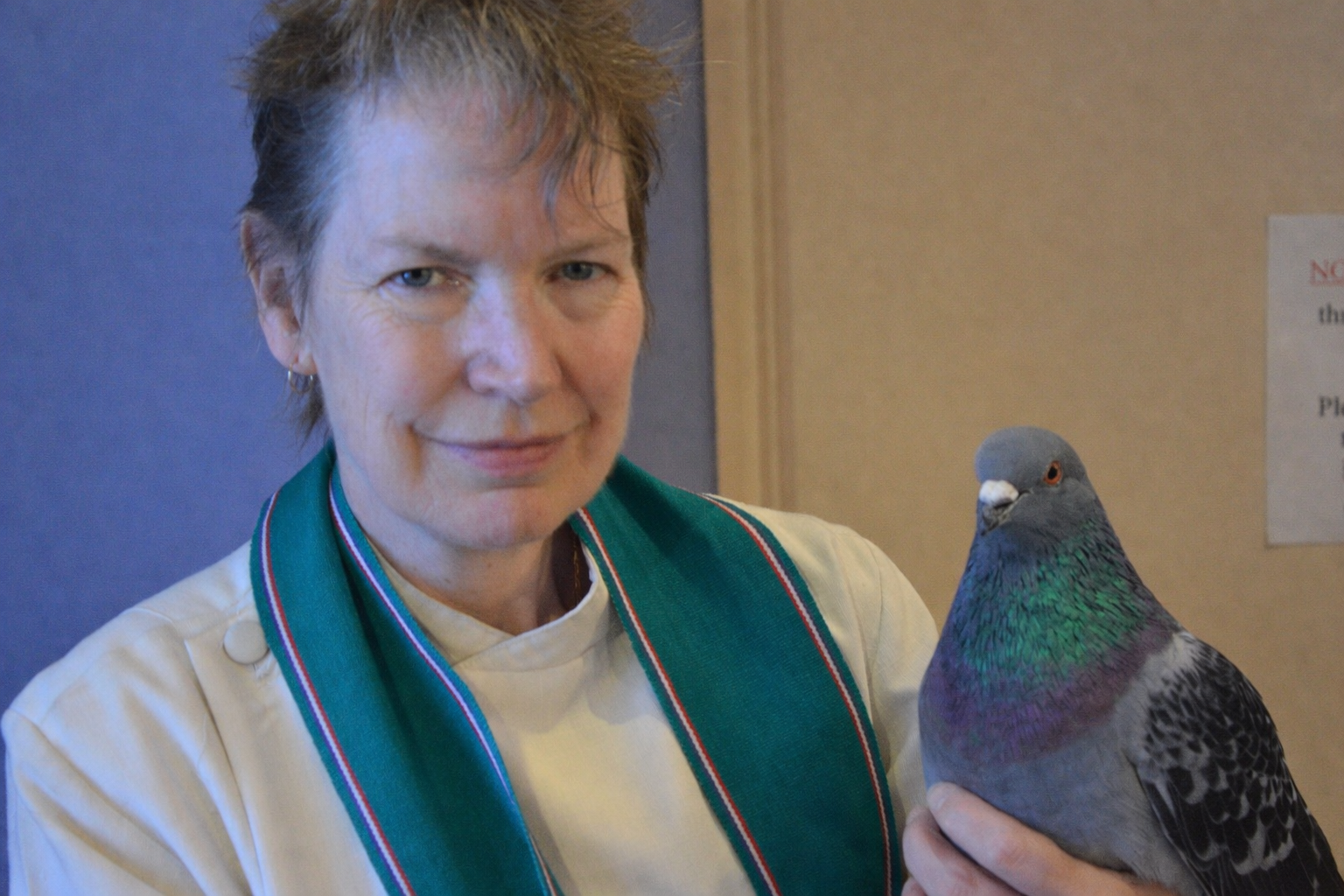
Barbara Allen is a writer and chaplain at Lort Smith Animal Hospital in Melbourne, Australia. She is the author of the book Pigeon, which explores the cultural and historical relationship between humans and pigeons. Allen has also written the picture book I Was There and contributed to publications such as Peace of Mind and Uniting Church Studies.