How Long Do Pigeons Live? Lifespan Explained
People often ask me one simple question when they start keeping pigeons. How long do pigeons live?
It is a good question because when you bring pigeons into your care, they become part of your daily routine. You feed them, watch them fly, and learn their personalities. Over time, they stop feeling like just birds in a loft. They start to feel like part of the family.
From my own experience raising pigeons, their lifespan can surprise many beginners. Some pigeons live only a few years in the wild, while well-cared-for pigeons can live much longer. The difference usually comes down to food, safety, health care, and how the birds are managed.
Many new pigeon owners expect pigeons to live only three or four years. That is not always true. When pigeons are raised in a safe loft with good care, they can live far longer than people think.
Understanding how long pigeons live helps you take better care of them. When you know what affects their lifespan, you can make smarter decisions about feeding, housing, and breeding. Small choices such as proper grain mixes or keeping the loft clean can make a big difference over the years.
It also helps pigeon keepers plan their loft better. Older pigeons behave differently from young birds. They breed differently, fly differently, and sometimes need a little extra care. If you are interested in raising young birds, learning from a pigeon breeding guide can help you understand how generations of pigeons grow in your loft.
Another important reason this topic matters is pigeon health. A pigeon that eats well and stays healthy can live many more years than a bird that struggles with illness. Keeping an eye on pigeon diseases, droppings, and feather condition is something experienced pigeon keepers learn over time.
I have also noticed that beginners often learn a lot just by watching pigeon behaviour. Older pigeons tend to be calmer and more confident, while young birds are usually energetic and curious. These small details help you understand your birds better.
Many pigeon owners also ask about feeding because diet plays a huge role in lifespan. If you ever wondered what pigeons eat and how their diet affects their health, you will see that proper nutrition is one of the biggest factors that help pigeons live longer.
The truth is simple. Pigeons are strong birds, but their lifespan depends heavily on how they are raised and cared for. A pigeon living on city streets faces many dangers. A pigeon living in a clean and well-managed loft has a much better chance of living a long and healthy life.
How Long Do Pigeons Live
The simple answer most pigeon keepers give is this. Pigeons can live anywhere from about 3 years to 15 years, depending on their living conditions.
That is a very big range, and the reason is simple. The life of a pigeon in the wild is very different from the life of a pigeon raised in a safe loft.
From my own experience raising pigeons, a well-cared-for pigeon often lives around 10 to 15 years. I have personally seen birds in a loft reach more than 15 years when they were healthy and protected.
Wild pigeons rarely live that long. Many of them survive only 3 to 6 years because they face many dangers every day.
Let me explain why there is such a big difference.
Wild Pigeons vs Domestic Pigeons
Wild city pigeons live a much harder life. They must search for food, avoid predators, and survive bad weather.
Many dangers affect them every day, such as:
• Hawks and other birds of prey
• Cars and traffic
• Poor food sources
• Dirty water
• Diseases
Because of these risks, many wild pigeons do not reach old age.
Domestic pigeons are different. When keepers raise pigeons in a clean loft, they live in a safer environment.
They get:
• Regular feeding
• Clean water
• Shelter from the weather
• Protection from predators
• Health monitoring
All of these things help pigeons live much longer.
In my own loft, I have birds that are over ten years old and still active. They may not fly as much as young pigeons, but they still eat well and behave normally.
Lifespan of Different Types of Pigeons
Different types of pigeons can also have slightly different life spans.
Here is what pigeon keepers usually see.
Racing Pigeons
Racing pigeons are strong birds with excellent endurance. Many racing pigeons live between 10 and 15 years if they stay healthy.
However, racing birds sometimes face higher risks because of long flights and predators during races.
Homing Pigeons
Homing pigeons raised for hobby flying can live a long time; some live 15 years or even longer when they receive good care.
These birds are usually well-trained and live in stable loft conditions.
Fancy Pigeons
Fancy pigeons raised for shows or as pets often live long lives. Many fancy breeds can reach 10 to 15 years with proper care.
Their lifespan mostly depends on good breeding and proper loft management.
What Affects How Long Pigeons Live
Over the years, I have learned that several factors strongly affect pigeon lifespan.
If you want your pigeons to live longer, these things matter the most.
Good Food
One of the biggest factors is diet. Healthy pigeons need a balanced mix of grains and seeds.
Most pigeon keepers feed a mixture of corn, peas, wheat, millet, and other grains. If you are new to pigeon keeping, learning what pigeons eat can help you create a healthy feeding routine.
Fresh food and clean water every day are extremely important.
Clean Loft Conditions
A dirty loft is one of the fastest ways pigeons get sick. Good ventilation and regular cleaning help prevent many pigeon diseases.
Healthy pigeons usually show bright eyes, smooth feathers, and active behaviour.
Protection From Predators
Predators are a major cause of pigeon death. Hawks, cats, and other animals can easily attack pigeons if the loft is not secure.
A strong loft design and a safe flying area help protect your birds.
Strong Breeding
Healthy pigeons usually come from strong parent birds. That is why experienced keepers follow careful breeding practices.
If you want to raise healthy generations of pigeons, learning from a pigeon breeding guide can help you avoid weak bloodlines.
Stress and Environment
Pigeons do best in calm environments. Too much stress can weaken their immune system.
Watching pigeon behaviour can tell you a lot about how comfortable your birds are. Calm pigeons usually live longer because they stay healthier.
Signs of an Aging Pigeon
As pigeons grow older, they start to show small changes.
You may notice things like:
• Slower flying
• Less interest in long flights
• More time resting in the loft
• Slight changes in feather condition
Older pigeons often become calmer and more experienced parents during the breeding season.
Even though they slow down a little, many older pigeons still live healthy lives for years when they receive proper care.
Good food, clean living conditions, and careful observation can make a huge difference in how long pigeons live.
Tips to Help Pigeons Live Longer
Over the years, I have learned that pigeons are tough birds, but small mistakes can shorten their lives. When beginners ask me how long pigeons live, I usually tell them that good care is the biggest factor.
If you want your pigeons to live long and stay healthy, a few simple habits can make a big difference.
Keep the Loft Clean
A clean loft is one of the most important things in pigeon keeping. Pigeons spend most of their time inside the loft, so the environment around them must stay healthy.
Droppings should be removed regularly. Wet or dirty flooring can quickly lead to illness. Good ventilation is also important because fresh air helps prevent many pigeon diseases.
When the loft stays dry and clean, pigeons usually remain stronger and more active.
Provide Fresh Food Every Day
Food quality affects pigeon lifespan more than many beginners realize.
Healthy pigeons need a balanced grain mix. Most pigeon keepers feed a mix of corn, peas, wheat, and small seeds. Fresh grains help pigeons maintain strong muscles and good feather condition.
Clean water is just as important as food. Water should be replaced daily because pigeons drink often throughout the day.
If you are still learning what do pigeons eat, it is helpful to study proper grain mixtures and feeding routines used by experienced pigeon keepers.
Watch Your Birds Carefully
One habit that experienced pigeon keepers develop is observation. Just spending a few minutes watching your pigeons every day can help you notice problems early.
Healthy pigeons usually show clear signs such as:
• Bright eyes
• Smooth feathers
• Active movement
• Strong appetite
Changes in pigeon behaviour can tell you when something is wrong. A pigeon that sits quietly for long periods or stops eating may be getting sick.
Early attention can prevent small problems from becoming serious health issues.
Protect Pigeons From Predators
Predators are one of the biggest dangers for pigeons, especially when they are allowed to fly outside.
Hawks, cats, and other animals can attack pigeons quickly. A strong loft structure and secure flying area can reduce this risk.
Many pigeon keepers also release their birds at times when predator activity is lower.
Safety always plays a role in how long pigeons live.
Avoid Overcrowding
Too many pigeons in one loft can cause stress and illness. Overcrowding spreads disease faster and creates unhealthy conditions.
Pigeons need enough space to rest, move, and breed comfortably.
When birds are crowded, you may notice more fighting, weaker birds, and increased health problems.
Good loft management helps prevent many of these issues.
Breed From Healthy Birds
Strong breeding pairs help create healthier young pigeons.
Experienced pigeon keepers usually select birds that show good health, strong flying ability, and calm temperament. Weak birds should not be used for breeding because health problems can be passed to future generations.
Following a proper pigeon breeding guide can help beginners understand how to select the right birds.
Healthy bloodlines often lead to pigeons that live longer and stay stronger.
Common Mistakes New Pigeon Owners Make
When beginners start raising pigeons, a few common mistakes often shorten the lifespan of their birds.
Avoiding these mistakes can help your pigeons live much longer.
Poor Feeding Habits
Some beginners feed pigeons random scraps or low-quality grains. Pigeons need proper nutrition to stay healthy.
A balanced diet keeps the immune system strong and helps prevent disease.
Ignoring Early Signs of Illness
Many new pigeon keepers do not notice the early symptoms of sickness.
Small changes in pigeon behaviour often appear before serious illness develops. Learning about common pigeon diseases helps you recognize these warning signs quickly.
Dirty Water Containers
Water containers can become dirty very quickly. When pigeons drink contaminated water, infections spread easily.
Clean water bowls daily and place them in a clean area of the loft.
Weak Loft Protection
Some beginners build simple lofts that predators can easily access. Strong wire, secure doors, and good loft design protect pigeons from attacks.
Safe housing is one of the most important factors affecting how long pigeons live.
Breeding Too Many Birds
New pigeon keepers sometimes allow too many birds to breed at the same time. This quickly fills the loft and leads to overcrowding.
Controlled breeding keeps the flock healthy and manageable.
Small improvements in care can add many years to a pigeon’s life.
Frequently Asked Questions About Pigeon Lifespan
How long do pigeons live in the wild?
Wild pigeons usually live about 3 to 6 years. Life on the streets is very hard for them. They must search for food every day and avoid predators such as hawks and cats. Many also face traffic, bad weather, and dirty water sources. Because of these dangers, many wild pigeons never reach old age.
How long do pigeons live in captivity?
Pigeons raised by keepers often live much longer. With good care, many pigeons live around 10 to 15 years. Some birds even live beyond that when they stay healthy. Clean housing, proper food, and protection from predators all help extend their lifespan.
What is the oldest age a pigeon can reach?
Some pigeons have been known to live close to 20 years. This is not very common, but it can happen when pigeons are well cared for and come from strong bloodlines. In most lofts, seeing pigeons reach 12 to 15 years is quite normal.
Do pigeons live longer as pets?
Yes, pet pigeons often live longer than wild pigeons. Pet pigeons usually receive regular feeding, clean water, and a safe place to live. They also receive attention from their owners, who watch for health problems. These conditions allow pigeons to stay healthy for many more years.
What helps pigeons live longer?
Several things can help extend a geon’s life.
Good nutrition is very important. Learning what pigeons eat helps owners provide the right grain mix. A clean loft also prevents many pigeon diseases. Proper breeding practices and understanding pigeon behaviour also help keep birds calm and healthy.
Pigeon keepers who pay attention to these details usually see their birds live longer lives.
Conclusion
After raising pigeons for many years, I can say that one thing becomes very clear over time. The answer to how long pigeons live depends a lot on how they are cared for.
Wild pigeons often survive only a few years because their lives are full of danger. They must constantly search for food, avoid predators, and survive harsh weather. Many of them never reach old age.
Pigeons raised by keepers live a very different life. When birds have a clean loft, steady food, fresh water, and protection from predators, they often live 10 to 15 years or even longer.
I have personally seen pigeons in a loft grow old and remain calm and healthy for many seasons. Older birds may not fly as much as young pigeons, but they often become the most reliable birds in the loft. They know the routine, they raise strong young birds, and their behaviour becomes very steady.
If you want your pigeons to live a long time, focus on the basics. Feed a proper grain mix and make sure your birds always have clean water. Keep the loft dry and clean so that pigeon diseases do not spread easily. Watch your birds closely because changes in pigeon behaviour often reveal problems early.
Good breeding also plays a role. Following a solid pigeon breeding guide helps you raise stronger birds generation after generation. Healthy parents often produce healthy young pigeons that grow into long-lived individuals.
Pigeon keeping is not only about flying birds or breeding new chicks. It is also about caring for them over many years. When you take good care of your pigeons, you get to watch them grow, breed, and become part of your daily life.
And that is one of the best parts of raising pigeons.
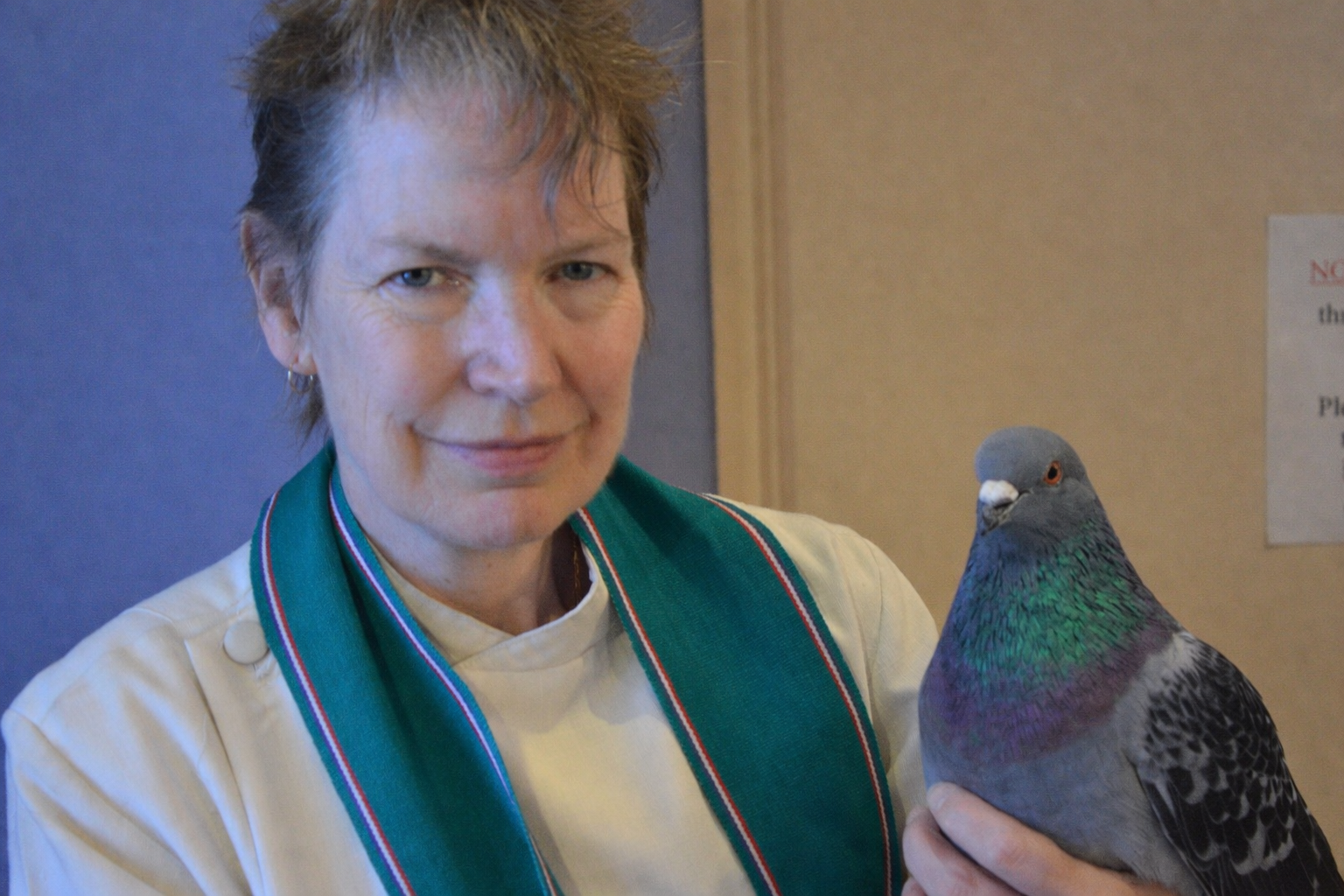
Barbara Allen is a writer and chaplain at Lort Smith Animal Hospital in Melbourne, Australia. She is the author of the book Pigeon, which explores the cultural and historical relationship between humans and pigeons. Allen has also written the picture book I Was There and contributed to publications such as Peace of Mind and Uniting Church Studies.