What Not to Feed Pigeons | Harmful Foods to Avoid
People often ask me about pigeon food. Most new pigeon owners focus on what pigeons should eat. That is important, but there is another question that matters as much. Many beginners forget to ask what not to feed pigeons.
After raising pigeons for years, I have seen many small mistakes that can cause big problems. Pigeons are hardy birds, but their digestive system is more sensitive than many people think. Feeding the wrong food can lead to stomach issues, poor health, and sometimes serious illness.
A healthy pigeon diet is usually simple. Most pigeons thrive on grains, seeds, and clean water. If you have ever read a guide about what pigeons eat, you probably noticed that their natural diet is based on grains such as corn, wheat, peas, and millet. These foods are easy for pigeons to digest and provide the nutrients they need.
Problems usually start when people begin giving pigeons random human foods. Many owners do this with good intentions. They want to treat their birds or avoid wasting food from the kitchen. Unfortunately, not every food that is safe for humans is safe for pigeons.
I remember when I first started keeping pigeons. One of my birds developed digestive trouble after eating scraps that were too salty. It was a simple mistake, but it taught me an important lesson about pigeon feeding. Since then, I have always paid attention to what goes into the feed tray.
Knowing what not to feed pigeons protects their health and keeps your loft running smoothly. Healthy birds breed better, fly better, and stay more active. If you are interested in breeding, this becomes even more important. A good diet plays a big role in any pigeon breeding guide because parent birds must stay strong to raise healthy chicks.
Food also affects many other areas of pigeon care. Poor diet can weaken the immune system and make birds more vulnerable to common pigeon diseases. Sometimes, pigeon keepers think they have a disease problem when the real issue is poor feeding.
Another thing I have noticed over the years is how diet affects pigeon behavior. Well-fed pigeons are calm, active, and alert. Birds that eat unhealthy foods often become sluggish or restless.
The good news is that avoiding dangerous foods is not complicated. Once you understand which foods can harm pigeons, it becomes easy to keep their diet safe and simple.
In the next section, I will explain the foods that pigeon keepers should never put in the feed bowl. I will also share practical advice that I use in my own loft to keep my birds healthy.
When you raise pigeons, feeding them properly is one of the most important habits you can build. A small change in diet can make a big difference in the long-term health of your flock.
If you take the time to learn what not to feed pigeons, your birds will reward you with better health, stronger breeding pairs, and a more peaceful loft.
Foods You Should Never Feed Pigeons
When I talk to new pigeon keepers, one of the first things I explain is that pigeons do best on simple foods. Grains and seeds are what their bodies are built to digest. When people begin giving random human foods, that is when problems start.
Understanding what not to feed pigeons helps you avoid many health issues. Over the years, I have seen birds become sick from foods that their owners thought were harmless. Most of these problems are easy to prevent once you know what to avoid.
Salty Foods
Salt is one of the biggest problems for pigeons. Their bodies cannot handle large amounts of sodium the way humans can.
Foods like chips, pretzels, salted nuts, and processed snacks contain far too much salt for pigeons. Even small amounts can stress their kidneys and digestive system.
I once saw a pigeon become very weak after eating salted crackers that someone threw near the loft. Since then, I have never allowed salty food anywhere near my birds.
If pigeons eat too much salt, they may drink excessive water, become dehydrated, or develop serious health problems.
Clean grains and fresh water are always a safer option.
Chocolate
Chocolate is toxic to many animals, including pigeons. It contains substances that birds cannot safely process.
Even a small amount can be dangerous. Chocolate can affect the nervous system and heart of birds.
This is a food that should never be given to pigeons under any circumstances.
Sometimes people toss chocolate crumbs outside without thinking. If you keep pigeons, it is best to keep sweet snacks away from the loft area.
Avocado
Avocado is healthy for humans but harmful to birds. It contains a compound that can be toxic to many bird species.
Pigeons may eat small pieces if they find them, but it can lead to serious health problems.
As a pigeon keeper, I always remind beginners to keep avocados away from bird feeding areas. It is simply not worth the risk.
Caffeinated Drinks and Foods
Coffee, tea, soda, and energy drinks should never be given to pigeons. These drinks contain caffeine and other substances that can disturb a bird’s nervous system.
Even small amounts can cause heart problems or stress in birds.
Pigeons should only drink fresh, clean water. In my loft, I change their water every day to keep it clean and healthy.
Moldy or Spoiled Food
One of the most dangerous things pigeons can eat is moldy food.
Sometimes, beginners store grain for too long or keep it in damp places. Mold can grow quickly in warm or humid conditions.
Mold produces toxins that can make pigeons very sick. It can lead to digestive problems and other serious health issues.
I always check my grain before feeding. If the feed smells bad or looks dusty or moldy, I throw it away immediately.
Good feed storage is one of the best ways to prevent many pigeon diseases.
Bread in Large Amounts
Bread is one of the most common foods people give pigeons, especially in parks.
Small pieces, once in a while, may not cause immediate harm. The problem comes when pigeons eat too much bread.
Bread fills their stomach but provides very little nutrition. Birds that eat too much bread may become weak or malnourished.
Healthy pigeons need grains and seeds that support their energy and growth. Bread should never replace proper pigeon feed.
Sugary Foods
Candy, cake, pastries, and sweet snacks are not suitable for pigeons.
These foods contain sugar and processed ingredients that birds do not need. Sugary foods can upset their digestive system and reduce their appetite for healthy grains.
I always remind new pigeon owners that pigeons are not pets that need treats like dogs or cats. Their natural diet is already perfect for them.
Onions and Garlic in Large Amounts
Experienced pigeon keepers sometimes use small traces of garlic for natural health support. However, large amounts of onion or garlic can irritate a pigeon’s digestive system.
It is safer for beginners to avoid feeding these foods directly.
Balanced grain mixtures are always the safest choice.
Why a Natural Diet Works Best
Pigeons have thrived for centuries on simple foods. Their digestive system is designed for grains, seeds, and small plant materials.
When you stick to foods pigeons naturally eat, you avoid many problems. Healthy birds stay active, breed better, and show natural pigeon behavior
If you are raising breeding pairs, proper feeding becomes even more important. Strong nutrition supports egg production and healthy chicks in any pigeon breeding guide.
A clean diet also strengthens the immune system and helps prevent common pigeon diseases.
In my own loft, I follow one simple rule. If a food does not look like something a pigeon would naturally find in fields or farms, I usually do not feed it.
This simple habit has kept my birds healthy for many years.
Practical Tips and Common Feeding Mistakes
Even when pigeon owners know what not to feed pigeons, small mistakes can still happen. Most of the problems I see in new lofts come from feeding habits that seem harmless but slowly affect the birds.
Over the years, I have learned that simple routines keep pigeons healthy. Good feeding habits protect your birds from digestive trouble, weak immunity, and unnecessary stress.
Here are some practical tips I always share with beginners.
Stick to a Simple Grain Diet
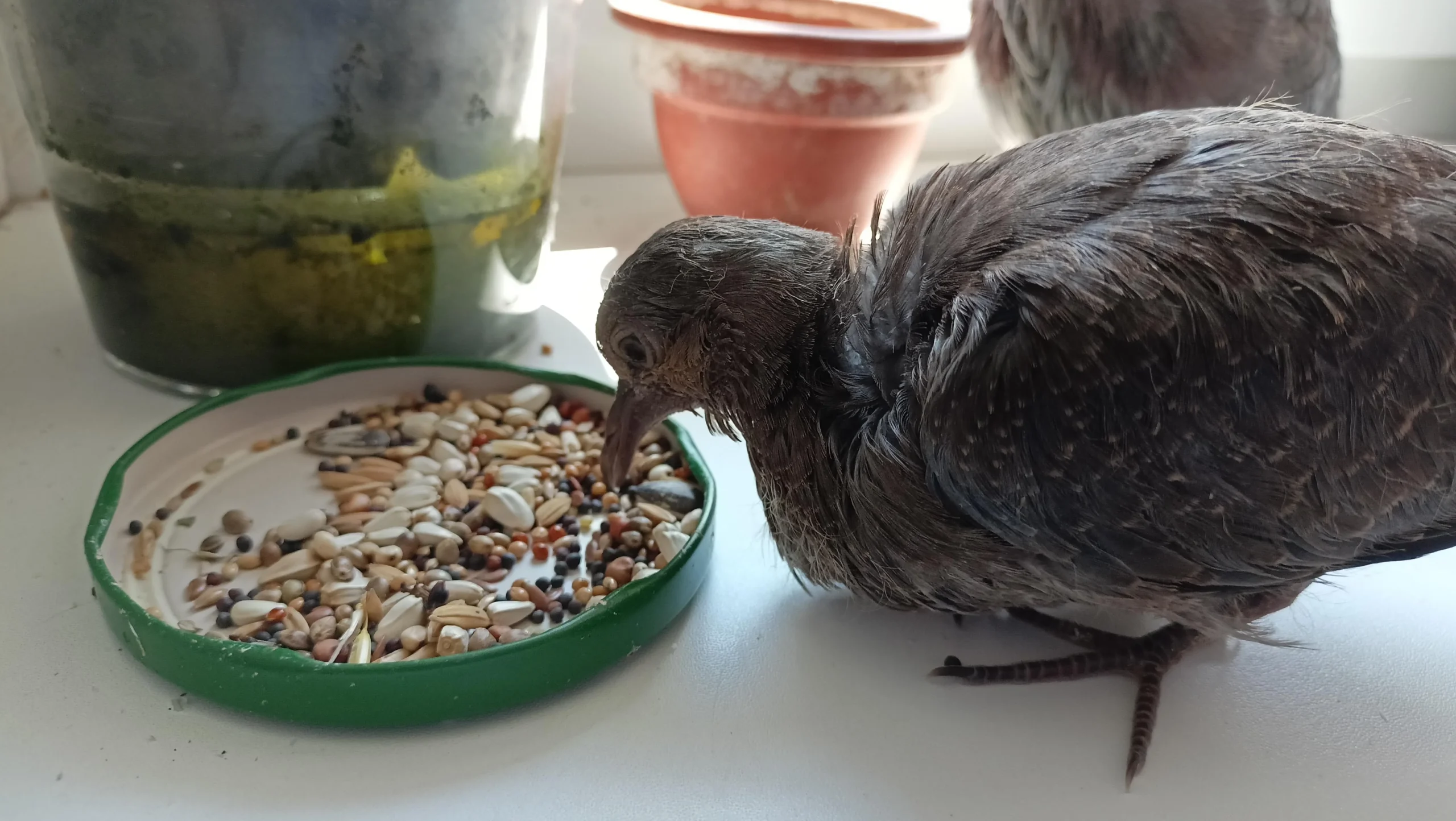
The safest diet for pigeons is still the traditional one. A good grain mix usually includes corn, wheat, peas, millet, and sometimes barley.
These foods give pigeons energy, protein, and the nutrients they need for daily activity.
Whenever someone asks me about feeding pigeons, I always remind them to start with the basics. If you already understand what pigeons eat in nature, feeding them becomes very easy.
Wild pigeons naturally search for seeds and grains. When we provide similar food in the loft, their bodies respond well.
Always Provide Clean Water
Water is just as important as food. Pigeons drink several times during the day, especially after eating grains.
Dirty water can spread bacteria and lead to pigeon diseases. I make it a habit to wash the water container every day and refill it with fresh water.
During hot weather, I sometimes change the water twice a day to keep it cool and clean.
Store Feed Properly
One common mistake is storing pigeon feed in damp places. Moisture can cause mold, which is dangerous for birds.
I always keep my grain in sealed containers in a dry place. This keeps the feed fresh and prevents pests from getting into it.
Before feeding, I take a quick look at the grain. If anything smells strange or looks dusty or moldy, it goes straight to the trash.
Do Not Overfeed Treat Foods
Some pigeon owners like giving small treats such as greens or small bits of fruit. That can be fine in moderation.
The mistake happens when treats become a regular meal. Pigeons may start ignoring their healthy grains and wait for softer foods.
When this happens, their nutrition becomes unbalanced.
I prefer keeping treats very limited. Most of the time, my pigeons eat a proper grain mix.
Avoid Kitchen Scraps
Kitchen leftovers are one of the most common feeding mistakes.
Many people assume pigeons can eat anything because they often see city pigeons eating scraps on the street. In reality, those foods can slowly harm the birds.
Processed foods, oily foods, and heavily seasoned foods are not suitable for pigeons.
If you want to keep pigeons healthy for many years, it is best to avoid kitchen scraps completely.
Observe Your Birds While Feeding
Watching pigeons during feeding time tells you a lot about their health.
Healthy pigeons eat eagerly and remain active afterward. If a bird stops eating, eats very slowly, or looks weak, it may be an early sign of a problem.
Sometimes, feeding issues can be the first warning sign of pigeon diseases. Early observation helps you respond quickly.
Keep the Feeding Area Clean
Food spilled on the floor can attract insects and bacteria. It can also mix with droppings, which makes the food unsafe.
I try to keep the feeding trays clean and remove leftover food after feeding time. A clean feeding area keeps the loft healthier and reduces disease risk.
Clean loft management is also important when studying pigeon behavior because birds feel calmer in a tidy environment.
Learn From Experience
Every pigeon keeper learns over time. Even experienced breeders make mistakes at the beginning.
The important thing is to pay attention to how your pigeons respond to different foods. Healthy birds will show it through their activity, feathers, and breeding success.
When beginners follow simple feeding habits and understand what not to feed pigeons, they avoid many problems before they even start.
Good feeding is one of the foundations of successful pigeon keeping.
Frequently Asked Questions About What Not to Feed Pigeons
Can pigeons eat bread?
Many people believe bread is good for pigeons because it is commonly fed to birds in parks. In reality, bread should not be a regular food for pigeons.
Bread fills the stomach but provides very little nutrition. When pigeons eat too much bread, they may stop eating healthier foods like grains and seeds. Over time, this can lead to weakness and poor health.
Small crumbs once in a while may not cause serious harm, but bread should never replace a proper grain-based diet. If you want your birds to stay strong and active, it is better to focus on foods that match what pigeons eat in nature.
Can pigeons eat human junk food?
No, pigeons should not eat human junk food. Snacks such as chips, crackers, candy, and fast food contain salt, sugar, oils, and preservatives that are not suitable for birds.
These foods can upset the digestive system and may lead to long-term health problems. Pigeons thrive on simple foods like corn, peas, wheat, and other grains.
If you keep pigeons at home, it is best to avoid giving them any processed food from the kitchen.
What happens if pigeons eat moldy food?
Moldy food can be very dangerous for pigeons. Mold produces harmful toxins that affect a bird’s digestive system and overall health.
Pigeons that eat moldy grain may become weak, stop eating, or develop infections. In serious cases, mold exposure can lead to illness that spreads through the flock.
Good feed storage is very important. Keeping grain dry and fresh helps prevent many pigeon diseases.
Can pigeons eat chocolate or sweets?
Chocolate and sweets should never be given to pigeons. Chocolate contains substances that birds cannot safely digest.
Sugary foods like candy and cake are also harmful. These foods do not provide proper nutrition and can disturb a bird’s digestive balance.
A pigeon’s body works best when it receives natural foods like grains and seeds.
Why is it important to know what not to feed pigeons?
Knowing what not to feed pigeons protects the health of your birds. A poor diet can weaken the immune system, affect pigeon behavior, and increase the risk of illness.
Healthy feeding habits help pigeons stay active, breed successfully, and live longer lives.
When beginners learn proper feeding early, they avoid many common mistakes that cause problems later in pigeon keeping.
Conclusion
Feeding pigeons properly is one of the most important parts of pigeon care. Many beginners focus on what foods pigeons enjoy, but experienced pigeon keepers also pay close attention to what not to feed pigeons.
Over the years, I have learned that pigeons stay healthiest when their diet remains simple. Grains, seeds, clean water, and a balanced feed mix provide everything they need. Problems usually appear when birds start eating processed foods, salty snacks, sugary treats, or spoiled feed.
Avoiding harmful foods protects pigeons from digestive trouble and many common pigeon diseases. Healthy birds stay more active, develop strong feathers, and show natural pigeon behavior in the loft. They also breed better and raise stronger chicks, which is something every pigeon keeper notices when following a good pigeon breeding guide.
Another important lesson I often share with new pigeon owners is this. Pigeons do not need complicated diets. Their bodies are built for simple, natural foods. When you understand what pigeons eat in nature, feeding them becomes much easier.
A good routine makes a big difference. Store grain properly, provide clean water every day, and keep the feeding area clean. Pay attention to what goes into the feed tray and avoid risky foods.
Small habits like these protect your pigeons in the long run.
If you take the time to learn what not to feed pigeons, you give your birds the best chance to stay healthy, active, and productive for many years. A healthy flock always begins with proper feeding.
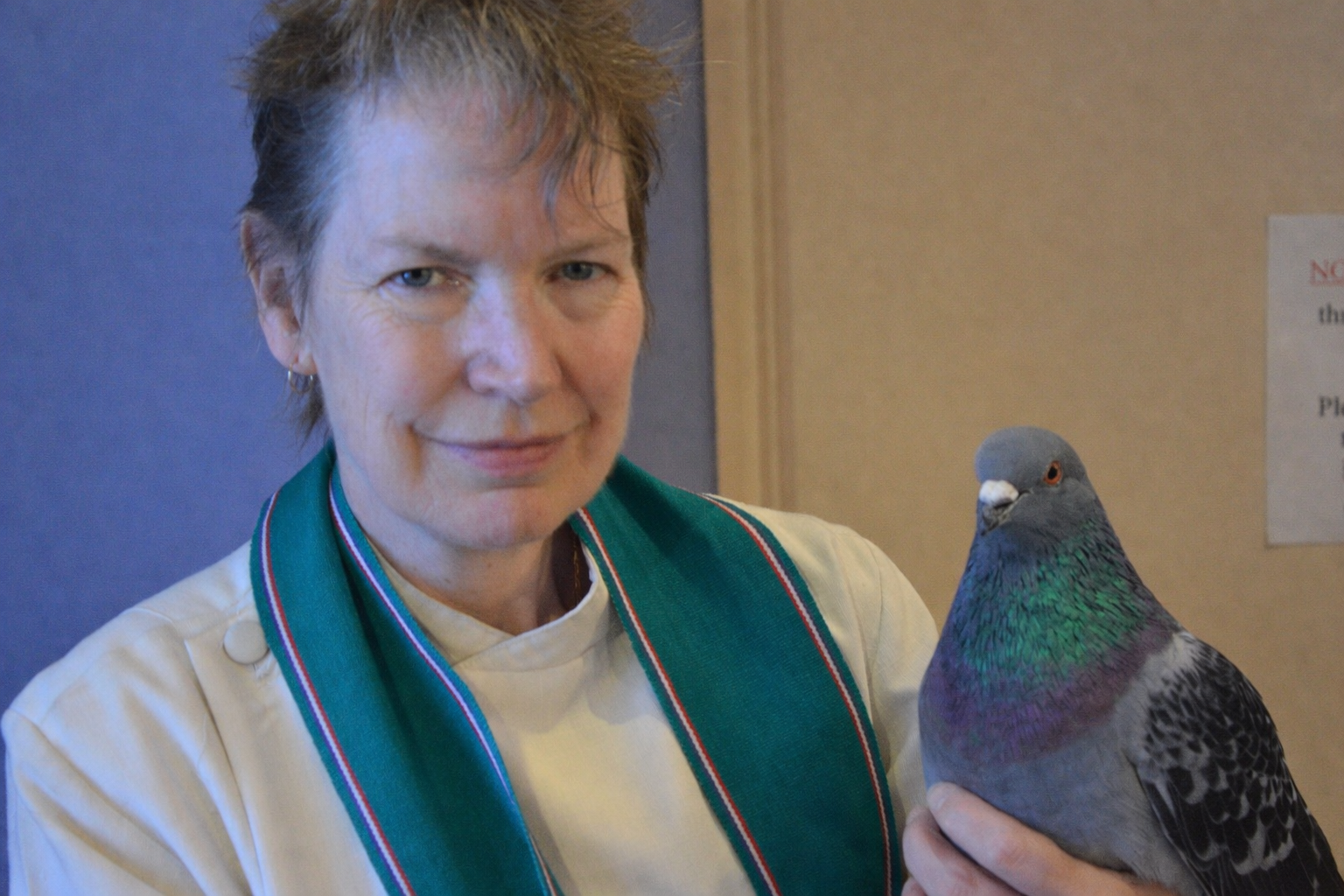
Barbara Allen is a writer and chaplain at Lort Smith Animal Hospital in Melbourne, Australia. She is the author of the book Pigeon, which explores the cultural and historical relationship between humans and pigeons. Allen has also written the picture book I Was There and contributed to publications such as Peace of Mind and Uniting Church Studies.