Life Span of a Pigeon | How Long Do Pigeons Live
If you keep pigeons or plan to start raising them, one question usually comes up very quickly. People want to know the lifespan of a pigeon and how long these birds can live when properly cared for.
From my own experience raising pigeons, I can tell you that pigeons can live much longer than many beginners expect. Some birds in a well-managed loft can stay healthy for many years. The key factor is how they are raised, what they eat, and how well their environment is managed.
The life span of a pigeon is not always the same for every bird. Wild pigeons often face dangers like predators, weather, and food shortages. Pigeons that live in a clean loft and receive good care usually live much longer.
When someone starts keeping pigeons, understanding their lifespan becomes very important. It helps you plan your flock, manage breeding, and take better care of your birds over time. A pigeon keeper who understands how long pigeons live also learns how to keep them healthy through proper feeding and good loft habits.
Many new pigeon owners also begin asking other helpful questions as they learn about lifespan. They often want to know what pigeons eat, how pigeon breeding works, and how to recognise pigeon diseases before they become serious. All these topics directly relate to how long a pigeon can live.
In my own loft, I have watched pigeons grow from tiny chicks into strong adult birds. Over the years, I have also learned that small details matter. Clean water, good food, and careful observation can make a big difference in the life span of a pigeon.
Another thing beginners quickly notice is how interesting pigeon behaviour can be. Healthy pigeons are active, alert, and social. When a bird suddenly becomes quiet or weak, it is often a sign that something is wrong. Paying attention to these changes helps a pigeon keeper protect the health of the whole flock.
For anyone who loves raising pigeons, learning about the life span of a pigeon is one of the first steps toward becoming a better caretaker. The more you understand your birds, the easier it becomes to provide them with the environment they need to live long, healthy lives.
How Long Is the Life Span of a Pigeon?
The life span of a pigeon can vary quite a bit depending on how the bird lives. A pigeon that lives in the wild usually has a shorter life. A pigeon that lives in a well-managed loft with proper care can live much longer.
From my own experience raising pigeons, most healthy pigeons in a good loft can live between 8 and 15 years. Some birds even live longer when they receive excellent care.
Wild pigeons often face many risks. They deal with predators, harsh weather, food scarcity, and disease. Because of these challenges, many wild pigeons only live around 3 to 6 years.
Domestic pigeons live a much safer life. They have shelter, regular feeding, and a pigeon keeper who watches their health. Because of that, the life span of a pigeon in captivity is usually much longer.
Factors That Affect the Life Span of a Pigeon
Several important things affect how long a pigeon lives. Over the years, I have learned that small details in daily care can make a big difference.
Food Quality
Food plays a huge role in the life span of a pigeon. Pigeons need a balanced diet of grains and seeds.
In my loft, I usually feed a mix that includes corn, peas, wheat, and millet. This combination gives pigeons energy and protein.
Many beginners also ask about what pigeons eat besides grain. Pigeons sometimes enjoy small amounts of greens or certain fruits, but the grain mix should always be the main part of their diet.
Clean water is just as important as food. Pigeons drink often, and dirty water can quickly spread disease.
Loft Cleanliness
A clean loft keeps pigeons healthy. Dirty lofts attract bacteria, parasites, and flies.
I make it a habit to clean the loft regularly. Droppings should not build up for long periods. Fresh bedding and good airflow help prevent many health problems.
Many pigeon diseases start in dirty environments. Preventing illness is much easier than treating it later.
Protection From Disease
Another important factor in a pigeon’s lifespan is disease control.
Healthy pigeons are active and alert. They eat well and move around the loft confidently. When a pigeon becomes quiet, fluffed up, or stops eating, it may be a sign of illness.
Learning about common pigeon diseases helps a pigeon keeper react quickly and protect the rest of the flock.
Safe Living Environment
Predators can shorten the life span of a pigeon very quickly. Hawks, cats, and other animals can attack pigeons if the loft is not secure.
A strong loft with good wire and safe nesting areas protects the birds. When pigeons feel safe, they stay calmer and healthier.
Breeding Management
Breeding also affects how long pigeons stay strong. Birds that breed too often can become weak over time.
In a good pigeon breeding guide, you will see that experienced pigeon keepers give their birds rest periods between breeding cycles. This helps both the parents and the young birds stay healthy.
Natural Pigeon Behaviour
Watching pigeon behaviour teaches you a lot about your birds.
Healthy pigeons are curious and active. They move around the loft, interact with other pigeons, and show interest in food.
If a pigeon suddenly stays in a corner or isolates itself, something may be wrong. Paying attention to these signs can help you act early and protect a pigeon’s lifespan.
Why Some Pigeons Live Longer
Over the years, I have noticed something interesting. The pigeons that live the longest usually come from strong bloodlines and receive steady care.
They grow up in a clean loft. They eat well every day. They avoid major diseases. They also have enough space to move and exercise.
When these conditions are met, pigeons can stay healthy for many years. For a pigeon keeper, seeing a bird live a long and healthy life is one of the most rewarding parts of the hobby.
Tips to Help Increase the Life Span of a Pigeon
After raising pigeons for many years, I have learned that small daily habits make a big difference in the life span of a pigeon. Healthy birds do not happen by accident. They stay strong because the loft is managed well and the birds receive proper care every day.
Many beginners focus only on feeding, but pigeon care involves much more than that. Clean living space, careful breeding, and watching pigeon behaviour help pigeons live longer.
Here are some practical tips that I always share with new pigeon keepers.
Provide a Balanced Diet
Food is the foundation of pigeon health. A pigeon that eats well has more energy, stronger immunity, and better overall condition.
I always feed a mixed grain diet. A good mix usually includes corn, peas, wheat, and millet. Peas are especially helpful because they provide protein that pigeons need for muscle strength and feather health.
If you are new to pigeon keeping, learning about what pigeons eat is very helpful. Many beginners accidentally feed too much of one type of grain, which can lead to poor nutrition.
Fresh food and clean water should always be available. Water bowls should be cleaned daily because pigeons often drink.
Keep the Loft Clean
Cleanliness has a huge impact on the life span of a pigeon. A dirty loft allows bacteria and parasites to spread quickly.
I clean my loft regularly, so droppings do not pile up. Good airflow also helps keep the loft dry and fresh. Damp lofts are among the most common causes of illness.
A simple cleaning routine can prevent many common pigeon diseases before they ever start.
Give Pigeons Enough Space
Pigeons need room to move around. When birds are crowded together, stress increases and disease spreads faster.
Each pigeon should have enough space to rest comfortably and access food without competition. Nest boxes should also be arranged so breeding pairs have their own area.
When pigeons feel comfortable in their environment, they behave naturally and stay healthier.
Watch Your Birds Daily
One of the most useful habits a pigeon keeper can develop is daily observation.
Healthy pigeons show clear and active pigeon behaviour. They walk confidently, eat eagerly, and interact with other birds.
If a pigeon sits quietly for long periods or refuses food, it may be the first sign that something is wrong. Catching these signs early can save the bird and protect the rest of the flock.
Manage Breeding Carefully
Breeding too often can shorten the life span of a pigeon. Parent birds need time to recover between raising young.
A good pigeon breeding guide explains that experienced pigeon keepers allow rest periods throughout the year. This keeps breeding pairs strong and prevents exhaustion.
Healthy parents produce stronger chicks, and strong birds usually live longer.
Common Mistakes That Shorten a Pigeon’s Life
Over the years, I have also seen many beginners make the same mistakes. Avoiding these problems can greatly extend a pigeon’s lifespan.
Poor Loft Hygiene
One of the biggest mistakes is neglecting the loft’s cleanliness. Even strong pigeons can become sick if the environment is dirty.
Regular cleaning and fresh bedding are essential.
Feeding Only One Type of Grain
Some beginners feed only corn or only wheat. This does not give pigeons the full nutrition they need.
A mixed grain diet keeps pigeons balanced and healthy.
Ignoring Early Signs of Illness
Many new pigeon keepers wait too long before a bird looks sick. Early treatment is much easier than dealing with a serious disease outbreak.
Learning about common pigeon diseases helps you recognise warning signs quickly.
Overcrowding the Loft
Too many pigeons in a small loft creates stress, fighting, and faster disease spread. Giving pigeons proper space keeps the flock calmer and healthier.
When you avoid these common mistakes and follow good care habits, the life span of a pigeon can increase significantly. Healthy pigeons reward their keepers with years of activity, breeding success, and enjoyment.
Frequently Asked Questions About the Life Span of a Pigeon
How long is the life span of a pigeon in captivity?
When pigeons are raised in a clean loft with proper care, the life span of a pigeon is usually between 8 and 15 years. Some pigeons can live even longer if they stay healthy and avoid serious disease.
In my own loft, the birds that receive consistent care, good food, and a safe environment tend to live the longest. Regular observation and early treatment of health issues also help extend their lifespan.
Do pigeons live longer in the wild or in a loft?
Pigeons almost always live longer in a loft. Wild pigeons face many dangers, such as predators, harsh weather, and food shortages.
Because of these risks, wild pigeons often live around 3 to 6 years. Domestic pigeons live in a safer environment where they receive food, shelter, and medical attention when needed. This is why the life span of a pigeon kept by a pigeon keeper is usually much longer.
What affects the life span of a pigeon the most?
Several factors influence how long pigeons live. The most important ones include diet, litter cleanliness, disease prevention, and breeding management.
Good nutrition is especially important. A balanced grain mix and clean water keep pigeons strong. Learning about what pigeons eat helps pigeon keepers provide the right food for long-term health.
Loft hygiene also matters a lot. Many pigeon diseases start when the environment becomes dirty or damp.
Can racing pigeons live a long life?
Yes, racing pigeons can live many years if they stay healthy. However, racing birds face more physical stress and outside dangers compared to pigeons that stay mostly in the loft.
A well-managed racing pigeon that avoids injury or illness can still live more than ten years. Many pigeon keepers retire older racing birds and allow them to live comfortably in the loft.
How can I help my pigeons live longer?
Helping pigeons live longer comes down to daily care and attention.
Feed them a balanced grain mix and always provide clean water. Keep the loft clean and dry. Watch your birds closely so you can notice changes in pigeon behaviour.
Good breeding management also helps. Following a proper pigeon breeding guide allows parent birds to stay strong and prevents exhaustion from constant breeding.
When these habits become part of your routine, the life span of a pigeon can improve greatly.
Conclusion
The life span of a pigeon can be surprisingly long when these birds receive proper care. In a well-managed aviary, many pigeons live between 8 and 15 years, and some even live longer. The difference usually comes down to how the birds are raised and how well their daily needs are met.
From my own experience raising pigeons, the birds that live the longest are the ones that grow up in a clean loft, eat a balanced diet, and stay protected from disease. Good food, fresh water, and regular observation go a long way in keeping pigeons healthy.
New pigeon keepers sometimes think that pigeon care is complicated, but the basics are simple. Feed your birds well, keep their environment clean, and watch their behaviour closely. Healthy pigeons are active, curious, and social. When their behaviour changes, it is often the first sign that they need attention.
Learning more about topics like what pigeons eat, pigeon diseases, pigeon breeding guide, and pigeon behaviour will also help you become a better pigeon keeper over time. Each of these areas plays a role in your birds’ long-term health.
Raising pigeons is a rewarding hobby. Watching young birds grow, seeing strong pairs raise chicks, and caring for birds that stay healthy for many years brings great satisfaction. When pigeons receive the right care, their lifespan reflects it.
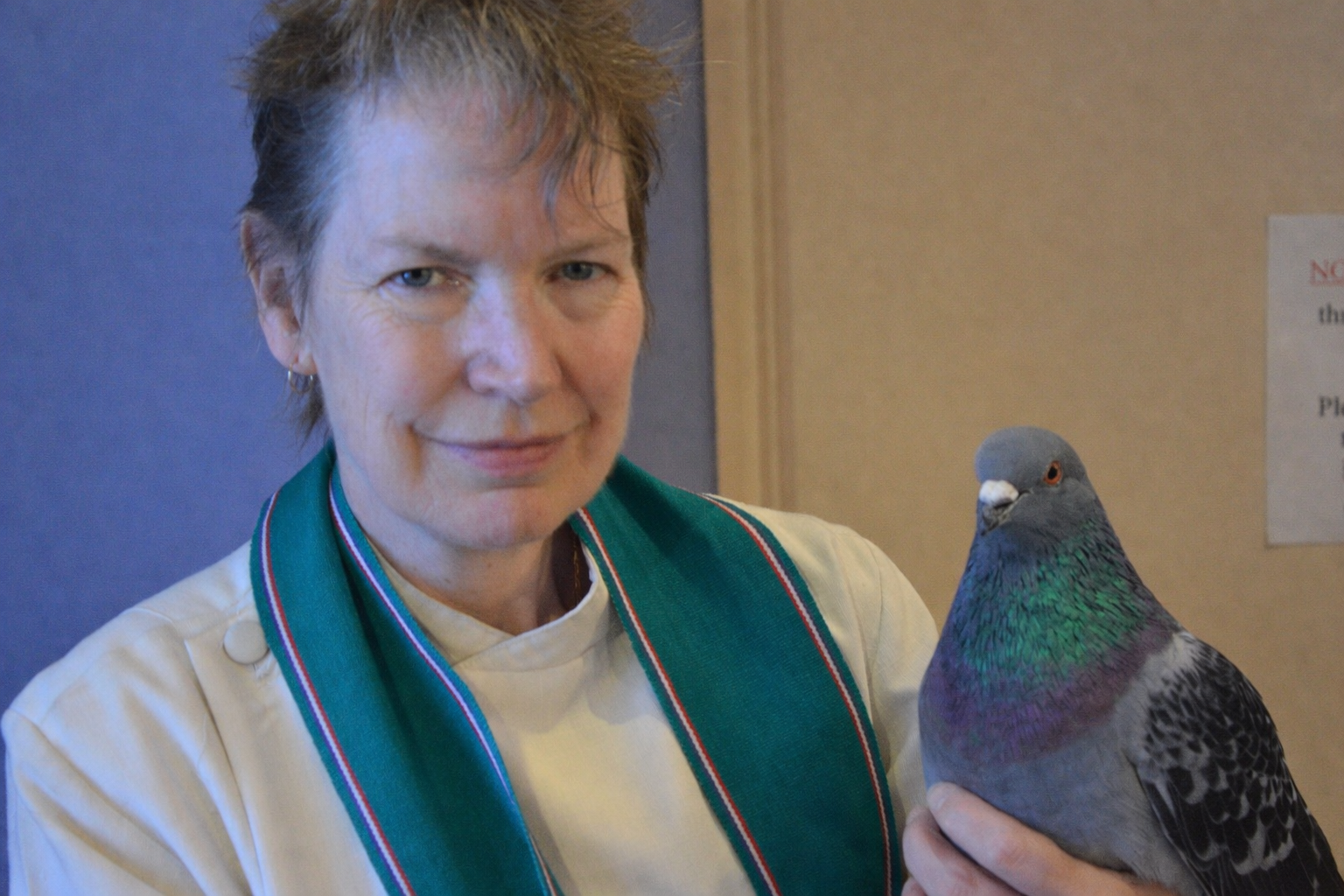
Barbara Allen is a writer and chaplain at Lort Smith Animal Hospital in Melbourne, Australia. She is the author of the book Pigeon, which explores the cultural and historical relationship between humans and pigeons. Allen has also written the picture book I Was There and contributed to publications such as Peace of Mind and Uniting Church Studies.