Average Lifespan of a Pigeon | Facts & Survival
Many people who start keeping pigeons often ask about the average lifespan of a pigeon. It is a very important question, especially for beginners who want to understand how long their birds may live and what they can do to keep them healthy.
From my own experience raising pigeons, I have learned that pigeons can live surprisingly long lives when they receive good care. I have birds in my loft that have been with me for many years. Watching them grow, breed, and raise several generations of young birds is one of the most rewarding parts of pigeon keeping.
The average lifespan of a pigeon depends on several things. The type of pigeon, where it lives, and how well it is cared for all make a difference. A pigeon living freely in the city faces many dangers. A pigeon living in a clean and well-managed loft usually lives much longer.
Understanding pigeon lifespan also helps owners make better decisions about daily care. Feeding the right diet, keeping the loft clean, and watching for early signs of pigeon diseases all play a big role in how long a pigeon lives.
Many beginners only think about feeding their birds. But good pigeon care involves much more than that. Things like proper shelter, fresh water, and good breeding management are just as important. Learning about topics like what pigeons eat, pigeon breeding guide, pigeon behaviour, and common pigeon diseases helps owners keep their birds healthy for many years.
Another reason this topic matters is emotional attachment. Anyone who raises pigeons for a while knows that these birds develop their own personalities. Some become favourite birds in the loft. Knowing how to give them a long and healthy life becomes very important.
A healthy pigeon that is well cared for can live many years and continue breeding successfully during that time. On the other hand, poor care, stress, and disease can shorten a pigeon’s life very quickly.
Understanding the average lifespan of a pigeon helps pigeon owners focus on the things that matter most. With the right knowledge and daily care, pigeons can live long lives and remain active members of the loft.
Main Explanation of the Topic
What Is the Average Lifespan of a Pigeon
From my experience raising pigeons, the average lifespan of a pigeon depends mostly on whether the bird lives in the wild or is raised by a keeper.
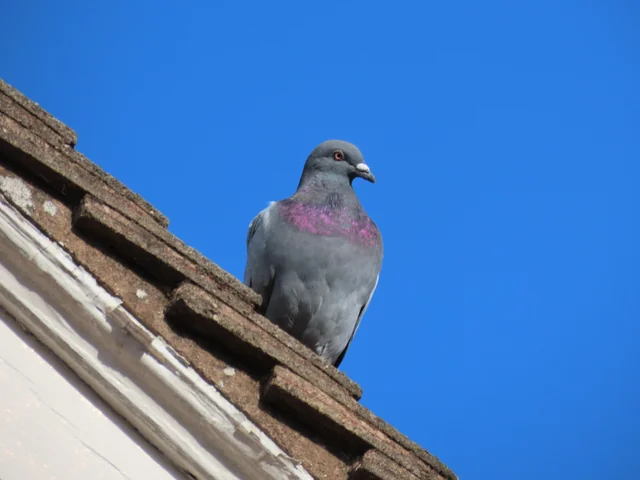
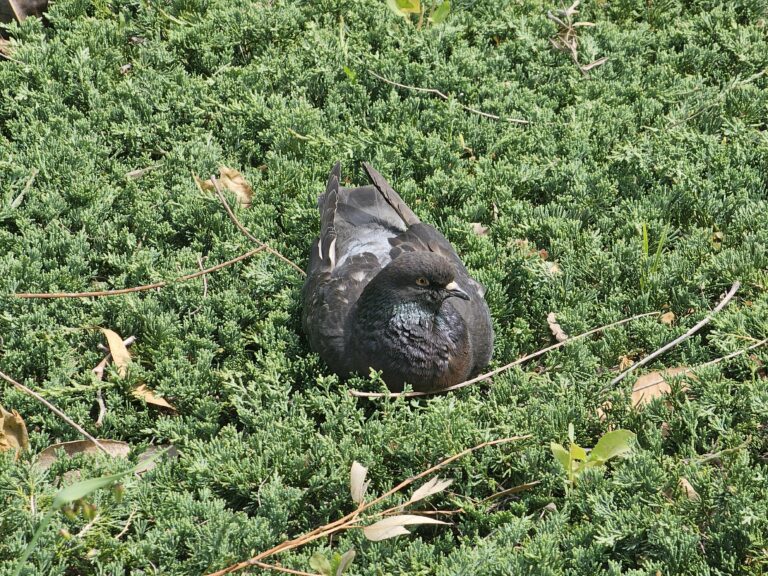
Wild pigeons that live in cities usually live about 3 to 6 years. Life in the wild is hard for them. They face predators, harsh weather, limited food, and many diseases.
Pigeons raised by people often live much longer. A well-cared-for pigeon in a clean loft can live 10 to 15 years. I have even seen some birds live close to 20 years when they receive excellent care.
Domestic pigeons live longer mainly because their environment is safer. They receive regular food, clean water, and protection from predators.
Good care really makes a big difference in how long a pigeon lives.
Why Some Pigeons Live Longer Than Others
Not every pigeon lives the same number of years. Several factors affect the average lifespan of a pigeon.
Some of the most important ones include:
Quality of food
Pigeons need a balanced diet to stay healthy. I usually feed a mix of grains such as corn, wheat, peas, and millet. A poor diet weakens pigeons and shortens their lifespan.
If you want to learn more about proper feeding, topics like what do pigeons eat can help beginners understand pigeon nutrition better.
Clean living environment
A dirty loft can quickly cause health problems. Moisture, droppings, and poor ventilation can spread infections. I clean my loft regularly and make sure fresh air moves through the space.
Clean loft conditions help prevent many common pigeon diseases.
Protection from predators
Wild pigeons often become prey for hawks, cats, and other animals. In a well-built loft, pigeons are much safer. This protection helps them live longer.
Genetics and breeding
Some pigeons naturally have better health because of good breeding. Responsible breeding practices improve the strength of future generations.
Learning proper breeding techniques from a pigeon breeding guide can help pigeon keepers maintain healthy birds.
Daily observation
One habit that every pigeon keeper should develop is watching their birds closely. Healthy pigeons are active and alert. They move quickly, eat well, and interact normally with the flock.
Understanding normal pigeon behaviour helps you notice early signs of illness before the problem becomes serious.
The Difference Between Wild Pigeons and Domestic Pigeons
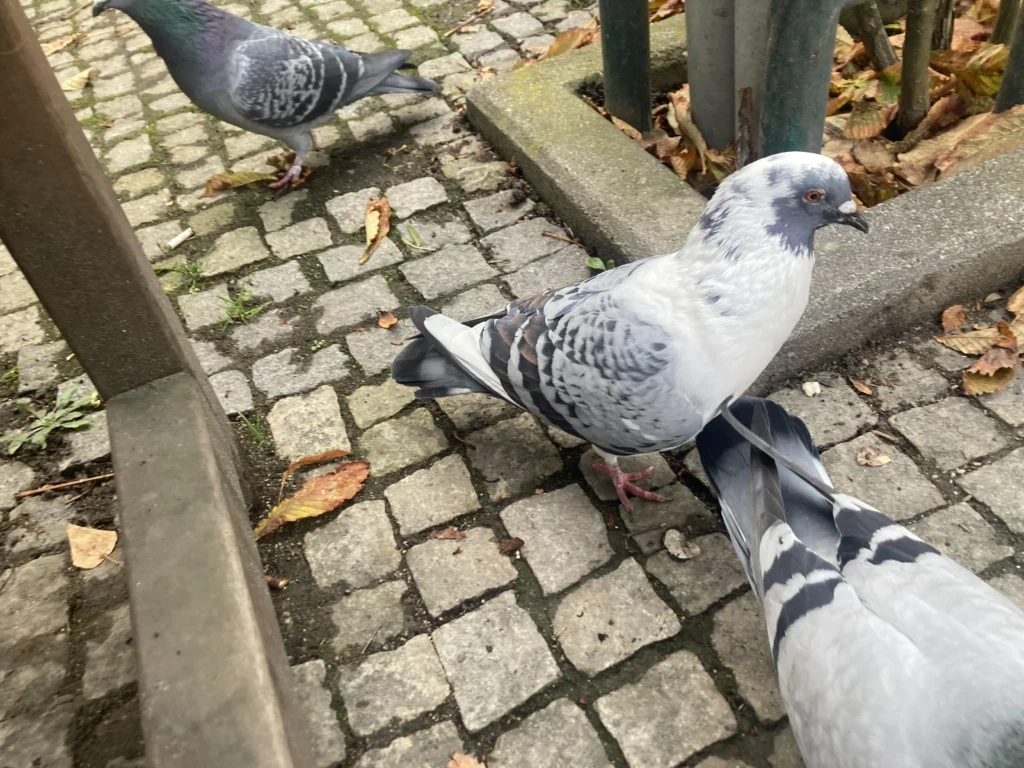
Many beginners are surprised by how different the lifespan is between wild and domestic pigeons.
Wild pigeons must search for food every day. They face traffic, predators, and disease. Because of these dangers, their lives are usually much shorter.
Domestic pigeons live under human care. They receive regular feeding, shelter, and protection. This safer environment allows them to live much longer.
I have noticed that pigeons raised in a calm and stable loft often remain active for many years. Some older pigeons continue breeding successfully long after younger birds have already slowed down.
This is one reason why experienced pigeon keepers value their older birds. They often become reliable breeders and help produce strong young pigeons.
Signs of a Healthy Long-Living Pigeon
Over the years, I have learned that pigeons that live longer usually show several clear signs of good health.
They usually have:
• bright and clear eyes
• smooth and shiny feathers
• strong appetite
• active movement in the loft
• calm but alert behaviour
When pigeons stay healthy and active, their chances of living a long life increase greatly.
Tips and Common Mistakes
Keeping pigeons for many years has taught me that small daily habits make a big difference in the average lifespan of a pigeon. Birds that receive consistent care usually live much longer than birds that are ignored or poorly managed.
Many beginners focus only on feeding their pigeons. Food is important, but long-lived pigeons need proper care in several areas. Below are some practical tips that I follow in my own loft.
Keep the Loft Clean and Dry
One of the biggest factors that affects pigeon health is the condition of the loft.
A clean loft prevents many common pigeon diseases. Wet floors and accumulated droppings can quickly spread infections. I try to clean the loft regularly and remove droppings before they build up.
Good ventilation is also very important. Fresh air keeps the loft dry and reduces harmful bacteria.
Pigeons raised in clean lofts usually stay stronger and live longer.
Feed a Balanced Diet
Food quality has a huge effect on pigeon health.
Pigeons should receive a mix of grains that provide energy and nutrients. Many pigeon keepers use a grain mix that includes corn, wheat, peas, and millet.
Fresh water should always be available.
If someone wants to understand pigeon feeding better, learning about what pigeons eat can help new pigeon keepers build a healthy diet plan.
Watch Your Birds Every Day
Daily observation is one of the best habits a pigeon keeper can develop.
Healthy pigeons behave in certain ways. They move actively, eat normally, and interact with other birds. Once you understand normal pigeon behaviour, it becomes easier to notice when something is wrong.
If a pigeon sits quietly in a corner, stops eating, or looks weak, it may be getting sick.
Early attention often prevents serious health problems.
Avoid Overcrowding in the Loft
Overcrowding causes stress and increases the spread of disease.
When too many pigeons live in a small space, fights become more common, and hygiene becomes harder to maintain.
Giving pigeons enough space helps them stay calm and healthy.
A comfortable loft environment supports a longer lifespan.
Breed Pigeons Carefully
Breeding pigeons without proper planning can weaken a flock.
Strong and healthy parent birds usually produce healthier young pigeons. Poor breeding practices can lead to weak chicks that struggle to survive.
Following a proper pigeon breeding guide helps pigeon keepers build a stronger flock over time.
Healthy breeding practices improve the overall lifespan of future pigeons.
Common Mistakes That Shorten a Pigeon’s Life
Many pigeon keepers make mistakes when they first start raising birds. These mistakes can reduce the average lifespan of a pigeon.
Some of the most common problems include poor oral hygiene, bad nutrition, and ignoring early signs of illness.
Here are a few mistakes I often see beginners make.
Ignoring Early Signs of Disease
Some owners notice a sick pigeon but wait too long to act. Pigeon diseases can spread quickly if they are ignored.
Learning about common pigeon diseases helps owners recognise problems early.
Feeding Only One Type of Grain
A single-grain diet is not healthy for pigeons. Birds need a mix of grains to receive balanced nutrition.
A proper feeding routine helps pigeons stay strong.
Poor Loft Ventilation
Many beginners build lofts that are closed and poorly ventilated. Fresh air is essential for pigeon health.
Good airflow reduces moisture and keeps birds comfortable.
Handling Pigeons Too Often
Some new owners handle their pigeons too frequently. While pigeons can become tame, excessive handling can cause stress.
Calm birds in a stable loft environment usually live longer.
FAQ About the Average Lifespan of a Pigeon
How long does the average pigeon live?
The average lifespan of a pigeon depends on where the bird lives and how it is cared for.
Wild pigeons that live in cities usually live around 3 to 6 years. They deal with many dangers such as predators, bad weather, and limited food.
Pigeons raised by keepers often live 10 to 15 years. With excellent care, some pigeons can even reach 18 to 20 years. In my own loft, I have seen older birds remain healthy and active for many years when they receive proper food and a clean living space.
Can pigeons live longer in captivity?
Yes, pigeons usually live longer when people raise them.
Domestic pigeons receive regular food, fresh water, and protection from predators. Their loft also protects them from harsh weather conditions.
Because of this safer environment, the average lifespan of a pigeon in captivity is often much longer than that of wild pigeons.
Good care also helps prevent many common pigeon diseases, which further improves their chances of living a long life.
What helps pigeons live longer?
Several things help pigeons live longer.
A balanced diet is very important. Pigeons need different grains to stay healthy. Many keepers learn about proper feeding by studying topics like what pigeons eat.
Clean living conditions also play a big role. A well-ventilated loft and regular cleaning prevent many health problems.
Healthy breeding practices matter as well. Strong parent birds often produce healthier young birds. Learning from a good pigeon breeding guide can help keepers build a stronger flock over time.
Finally, daily observation is essential. Understanding normal pigeon behaviour helps you quickly notice when something is wrong.
Do racing pigeons live longer than regular pigeons?
Racing pigeons can live just as long as other domestic pigeons when they receive good care.
However, racing birds sometimes face more physical stress because of training and long flights. Injuries or exhaustion can shorten their lives if they are not managed properly.
Experienced pigeon keepers monitor their racing birds closely and make sure they receive proper rest and nutrition.
With responsible care, many racing pigeons still live well over ten years.
At what age do pigeons stop breeding?
Most pigeons breed best between one and seven years of age. During these years, they are strong and very productive.
Older pigeons can still breed, but their fertility may slowly decrease with age. Some birds remain good breeders even after ten years if they stay healthy.
In many lofts, older pigeons become valuable because of their experience raising young birds.
Conclusion
Understanding the average lifespan of a pigeon helps pigeon owners take better care of their birds. When people first start raising pigeons, they are often surprised to learn how long these birds can live with proper care.
Wild pigeons usually live only a few years because they face many dangers every day. Lack of food, predators, harsh weather, and disease make survival difficult. Because of this, most wild pigeons live between three and six years.
Domestic pigeons live much longer. When pigeons are raised in a safe loft and receive good food, clean water, and proper care, they can live ten to fifteen years. Some even reach close to twenty years.
From my own experience raising pigeons, the birds that live the longest are the ones that receive consistent care every day. Simple habits make a big difference. Feeding a balanced diet, keeping the loft clean, and watching birds closely for signs of illness all help improve their lifespan.
Learning about pigeon care also helps owners prevent problems before they start. Topics like what pigeons eat, common pigeon diseases, and proper loft management are all important for keeping pigeons healthy. Understanding normal pigeon behaviour also helps owners quickly notice when something is wrong.
Responsible breeding practices are another key factor. Healthy parent birds usually produce stronger chicks. Studying a good pigeon breeding guide helps pigeon keepers build a healthier flock over time.
Raising pigeons is not only about keeping birds. Over time, you begin to recognise each bird’s personality and habits. Some birds become favourites in the loft, and watching them grow older becomes very rewarding.
With patience, daily care, and the right knowledge, pigeons can live long, healthy lives. For many pigeon keepers, seeing a bird stay active and healthy for many years is one of the most satisfying parts of the hobby.
Taking good care of pigeons today helps ensure they remain strong members of the loft for many years to come.
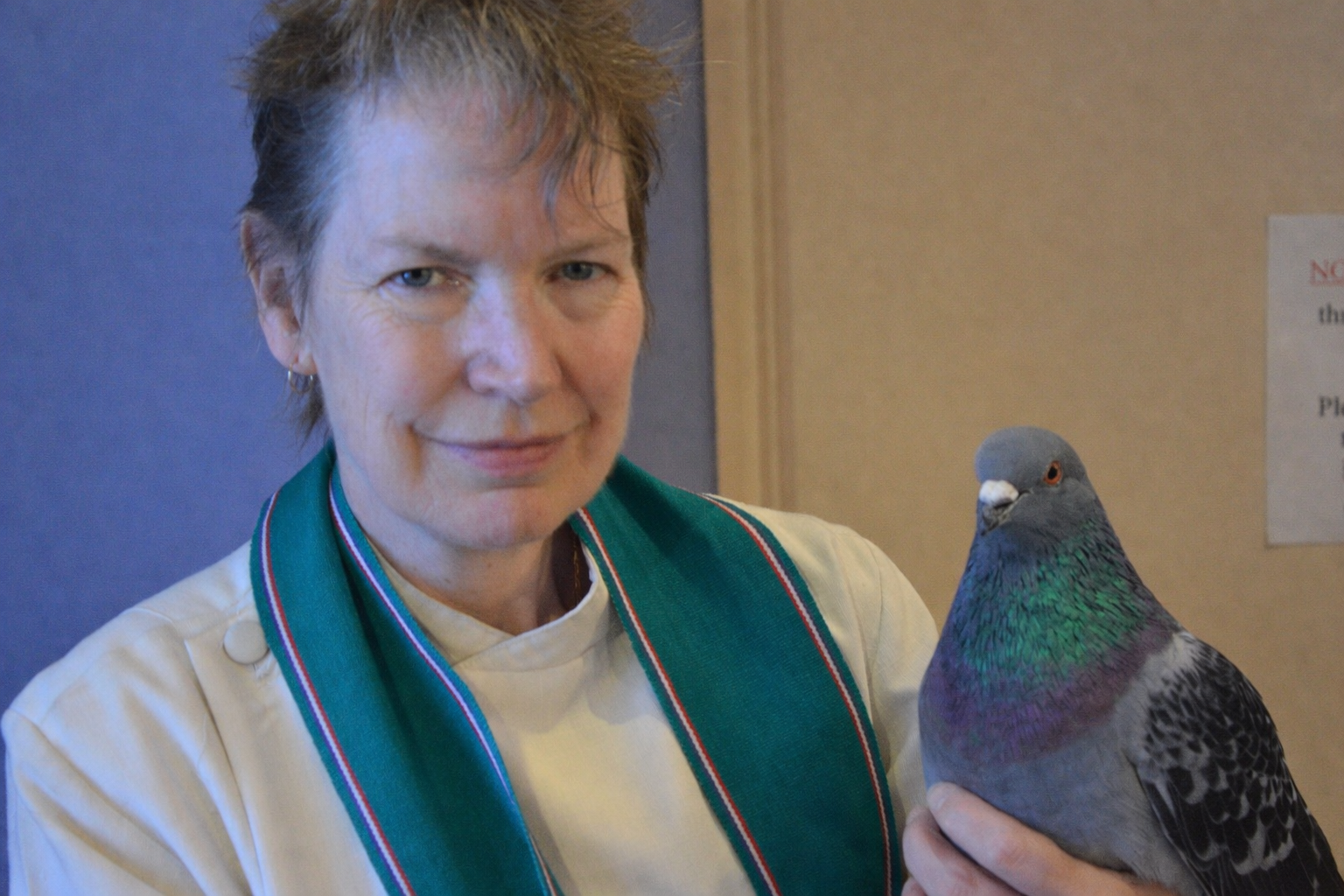
Barbara Allen is a writer and chaplain at Lort Smith Animal Hospital in Melbourne, Australia. She is the author of the book Pigeon, which explores the cultural and historical relationship between humans and pigeons. Allen has also written the picture book I Was There and contributed to publications such as Peace of Mind and Uniting Church Studies.