Baby Pigeon Is Called? Bird Name Explained
People who are new to pigeons often ask a simple question. What is a baby pigeon called? It is a fair question, especially if you recently noticed a pair of pigeons nesting near your home or if you just started raising pigeons yourself.
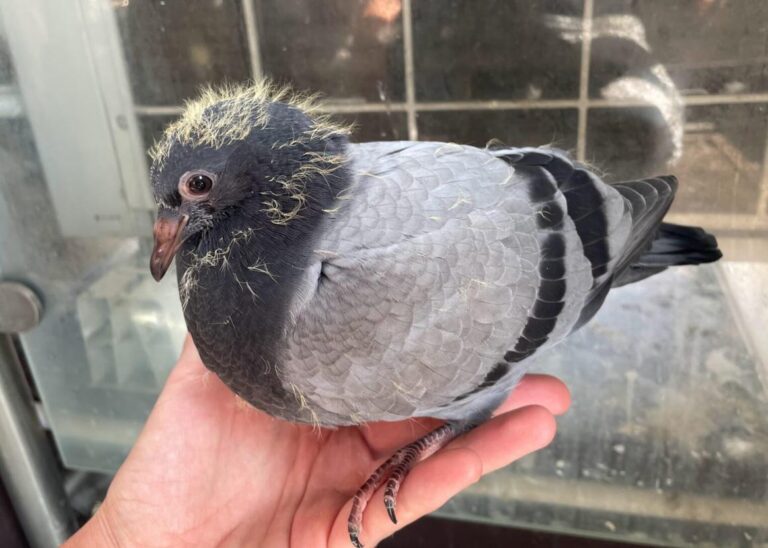
A baby pigeon is called a squab. That is the proper name used by pigeon keepers, breeders, and bird experts. When pigeons hatch from the egg, they are known as squabs until they grow their feathers and become young pigeons.
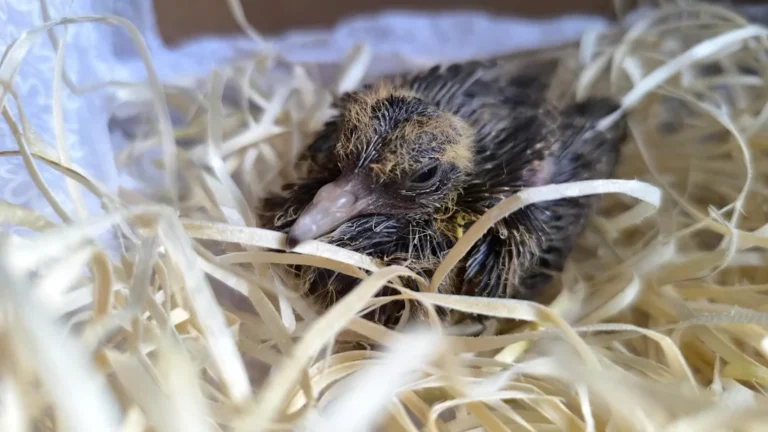
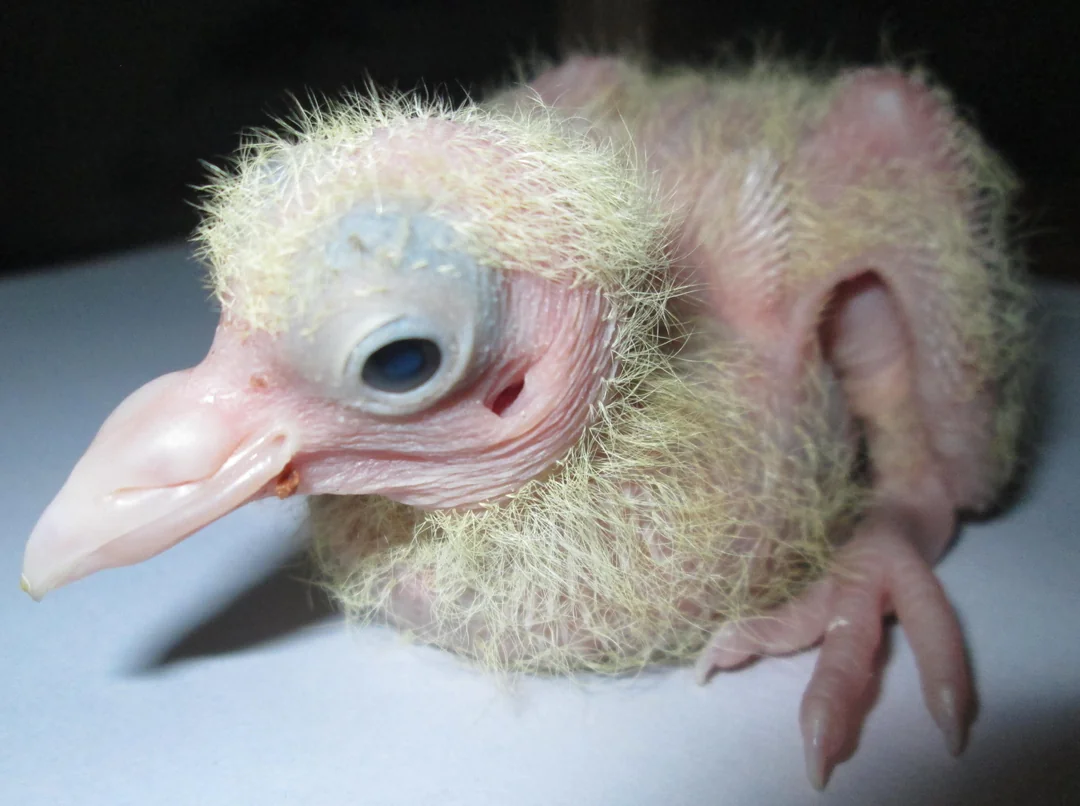
I still remember the first time I saw a squab in my own pigeon loft. The parents had been sitting on the eggs for about eighteen days. One morning, I checked the nest and saw two tiny yellow chicks tucked under the mother pigeon. They were small, quiet, and completely dependent on their parents. That is what a squab looks like during the first days of life.
Many people rarely see baby pigeons in cities, which makes the topic even more confusing. Pigeons usually raise their young in hidden nests on rooftops, barns, bridges, or inside pigeon lofts. Because of this, most people only see adult pigeons walking around and never notice the babies.
Understanding what a baby pigeon is called matters more than people think. If you keep pigeons or plan to start, knowing the stages of pigeon growth helps you take better care of them. It also helps you understand pigeon breeding and how parent pigeons raise their young.
For example, when you learn about squabs, you also start to understand how pigeons feed their babies. Pigeon parents produce something special called crop milk. Both the mother and father feed the squabs during the first days of life. Watching this process is one of the most interesting parts of raising pigeons.
This topic also connects to many other important parts of pigeon keeping. When people ask about squabs, they usually want to learn more about pigeon breeding, how pigeons raise their babies, and how to care for young birds. Topics like pigeon breeding guide, what do pigeons eat, pigeon behaviour, and even pigeon diseases all become important when you start raising young pigeons.
If you are a beginner pigeon keeper, learning about squabs will help you understand how pigeons grow from tiny chicks into strong adult birds. It will also make you a more confident and responsible pigeon owner.
Many new pigeon keepers get excited when they see their first nest with eggs. But the real learning begins after the eggs hatch. That is when the tiny squabs start growing quickly and need proper care from their parents and sometimes from the keeper as well.
Main Explanation of the Topic
What a Baby Pigeon Is Called
A baby pigeon is called a squab. This name is used by pigeon breeders, bird experts, and people who raise pigeons regularly. The word refers to a young pigeon from the time it hatches until it is ready to leave the nest.
Most squabs stay in the nest for about four weeks. During this time, they grow very quickly. When they first hatch, they are tiny, blind, and covered in soft yellow down feathers. They cannot eat independently and depend entirely on their parents.
If you raise pigeons long enough, you get used to checking nests and watching squabs grow day by day. It is one of the most rewarding parts of keeping pigeons.
Why People Rarely See Baby Pigeons
One reason people often search for the term baby pigeon is that they rarely see them. Unlike many birds, pigeons do not bring their young out into open areas.
Instead, they build nests in quiet and hidden places such as
• rooftops
• barns
• attics
• bridges
• pigeon lofts
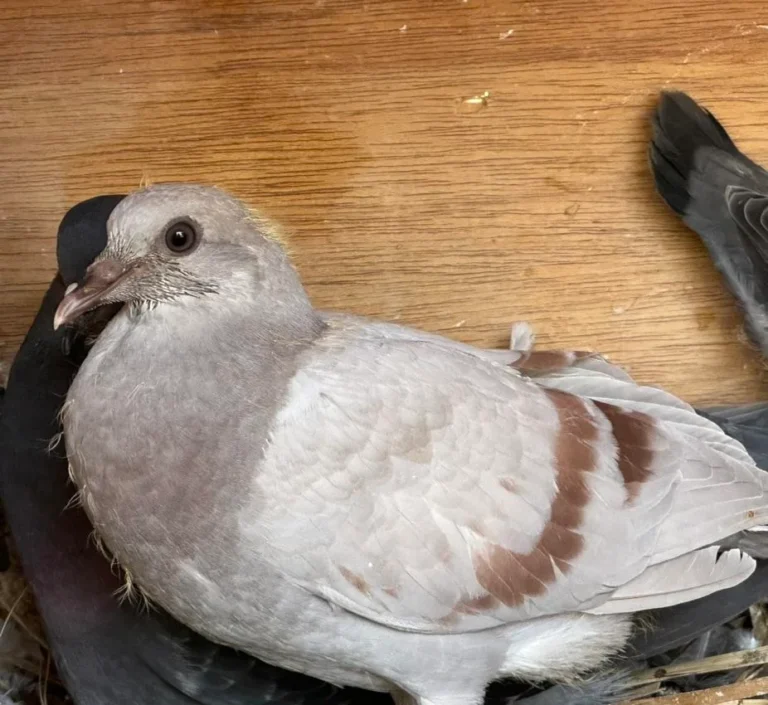
The squabs stay inside the nest until they are almost ready to fly. By the time they leave the nest, they already look very similar to adult pigeons. That is why many people think baby pigeons do not exist.
How Squabs Grow in the Nest
From my experience raising pigeons, the growth of a squab is surprisingly fast. Watching the process teaches you a lot about pigeon behaviour and parenting.
Here is what usually happens after the eggs hatch.
Day 1 to Day 3
The squab is very small and fragile. Its eyes are closed, and it cannot control its body well. At this stage, it stays under the parent pigeon almost all the time for warmth.
Both parents take turns feeding the squab with crop milk. This special food is rich and helps the baby grow quickly.
Day 4 to Day 10
The squab becomes stronger and begins to grow rapidly. The eyes open and the body becomes larger every day. Small feathers begin to appear.
When I check nests during this time, the squabs already look much bigger than when they first hatched.
Day 11 to Day 20
Feathers begin to cover most of the body. The squab becomes active and begins moving around the nest.
Parents gradually shift the diet from cow’s milk to partially digested seeds. This is why understanding what pigeons eat is important when you keep pigeons. Good food helps both the parents and the babies stay healthy.
Day 21 to Day 30
By this time, the squab looks almost like a young pigeon. The feathers are fully developed, and the bird becomes curious about the outside world.
Soon it will leave the nest and start learning to fly.
Practical Advice for Pigeon Owners Raising Squabs
If you raise pigeons at home, caring for squabs does not require complicated work. The parent pigeons usually handle most of the feeding and protection.
However, there are a few things I always pay attention to in my loft.
Keep the Nest Area Clean
A clean nest helps prevent many problems. Dirty nesting areas can lead to health issues and increase the risk of pigeon diseases.
I usually replace nesting material when needed and keep the loft dry.
Provide Good Food for Parent Pigeons
Healthy parents raise healthy squabs. I make sure the breeding pairs always have access to quality grains, clean water, and minerals.
Good nutrition helps parents produce high-quality milk for their babies.
Avoid Disturbing the Nest Too Much
New pigeon keepers sometimes check the nest too often. I understand the excitement because I did the same when I started.
But too much disturbance can stress the parents. I usually check the nest gently once a day to make sure everything looks normal.
Watch the Growth of the Squabs
A healthy squab grows fast and becomes heavier each day. If a baby pigeon looks weak or much smaller than usual, it may need attention.
Sometimes problems happen when one squab gets more food than the other. Careful observation helps you notice these situations early.
Raising squabs is one of the best ways to understand pigeon breeding and pigeon behaviour. Once you see the full process from egg to young bird, you gain a lot of respect for how dedicated pigeon parents really are.
Tips and Common Mistakes
Raising squabs can be a great experience for pigeon owners. Most of the time, the parent pigeons handle the job very well. Still, there are a few things I have learned over the years that can make a big difference.
New pigeon keepers often make small mistakes without realising it. A little knowledge can help you avoid problems and raise healthy young birds.
Helpful Tips for Raising Healthy Squabs
Let the Parent Pigeons Do Their Job
One of the best things you can do is trust the parent pigeons. Pigeons are excellent parents—both the male and female share the work of feeding and protecting the squabs.
The father usually feeds the babies during the day. The mother often takes over in the evening and at night. Watching this teamwork is one of the reasons I enjoy keeping pigeons so much.
Unless there is a clear problem, it is best not to interfere with the nest.
Provide Fresh Food and Clean Water Every Day
Healthy food for the parents leads to healthy squabs. I always keep a mix of good grains available in the loft. Fresh water is just as important.
When the parents are well fed, they produce strong crop milk and later feed the babies properly with seeds.
This is why learning about what pigeons eat is an important part of pigeon keeping.
Make Sure the Loft Is Safe and Quiet
Squabs grow best in a calm and safe environment. Loud noise, constant disturbance, or predators can stress the parents.
In my loft, I make sure the nesting area is protected from cats, rats, and other animals. A peaceful nesting space helps the parents focus on raising their babies.
Observe Your Birds Regularly
Even though you should not disturb the nest too much, it is still important to keep an eye on your pigeons.
When you spend time around your birds, you quickly learn normal pigeon behaviour.r This helps you notice if something is wrong with a nest or a young pigeon.
Early observation can prevent bigger problems later.
Common Mistakes New Pigeon Keepers Make
Checking the Nest Too Often
This is probably the most common mistake. Beginners get excited and keep opening the nest to look at the squabs.
Too much handling can stress the parents. In some cases, the parents may even abandon the nest if they feel unsafe.
A quick and gentle check once a day is usually enough.
Poor Nest Hygiene
A dirty nest can lead to health issues. Moist nesting material and droppings create a habitat for bacterial growth.
Over time, this may lead to pigeon diseases that affect both adult birds and squabs.
Keeping the loft clean is one of the simplest ways to protect young pigeons.
Weak Nutrition for Breeding Pairs
Some people focus only on feeding the squabs. But the real key is properly feeding the parents.
Strong breeding pairs produce stronger babies. Good grain mix, minerals, and clean water should always be available.
This is something I learned early while following a proper pigeon breeding guide.
Ignoring Signs of Sick Squabs
Healthy squabs grow quickly and gain weight every day. If a baby pigeon stays small, weak, or quiet for too long, it may need attention.
Regularly watching the nest helps you notice these signs early.
Most of the time,n parents handle everything perfectly. But good pigeon keepers always stay observant.
FAQ Section
What is a baby pigeon called?
A baby pigeon is called a squab. This term is used from the moment the chick hatches until it leaves the nest. Most squabs stay in the nest for about four weeks before they are ready to explore the outside world.
Once they leave the nest and begin learning to fly, they are usually called young pigeons or juvenile pigeons.
Why do people rarely see baby pigeons?
Many people wonder about the phrase baby pigeon because they rarely see one. The reason is simple. Pigeons raise their babies in hidden places.
They build nests on rooftops, inside barns, under bridges, and in quiet lofts. The squabs stay there until they are almost fully grown. By the time they come out, they already look very similar to adult pigeons.
How long do baby pigeons stay in the nest?
Most squabs stay in the nest for around four weeks. During this time, the parent pigeons feed them and protect them.
The babies grow quickly during these weeks. Their feathers develop, and they gain strength. When they are ready, they leave the nest and start learning to fly.
If you follow a good pigeon breeding guide, you will see that this four-week period is one of the most important stages of pigeon growth.
Do both parent pigeons feed the baby?
Yes. One interesting thing about pigeons is that both parents feed the squabs. The mother and father produce crop milk and feed the babies during the first days of life.
Later, they begin feeding partially digested seeds. This is why good nutrition and understanding what pigeons eat are very important for pigeon keepers.
What should you do if you find a baby pigeon?
If you find a squab on the ground, the best thing to do is first check if the nest is nearby. Many times, the baby may have fallen accidentally.
If possible, gently return the squab to the nest. The parents will usually continue caring for it.
If the baby looks injured or weak, it may need help. Observing the bird and understanding normal pigeon behaviour, you decide on the course of action.
Conclusion
Now you know the answer to a question many people ask. A baby pigeon is called a squab. This name is used by pigeon keepers, breeders, and bird experts to describe a young pigeon from the moment it hatches until it leaves the nest.
Even though pigeons are one of the most common birds in many cities, their babies are rarely seen. Squabs grow quietly inside hidden nests on rooftops, barns, bridges, or inside pigeon lofts. By the time they leave the nest, they already look very similar to adult pigeons. That is why many people do not realise what a baby pigeon is called.
For pigeon owners, understanding squabs is an important part of caring for birds. Watching a pair of pigeons raise their young teaches you a lot about patience, teamwork, and natural parenting. Both the male and female work together to feed and protect the babies. Seeing this process happen in your own loft is one of the most rewarding parts of raising pigeons.
If you plan to keep pigeons, learning about squabs is just the beginning. It also helps to understand topics such as breeding guides, common diseases, and normal pigeon behaviour, all of which relate to raising strong, healthy young pigeons.
From my own experience keeping pigeons, the key is simple. Provide a clean loft, good food, fresh water, and a calm nesting space. When the parents are healthy and comfortable, they usually do an excellent job raising their squabs.
For beginners, the first time you see tiny squabs in a nest is something you will not forget. It is a small moment that shows how amazing these birds really are. With proper care and a little patience, those tiny chicks quickly grow into strong pigeons that will one day raise squabs of their own.
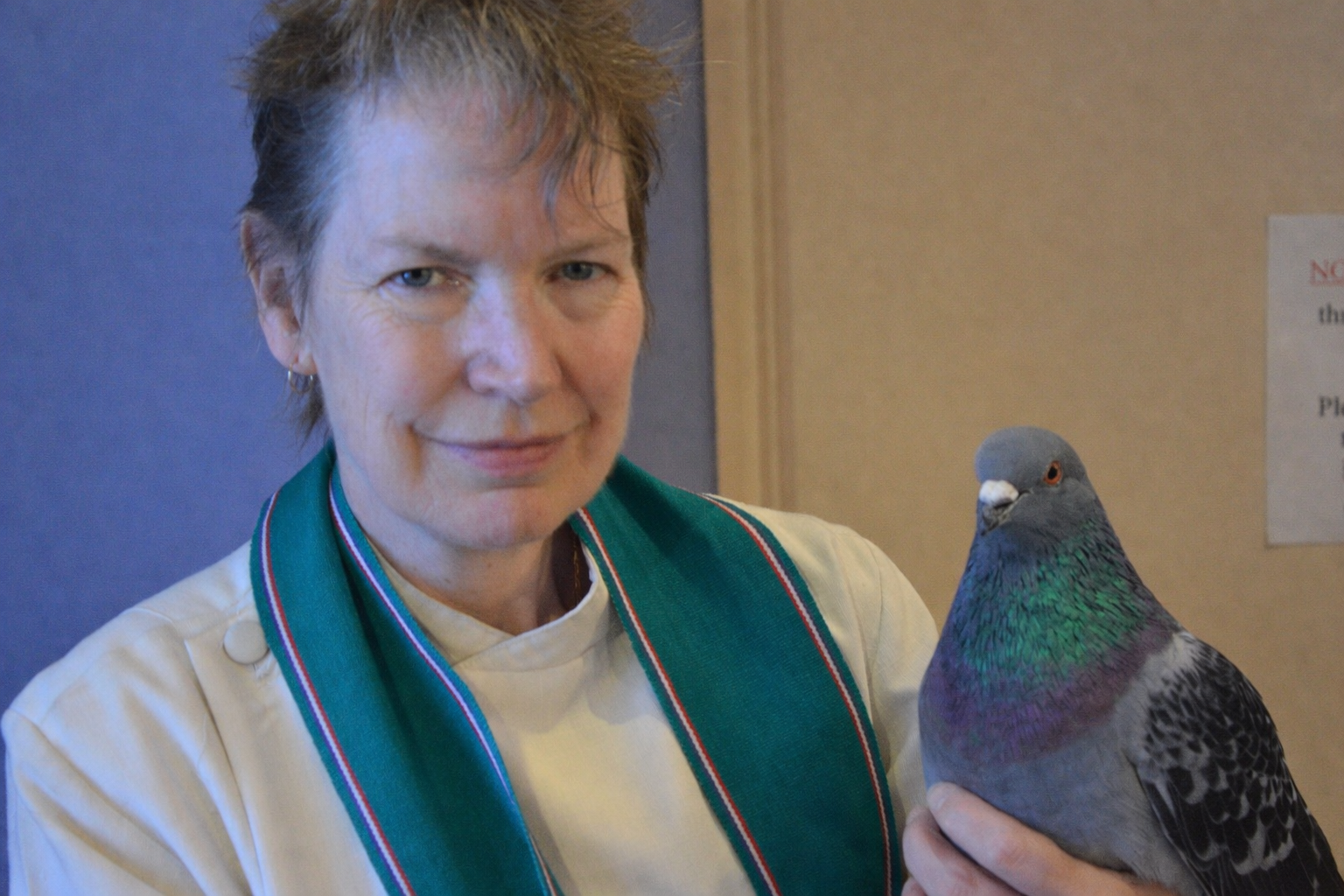
Barbara Allen is a writer and chaplain at Lort Smith Animal Hospital in Melbourne, Australia. She is the author of the book Pigeon, which explores the cultural and historical relationship between humans and pigeons. Allen has also written the picture book I Was There and contributed to publications such as Peace of Mind and Uniting Church Studies.