Young Pigeon Is Called? Simple Answer Guide
People who are new to pigeons often ask a simple question. Young pigeon is called what exactly?
The correct term for a young pigeon is a squab. This is the name pigeon keepers use for a baby pigeon still in the nest, being cared for by its parents.
When I first started raising pigeons, this was one of the first terms I learned. If you spend time around pigeon breeders or people who keep backyard pigeons, you will hear the word squab often. It becomes part of everyday conversation when you talk about breeding, nesting, and raising healthy birds.
Understanding what a young pigeon is called is helpful for beginners because pigeon keeping has its own vocabulary. Knowing these terms makes it easier to learn about pigeon breeding, feeding young birds, and caring for them properly as they grow.
Why This Topic Matters for Pigeon Owners
Knowing that a young pigeon is called a squab may sound like a small detail, but it actually helps a lot when you start learning about pigeon care.
For example, when pigeon keepers talk about breeding pairs, they often say things like:
“The pair has two squabs in the nest.”
That simple sentence tells another pigeon keeper exactly what stage the babies are in. Squabs are very young birds that their parents are still feeding. They cannot fly yet and depend completely on the adult pigeons.
From my own experience raising pigeons, the squab stage is one of the most important times in a pigeon’s life. Good care during these early days helps young birds grow strong and healthy.
When people begin learning about pigeon breeding, they quickly discover that squabs require a suitable environment, adequate nesting space, and healthy parent birds. This is why many pigeon keepers also study topics like pigeon breeding guides, pigeon behavior, and even pigeon diseases that can affect young birds.
Another reason this topic matters is feeding. New pigeon owners often ask what adult pigeons should eat to keep their babies healthy. This naturally leads to learning about what pigeons eat, since the parents must be well fed to produce crop milk and properly feed their squabs.
Over the years, I have seen that beginners who understand these basics early have a much easier time raising pigeons successfully.
And it all starts with a simple question that many people ask at the beginning.
A young pigeon is called what?
The answer is simple once you know it.
What Is a Young Pigeon Called
The simple answer is that a young pigeon is called a squab. This is the term used by pigeon keepers, breeders, and bird experts to describe a baby pigeon still in the nest.
A squab is usually between the day it hatches and about four weeks old. During this time, the young bird cannot fly and depends fully on its parents for food and warmth.
From my own experience raising pigeons, the squab stage is one of the most fascinating parts of pigeon life. Watching the parents care for their babies teaches you a lot about pigeon behavior and how strong their instincts are.
Most pigeon pairs are excellent parents. They take turns sitting on the eggs, protecting the nest, and feeding the young birds once they hatch.
How Squabs Grow in the Nest
When a pigeon egg hatches, the baby looks very different from the pigeons we usually see.
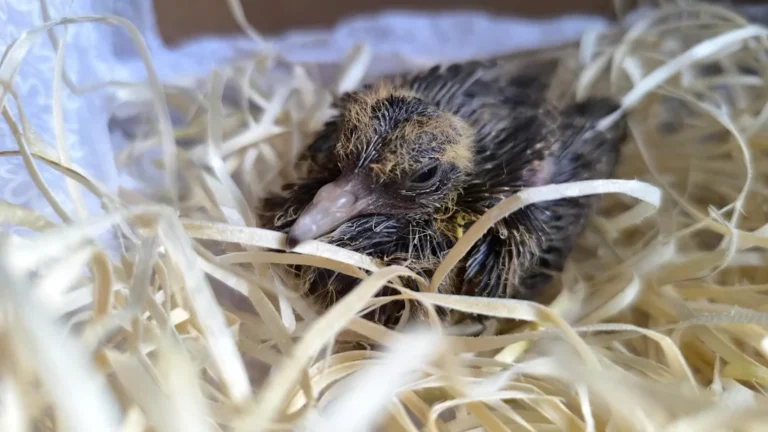
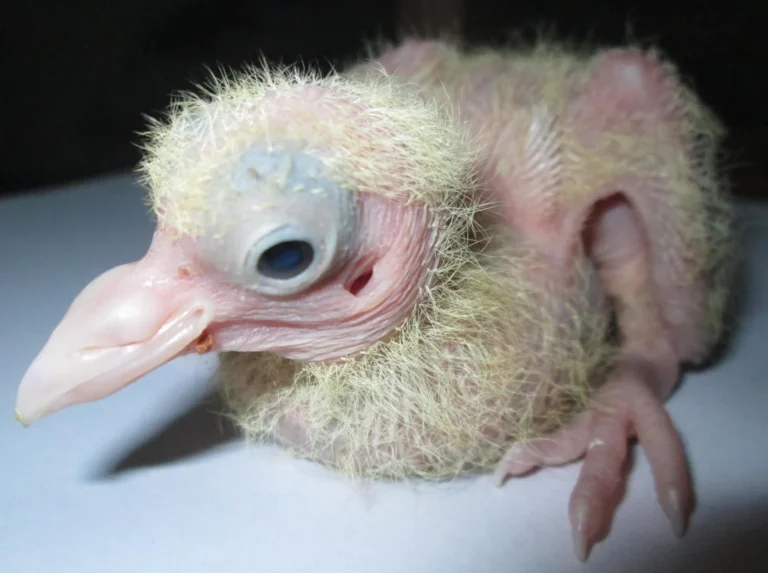
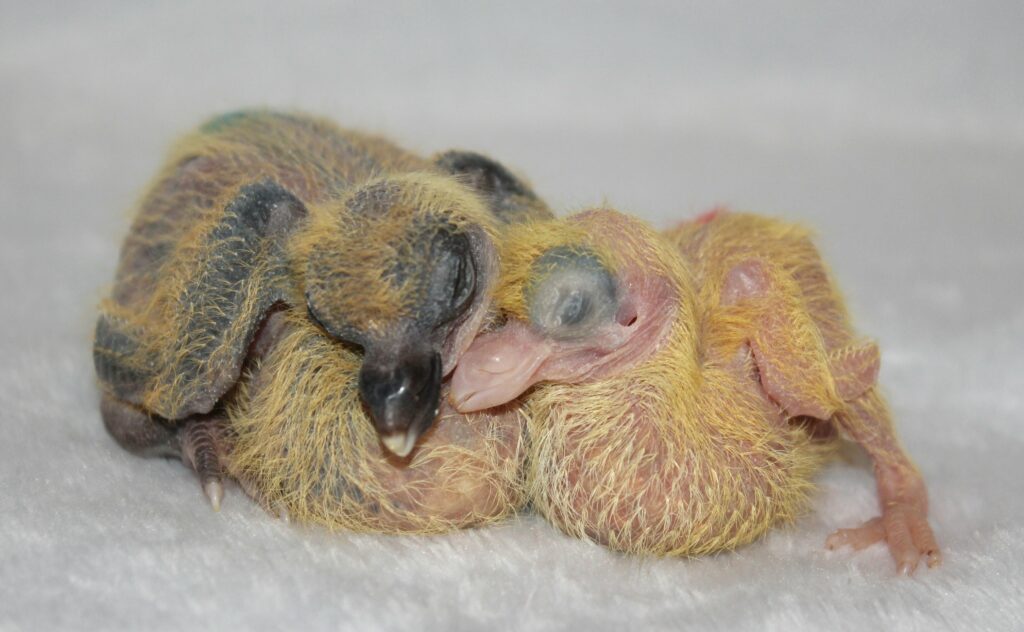
A newborn squab is small, soft, and covered in thin yellow fuzz. Its eyes are closed, and it cannot move around much. At this stage, it depends completely on the parents.
Both male and female pigeons feed their babies a special food called crop milk. This is a thick, rich substance produced in the parent crop. It contains nutrients that help the squab grow quickly.
Over the years, I have noticed that squabs grow surprisingly fast. In just a few days, they begin to get stronger. Their bones and their bodies start filling out.
By the second week, feathers begin to appear. At this point, the young pigeon already looks more like an adult bird.
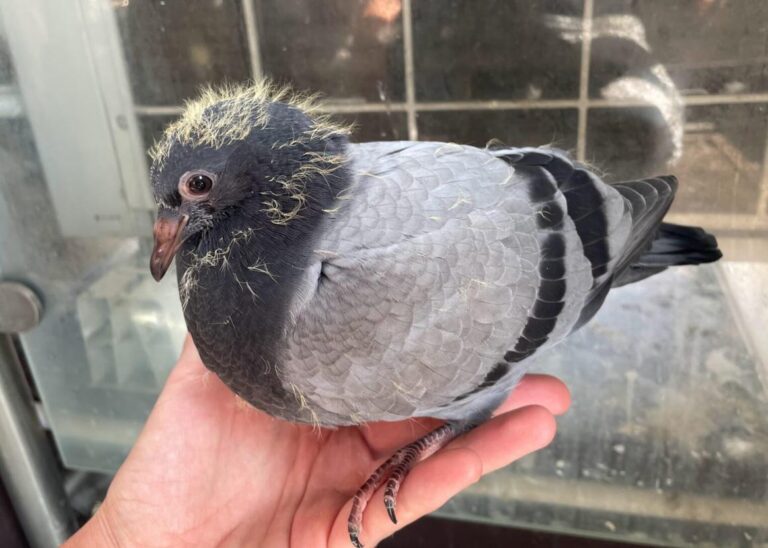
Around three to four weeks old, the squab becomes much more active. It moves around the nest and begins practicing small wing movements. This is when pigeon keepers know the young bird will soon leave the nest.
Practical Advice for Caring for Squabs
If you raise pigeons, taking care of squabs is something you will experience often. Good care during this stage makes a significant difference in the birds’ health.
One of the most important things is a clean and safe nesting area. Pigeon nests should stay dry and protected from wind and rain. Dirty nests can lead to problems, including pigeon diseases that affect young birds.
Another important factor is properly feeding the parent pigeons. Healthy parents raise healthy squabs. When I care for breeding pairs, I always make sure they have a balanced diet, clean water, and access to minerals.
This is also why many pigeon keepers learn early about what pigeons eat. Proper nutrition helps parents produce high-quality milk for their babies.
Observation is also very important. I always check nests quietly once a day to make sure the squabs are being fed and growing normally. Healthy squabs should look full and active as they develop.
If you ever see a squab that looks weak, thin, or inactive, it may need attention. Sometimes the parents may have trouble feeding properly, or there could be a health problem.
Learning about a pigeon breeding guide can help beginners better understand these stages and prepare to successfully raise young birds.
Helpful Tips for Raising Squabs Successfully
After raising pigeons for many years, I have learned that the early life of a pigeon can determine how strong and healthy the bird becomes later. Squabs grow quickly, but they still need the right environment and good care from the start.
Here are some practical tips that have helped me raise healthy young pigeons.
Keep the Nest Clean and Dry
Clean nests make a big difference for young pigeons. Squabs spend all their time in the nest during their first weeks, so the nesting area must stay dry and comfortable.
I usually place clean nesting material in the nest bowl. Straw, small twigs, or dry grass work well. If the nest becomes dirty, replacing the material helps prevent health problems and keeps the babies safe.
Dirty nests can sometimes lead to infections or other pigeon diseases, especially for very young birds.
Feed the Parent Pigeons Well
The health of the squabs depends heavily on their parents. Strong parent pigeons produce better crop milk and feed their babies more consistently.
When I have breeding pairs, I make sure they always have fresh grain, clean water, and access to minerals like grit and calcium. A balanced diet helps adults stay strong during the breeding season.
Many beginners focus only on the babies, but experienced pigeon keepers know the real secret is properly feeding the parents. Learning more about what pigeons eat can be very helpful during this stage.
Avoid Disturbing the Nest Too Often
Checking the nest is important, but too much disturbance can stress the parent pigeons.
I always look at the nest calmly and quietly. Once a day is usually enough to see if the squabs are growing normally.
Healthy squabs usually look full and relaxed. If their crops are full, it means the parents are feeding them well.
Watch How the Parents Behave
Observing pigeon behavior teaches you a lot about how the birds are doing.
Good parent pigeons sit on the nest often and guard their babies carefully. The male usually helps protect the nest while the female spends time feeding the squabs.
If the parents stop caring for the babies or leave the nest for long periods, something may be wrong.
Make Sure the Loft Is Safe
A safe loft protects young birds from predators and bad weather.
Cold wind, rain, and animals can be dangerous for small squabs. Strong loft walls, proper ventilation, and secure nesting areas help keep the babies protected.
A good pigeon breeding guide often explains how important loft design is for raising healthy young birds.
Common Mistakes New Pigeon Owners Make
Beginners sometimes make small mistakes that can affect young pigeons. These mistakes are easy to avoid once you understand how pigeons raise their babies.
Checking the Nest Too Often
Many new pigeon keepers are curious about the babies and check the nest repeatedly. Too much handling or disturbance can stress the parents and sometimes cause them to abandon the nest.
Quiet observation is always the best approach.
Poor Nutrition for the Parent Birds
Another common mistake is failing to feed adult pigeons well during the breeding season.
If the parents do not receive enough nutrients, they may struggle to feed the squabs properly. Healthy grain mixes and clean water should always be available.
Ignoring Early Signs of Illness
Young pigeons can sometimes develop health problems if the environment is dirty or if the parents are weak.
Watching the birds daily helps you notice early warning signs. Learning about common pigeon diseases can help pigeon owners react quickly if something looks wrong.
Overcrowded Lofts
Too many pigeons in a small space can cause stress and hygiene problems. Squabs grow best in a calm and clean environment.
Good space and proper loft management make pigeon breeding much easier and safer for young birds.
Frequently Asked Questions About Young Pigeons
People who are new to pigeon keeping often have many questions about baby pigeons. After raising pigeons for years, these are the questions I hear most from beginners.
What is a young pigeon called?
A young pigeon is called a squab. This name is used for baby pigeons still in the nest, being fed by their parents.
Squabs stay in the nest for about three to four weeks. During this time, they grow rapidly and depend entirely on their parents for food and warmth.
How long do squabs stay in the nest?
Most squabs remain in the nest for about 25 to 30 days.
In my loft, I usually notice that around the fourth week, the young pigeons begin moving more and stretching their wings. Soon after that, they start leaving the nest and exploring the loft.
This stage is exciting to watch because the young birds are becoming independent.
Do both parent pigeons feed the squabs?
Yes. One interesting thing about pigeon behavior is that both parents help raise the babies.
The male and female pigeons both produce crop milk and feed the squabs. They take turns caring for the nest. One bird usually stays with the babies while the other goes to eat or drink.
This teamwork is one reason pigeons are such successful parents.
What do baby pigeons eat?
Very young squabs eat crop milk, which the parent pigeons produce. This food is very rich and helps the babies grow quickly during their first days of life.
After about a week, the parents begin mixing small amounts of softened grain with the crop milk.
This is why pigeon keepers need to understand what pigeons eat, because healthy food for the parents helps them raise strong squabs.
Why do we rarely see baby pigeons outside?
Many people ask this question because they see adult pigeons everywhere but rarely see babies.
The reason is simple. Squabs stay hidden in the nest until they are almost ready to fly. By the time they leave the nest, they already look very similar to adult pigeons.
Because of this, most people do not realize they are seeing young birds.
Conclusion
Many people are curious about pigeons and often ask a simple question. A young pigeon is called what?
The answer is that a young pigeon is called a squab. Pigeon keepers and breeders use this term to describe baby pigeons still in the nest, being cared for by their parents.
From my experience raising pigeons, the squab stage is one of the most important parts of a pigeon’s life. During these early weeks, the young birds grow quickly and depend completely on their parents for food, warmth, and protection.
Healthy squabs usually come from strong parent pigeons. When adults are well-fed and live in a clean loft, they can successfully raise their babies. This is why pigeon keepers often focus on learning about topics such as what pigeons eat, proper nesting spaces from a pigeon breeding guide, and common pigeon diseases that can affect young birds.
Watching squabs grow is one of the most rewarding experiences for anyone who raises pigeons. In just a few weeks, these tiny birds develop feathers, become stronger, and eventually leave the nest to explore the loft.
For beginners, understanding simple things like what a young pigeon is called can open the door to learning more about pigeon behavior and pigeon care.
And once you start observing how pigeons raise their young, you quickly realize that these birds are remarkable parents who work together to give their babies the best start in life.
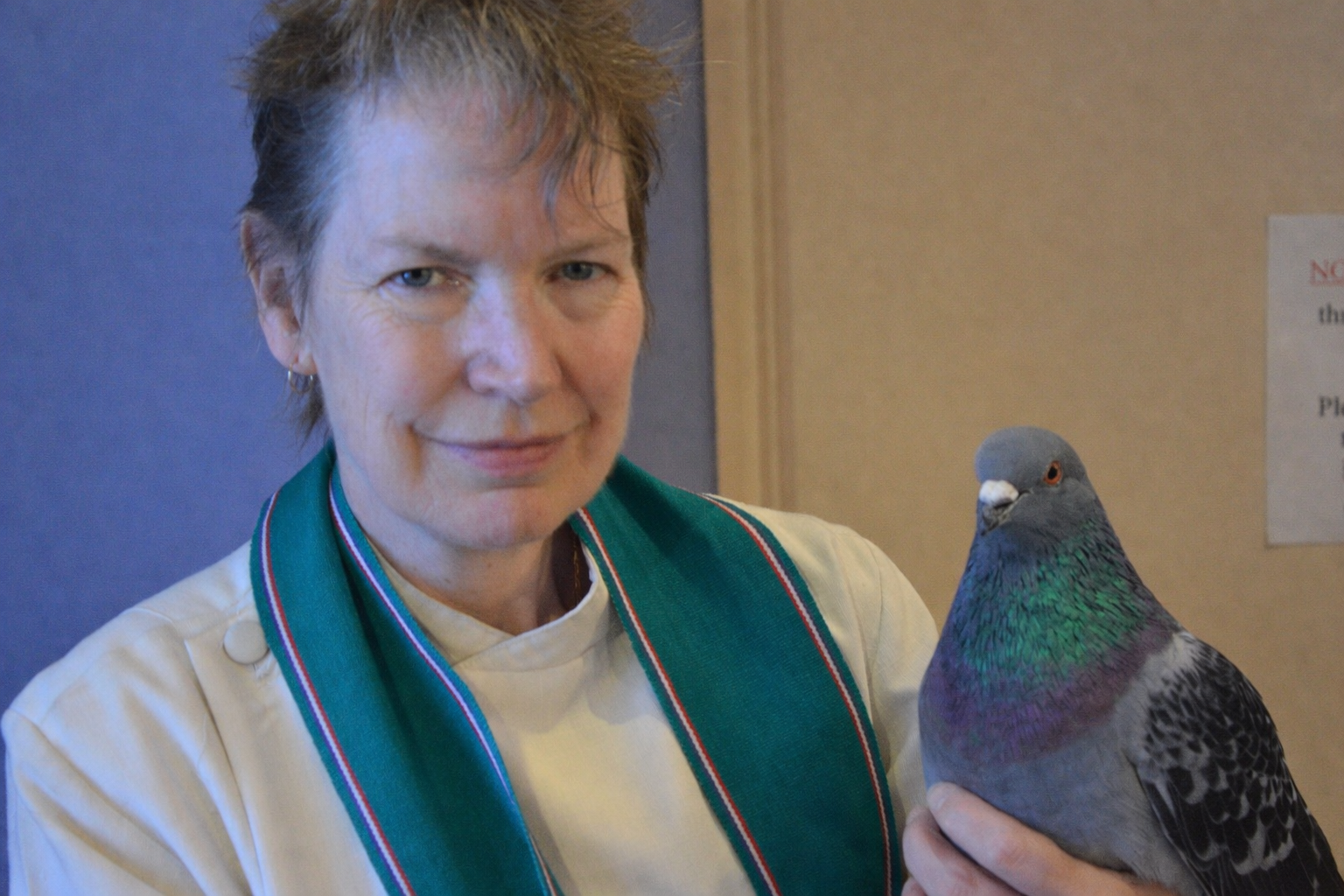
Barbara Allen is a writer and chaplain at Lort Smith Animal Hospital in Melbourne, Australia. She is the author of the book Pigeon, which explores the cultural and historical relationship between humans and pigeons. Allen has also written the picture book I Was There and contributed to publications such as Peace of Mind and Uniting Church Studies.