How To Incubate Pigeon Eggs | Easy Hatching Guide
If you are learning how to incubate pigeon eggs, you are already taking a big step in pigeon keeping. I still remember the first time I tried it myself. I was nervous because pigeon eggs are delicate, and one small mistake can ruin everything.
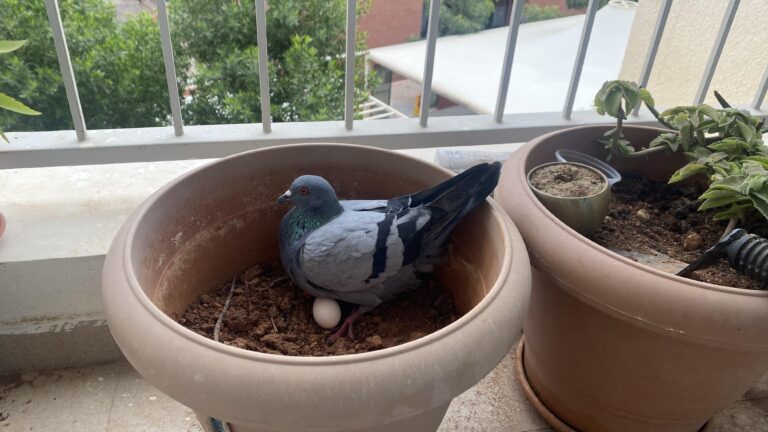
Most of the time, pigeons do a great job incubating their own eggs. The male and female take turns sitting on the eggs and keeping them warm. But there are times when you need to step in. Maybe the parents will stop sitting. Maybe one bird gets sick. Sometimes eggs get abandoned, and if you do nothing, they will not hatch.
That is when knowing how to incubate pigeon eggs becomes very important.
Incubation is simply the process of keeping the eggs warm and safe so the baby pigeon can grow inside and hatch at the right time. It sounds simple, but in real life, it needs care, patience, and attention every day.
From my experience, beginners often think they can just put the egg somewhere warm and wait. It does not work like that. Temperature, humidity, and even how you handle the egg all matter a lot.
If you already follow a good pigeon breeding guide, you will know how important proper incubation is. Healthy chicks start with proper egg care. Even if your birds are strong and active, poor incubation can result in weak babies or unhatched eggs.
Why This Topic Matters for Pigeon Owners
Learning how to incubate pigeon eggs can save your breeding season.
There were times in my loft when a good pair suddenly stopped sitting on their eggs. Without quick action, those eggs would have been lost. After I learned proper incubation, I was able to save many chicks that would not have survived otherwise.
This skill is especially useful if you are serious about breeding. If you are raising pigeons for a hobby or to improve your flock, every egg matters. Losing eggs means losing future birds.
It also helps when dealing with pigeon behavior. The pigeons are not good parents, especially young pairs. may leave the nest too often or not sit properly. In those cases, artificial incubation becomes your backup plan.
Another reason this matters is health. Sometimes pigeons stop incubating due to stress or disease. If that happens, you need to protect the eggs while also caring for the birds.
Even if you never plan to use an incubator regularly, knowing how to use one gives you confidence. will not panic when something goes wrong.
And one more thing, I always tell beginners. Incubation is not just about hatching chicks. It’s about giving those chicks the best possible start. Strong, healthy babies grow into strong pigeons, and that affects everything from feeding to overall pigeon behavior.
When I first learned how to incubate pigeon eggs, I kept things simple. do not need fancy equipment at the start, but you do need to be careful and consistent.
Let me walk you through the exact process I follow in my own setup.
Step 1: Collect the Eggs Carefully
Always handle pigeon eggs gently. Use clean hands and pick them up slowly.
Try not to shake the egg. Ideally, the baby is very delicate, especially in the early days.
If possible, mark the egg lightly with a pencil to indicate its position. It helps later when you turn it.
Step 2: Use a Proper Incubator
You can use a small egg incubator. Personally prefer one with temperature and humidity control.
For pigeon eggs, the ideal temperature is around 99.5°F. It is very important. hot and the embryo can die. cold and development slows down or stops.
Humidity should be around 50-55% during most of the incubation period.
Place the eggs gently in the tray. Pill them in place so they do not roll too much.
Step 3: Turn the Eggs Daily
This is one of the most important steps.
In nature, parent pigeons turn the eggs many times a day. If you skip this, the embryo can stick to the shell and die.
I turn the eggs at least 3 to 5 times a day. Says to do it gently.
If your incubator has an automatic turner, that makes life easier. I still check daily to make sure everything is working.
Step 4: Check the Eggs with Candling
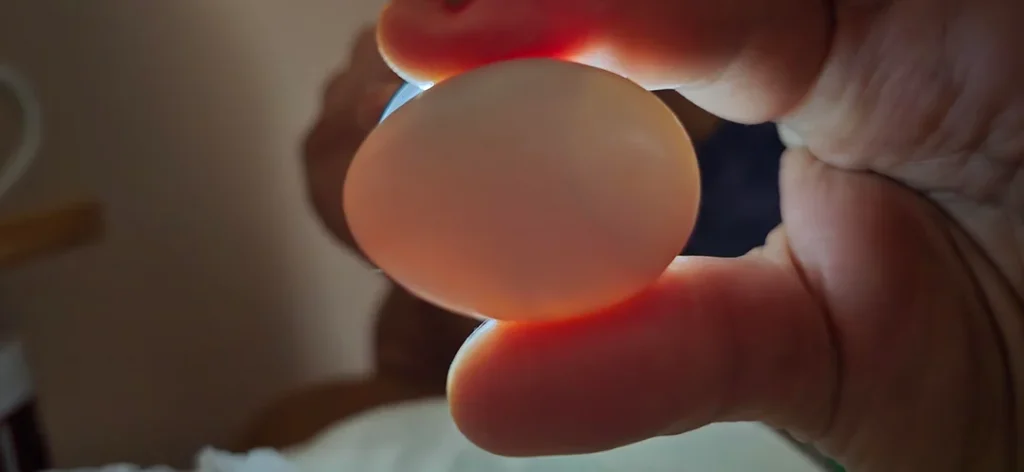
After about 4 to 5 days, I check the eggs using a small light. It’s called candling.
You will see veins forming inside if the egg is tilted. It looks like tiny red lines.
If the egg stays clear after several days, it is likely not fertile.
This step helps you avoid wasting time on eggs that will not hatch.
Step 5: Maintain Clean Conditions
Cleanliness matters more than people think.
Dirty incubators can harbor bacteria that can kill the embryo inside the egg.
I always clean the incubator before use and keep the area dry and safe.
Step 6: Adjust for Hatching Time
Pigeon eggs usually hatch around 17 to 19 days.
In the last few days, I’ve increased the humidity slightly. It helps the chick break out of the shell more easily.
Do not open the incubator too often during this stage. Sudden changes in the air can harm the chick.
Practical Advice from My Loft
From real experience, I can tell you that patience is everything.
Sometimes, beginners keep checking the eggs over and over to avoid that. Much handling can cause problems.
Also, do not rush to help the chick hatch. I’ve seen people break the shell too early and harm the baby. The chic does its job unless you are sure there is a problem.
Feeding also becomes important after hatching. The parents are not there; you will need to step in. What pigeons eat will help you prepare for that stage.
If you are serious about breeding, I always suggest learning both natural and artificial methods. A good pigeon breeding guide will help you balance both.
Tips and Common Mistakes
After raising pigeons for years, I have made many mistakes with incubation. Some of them cost me good eggs. It is how I learned what really works.
If you are learning how to incubate pigeon eggs, these tips will save you time and frustration.
Important Tips for Better Results
Keep the Temperature Stable
Temperature is everything during incubation.
Do not keep changing settings again and again. Set it to around 99.5°F and let it stabilize.
Even small changes can affect the baby inside the egg. Always check the thermometer daily to make sure it is accurate.
Turn Eggs on Time
Never forget to turn the eggs.
I once missed turning for a whole day, and that egg never developed properly. Then, I followed a routine.
Try to turn them at the same time every day, morning, afternoon, and evening works well.
Do Not Overhandle the Eggs
It is tempting to check the eggs often, especially when you are excited.
But too much handling can harm them; only touch eggs when needed, like turning or candling.
Let the incubator do its job.
Use a Reliable Incubator
Cheap or faulty incubators can cause problems.
If temperature or humidity keeps changing, your success rate will drop. It is better to invest in a simple but reliable machine.
Prepare for the Chick Early
Once the eggs hatch, you need to be ready.
If the parents are not feeding, you must step in. Knowing what pigeons eat is very helpful at this stage.
Baby pigeons need proper feeding from the first day.
Common Mistakes Beginners Make
Wrong Temperature Settings
This is the most common mistake I see.
Too much heat can kill the embryo quickly. Cold slows growth and weakens chicks.
Always double-check your settings.
Not Controlling Humidity
Beginners often ignore humidity.
If it is too low, the egg dries out. It is too high; the chick may struggle to hatch.
Keep it balanced and increase it slightly near hatching time.
Skipping Egg Turning
Some people forget or do not realize how important it is.
Without turning, the embryo may stick inside the shell and stop developing.
This mistake alone can ruin your results.
Helping the Chick Too Early
This is a big one.
When you see a chick struggling, you may want to help. Understand that feeling.
But opening the shell too early can cause bleeding or death. Help if you are sure the chick is stuck and cannot continue.
Ignoring Parent Behavior
Sometimes the problem starts with the pigeons themselves.
Understanding pigeon behavior helps you notice early signs. If your parents stop sitting or acting stressed, you can move the eggs in time.
Not Checking for Health Issues
If your pigeons are sick, it can affect the eggs.
Learning about common pigeon diseases helps you prevent problems before they start.
Healthy parents usually produce strong eggs.
FAQ Section
These are questions I get asked all the time by new pigeon keepers. I’ll answer them based on what I have seen in my own loft.
How long does it take to incubate pigeon eggs?
Pigeon eggs usually take about 17 to 19 days to hatch.
Most of the time, I see hatching around day 18. Do not worry if it takes a little longer. All temperature changes can affect timing.
Just keep conditions stable and be patient.
Can I incubate pigeon eggs without a machine?
Yes, but it is not easy.
I have tried simple methods, such as using a warm box with a light bulb. It can work, but controlling temperature and humidity becomes difficult.
If you are serious about learning how to incubate pigeon eggs, I recommend using a proper incubator. gives you much better results.
How do I know if a pigeon egg is fertile?
You can check using candling.
After about 4 to 5 days, shine a small light through the egg. You see red veins; the egg is fertile.
If the egg looks clear even after several days, it is likely not fertile.
What should I do if the parents stop sitting on the eggs?
Act quickly.
Move the eggs to an incubator as soon as possible. The longer they stay cold, the lower the chance of survival.
This is where understanding pigeon behavior really helps. can notice early signs and take action before it is too late.
Do I need to help the chick hatch?
In most cases, no.
Healthy chicks can hatch on their own. always wait and watch.
Only step in if the chick is clearly stuck and not making progress for a long time. Then, be very careful.
Conclusion
Learning how to incubate pigeon eggs takes patience, but once you understand the basics, it becomes much easier.
From my own experience, the biggest lesson is to stay consistent. The temperature is steady. In the eggs regularly. Do not rush the process. These small habits make a big difference.
There were times when I lost eggs because I made simple mistakes. Let the temperature be wrong. He checked the eggs too often. Tried to help a chick too early. At one time, I learned to trust the process and let things develop naturally.
If you are serious about pigeon keeping, this skill will help you a lot. gives you control when things go wrong. also helps you protect your future birds, especially during breeding season.
Always remember that strong chicks start with proper care at the egg stage. If you combine good incubation with a solid pigeon breeding guide, proper feeding, and attention to pigeon behavior, your results will improve year after year.
As long as you keep an eye on your healthbird’s health, many incubation problems actually begin with pigeon diseases or parental stress. Lethy pigeons lay better eggs and raise stronger chicks.
Take your time, learn from each attempt, and do not get discouraged if things do not work perfectly at first. Experienced pigeon keepers still learn something new every season.

Barbara Allen is a writer and chaplain at Lort Smith Animal Hospital in Melbourne, Australia. She is the author of the book Pigeon, which explores the cultural and historical relationship between humans and pigeons. Allen has also written the picture book I Was There and contributed to publications such as Peace of Mind and Uniting Church Studies.