Do Pigeons Carry Diseases | Health Risk Facts
Many people ask me the same question when they see my birds. Do pigeons carry diseases? I understand why this worries people. You want to enjoy raising pigeons, not risk your health or your family’s health.
I have been keeping pigeons for years, and I can tell you the truth. Yes, pigeons can carry some diseases, but the real risk is much lower than most people think. In most cases, problems occur only when birds are kept in poor conditions or hygiene is ignored.
Healthy pigeons that are well cared for rarely cause issues. I handle my birds daily, clean their loft, and practice basic hygiene. I have never had a serious problem because I follow simple habits that every pigeon keeper should know.
The truth is, fear often comes from misunderstanding. People see pigeons in dirty city areas and assume all pigeons are the same. But there is a big difference between neglected birds and pigeons raised properly at home.
Why This Topic Matters for Pigeon Owners
If you are raising pigeons or thinking about starting, this topic matters a lot. Knowing the facts helps you stay calm and confident. It also helps you protect both your birds and yourself.
When I first started, I was also concerned about pigeon diseases. I read a lot and learned from other keepers. Over time, I realized that good care makes a huge difference. Clean water, proper food, and a dry loft can prevent most problems.
Understanding health risks also helps you spot early signs of illness. That is important not just for your safety, but also for your flock. A small issue can spread quickly if ignored.
This is why I always tell beginners to learn the basics of pigeon diseases and to watch their birds closely. You do not need to be an expert, but you should know what is normal and what is not.
It also connects to other important areas, such as what, such as eating and pigeon behavior. A healthy diet and natural behavior both play a big role in keeping pigeons disease-free.
When you understand these things, pigeon keeping becomes much easier and more enjoyable. You feel in control instead of worried.
So let’s talk honestly about it. Do pigeons carry diseases? Yes, they can. But the key thing to understand is how those diseases actually spread.
Most pigeon-related diseases do not easily jump to humans. In my experience, problems usually happen only when people are exposed to a lot of droppings, dust, or very poor loft conditions over time.
A healthy pigeon loft does not smell bad. It stays dry, clean, and well-ventilated. When you keep your birds this way, the risk drops a lot.
There are a few diseases people often talk about. You may hear names like Salmonella, fungal infections, or parasites. These can occur in pigeons, but they usually become a problem when birds are stressed, overcrowded, or not properly cared for.
I always tell beginners this simple truth. Healthy pigeons rarely cause trouble. Sick pigeons in dirty conditions are where problems start.
How Diseases Can Spread
From what I have seen over the years, there are a few common ways diseases spread from pigeons:
Contact with Droppings
This is the most common concern. Dried droppings can turn into dust, and if someone breathes it in a dirty space, it can cause issues.
That is why I never let droppings pile up in my loft.
Dirty Water and Feed
If you leave water dirty or food contaminated, bacteria can grow fast. This mostly affects pigeons first, but it can also create an unhealthy environment for you.
Poor Ventilation
A closed, damp loft is one of the worst things. Moist air helps germs grow. Fresh air keeps both birds and humans safer.
Practical Pigeon Care Advice
Now I will share what I actually do every day. These simple habits have kept my pigeons healthy and my environment safe.
Keep the Loft Clean
I clean droppings regularly. You do not have to do a deep clean every day, but basic cleaning is very important.
A dry floor is always better than a wet one.
Wash Your Hands
After handling pigeons, I always wash my hands. It is a simple habit but very effective.
Use Fresh Food and Water
Clean water daily. Do not let it sit for days. Good food is also important. If you want to learn more, understanding what pigeons eat is helpful for overall health.
Avoid Overcrowding
Too many pigeons in a small space creates stress and disease. Give your birds enough room to move freely.
Watch Your Birds Closely
Healthy pigeons are active, alert, and eat well. If you notice changes in pigeon behavior, that is your early warning sign.
Also, learning the basics of pigeon diseases helps you act quickly before things get worse.
Keep New Birds Separate
Whenever I bring new pigeons, I keep them separate for some time. This protects my existing birds from any hidden illness.
Tips and Common Mistakes
Over the years, I have seen many beginners worry too much about whether pigeons carry diseases, while at the same time, ignoring the basic things that actually matter. Good habits make all the difference.
Let me share some practical tips that I follow every day, along with common mistakes that many new pigeon keepers make.
Simple Tips That Keep You Safe
Keep Things Dry
Moisture is your enemy. A wet loft creates smells, bacteria, and stress for pigeons.
I always make sure the floor stays dry. Even in rainy weather, I check ventilation and airflow.
Clean Regularly, Not Perfectly
You do not need to make the loft spotless every hour. What matters is consistency.
I remove droppings often and do a deeper clean every few days. This keeps everything under control without stress.
Give Fresh Air
Fresh air is one of the best protections against disease. I keep my loft open enough for airflow but still safe from predators.
Good ventilation also improves pigeon behavior. See more active and relaxed.
Feed Properly
Strong pigeons are less likely to get sick. A balanced diet is very important.
If you are still learning, spend time understanding what pigeons eat. Good food builds strong immunity.
Observe Daily
I always take a few minutes to watch my birds. This is something many beginners skip.
You will quickly notice if a pigeon looks weak, sits quietly, or eats less. Early signs matter a lot when dealing with pigeon diseases.
Common Mistakes Beginners Make
Ignoring Cleaning
Some people think pigeons can live in dirt because they see city pigeons everywhere.
This is a big mistake. Dirty conditions are the main reason problems start.
Overcrowding the Loft
New keepers often get too many birds too fast. This leads to stress, fighting, and a faster spread of illness.
Always give your pigeons enough space.
Not Quarantining New Birds
This is something I learned the hard way early on.
When you bring new pigeons, keep them separate for a while. Even healthy-looking birds can carry hidden issues.
This step protects your whole flock.
Poor Understanding of Breeding
During breeding, pigeons can become weaker if not properly cared for.
If you are raising birds, it helps to learn from a proper pigeon breeding guide so you can support both parents and young chicks.
Panic Instead of Learning
Many beginners panic when they hear that pigeons can carry diseases.
But the truth is simple. With basic care and awareness, pigeon keeping is safe and enjoyable.
Learning step by step is always better than worrying without understanding.
FAQ Section
Here are some common questions I hear from new pigeon keepers. I will answer them simply and ho based on real experience.
Do pigeons carry diseases that can affect humans?
Yes, pigeons can carry some diseases, but the risk to humans is very low if you keep your birds in clean conditions.
Most problems happen when people are exposed to large amounts of droppings or dust in dirty places. If your loft is clean, dry, and well-ventilated, the risk of illness is very low.
I handle my pigeons every day and stay safe just by following basic hygiene.
Is it safe to keep pigeons at home?
Yes, it is safe to keep pigeons at home if you take proper care of them.
Clean the loft regularly, give fresh food and water, and wash your hands after handling birds. These simple steps go a long way.
When pigeons are healthy, they are not a danger. In fact, raising them can be very peaceful and rewarding.
Can pigeon droppings make you sick?
Pigeon droppings can cause problems if they accumulate and turn to dust in a dirty area.
This is why I always clean my loft often. I never let droppings pile up for too long.
A clean loft means fresh air, and fresh air means less risk.
How do I know if my pigeon is sick?
You can tell a lot just by watching your birds daily.
A healthy pigeon is active, alert, and eats well. A sick pigeon may sit quietly, puff up its feathers, or stop eating.
Changes in pigeon behavior often serve as the first warning sign. This is why daily observation is so important.
Learning the basics of pigeon diseases also helps you act quickly if something feels off.
Do I need special protection when handling pigeons?
In normal situations, you do not need anything special.
I usually wash my hands after handling birds. If I am doing a deep clean or dealing with a sick pigeon, I may use a simple mask or gloves.
But for daily care, basic cleanliness is enough.
Conclusion
So, do pigeons carry diseases? The honest answer is yes, but the real risk is much lower than most people think.
From my own experience, the biggest factor is how you care for your birds. Clean conditions, fresh air, and proper feeding make a huge difference. When pigeons are healthy and the loft is well maintained, problems are rare.
I always tell new keepers not to let fear stop them. Pigeon keeping is safe when you follow simple habits. Wash your hands, clean your loft, and pay attention to your birds every day. These small actions protect both you and your flock.
It also helps to keep learning. Understanding what pigeons eat, basic pigeon diseases, and normal pigeon behavior gives you more confidence. If you plan to grow your flock, learning from a pigeon breeding guide will help you avoid many beginner mistakes.
Over time, you will notice that your pigeons become easier to care for. You will understand their habits, recognize when something feels off, and fix problems early.
Raising pigeons is not just about keeping birds. It is about building a routine, learning patience, and enjoying the quiet moments when your birds feel calm and healthy.
If you take care of your pigeons, they will stay strong. And when your birds are strong, you do not have to worry about disease.
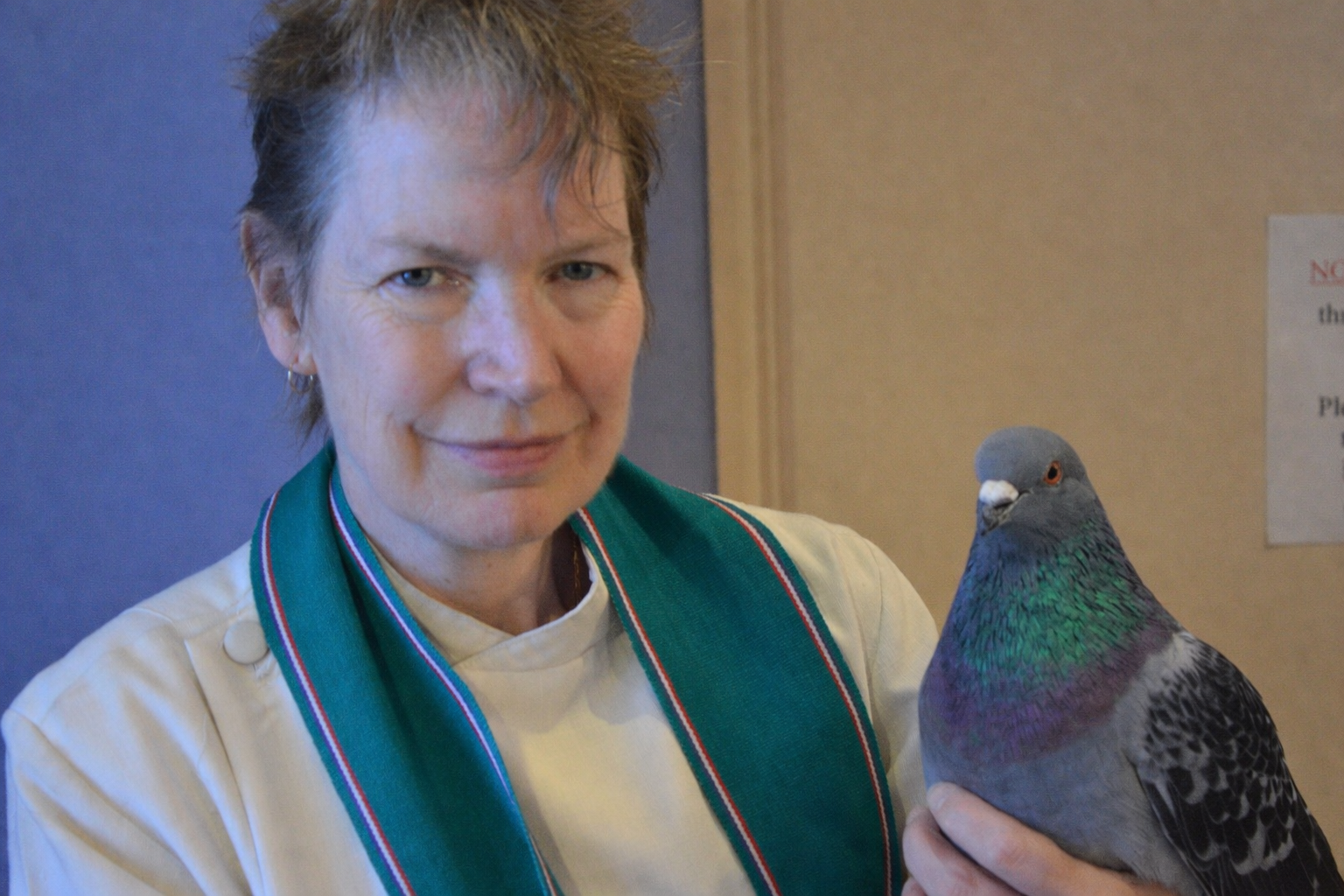
Barbara Allen is a writer and chaplain at Lort Smith Animal Hospital in Melbourne, Australia. She is the author of the book Pigeon, which explores the cultural and historical relationship between humans and pigeons. Allen has also written the picture book I Was There and contributed to publications such as Peace of Mind and Uniting Church Studies.