Why Do Pigeons Vibrate Their Neck | Pigeon Behavior Explained
Introduction
If you have spent time watching your birds closely, you may have asked yourself why pigeons vibrate their neck. I remember the first time I noticed this in my own loft. One of my males stood tall, puffed his chest, and started making a soft coo while his neck shook in a quick, steady motion. At first, it looked strange. Later, I realised it was one of the most normal and important pigeon behaviours.
Pigeons use their neck in many ways. That vibrating or shaking movement is not random. It is part of how they communicate, attract a mate, and show their mood. Once you understand it, you can read your pigeons much better.
What does neck vibration look like
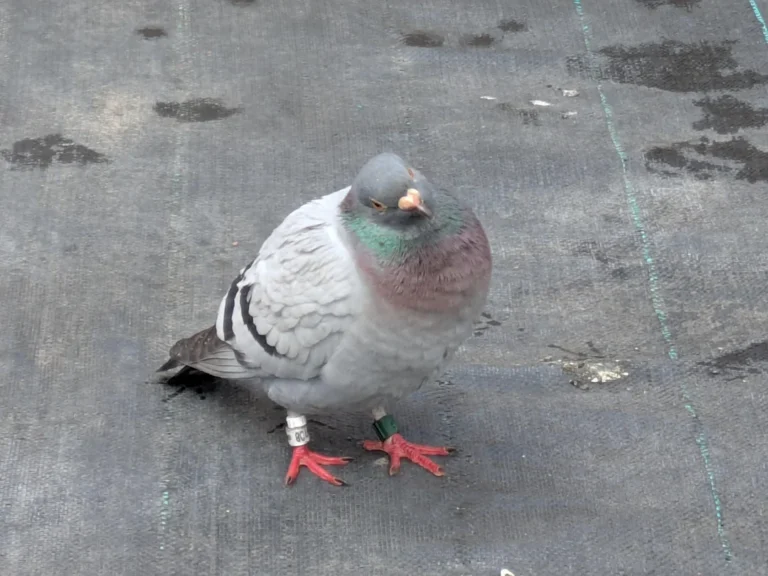
You will usually see this when a pigeon stands upright, puffs its chest, and slightly bows its head. The neck appears to be trembling or vibrating as the bird coos.
From my experience, this happens most often in male pigeons. They walk in circles around a female, dragging their wings a little and vibrating their necks as if showing off. Sometimes, younger birds try it too, even when they are not fully mature.
Why this topic matters for pigeon owners
Understanding why pigeons vibrate their neck can help you in a few important ways.
First, it helps you better understand pigeon behaviour. You can tell if your birds are happy, ready to breed, or trying to dominate another pigeon.
Second, it helps with breeding. When you see strong neck vibration and active display, it usually means your male is healthy and interested in mating. Sections closely related to what you would learn in a pigeon breeding guide.
Third, it helps you spot problems. If a i suddenly stops showing normal behaviour, including neck movement during display, it may indicate stress or even pigeon disease.
I always tell beginners this. The more you watch for small details like neck movement, the better you become at raising strong, healthy birds. ve fe in habits from topics like what do pigeons eat and daily routines, all connect back to how your pigeons behave.
When someone asks me why pigeons vibrate their neck, I always say it comes down to communication. Ige’s not peak as we do, so they use body language to send clear signals. That eck brat n is one of their strongest signals.
Courtship behaviour and attracting a mate
The most common reason is courtship. Ale p eons e nec vibration to attract a female. see this almost every day in my loft during breeding season.
The male will puff out his chest, lower his head slightly, and start vibrating his neck while making a soft coo. He often walks in a circle around the female. This is a way of saying e is strong, healthy, and ready to breed.
If the female is interested, she will stay close and respond calmly. If she i not inte sted, sh may walk away or even peck at him.
This behaviour is a key part of the pigeon-breeding guide. If your males are not showing this, it usually means they are either too young, not healthy, or not comfortable in their environment.
Showing dominance and territory
Neck vibration is not only about mating. It is also used to s w dominan.
Sometimes you will see two males facing each other. Hey, puff your neck, and try to look bigger. This is the way of deciding who is wrong without having to fight all the time.
In my loft, I notice this when space is tight or when new birds are introduced. The stronger IRD will show more confident movement, including stronger neck vibration.
This is a natural part of pigeon behaviour, but you should keep an eye on it. Too much aggr sion can lead o injuries.
Erepressing excitement and energy
Pigeons also vibrate their necks when they feel excited or energetic. This can happen during feeding time or when they see their partner.
Healthy pigeons are active and alert. Their body movements, including ck vibratiomovementssmooth and confident. If your birds are dull and never show this kind of movement, something may be wrong.
Communication with their partner
Once a pair is bonded, neck vibration becomes part of daily communication.
I often see paired pigeons sitting together, gently cooing and making small neck movements. It is softer than the strong courtship display, but shows comfort bonding.
This behaviour tells me the pair is stable. Table pairs usually stay together longer.
Practical pigeon care advice
From my own experience, here are a few things you should do to support natural neck vibration behaviour
Keep your loft calm and clean: Pigeons feel safe when their space is clean and quiet. Stress can reduce natural behaviour.
Provide enough space. Natural: Crowding causes stress and fighting. This can turn an abnormal neck vibration into aggressive behaviour.
Feed a proper diet: Good food is very tough; topics like what do pigeons eat matter a lot here. Strong birds show strong behaviour.
Watch for signs of strength: If a pigeon suddenly stops normal movement, including neck vibration during display, check for signs of disease. Early action can save your bird.
All natural pairings, save for force, a re qhere Nural bonding leads to better behaviour and breeding success
When you understand these small signs, raising pigeons becomes much easier. You start to see what your birds are trying to tell you just by watching their body language.
Tips and common mistakes
When you understand why pigeons vibrate their neck, you can use that knowledge to take better care of your birds. Over the years, I’ve seen many beginners misunderstand his behaviour, worry too much, and ignore important signs.
Here are practical tips and common mistakes based on real experience.
Tips to read neck vibration correctly
Watch the full body, not just the neck
Do not focus only on the neck movement. Always look at the whole bird.
If the peonies puff while walking in circles, it is normal courtship behaviour. This is a good sign
Suppose the bird looks envious or aggressive. , or is chasing others, the same neck vibration may be part of dominance.
Learning to read these small differences will improve your understanding of pigeon behaviour.
Observe timing and situation
Timing tells you a lot.
If Supposeneck vibneck vibration occurs more during the morning or evening, it indicates breeding behaviour. If it happens during feeding or when ne irds arrive, it may be excitement or dominance.
I always tell new keepers to spend quiet time just watching their birds. That is how you learn the most.
Keep parts stable
Once they learn to make a small-female ending through soft cooing and gentle neck movements, try not to disturb them.
Stable pairs raise chicks better. This connects directly with what you learned about pigeon breeding.
Breaking pairs too often can cause stress and reduce natural behaviour.
Maintain good health and nutrition
Healthy pigeons show strong and confident movement.
If your birds eat well and stay active, you will regularly see natural neck vibration. Topics like what do pigeons eat are very important here.
Always provide clean water, quality grains, and a balanced diet.
Common mistakes pigeon owners make
Thinking is always a problem
One of the biggest mistakes is thinking neck vibration means something is wrong.
Many beginners worry that their pigeon is sick. In most cases, it’s just normal behaviour, especially if it’s a disability.
Only worry if the bird also shows signs like weakness, no appetite, or sitting all day quietly.
Ignoring aggressive behavior
Another mistake is ignoring when neck vibration turns aggressive.
If pigeons are constantly chasing, pecking, and not letting others rest, you may have a space or dominance issue.
In my loft, I separate very aggressive birds if needed. This keeps the group calm and safe.
Overcrowding the loft
Too many pigeons in a small space causes stress.
This leads to more fighting and unhealthy behaviour. Neck vibration may increase, but it becomes more about stress than a natural display.
Always give your birds enough room to move and rest.
Forcing breeding too early
Some beginners try to push pigeons into breeding before they are ready.
If the male is not showing proper neck vibration and display, forcing the pair will not work well.
Let the birds mature and show natural signs first.
Not checking for hidden health issues
Sometimes, a pigeon may stop normal behaviour i, including neck movement.
If you notice this, do not ignore it. It can be an early sign of pigeon disease.
Check the bird closely, watch its eating, and isolate if needed.
FAQ section
Why do pigeons vibrate their neck while cooing
This is one of the most common things you’ll see: a vibrant part
Tpatryryit ing to attract a female. The sound and movement work together. The coo attracts attention, and the nec ibration shows strength and confidence.
In my loft, strong males always do this. Clearweakakk or str ssed birds do it le s or not at all.
Do Female pigeons also vibrate their neck
Yes, but not as much as males.
Females may show subtle neck movement, especially when accepting a male or when feeling comfortable with their partner. It is softer and less dramatic.
If you look closely, you will notice the difference… les are more active and show off more. Females stay calmer
This is part of normal behaviour and development, and it helps you tell males and females apart over time.
Is neck vibration a sign of sickness
Most of the time, no.
Neck vibration is a healthy and natural behaviour. It shows that the p geon is active and communicating.
But if the movement looks weak or slow, or occurs with other signs like not eating or sitting still, then you should be careful.
In those cases, check for possible pigeon diseases and watch the bird closely.
Why is my pigeon not vibrating its neck
There can be a few reasons.
The pigeon may be too young and not yet ready for breeding behaviour. It may also be stressed due to a new environment, overcropping, or a poor diet.
Sometimes, it simply has no mate, so it does not display behaviour.
Make sure your pigeons have proper space, good food, and a calm loft. Topics like what do pigeons eat and overall care play a big role here.
If the bird still shows no activity, check its health.
Do pigeons vibrate their neck all the time
No, they do not.
They mainly do it during specific moments, such as courtship, dominance displays, or when they feel excited.
The rest of the time, they stay calm and relaxed.
If you see constant tension and nonstop aggressive movement, then it may be a problem in the loft environment.
Conclusion
By now, you should have a clear idea of why pigeons vibrate their neck and what it really means in everyday loft life.
From my own experience, this small movement tells you a lot about your birds. It shows courtship, confidence, bonding, and sometimes even dominance. Once you learn to read it, you start understanding your pigs without needing to touch them.
I always tell new keepers this: The more time you spend quietly watching your birds, the more you learn.. Neck vibration is just one part of pigeon behaviour. links to breeding, health, feeding, and even how comfortable your pigeons feel in their space.
If your pigeons are eating well, staying active, and showing natural display behaviour, you are doing things right. That includes proper feeding (what do pigeons eat), good airing (from a pigeon breeding guide), and keeping an eye out for pigeon diseases before they become serious.
Keep your loft clean. Give your birds enough space. Let them be aware naturally.
Over time, you will not just see our pigeons, you will understand them.
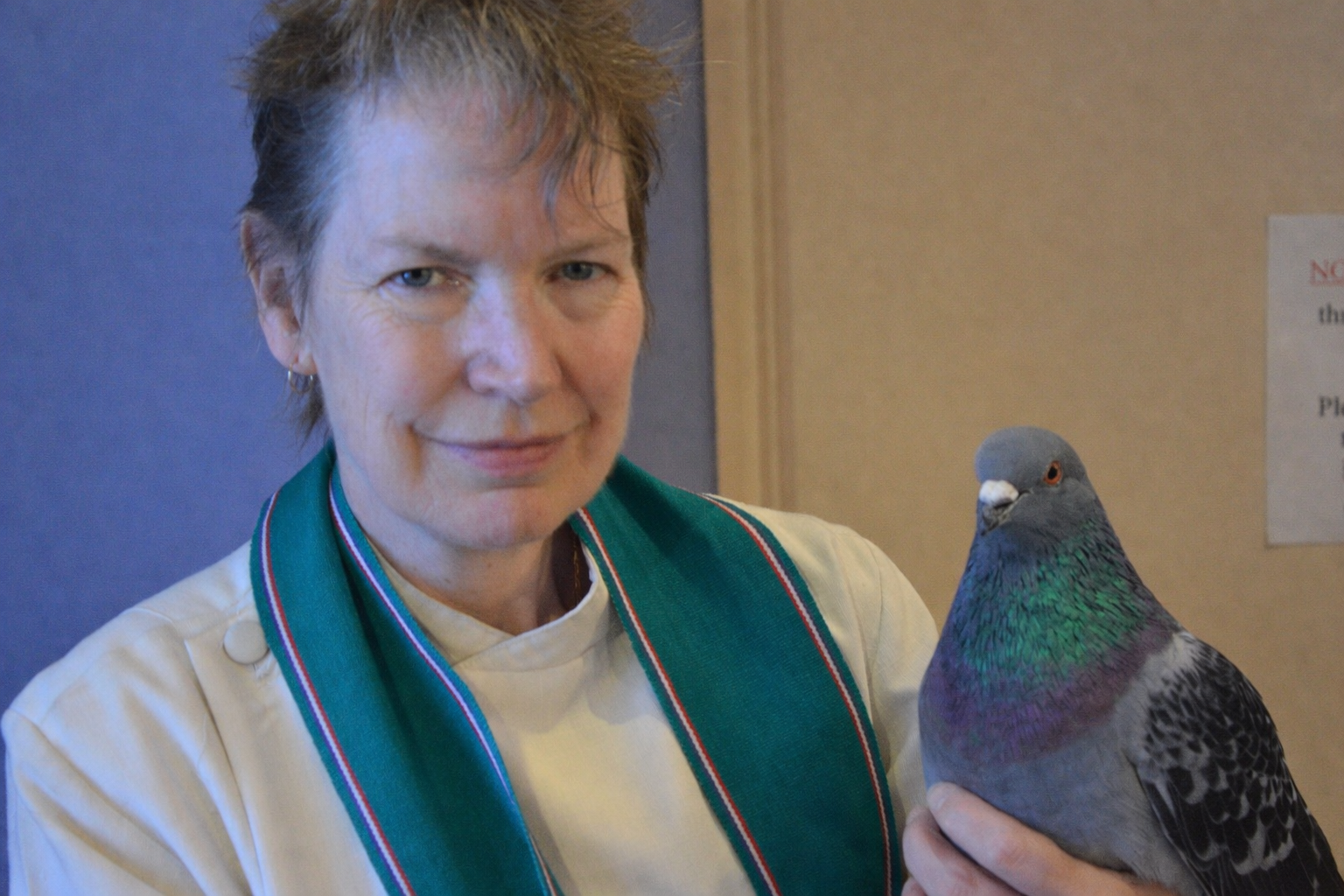
Barbara Allen is a writer and chaplain at Lort Smith Animal Hospital in Melbourne, Australia. She is the author of the book Pigeon, which explores the cultural and historical relationship between humans and pigeons. Allen has also written the picture book I Was There and contributed to publications such as Peace of Mind and Uniting Church Studies.