What Sound Does A Pigeon Make | Pigeon Cooing Guide
If you spend even a short time around pigeons, one thing you will notice quickly is their sound. Many beginners ask me the same question. What sound does a pigeon make?
The simple answer is that pigeons make a soft cooing sound. But there is much more to it than just that one word. After raising pigeons for years, I can tell you their sounds change depending on what they feel and what they need.
Some sounds are calm and peaceful. Some are loud and energetic. Some even tell you something is wrong.
When I sit near my loft early in the morning, I can hear different types of cooing. Each bird has its own tone. After a while, you start to understand what they are trying to say. It becomes a kind of communication between you and your birds.
Why This Topic Matters for Pigeon Owners
Understanding what a pigeon sounds like is not just interesting. It is very useful for anyone who keeps pigeons.
The sound tells you a lot about your birds. It can help you know if they are happy, stressed, or ready to breed. I have learned many things just by listening carefully.
For example, a soft and steady coo usually means the pigeon feels safe. A louder and repeated coo often means a male is trying to attract a female. If the sound becomes sharp or unusual, it can be a warning sign. Sometimes it points to stress or even early signs of pigeon diseases.
This is why I always tell new keepers to pay attention to pigeon behavior. Sound is a big part of that. It closely connects with other factors, such as feeding habits and breeding activity.
When you understand their sounds, you can take better care of them. You will also enjoy your time with pigeons much more.
When someone asks what sound a pigeon makes, most people think of one simple answer. Coo. That is true, but pigeons use several types of cooing sounds, and each one has a different meaning.
After spending years around my birds, I can tell you that pigeons are very expressive with their voice. You need to listen closely.
Soft Cooing Sound
This is the most common sound you will hear.
It is low, soft, and steady. I hear this a lot when my pigeons are sitting comfortably in the loft. It usually means they feel safe and relaxed.
If your birds are making this sound, it is a good sign. It means your care routine is working well. Clean water, good food, and a calm space all help create this peaceful sound.
Loud Repeated Cooing During Courtship
This sound is louder and more active.
You will notice the male pigeon puffing up his chest and walking in circles around the female. At the same time, he makes a strong, repeated coo.
I see this often during breeding season. It is part of their natural pigeon-breeding behavior. The male is trying to impress the female and show he is strong and healthy.
If you hear this sound often, it usually means your pigeons are ready to breed.
Nesting and Pair Bond Sounds
Once a pair forms, their sound becomes softer again.
When they are near the nest, the cooing is gentle and more private. Sometimes you will hear short, quiet calls between the male and female.
I always notice this when my pigeons are about to lay eggs or are already incubating. It is a sign of bonding and trust between the pair.
Alert or Warning Sounds
Pigeons can also make sharper and more sudden sounds.
These are not as pleasant as the soft coo. They are quick and sometimes louder. I usually hear this when something scares them, like a loud noise or a predator nearby.
If your pigeons start making these sounds often, check their environment. Something might be stressing them.
Practical Pigeon Care Advice
Listening to pigeon sounds can make you a better keeper. I rely on this every day.
Here are a few simple tips from my own experience:
• Spend time near your pigeons daily. Just sit quietly and listen
• Learn the difference between calm cooing and stressed sounds
• Watch their body language along with the sound
• Keep their loft clean and peaceful to encourage soft cooing
• Make sure they get proper food. You can learn more about what pigeons eat to improve their health
Sound is one of the easiest ways to understand your birds. When you combine it with observing pigeon behavior, you will start to notice small changes very quickly.
Tips and Common Mistakes
When you start paying attention to pigeon sounds, you will learn a lot in a short time. I have seen many beginners ignore these sounds at first. Later, they realize they missed important signs.
Here are some practical tips I follow every day in my own loft.
Tips From Real Experience
Listen at the Same Time Each Day
Pigeons follow a routine. I like to sit near my loft early in the morning and again in the evening.
At these times, their sounds are very clear. You will hear calm cooing, bonding sounds, and sometimes courtship calls. Over time, you will notice patterns.
Watch Along With Listening
Sound alone is helpful, but it becomes even better when you watch their movement.
If a pigeon is cooing softly while sitting still, it is relaxed.
If a pigeon is walking in circles and cooing louder, it is trying to attract a mate.
This is why understanding pigeon behavior is important. Sound and movement always go together.
Notice Sudden Changes
One thing I always tell new keepers is this. Do not ignore sudden changes in sound.
If your pigeons are usually calm but suddenly become noisy or sharp, something is wrong. It could be stress, fear, or even the early stage of pigeon diseases.
Catching this early can save your birds.
Keep the Loft Calm
A quiet loft helps pigeons stay relaxed.
Avoid loud noise, too much handling, or sudden changes in their environment. When pigeons feel safe, you will hear more soft and steady cooing.
That is always a good sign.
Support Natural Breeding Sounds
When pigeons start making loud courtship sounds, it means they are ready for breeding.
Make sure they have a proper nest space and good nutrition. A simple pigeon breeding guide can help you set up the right environment.
Healthy pigeons will show clear and natural sound patterns during breeding.
Common Mistakes Beginners Make
Thinking All Sounds Mean the Same Thing
Many beginners think every pigeon sound is just cooing and nothing more.
That is not true. There are small differences in tone and rhythm. These differences tell you what your pigeon is feeling.
Take time to learn these changes.
Ignoring Stress Sounds
Some people only enjoy the calm sounds and ignore the warning ones.
This is a big mistake. Sharp or unusual sounds often mean something is wrong. It could be fear, overcrowding, or poor conditions.
Always take these sounds seriously.
Not Spending Enough Time With the Birds
You cannot understand pigeon sounds if you only visit your loft for feeding.
Spend a few quiet minutes daily. Sit, watch, and listen. This is how real learning happens.
I learned most of what I know just by observing my birds over time.
Poor Feeding and Care
If pigeons are not eating well, their behavior and sounds change.
Weak pigeons may become quiet or make unusual sounds. Always make sure you are feeding them properly. Learning what we eat can help us avoid this problem
Overcrowding the Loft
Too many pigeons in a small space can cause stress.
When pigeons feel crowded, they may become noisy, aggressive, or restless. Their sound becomes less calm and sharper.
Give them enough space to stay comfortable.
Understanding what sound it makes makes it just about hearing a coo. It is about learning a language.
Once you avoid these common mistakes and follow simple tips, you will start to understand your pigeons much better.
FAQ Section
Here are some common questions I hear from new pigeon keepers. These come from real experience and things people often ask me when they start raising pigeons.
What sound does a pigeon make at night
Pigeons are usually quiet at night.
If your loft is calm and dark, most pigeons will rest without much noise. Sometimes you may hear a very soft coo if they shift position or communicate briefly with their partner.
If your pigeons are making loud or unusual sounds at night, something may be wrong. It could be stress, a disturbance, or even a predator nearby. Always check the loft if you hear a sudden noise at night.
Why do pigeons coo so much?
Pigeons coo for many reasons.
The most common reason is communication. They use sound to communicate during bonding and breeding.
Male pigeons coo more when they are trying to attract a female. You will notice this clearly if you follow a simple pigeon breeding guide and observe them during pairing.
They also coo when they feel safe and relaxed. So hearing regular cooing is usually a good sign.
Do female pigeons make sounds?
Yes, female pigeons do make sounds.
Their cooing is usually softer and less frequent than their parents’. I often notice females making gentle sounds when they are near the nest or communicating with their partner.
If you watch closely, you will see that both male and female pigeons use sound, just in slightly different ways.
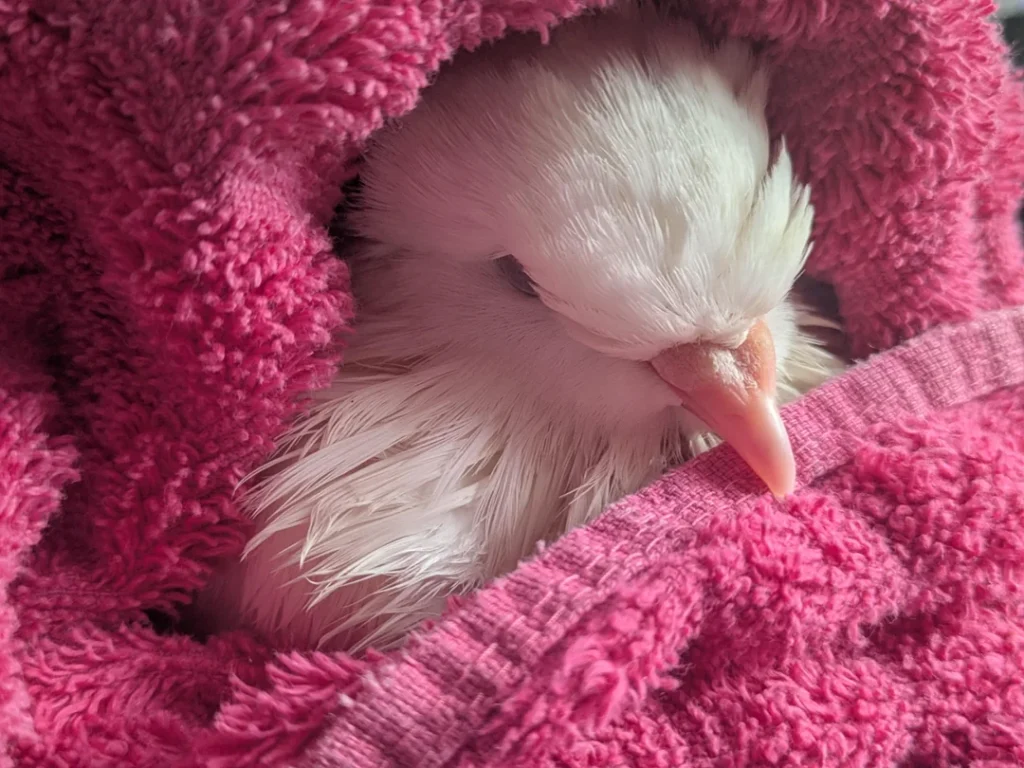
What does it mean when a pigeon makes a strange sound
A strange or unusual sound is something you should not ignore.
From my experience, this can mean stress, fear, or discomfort. It may also be an early sign of pigeon disease accompanied by sound.
Always observe the bird closely. Check its behavior, feeding, and movement. Acting early can prevent bigger problems.
Can pigeons recognize their owner by sound
Yes, pigeons can recognize familiar sounds.
My own pigeons react when they hear my voice or even the sound of the feed container. Over time, they learn who feeds them and who takes care of them.
This is why spending time near your pigeons matters. It builds trust and helps you understand their behavior
Conclusion
By now, you should have a clear idea of what sound a p makes and how to make those sounds really mean in daily life.
At first, it may seem like pigeons only make one simple coo sound. But once you spend time with them, you will notice many small differences. Some sounds are soft and peaceful. Some are louder, mellower, and drier; others can be a warning.
From my own experience, learning these sounds is one of the most useful skills a pigeon keeper can have.
A calm and steady coo usually means your pigeons feel safe and comfortable. That is always what you want to hear. It tells you your feeding, space, and care routine are working well.
A louder and eated cooing, indicating behavior, you should support them with a proper setup and follow a basic pigeon breeding guide to help them pair and nest successfully.
Sharp or unusual sounds should always get your attention. These can be early signs of stress or even pigeon diseases. Acting quickly can make a big difference.
The best way to understand your pigeons is simple. Spend time with them every day. Sit quietly, watch their movement, and listen to their sound.
Over time, you will not just hear noise. You will understand what your pigeons are telling you.
And once you reach that point, caring for pigeons becomes much easier and much more enjoyable.
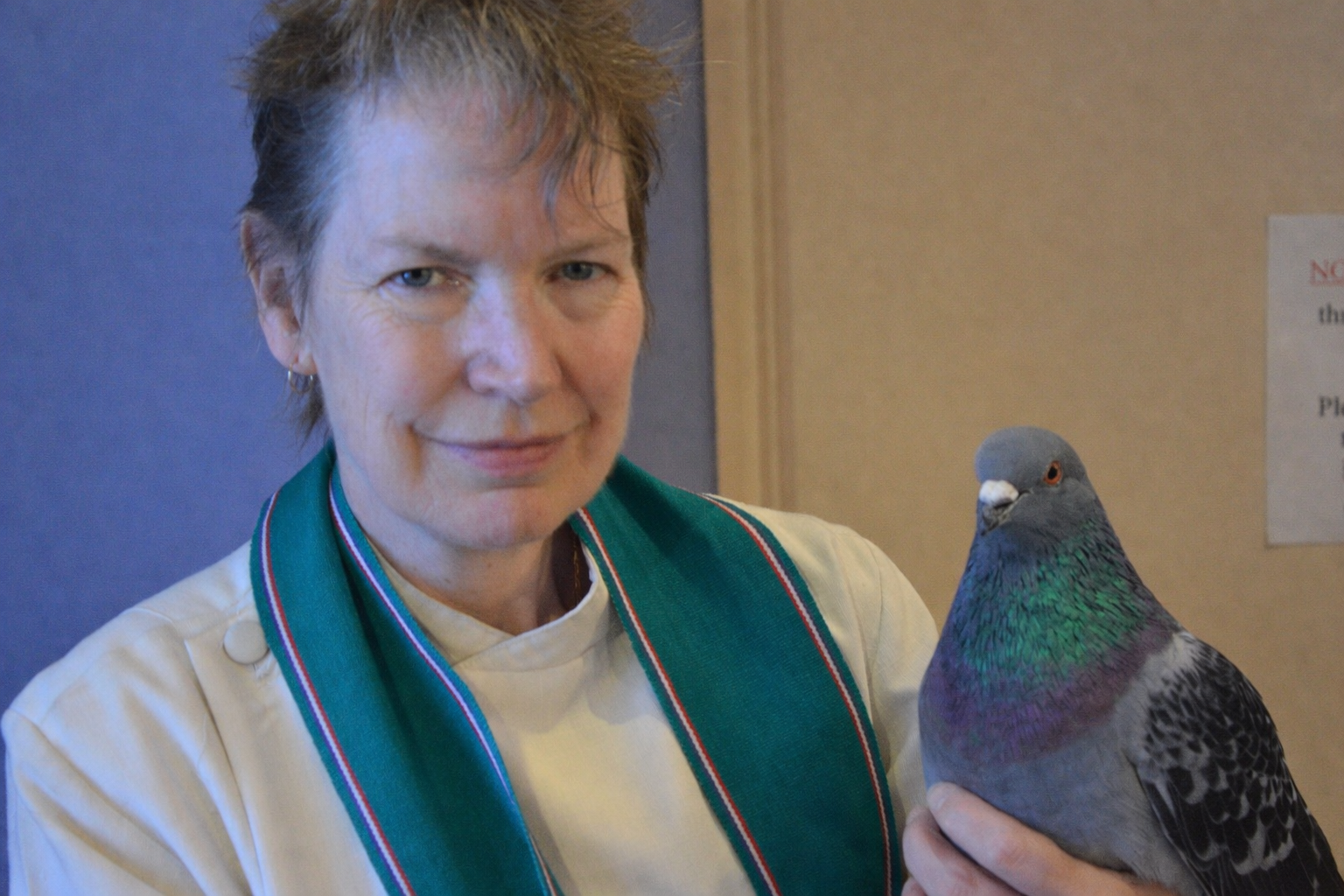
Barbara Allen is a writer and chaplain at Lort Smith Animal Hospital in Melbourne, Australia. She is the author of the book Pigeon, which explores the cultural and historical relationship between humans and pigeons. Allen has also written the picture book I Was There and contributed to publications such as Peace of Mind and Uniting Church Studies.