Why Do Pigeons Coo | Meaning of Pigeon Sounds
If you spend even a little time around pigeons, one thing you notice right away is the sound they make. That soft, repeated call is something every pigeon keeper becomes familiar with. Many people ask the same question: Why do pigeons coo?
I remember when I first started raising pigeons, I thought they were making random noise. But after watching them closely every day, I realized that cooing is actually how pigeons communicate. Each sound has a meaning. Once you learn to understand it, you can tell what your pigeons are feeling just by listening.
Why do pigeons coo is not just a simple question. It helps you better understand your birds. It tells you when they are happy, when they are trying to attract a mate, and even when something might be wrong. This is a big part of learning pigeon behavior, and it becomes very useful as your loft grows.
Why This Topic Matters for Pigeon Owners
If you are raising pigeons, learning their sounds is just as important as knowing what pigeons eat or how a pigeon breeding guide works. Their voice is one of the easiest ways they communicate with you and with each other.
From my own experience, a quiet loft can sometimes mean something is not right. On the other hand, a healthy loft usually produces a calm, steady cooing sound. That gentle noise is often a sign that your pigeons feel safe and comfortable.
Cooing also plays a big role in breeding. Male pigeons coo to attract females and show their strength. If you understand this, you can better manage pairing and nesting. It also helps you notice early signs of stress or possible pigeon diseases, since sick birds often change their normal sounds.
When you start paying attention to these sounds, you will feel more connected to your birds. It becomes easier to care for them because you understand what they are trying to say.
I always tell beginners this. Do not ignore the sounds your pigeons make. Spend a few minutes each day just watching and listening. Over time, you will start to notice patterns, and that is when you truly begin to understand your pigeons.
When people ask me why pigeons coo, I always say this first. It is their main way of talking. Pigeons do not have many sounds like some other birds, so they use cooing for almost everything.
After raising pigeons for years, I can tell the difference between their sounds just by listening. Once you spend time with your birds every day, you will start to notice this too.
Cooing for Mating and Attraction
This is the most common reason you will hear cooing.
Male pigeons coo to attract females. They puff up their chest, walk in circles, and make a deep, steady sound. This is their way of showing strength and confidence.
If you have ever followed a pigeon breeding guide, you will recognize this behavior right away. When a male is ready, he becomes very active and vocal. He keeps cooing until the female responds.
From my own loft, I have seen that a strong, healthy male coos more confidently. A weak or stressed pigeon will not do this properly.
Cooing to Communicate with Their Mate
Once a pair is formed, cooing does not stop. It actually becomes softer and more regular.
You will often hear gentle cooing when pigeons sit together or share a nest. This sound helps them stay connected. It keeps their bond strong.
When they are raising chicks, both parents may coo near the nest. It creates a calm environment for the babies.
Cooing to Mark Territory
Pigeons are more territorial than many people think.
A male pigeon will coo to claim his space. This can be a nest box, a corner, or even a favorite perch. He is basically saying, “This is mine.”
If another pigeon comes too close, the cooing can become louder and more aggressive. Sometimes it leads to chasing or small fights.
I always watch this closely in my loft. Too much crowding can increase this behavior. Giving enough space helps reduce stress.
Cooing When They Feel Safe and Comfortable
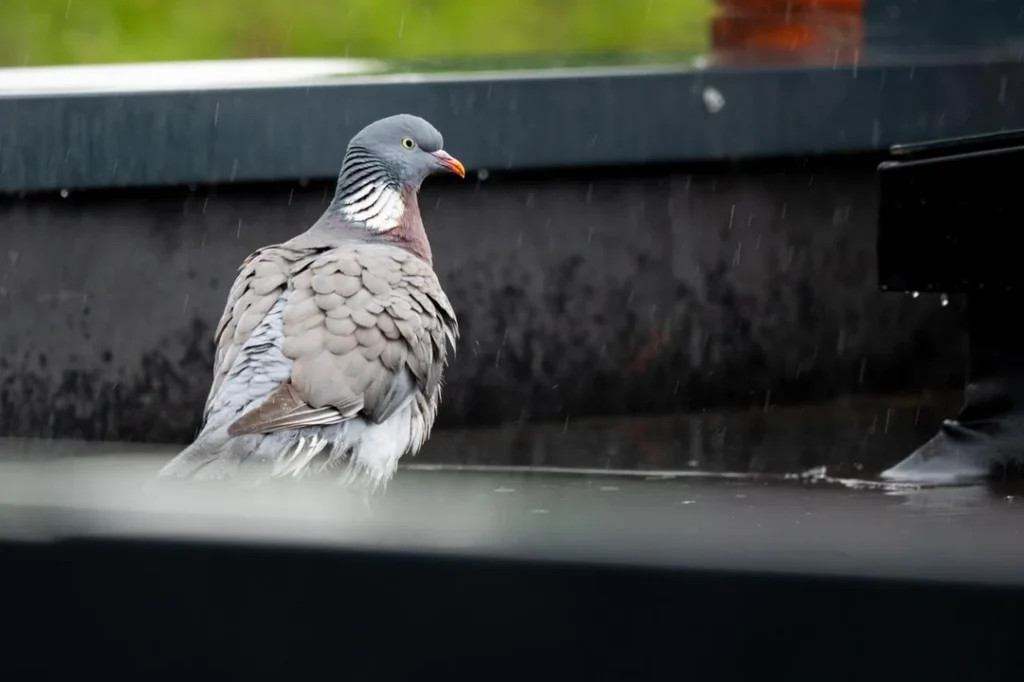
One of my favorite sounds is the soft background cooing in a calm loft.
When pigeons feel safe, they make relaxed sounds. It is not loud or aggressive. It is steady and peaceful.
If your pigeons are eating well, resting properly, and showing normal pigeon behavior, you will hear this kind of cooing often.
If the loft suddenly becomes quiet, I pay attention. It can mean fear, stress, or even health issues.
Cooing as a Warning or Sign of Stress
Not all cooing is calm.
Sometimes pigeons make short, sharp sounds when they feel nervous. This can happen if a predator is nearby or if there is sudden movement.
I have seen this when a cat comes near the loft. The pigeons change their tone quickly.
Also, if a pigeon is not feeling well, its usual sound may change. This is why I always tell beginners to learn their normal sounds first. It helps you notice problems early, including possible pigeon diseases.
Practical Pigeon Care Advice
Understanding why pigeons coo can actually make you a better pigeon keeper.
Here are a few things I always follow in my daily routine.
First, spend time listening to your pigeons. Do not just feed them and leave. Stand there for a few minutes and observe. Their sounds tell you a lot.
Second, keep your loft calm and clean. A peaceful environment encourages natural cooing. Stress reduces it.
Third, watch your breeding pairs. If a male is not cooing or showing interest, something may be wrong. It could be health, diet, or environment.
Fourth, connect this with feeding. Good nutrition plays a big role in behavior. If you are not sure about the diet, learn more about what pigeons eat and adjust their feed accordingly.
Lastly, always compare behavior over time. Every pigeon has its own personality, but changes in sound are often a sign that you should check it more closely.
Tips and Common Mistakes
After spending years around pigeons, I can tell you this clearly. Most beginners hear cooing but do not really understand it. That is where small mistakes start. If you learn to read these sounds early, you will avoid many problems.
Here are some practical tips I follow in my own loft, along with the mistakes I often see.
Tips to Understand Pigeon Cooing Better
Spend Time Observing Every Day
This is the most important habit.
Do not rush in and out of your loft. Stand quietly for a few minutes and listen. Watch which pigeon is making the sound and what it is doing at the same time.
Over time, you will connect sound with behavior. This is how you truly, naturally learn pig injury.
Learn the Difference Between Loud and Soft Cooing
Not all cooing means the same thing.
A loud, deep coo usually comes from a male trying to attract a mate or claim space. A soft, gentle coo often means the pigeons are relaxed or bonding.
When you can tell the difference, you will understand your flock much better.
Watch Your Breeding Pairs Closely
Cooing plays a big role in breeding.
If your male pigeon is active and cooing often, it is usually a good sign. If he suddenly becomes quiet, it may point to stress or poor health.
This is why I always connect behavior with my pigeon breeding guide. Sound, movement, and pairing all work together.
Keep a Calm Loft Environment
Pigeons coo more naturally when they feel safe.
Avoid loud noise, sudden movements, or overcrowding. A calm loft encourages normal sounds and healthy behavior.
When the environment is right, you will hear steady cooing throughout the day.
Support Good Nutrition
Healthy pigeons behave better and sound better.
Make sure your birds are getting a proper diet. If you are unsure, take time to learn what pigeons eat and adjust their feeding accordingly.
Poor nutrition can reduce activity and affect their normal cooing patterns.
Common Mistakes Beginners Make
Ignoring Changes in Sound
One of the biggest mistakes is not paying attention.
If a pigeon suddenly stops cooing or changes its usual sound, something may be wrong. It could be stress, illness, or even a problem in the loft.
I have caught early signs of pigeon diseases just by noticing a change in sound.
Thinking All Cooing Means Happiness
This is not always true.
Some cooing is calm, but some can be a sign of stress or territory issues. If the sound is sharp or aggressive, look around and see what is causing it.
Understanding the situation matters more than just hearing the sound.
Overcrowding the Loft
Too many pigeons in a small space creates tension.
This leads to more aggressive cooing, fighting, and stress. I always make sure my pigeons have enough space to feel comfortable.
A balanced loft keeps behavior stable and sound natural.
Not Watching Individual Pigeons
Every pigeon is different.
Some are more vocal, while others are quieter. If you do not observe each bird, you may miss important changes.
I always keep an eye on individual habits. This helps me notice problems early.
Ignoring the Link Between Behavior and Health
Cooing is closely connected to health.
If a pigeon is weak, tired, or sick, its voice will change. Many beginners focus only on physical signs, but behavior is just as important.
Always connect what you hear with what you see.
FAQ Section
Here are some common questions I get from new pigeon keepers about why pigeons coo. These answers come from real experience in the loft.
Why do pigeons coo so much in the morning?
Morning is when pigeons are most active.
After a full night of rest, they wake up fresh and ready to move. This is also a common time for males to start showing off and calling females. You will often hear strong cooing early in the day, especially during breeding season.
From what I see in my own loft, morning cooing is usually a good sign. It means your pigeons are active and healthy.
Do female pigeons coo, too?
Yes, but not as much as males.
Female pigeons do coo, but their sound is usually softer and less frequent. Males are more vocal because they use cooing to attract mates and defend their space.
Once a pair is formed, you may hear gentle cooing from both birds when they sit together or care for their nest.
Why did my pigeon suddenly stop cooing?
This is something you should always take seriously.
A sudden change in sound can mean stress, fear, or health issues. It could be due to a change in the loft, poor diet, or early signs of pigeon diseases.
Whenever I notice a quiet pigeon that was active before, I check it closely. Look at its eating habits, movement, and droppings. Early action can prevent bigger problems.
Is loud cooing a bad sign?
Not always.
Loud cooing is often normal, especially from males during mating or when they are claiming space. But if it sounds harsh or comes with fighting, it may mean there is tension in the loft.
Check for overcrowding or competition for nesting spots. Giving enough space usually solves this problem.
Do pigeons coo when they are happy?
Yes, they do.
Soft and steady cooing usually means your pigeons feel safe and comfortable. This is the sound I like to hear in my loft. It tells me the birds are relaxed and everything is in balance.
Understanding these sounds makes it easier to manage your pigeons and improve their overall behavior.
Conclusion
By now, you can see why ” why do pigeons coo is not just a simple question. It is one of the most important parts of understanding your pigeons.
From my own daily experience, cooing is like their language. It tells you when they are ready to mate, when they feel safe, when they are protecting their space, and even when something might be wrong.
Once you start paying attention, you will notice patterns. A strong male will coo with confidence. A calm pair will make soft sounds near the nest. A stressed or sick pigeon may go quiet or sound different.
This is why I always tell new pigeon keepers to listen as much as they watch. Sound is one of the easiest ways to understand pigeon behavior without touching or disturbing the birds.
Good care also plays a big role here. Proper feeding, a clean loft, and enough space help pigeons stay active and vocal. If you are still learning, take time to understand what pigeons eat and follow a simple pigeon breeding guide to keep your flock balanced.
At the end of the day, pigeons are simple birds, but they communicate clearly if you give them your attention. The more time you spend around them, the more you will understand their voice.
And once you understand their cooing, you are no longer just raising pigeons. You are truly connecting with them.
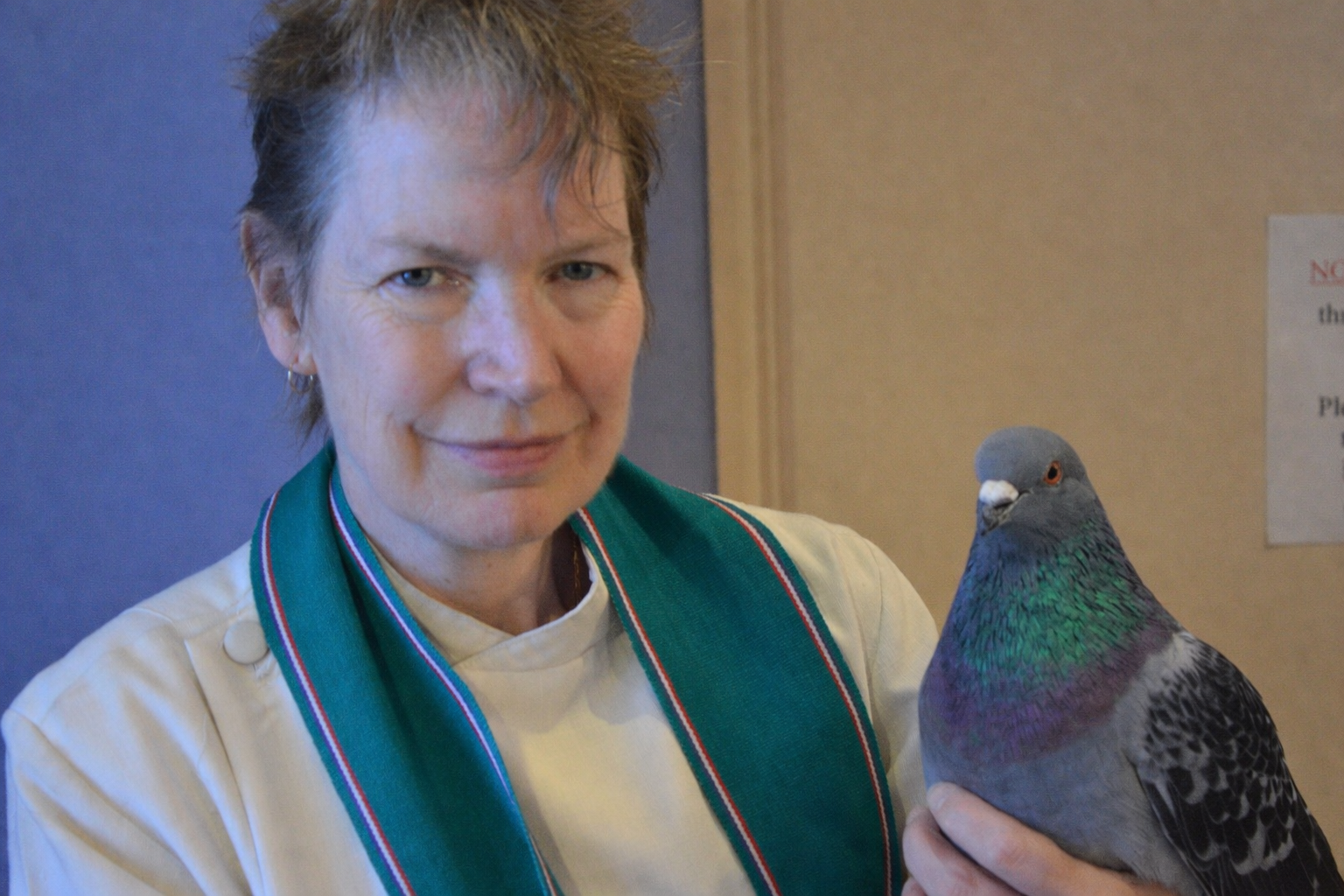
Barbara Allen is a writer and chaplain at Lort Smith Animal Hospital in Melbourne, Australia. She is the author of the book Pigeon, which explores the cultural and historical relationship between humans and pigeons. Allen has also written the picture book I Was There and contributed to publications such as Peace of Mind and Uniting Church Studies.