
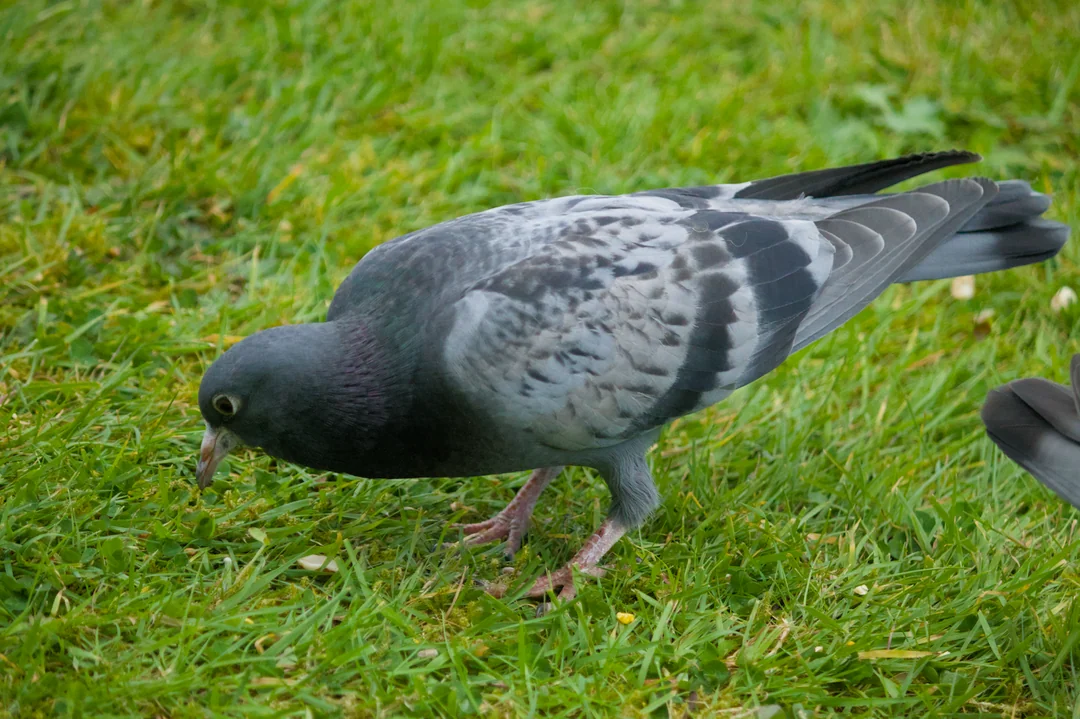
Do Pigeons Feel Love | Pigeon Bonding Behavior
Many people ask me this simple question after spending time around my birds. Do pigeons feel love?
From my years of raising pigeons, I can tell you this. They may not feel love the same way humans do, but they clearly form strong bonds. You can see it in how they stay close to their partner, how they care for their babies, and how they react when separated.
I have watched pairs that stay together for years. They sit side by side, groom each other, and take turns caring for their eggs. When one bird is missing, the other often becomes quiet and restless. That kind of behaviour shows real attachment.
If you spend enough time around pigeons, you start to notice these small signs. They recognise their partner, their nest, and even the person who feeds them every day. Over time, trust builds, and they become more comfortable around you.
Why This Topic Matters for Pigeon Owners
Understanding if pigeons feel love is not just an emotional question. It actually helps you take better care of your birds.
When you know pigeons form bonds, you start to treat them differently. For example, separating a bonded pair too quickly can cause stress. I have seen birds stop eating or become very quiet when this happens.
This also matters during breeding. In a proper pigeon breeding guide, you will often hear that strong pairs raise healthier chicks. That is because both parents are involved and work together naturally.
It also connects to pigeon behaviour. When you understand their bonding habits, their actions make more sense. Their cooing, bowing, and sitting close are not random. These are signs of connection.
Even feeding habits play a role. If you are learning what do pigeons eat, you will notice that bonded pairs often eat together and stay close during feeding time. That comfort helps reduce stress.
On the other hand, stress can lead to problems. I have seen lonely or stressed pigeons become weak or more likely to get pigeon diseases. That is why emotional well-being is just as important as food and shelter.
As a pigeon keeper, your job is not just to feed them and clean the loft. It is also important to understand how they feel and behave. When you respect their natural bonds, your pigeons stay calmer, healthier, and easier to manage.
I have learned this the hard way over time. The more you observe your pigeons, the more you realise they are not just simple birds. They have their own way of forming connections, and that matters more than many people think.
From what I have seen over the years, pigeons do feel something very close to love. It may not be the same as human emotions, but their behaviour clearly shows deep bonding and care.
The strongest example is how pigeons form pairs. Once a male and female bond, they often stay together for a long time. I have pairs in my loft that have stayed together season after season. They sit close, preen each other, and rarely leave each other’s side.
One thing I always notice is how they greet each other. The male will coo softly and bow his head. The female responds calmly. This is not a random movement. It is part of their connection.
Another strong sign is how they share responsibilities. Both birds take turns sitting on the eggs. One will sit during the day while the other rests, then they switch. When the chicks hatch, both parents feed them. This kind of teamwork shows a strong bond.
I have also seen pigeons become stressed when separated from their partner. They may stop eating well or sit quietly in a corner. Once they are reunited, they return to normal behaviour. which tells me their connection is real and meaningful to them.
They also build trust with their owner over time. If you feed and care for them daily, they start to recognise you. Some of my pigeons come closer when I enter the loft. They feel safe because they know me. That trust is another form of bonding.
Practical Pigeon Care Advice
Understanding that pigeons feel attachment helps you make better decisions as a keeper.
Respect bonded pairs
If you have a male and female that are clearly bonded, try not to separate them unless necessary. Breaking a pair can cause stress and slow down breeding. In my own loft, I only separate birds when there is a real reason.
Give them a stable environment.
Pigeons feel secure when their environment stays the same. Keep their loft clean and calm. Avoid sudden changes, such as moving them too often or introducing new birds without proper care. Stability helps their bonding stay strong.
Support natural breeding behaviour.
When you follow a good pigeon breeding guide, you learn to let pairs do their job. Give them a quiet nesting space. Do not disturb them too much while they are sitting on eggs. Both birds need to feel safe to raise healthy chicks.
Watch their behaviour daily.
Your pigeons will show you how they feel. A happy pair stays close, eats well, and acts active. If one bird looks dull or avoids its partner, something may be wrong. This could be stress or even early signs of pigeon diseases.
Feed them properly
A healthy diet supports both physical and emotional health. If you are learning what do pigeons eat, remember that good food keeps them strong and active. Strong birds bond better and care for their young properly.
Build trust with your pigeons.
Spend time near your pigeons every day. Move slowly and avoid loud noise. Over time, they will get used to you. When pigeons trust you, they stay calmer and easier to handle.
Understanding pigeon behaviour is one of the most important skills you can develop. Once you see how they bond and interact, you will care for them much better.
Tips and Common Mistakes
When you understand that pigeons form attachments and strong bonds, your care style changes. I learned many of these lessons through trial and error. Some mistakes cost me time and stress my birds, so it is better to avoid them from the start.
Helpful Tips for Pigeon Owners
Keep bonded pairs together.
If you notice a male and female always sitting together, eating together, and grooming each other, they are likely bonded. Try to keep them together.
I always mark or remember my strong pairs. This helps me manage breeding better and keeps the birds calm.
Give each pair their own space.
During breeding time, space matters a lot. If too many pigeons share a small area, they fight and disturb each other.
I use separate nest boxes so each pair feels safe. This small change makes a big difference in how well they raise their chicks.
Observe small behaviour or changes.
One of the best habits you can build is daily observation. Spend a few minutes just watching your pigeons.
A bonded pair will act relaxed and active. If one bird looks dull or avoids the other, something is off. It could be stress, illness, or a broken bond.
This is where understanding pigeon behaviour really helps
Support both parents
Many beginners think that only women take care of eggs and babies. That is not true.
Both parents are involved. Make sure both birds have access to food and water. A strong pair works as a team, and that leads to healthier chicks.
Keep the loft peaceful.
Loud noise, too much handling, or constant disturbance can stress pigeons. I always keep my loft calm, especially during breeding.
When pigeons feel safe, their bonding becomes stronger.
Common Mistakes to Avoid
Separating pairs too quickly
This is one of the biggest mistakes I see. Some people separate birds without understanding their bond.
I have done this before, and the result was clear. The birds became quiet, stopped eating properly, and took time to recover.
Always think twice before separating a bonded pair.
Overcrowding the loft
Too many pigeons in a small space creates stress. Birds fight, and pairs cannot bond properly.
Overcrowding also increases the risk of pigeon diseases. Clean space and enough room help both health and bonding.
Ignoring early signs of stress
Pigeons show stress in simple ways. Sitting alone, puffed feathers, or low energy are signs you should not ignore.
If you catch the problem early, you can fix it quickly.
Poor feeding habits
If you do not provide proper food, your pigeons will not stay strong. Weak birds cannot maintain good bonding or raise chicks well.
If you are unsure, learn more about what pigeons eat and give them a balanced diet.
Disturbing nests too often
New keepers often check nests too much. I understand the curiosity, but too much disturbance can stress the parents.
Give them space. Check only when needed.
FAQ Section
Do pigeons feel love for their mate?
Yes, in their own way, pigeons do feel something very close to love for their mate.
I have seen pairs stay together for a long time. They sit close, groom each other, and work together to raise their chicks. When one bird is missing, the other often becomes quiet and less active.
This shows a strong emotional bond. It is part of natural pigeon behaviour
Can pigeons feel love for humans?
Pigeons do not feel love for humans the same way they do for their mate, but they can build trust and attachment.
If you feed and care for them daily, they start to recognise you. Some of my pigeons come close when I enter the loft. They stay calm because they know I am not a threat.
That trust grows over time, making handling them much easier.
Do pigeons get sad when separated?
Yes, they can.
I have separated bonded pairs before, and I noticed clear changes. The birds became quiet, ate less, and stayed in one place more often.
This is why it is important to understand their bonding before making changes. Separation should occur only when necessary, such as during health issues or controlled breeding.
Do pigeons stay with one partner for life?
Many pigeons form long-term bonds, but not always for life.
Some pairs stay together for years, especially in a stable environment. Others may form new bonds if separated.
In a proper pigeon breeding guide, you will learn how to manage pairs in a way that supports strong bonding.
How can I tell if my pigeons are bonded?
There are clear signs you can watch for.
- They sit close together most of the time.
- They eat side by side.
- They groom each other.
- They defend their nest as a team.
If you see these behaviours daily, your pigeons are likely bonded.
Watching these signs helps you understand your birds better and avoid common care mistakes.
Conclusion
So, do pigeons feel love?
From my real experience raising pigeons, I can say they do feel a strong form of connection. It may not be the same as human love, but their bonding is real and easy to see once you spend time with them.
You notice it in the way they stay close to their partner. You see it when they take turns caring for eggs and feeding their chicks. You feel it when a bird becomes quiet after losing its mate.
These are not random actions. They are signs of attachment, trust, and natural bonding.
As a pigeon keeper, understanding this changes how you care for your birds. You become more careful with bonded pairs. You create a calm and stable loft. You pay closer attention to pigeon behaviour.
Good care is not only about food and cleaning. It is also about respecting how pigeons live and connect.
If you follow this approach, your pigeons will stay healthier and more relaxed. You will also enjoy raising them much more because you start to understand them on a deeper level.
Over time, your pigeons will trust you, your loft will feel peaceful, and your birds will thrive. That is when pigeon keeping becomes truly rewarding.
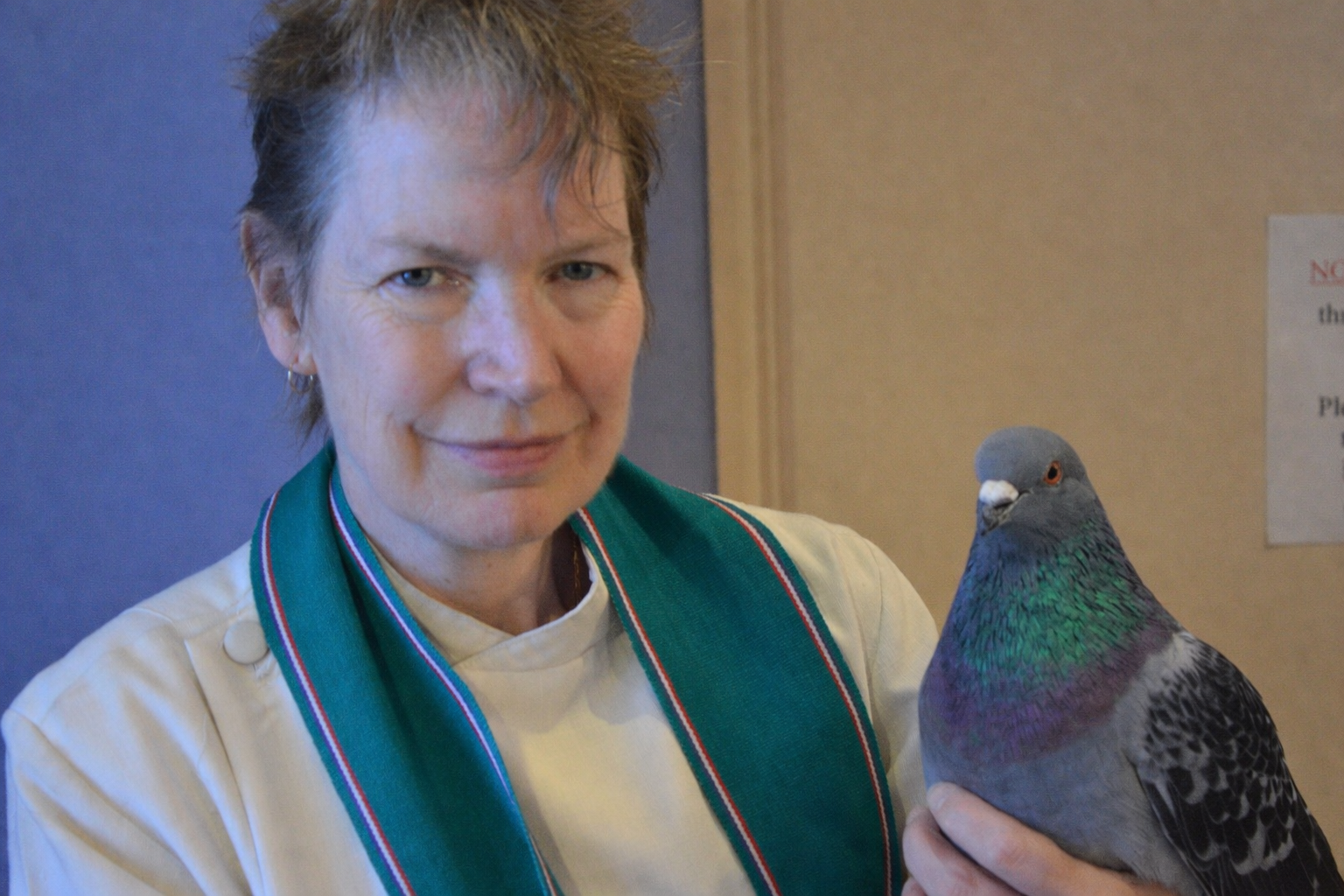
Barbara Allen is a writer and chaplain at Lort Smith Animal Hospital in Melbourne, Australia. She is the author of the book Pigeon, which explores the cultural and historical relationship between humans and pigeons. Allen has also written the picture book I Was There and contributed to publications such as Peace of Mind and Uniting Church Studies.
One Comment