Pigeon Louse Fly Treatment | Parasite Care Guide
Pigeon louse fly treatment is something every pigeon keeper should understand, especially if you keep birds in a loft or backyard setup. I have dealt with these pests myself, and I can tell you they are not just annoying. They can stress your birds and slowly affect their health if you ignore them.
If you have ever picked up a pigeon and noticed a fast-moving, flat insect running through the feathers, that is most likely a louse fly. These flies hide deep in the feathers, especially around the neck and under the wings. They move quickly and are good at escaping your fingers, which makes them harder to catch.
From my own experience, the first time you see them, it can feel a bit shocking. You might think your loft is dirty or that something went wrong. But the truth is, even clean lofts can get lice. They often come from wild pigeons or new birds you bring in without checking properly.
Explain the Topic in Simple Terms
Louse flies are small parasitic insects that live on pigeons. They feed on blood and stay close to the bird most of the time. Unlike lice, they can move faster and even fly short distances. That is why they spread quickly from one pigeon to another.
These flies do not just sit quietly. They keep moving through the feathers, which makes your pigeons uncomfortable. You may notice your birds scratching more, shaking their wings, or acting restless. Some pigeons lose weight or look weak if the problem gets worse.
I have seen young pigeons suffer the most. Their bodies are not as strong, so even a few flies can make them weak over time. If you are following a pigeon breeding guide and raising young birds, this is something you really need to watch closely.
Why This Topic Matters for Pigeon Owners
Ignoring louse flies is a big mistake. I have seen many beginners focus only on feeding and forget about parasites. But pests like these are part of pigeon diseases and overall health problems.
When louse flies stress pigeons, they do not eat properly. They do not grow well. Their feathers lose quality. In some cases, they become more open to other infections.
Also, these flies spread fast. One infected bird can turn into a full loft problem in just a short time. I once had a new bird bring them in, and within a week, several pigeons were affected. That taught me always to check new birds and keep a close eye on pigeon behavior.
Good pigeon care is not just about what pigeons eat. It is also about keeping them clean, comfortable, and free from parasites. Once you understand pigeon louse fly treatment, you will feel more confident handling these problems early, before they get out of control.
When it comes to pigeon louse fly treatment, the goal is simple. You need to remove the flies from the birds and stop them from coming back. From my experience, you cannot fix this by doing just one thing. You need to treat both the pigeons and the loft at the same time.
Louse flies live on the bird, but they also hide in cracks, nesting areas, and dirty corners. If you only treat the bird, the flies can come back from the loft. If you only clean the loft, the flies stay on the bird. So both sides matter.
The first step is to confirm the problem. Pick up your pigeon gently and check under the wings, around the neck, and near the vent area. Move the feathers slowly. If you see a fast, flat insect moving quickly, that is a louse fly.
Once you confirm it, start treatment right away. Do not wait. These flies multiply fast and spread to other birds.
Practical Pigeon Care Advice
Treating the Birds
What has worked best for me is using a safe pigeon insect powder or spray. You can find pigeon-specific products at pet stores or online. Look for ones made for birds, not general farm chemicals.
Hold the pigeon firmly but gently. Then apply a small amount of powder under the wings, around the neck, and near the tail. These are the spots where louse flies like to hide. Do not overuse it. A light dusting is enough.
If you are using a spray, apply it lightly and avoid the eyes and beak. I usually treat birds in the morning so they have time to dry and stay active during the day.
For heavy infestations, I repeat the treatment after about one week. This helps catch any flies that were missed the first time.
Treating the Loft
This part is just as important as treating the birds.
Start by removing all bedding, nesting material, and droppings. Clean the floor, walls, and corners of the loft. Pay attention to cracks and hidden areas.
After cleaning, use a bird-safe disinfectant or insect spray for the loft. Let everything dry before putting the pigeons back.
I also like to replace nesting materials with fresh ones. Old nests can hide parasites, and I have seen flies come back because of that.
Keeping the loft dry and clean makes a big difference. A damp and dirty loft is the perfect place for pests to grow.
Isolating New or Infected Birds
One mistake I made early on was mixing new pigeons with my existing flock right away. That is how I got louse flies in my loft.
Now I always keep new birds separate for a few days. I check them carefully for parasites before letting them join the others.
If you find a bird with heavy louse flies, it is a good idea to isolate it during treatment. This helps protect the rest of your flock.
Supporting the Bird’s Health
While doing pigeon louse fly treatment, do not forget basic care.
Make sure your pigeons are eating well. Good nutrition helps them recover faster. Clean water is very important too.
Watch their pigeon behavior. Healthy pigeons are active, alert, and fed properly. If a bird stays weak or stops eating, it may have other pigeon diseases along with the parasite problem.
I have learned that strong pigeons fight off problems better. S, ong with treatment, always focus on overall care.
Tips and Common Mistakes
Over the years, I have learned that pigeon louse fly treatment is not just about using medicine. It is about good habits and small details that many people ignore. These tips come from real mistakes I have made and fixed.
Simple Tips That Actually Work
Check your pigeons regularly.
Do not wait until the problem becomes obvious. I make it a habit to pick up a few birds every week and check their feathers. It only takes a minute, but it helps catch problems early.
Pay close attention during warm months. That is when parasites grow faster. Also, check more often if your pigeons mix with wild birds.
Keep your loft dry and clean.
A clean loft is your first defense. I clean droppings often and never let moisture build up. Wet and dirty areas attract pests very quickly.
Fresh air is important too. Good airflow keeps the loft dry and reduces the chance of parasites spreading.
Use clean nesting material.
Old nests are one of the biggest hiding spots for louse flies. I always replace nesting material between breeding cycles.
If you follow a pigeon breeding guide, you will notice that clean nesting areas also help young birds grow stronger.
Watch your birds closely.
Your pigeons will show signs before things get serious. If you see them scratching a lot, shaking their wings, or acting restless, something is wrong.
Changes in pigeon behavior are often the first warning sign. Do not ignore it.
Treat all birds if needed.
If one pigeon has louse flies, there is a high chance others have them too. Even if you do not see flies on every bird, it is often safer to treat the whole flock.
This has saved me many times from bigger outbreaks.
Common Mistakes to Avoid
Only treating the bird and ignoring the loft
This is the most common mistake. Many beginners apply powder or spray and think the job is done.
But if the loft is not cleaned, the flies come back. I learned this the hard way. The problem kept returning until I started cleaning properly.
Using too much medicine
More is not always better. Overusing powders or sprays can stress your pigeons and even harm them.
Always use a light amount and follow the product instructions. Your goal is to treat, not overwhelm the.
Bringing in new birds without checking
This is one of the fastest ways to bring parasites into your loft. I never skip this step anymore.
Always inspect new pigeons and keep them separate for a few days. This simple habit protects your whole flock.
Ignoring weak or young pigeons
Young pigeons and weak birds suffer more from louse flies. They lose strength quickly.
If you are raising young birds or learning what pigeons eat for proper growth, you need to be extra careful. Healthy feeding and parasite control go together.
Waiting too long to act
Many people wait until they see a lot of flies. That is already too late.
The moment you see even one louse fly, start treatment. Early action is always easier and more effective.
FAQ Section
How do I know if my pigeon has louse flies?
The easiest way is to handle your pigeon and check the feathers closely. Look under the wings, around the neck, and near the tail.
You will see a fast-moving, flat insect that runs quickly through the feathers. It can be hard to catch because it moves very fast.
You may also notice signs in pigeon behavior. The bird may scratch more, shake its wings often, or act restless. Some pigeons stop eating properly if the problem gets worse.
Can louse flies kill pigeons?
In most cases, a few louse flies will not kill a healthy adult pigeon. But they can weaken the bird over time.
Young pigeons and weak birds are at higher risk. They can lose strength, eat less, and become open to other pigeon diseases.
That is why pigeon louse fly treatment should never be delayed. Early treatment keeps your birds safe and strong.
How often should I treat my pigeons for louse flies?
I do not treat pigeons on a strict schedule unless there is a problem. Instead, I check my birds regularly.
If I see louse flies, I treat right away and repeat after about one week if needed.
Some pigeon keepers do light preventive treatment during warm seasons. But in my experience, regular checking and quick action work better than overusing medicine.
Can louse flies spread from one pigeon to another?
Yes, very easily.
These flies move fast and can transfer between pigeons when they sit close together. They can also spread through nesting areas and the loft.
That is why when you find louse flies on one bird, you should assume others may have them too. Treating the whole flock and cleaning the loft is the safest approach.
Are louse flies the same as lice?
No, they are different.
Lice move slowly and stay attached to feathers. Louse flies move much faster and can even fly short distances.
Because of this, louse flies spread more quickly and can be harder to control. That is why pigeon louse fly treatment needs a more careful and complete approach.
Conclusion
Pigeon louse fly treatment is one of those things every pigeon keeper will face at some point. It does not matter if you have a small backyard setup or a bigger loft. These pests can show up anytime.
From my own experience, the key is not to panic. Once you understand what you are dealing with, it becomes much easier to control. The biggest lesson I learned is to act early and stay consistent.
Always check your pigeons regularly. A quick look under the wings and around the neck can save you a lot of trouble later. If you see even one louse fly, start treatment right away. Do not wait for it to spread.
Treat both the birds and the loft at the same time. This is where many people go wrong. Clean the loft, replace old nesting material, and keep the space dry. A clean loft makes a huge difference in preventing the problem from coming back.
Also, focus on overall pigeon care. Good feeding, clean water, and proper space help your birds stay strong. When pigeons are healthy, they handle problems much better. Topics like what do pigeons eat, pigeon breeding guide, and understanding pigeon behavior all connect to keeping your flock in good condition.
If you build good habits, louse flies become a small and manageable issue instead of a big problem. That is how I handle it in my own loft, and it has worked well for me over the years.
Take care of your pigeons daily, and they will stay healthy and active. That is what every pigeon keeper wants to see.
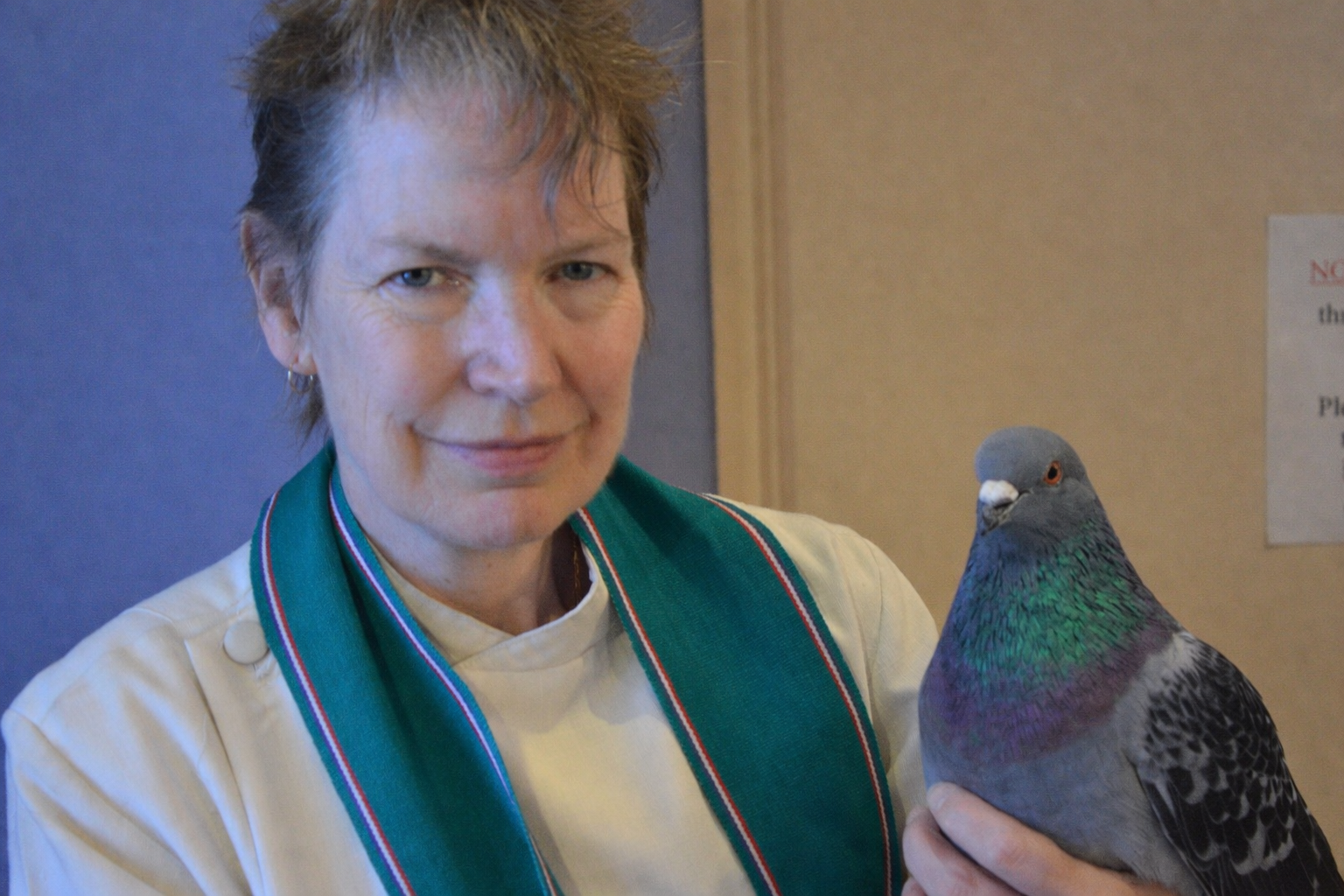
Barbara Allen is a writer and chaplain at Lort Smith Animal Hospital in Melbourne, Australia. She is the author of the book Pigeon, which explores the cultural and historical relationship between humans and pigeons. Allen has also written the picture book I Was There and contributed to publications such as Peace of Mind and Uniting Church Studies.