What Diseases Do Pigeons Carry | Health Risk Guide
If you keep pigeons or plan to start, you may wonder which diseases pigeons carry and whether they pose a risk to people or other birds. I get this question a lot, especially from beginners building their first loft.
From my own experience raising pigeons, I can tell you that pigeons can carry some diseases, but the risk is often misunderstood. Most healthy pigeons do not cause problems when kept clean and properly cared for. The real issue usually stems from poor hygiene, overcrowding, or flock stress.
I have handled pigeons for years, cleaned lofts, treated sick birds, and raised young ones. When you follow basic care steps, the chances of disease spreading become much lower. Still, it is important to understand what diseases pigeons can carry so you can protect both your birds and yourself.
Why This Topic Matters for Pigeon Owners
Knowing what diseases pigeons carry helps you make better decisions every day in your loft. It is not just about fear. It is about prevention and good care.
When I first started, I did not pay much attention to small signs like dirty water or weak droppings. Over time, I learned that these small things can lead to bigger problems. Diseases can spread quickly if you are not careful, especially when dealing with young birds during the breeding season. That is why having a basic pigeon breeding guide and understanding pigeon diseases go hand in hand.
This topic also matters because many people worry about getting sick from pigeons. Friends and neighbors often ask if it is safe to be around them. From my experience, simple habits like washing hands after handling birds and keeping the loft clean make a big difference.
Healthy pigeons are active, alert, and eat well. When you understand their normal pigeon behavior, it becomes easier to notice when something is wrong. That early awareness is what keeps your flock strong.
As someone who works with pigeons daily, I always say this. Do not panic about diseases, but do not ignore them either. Learn the basics, keep things clean, and your pigeons will stay healthy.
When people ask me what diseases dogeons carry, I always explain it. Yes, pigeons can carry some diseases, but most of them do not spread easily to humans if you take basic care.
From my own loft experience, the bigger risk is usually between pigeons themselves. Diseases spread faster from bird to bird than from bird to human.
Let me walk you through the most common ones I have seen or dealt with.
Common Diseases Pigeons Can Carry
Salmonella
This is one of the more serious pigeon diseases I have faced. It spreads through droppings and dirty water.
You may notice:
• Loose droppings
• Weak birds
• Swollen joints
• Birds sitting quietly and not eating
I have seen this mostly in overcrowded lofts where cleaning is not done regularly.
E. coli Infection
This is very common, especially in young pigeons.
It usually happens when:
• Water is dirty
• Feed is spoiled
• Loft hygiene is poor
Young birds may stop eating and look weak. If you are following a proper pigeon breeding guide, you need to be extra careful with clean feeding during this stage.
Pigeon Paramyxovirus
This is a viral disease and can spread fast.
Signs include:
• Twisting of the neck
• Trouble walking
• Drinking a lot of water
• Watery droppings
I always tell new keepers that vaccination is very important to prevent this one.
Trichomoniasis
We often call it canker in the pigeon world.
It spreads through:
• Drinking water
• Feeding between parent and baby
You may see:
• Yellow patches inside the mouth
• Trouble eating
• Weight loss
This is very common in young birds, especially during breeding time.
External Parasites
These include mites and lice.
They may not sound serious, but they stress the birds and gradually weaken them.
Signs:
• Birds are scratching a lot
• Poor feather condition
• Restless behavior
If you understand normal pigeon behavior, you will quickly notice when something feels off.
Can Humans Get Sick From Pigeons
This is where most people worry.
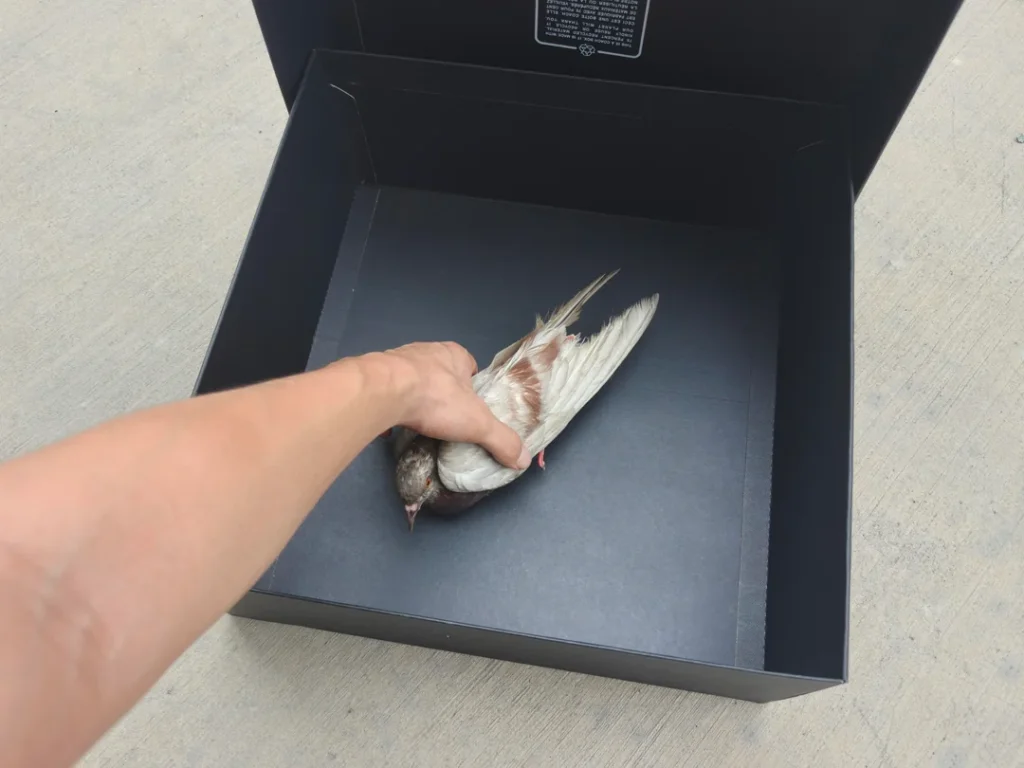
From my personal experience, the risk is low if you follow simple hygiene. Some diseases, like psittacosis, can infect humans, but I have rarely seen it happen in small home lofts.
The real problem comes when:
• Droppings are left uncleaned for a long time
• Dust builds up in closed spaces
• No ventilation in the loft
I always clean regularly and wash my hands after handling birds. That simple habit has kept me safe all these years.
Practical Pigeon Care Advice
Let me share what actually works in real life.
Keep the Loft Clean
Clean droppings daily or at least several times a week. A clean loft is your first defense against pigeon diseases.
Provide Fresh Water
Change water every day. I never let water sit for too long because that is where many problems start.
Feed Good Quality Food
If you are learning what pigeons eat, always choose clean grains. Avoid moldy or wet feed.
Avoid Overcrowding
Too many birds in a small space lead to stress and rapid disease spread. Give your pigeons enough room.
Observe Your Birds Daily
This is the most important habit. I spend time watching my pigeons every day. You can spot early signs before things get serious.
Tips and Common Mistakes
When you understand what diseases pigeons carry, the next step is knowing how to avoid them. Over the years, I have made mistakes myself and learned from them. I have also seen many beginners repeat the same problems.
Let me share the most useful tips and the common mistakes you should avoid.
Helpful Tips From Real Loft Experience
Keep a Simple Cleaning Routine
You do not need anything complicated. What matters is consistency.
I clean droppings regularly and make sure the floor stays dry. Wet, dirty areas are where bacteria grow quickly. Even a small daily clean makes a big difference.
Always Use Clean Water
This is one of the easiest things to fix, but many people ignore it.
I change water every day without fail. In hot weather, I sometimes change it twice. Dirty water is one of the main reasons diseases spread in a loft.
Watch Your Birds Closely
Your pigeons will show signs before they get seriously sick.
Look for:
• Less movement
• Sitting puffed up
• Not eating properly
• Changes in droppings
Understanding normal pigeon behavior is very helpful here. When you know how your birds usually act, you can quickly notice when something is wrong.
Keep New Birds Separate
Whenever I bring in new pigeons, I never mix them with my main flock right away.
I keep them separate for some time and watch for any signs of illness. This simple step has saved my flock more than once.
Support Birds During Breeding
Young birds are more sensitive to disease.
If you follow a pigeon breeding guide, make sure:
• Nest areas stay clean
• Parents have fresh food and water
• Babies are checked regularly
This is the time when infections like canker can spread easily.
Common Mistakes People Make
Ignoring Early Signs
This is the biggest mistake I see.
Many people wait too long, thinking the bird will recover on its own. By the time they act, the disease has already spread.
Overcrowding the Loft
Trying to keep too many pigeons in a small space causes stress and weakens their immune system.
I learned this the hard way early on. Once I reduced the number of birds, health problems dropped quickly.
Poor Ventilation
A closed, stuffy loft creates a poor environment.
Fresh air is very important. Without it, dust and germs accumulate, increasing the risk of disease.
Feeding Low Quality Food
Some beginners try to save money by using poor-quality feed.
If you understand what pigeons eat, you will know that clean grains are essential. Bad food leads to weak birds and more health issues.
Not Learning About Pigeon Diseases
Some people start keeping pigeons without learning the basics.
Knowing common pigeon diseases helps you act fast and protect your flock. It also gives you confidence as a keeper.
A Simple Habit That Changes Everything
If I had to give just one piece of advice, it would be this.
Spend time with your pigeons every day.
I do not just feed them and leave. I watch them, listen to their sounds, and check how they move. This daily habit helps me catch problems early and keep my birds healthy.
FAQ Section
What diseases do pigeons carry that can affect humans
Pigeons can carry a few diseases that may affect humans, but this is uncommon in typical home settings. The one people talk about most is psittacosis. It spreads through dried droppings and dust.
From my experience, I have never had this issue in my own loft. I keep things clean and always wash my hands after handling birds. If you follow simple hygiene, the risk stays very low.
Is it safe to keep pigeons at home
Yes, it is safe if you care for them properly.
I have been raising pigeons for years, and I live close to my birds. The key is:
• Clean the loft regularly
• Provide fresh water
• Avoid overcrowding
When you follow basic care and understand pigeon diseases, there is nothing to worry about.
Can pigeon droppings make you sick
They can if left to build up and turn to dust.
This usually happens in places that are not cleaned for a long time. In my loft, I never let droppings pile up. Regular cleaning keeps both the birds and me safe.
Good ventilation also helps a lot.
How do I know if my pigeon is sick
You will notice changes in their normal pigeon behavior.
Watch for:
• Less activity
• Not eating
• Sitting puffed up
• Strange droppings
I always say that your eyes are your best tool. If something feels different, check the bird closely.
How can I prevent diseases in my pigeons
Prevention is simple if you stay consistent.
Here is what works for me:
• Keep the loft clean
• Give fresh food and water
• Avoid mixing sick birds with healthy ones
• Learn what digeons eat and how to feed them properly
Also, follow a good pigeon breeding guide if you raise young birds. That is when they are most sensitive.
Conclusion
Understanding what diseases pigeons carry is important, but it should not scare you away from keeping pigeons. From my own experience, most problems come from poor care, not from the birds themselves.
Healthy pigeons are strong birds. When they have clean space, fresh water, and good food, they rarely get sick. I have raised pigeons for years, and the times I faced disease issues were usually when I made small mistakes like delaying cleaning or overcrowding the loft.
The truth is simple. Good habits keep your pigeons healthy.
If you stay consistent with cleaning, watch your birds daily, and learn basic pigeon diseases, you will be able to prevent most issues before they become serious. Knowing what pigeons eat and following a proper pigeon breeding guide also helps a lot, especially when you are raising young birds.
I always tell new pigeon keepers this. Spend time with your birds. Observe their pigeon behavior. That daily connection will teach you more than anything else. You will notice small changes early and take action quickly.
Pigeons are not as risky as many people think. With proper care, they are safe to keep and very rewarding to raise.
Take care of your pigeons, and they will stay healthy and active for a long time.
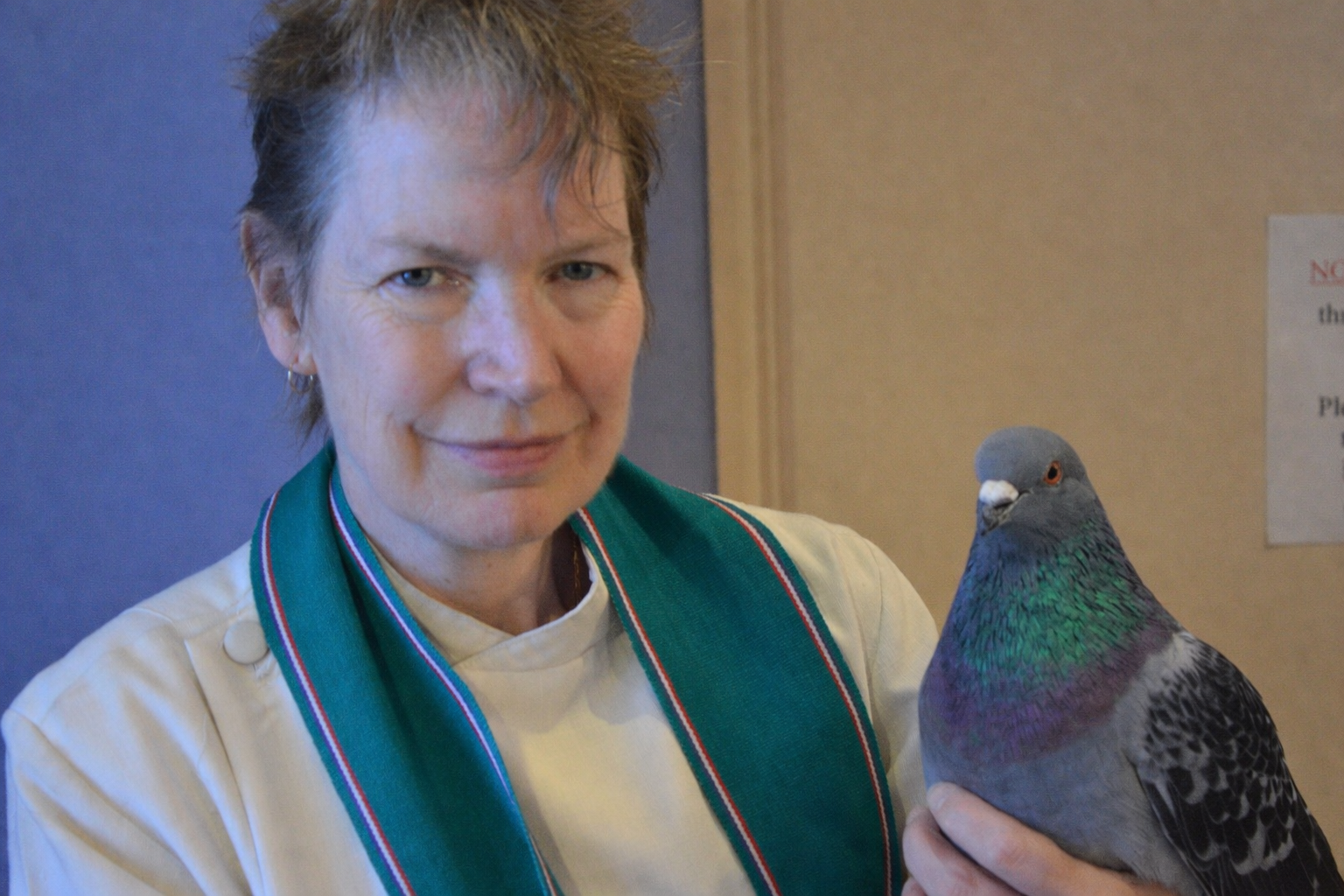
Barbara Allen is a writer and chaplain at Lort Smith Animal Hospital in Melbourne, Australia. She is the author of the book Pigeon, which explores the cultural and historical relationship between humans and pigeons. Allen has also written the picture book I Was There and contributed to publications such as Peace of Mind and Uniting Church Studies.