Treatment For Pigeon Pox | Care And Recovery Guide
If you raise pigeons as I do, you will eventually come across health problems in your birds. One of the most common issues I have seen over the years is pigeon pox. Many beginners get worried when they first notice strange scabs or growths on their pigeons. I remember the first time I saw it in my own loft. I thought it was something very serious, and I almost panicked.
The good news is that treatment for pigeon pox is possible, and in many cases, birds recover well with proper care. You need to understand what is happening and act early.
Pigeon pox is a viral disease that spreads mainly through mosquito bites or direct contact between birds. It usually shows up as wart-like growths on the beak, around the eyes, or on the feet. Sometimes it can also affect the inside of the mouth and throat, which is more dangerous.
When you keep pigeons, especially in warmer areas or during mosquito season, this is something you should always keep in mind. It is just as important as learning what pigeons eat or understanding basic pigeon diseases. The more you know, the easier it is to protect your birds.
Why This Topic Matters for Pigeon Owners
From my experience, pigeon pox is not something you can ignore. I have seen cases where people thought it would go away on its own and did nothing. Sometimes the bird recovers, but other times the condition gets worse, especially if the pigeon becomes weak or stops eating.
If the infection spreads inside the mouth, the bird can struggle to breathe or swallow food. That is when things become serious. This is why knowing the right treatment for pigeon pox can make a big difference.
Another reason this matters is how easily it can spread in your loft. If one pigeon gets infected and you are not careful, others can catch it too. This is very important if you are raising birds for breeding. Healthy birds are key to a good pigeon breeding guide, and disease can slow everything down.
I always tell new pigeon keepers that prevention and early care are just as important as feeding and housing. You might spend time learning about pigeon behavior or improving your feeding routine, but health issues like this can affect everything if you are not prepared.
When it comes to treatment for pigeon pox, the first thing I always tell people is this. There is no direct cure that kills the virus instantly. Pigeon pox is a viral disease, so the goal is to support the bird and prevent things from getting worse while the pigeon fights it off.
I have handled this many times in my own loft. Some birds recover in two to three weeks if you take proper care of them. The key is early action and good management.
There are two main forms you should understand.
Dry Form
This is the most common one I see. You will notice small scabs or wart-like growths on the beak, around the eyes, or on the feet. These usually look ugly but are less dangerous if managed well.
Wet Form
This one is more serious. It affects the inside of the mouth and throat. The pigeon may have trouble eating or breathing. If you see this, you need to act fast because the bird can weaken quickly.
Practical Pigeon Care Advice
Now I will share exactly what I do when I see pigeon pox in my birds.
Isolate the Sick Bird
The first thing I always do is separate the infected pigeon from the rest of the flock. This helps stop the spread.
Even if only one bird looks sick, I never take chances. Pigeon diseases can spread faster than you expect, especially in a crowded loft.
Keep the Loft Clean and Dry
Cleanliness makes a big difference. I remove droppings daily and make sure the loft stays dry. Mosquitoes love dirty and damp areas, and they are one of the main reasons pigeon pox spreads.
I also improved airflow in the loft. Fresh air helps birds recover faster.
Clean the Lesions Gently
For the dry form, I sometimes clean the affected area with a mild antiseptic solution. You have to be gentle. Do not forcefully remove scabs. I learned this the hard way early on.
If you pull the scab off, it can bleed and cause more infection.
Apply Simple Topical Care
I usually apply a light antiseptic or iodine solution to the outside lesions. This helps prevent bacterial infection. Remember, the virus itself will run its course, but you want to avoid secondary infections.
Support the Immune System
This is one of the most important parts of treatment for pigeon pox.
I make sure the bird gets good nutrition. A balanced diet is key. If you are not sure, go back and review what pigeons eat because proper feeding plays a big role in recovery.
I also add vitamins to the drinking water, especially vitamin A and general multivitamins. In my experience, birds recover faster when their immune system is strong.
Make Feeding Easy
If the pigeon is weak or has trouble eating, I keep food and water very close to it. Sometimes I even soften the grains slightly to make it easier.
In severe cases, I have hand-fed birds to keep them alive. It takes time and patience, but it works.
Watch for Breathing Problems
If you notice the pigeon struggling to breathe or opening its mouth often, it could be the wet form. This needs extra attention.
In such cases, I keep the bird in a quiet and warm place and monitor it closely. If you have access to a vet, this is the time to seek help.
Control Mosquitoes
This is something many beginners ignore. Mosquito control is a big part of both treatment and prevention.
I use simple methods like keeping water containers covered and using safe repellents around the loft area. Fewer mosquitoes means less chance of the disease spreading.
Tips and Common Mistakes
Over the years, I have seen many pigeon keepers deal with pigeon pox the wrong way. I made some of these mistakes myself when I first started. If you avoid these, your birds will have a much better chance of recovering quickly.
Helpful Tips from Real Experience
Act Early When You Notice Symptoms
The sooner you start treatment for pigeon pox, the better the outcome. If you see small scabs forming, do not wait and see what happens.
Early care can stop the condition from getting worse.
Keep Your Birds Calm
Stress makes recovery slower. I always keep sick pigeons in a quiet place where they are not disturbed.
If a bird is stressed, it eats less and becomes weaker.
Use Clean Water Every Day
Fresh water is very important. I change the water daily and sometimes twice a day when a bird is sick.
I also add vitamins to help support recovery.
Give Soft and Easy Food
A weak pigeon may struggle with hard grains. I sometimes soak grains in water for a short time so they become softer.
This small step can make a big difference, especially if the bird is not eating well.
Watch the Whole Flock
Even if only one pigeon shows symptoms, I keep an eye on all birds. Pigeon diseases often spread before you even notice signs.
Check their eyes, beak, and behavior daily.
Learn Normal Pigeon Behavior
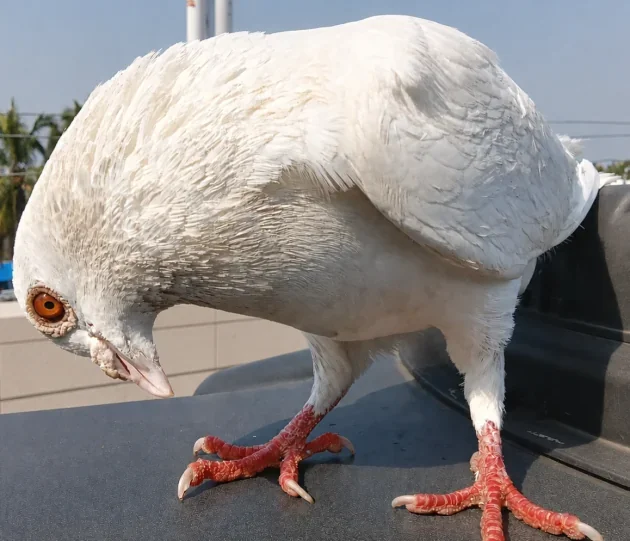
This helps you spot problems early. When you understand pigeon behavior, you can quickly tell when something is off.
A sick pigeon often sits quietly, fluffs its feathers, and avoids flying.
Common Mistakes to Avoid
Pulling Off the Scabs
This is one of the biggest mistakes I see.
Many beginners try to remove the scabs, thinking it will help the bird heal faster. It does the opposite. It causes bleeding and opens the door for infection.
Always let the scabs fall off naturally.
Ignoring the Wet Form
Some people only focus on visible scabs outside the body. But the wet form inside the mouth is more dangerous.
If your pigeon stops eating or seems to struggle while swallowing, do not ignore it.
Keeping Sick Birds with Healthy Ones
I understand it feels bad to separate birds, but it is necessary.
If you do not isolate, the disease can spread across your entire loft. This can affect your breeding plans and overall flock health.
Poor Loft Hygiene
Dirty conditions make everything worse.
I have seen lofts where droppings build up, and water becomes dirty. This weakens the birds and allows diseases to spread faster.
Cleanliness is one of the most important parts of pigeon care.
Not Supporting the Immune System
Some people focus only on applying medicine to the outside.
But real recovery comes from inside the bird. Good food, clean water, and vitamins are just as important as any treatment.
If you already follow a good routine from a pigeon breeding guide, your birds will usually handle infections better.
FAQ Section
How long does treatment for pigeon pox take?
From what I have seen in my own loft, most pigeons start improving within one to two weeks. Full recovery can take around three to four weeks.
The dry scabs slowly harden and fall off on their own. You should not rush this process. If the bird is eating well and staying active, that is a good sign.
Can pigeon pox spread to other birds?
Yes, it spreads easily if you are not careful.
Mosquitoes are one of the main causes, but direct contact between pigeons can also spread it. That is why I always isolate sick birds right away.
If you keep your loft clean and control mosquitoes, you can reduce the risk a lot.
Should I stop feeding a sick pigeon normal food?
No, you should continue feeding the bird, but make it easier to eat.
If the pigeon is weak, I soften the grains slightly or place food very close to it. Good nutrition is very important during treatment for pigeon pox.
If you already know what pigeons eat, make sure the food is clean and easy for the birds to handle.
Is pigeon pox deadly?
Most of the time, it is not deadly if treated properly.
The dry form is usually mild. But the wet form can be dangerous if it affects breathing or feeding. I have seen birds recover fully, but I have also seen cases where late action caused problems.
So it depends on how early you act and how well you care for the bird.
Can pigeons get pigeon pox again?
Yes, it can happen, but usually birds develop some level of immunity after recovering.
Still, I never take chances. I keep my loft clean and watch for mosquito activity. Prevention is always better than dealing with pigeon diseases again.
Conclusion
From my own experience, dealing with pigeon pox can feel stressful at first, especially if you are new to keeping pigeons. I have been there myself. The first time I saw those scabs on my birds, I thought I might lose them. But over time, I learned that with the right care, most pigeons recover just fine.
The most important thing to remember about treatment for pigeon pox is that you are supporting the bird while its body fights the virus. There is no quick fix, but simple and consistent care works.
Keep your sick birds separate, keep your loft clean, and make sure your pigeons eat well. These three things alone can make a big difference. Add vitamins, control mosquitoes, and watch your birds closely every day.
Also, never forget that good daily care prevents many problems. When you understand pigeon behavior, you can spot illness early. When you follow proper feeding based on what pigeons eat, your birds stay stronger. And when you stay aware of common pigeon diseases, you are always one step ahead.
I always tell beginners this. Healthy pigeons come from simple habits done every day: clean water, good food, fresh air, and careful observation.
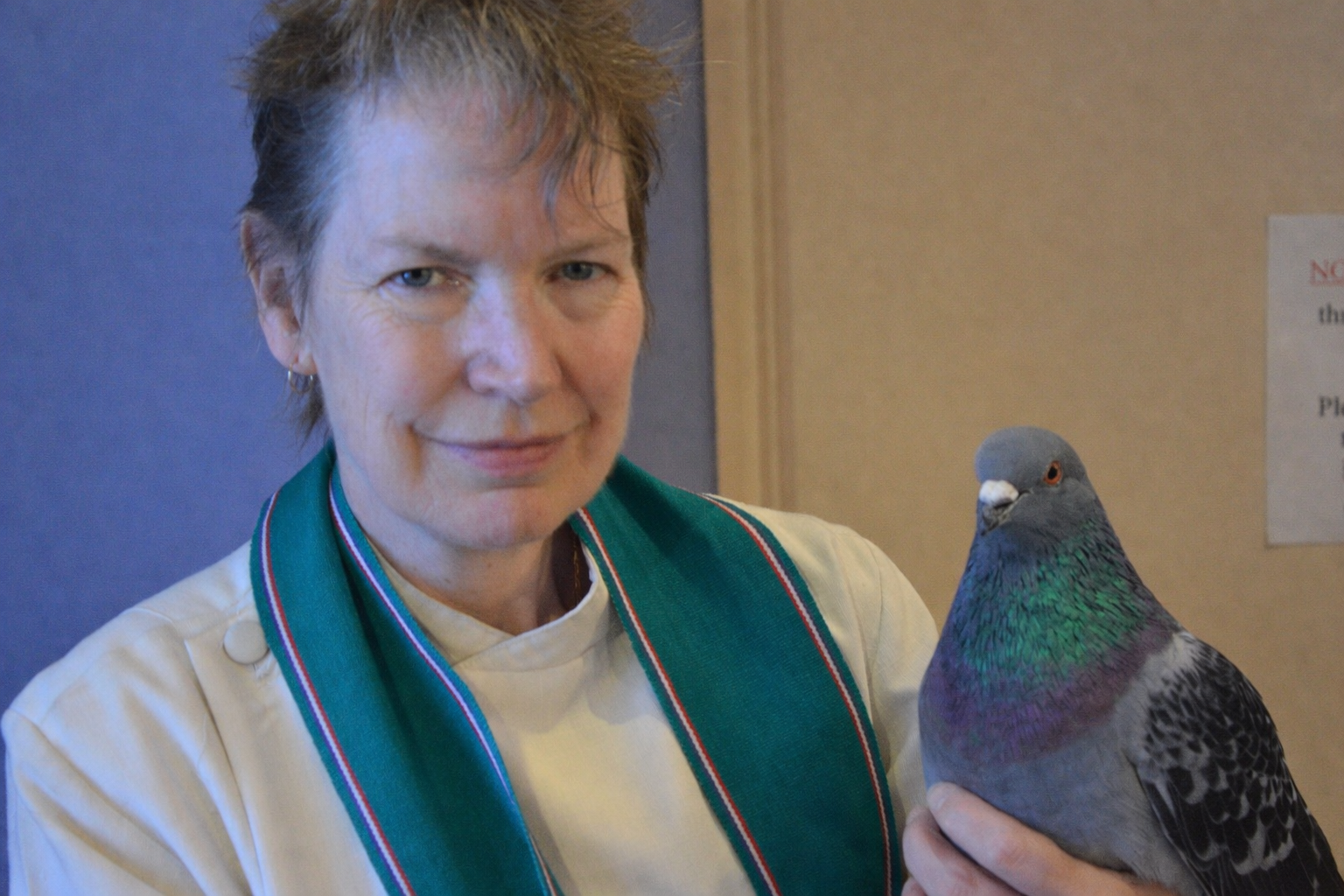
Barbara Allen is a writer and chaplain at Lort Smith Animal Hospital in Melbourne, Australia. She is the author of the book Pigeon, which explores the cultural and historical relationship between humans and pigeons. Allen has also written the picture book I Was There and contributed to publications such as Peace of Mind and Uniting Church Studies.