Nesting Boxes For Pigeons | Safe Coop Setup Guide
When you start raising pigeons, one of the first things you learn is how important nesting boxes for pigeons really are. I have been keeping pigeons for years, and I can tell you from experience that a good nesting box makes a big difference in how calm, healthy, and productive your birds are.
A nesting box is not just a place where pigeons lay eggs. It is where they feel safe, rest with their partner, and raise their babies. If the nesting setup is not right, pigeons can get stressed, fight with each other, or even stop breeding.
Many beginners focus on feed or buying good birds, which is important, but they forget about proper housing. Without good nesting boxes, even strong and healthy pigeons will not perform well. I have seen birds abandon eggs or fight over space just because the nesting boxes were too small or poorly placed.
Explain the Topic in Simple Terms
Nesting boxes for pigeons are simple compartments or small spaces where a pair of pigeons can live, lay eggs, and raise their chicks. Each pair needs its own space so they can stay calm and comfortable.
Think of it like a small room just for one pigeon couple. Inside the box, they build their nest, sit on eggs, and take care of their babies. If you give them the right space, they will naturally do their job without much trouble.
In my own loft, I always make sure each breeding pair has its own nesting box. This reduces fighting and helps the birds focus on breeding. It also makes it easier for me to manage them and keep everything clean.
If you are planning to follow a proper pigeon breeding guide, nesting boxes are one of the most important things to get right from the beginning.
Why This Topic Matters for Pigeon Owners
Good nesting boxes are one of the biggest factors in successful pigeon keeping. I have learned this the hard way over time.
When your nesting boxes are well designed, pigeons feel secure. They stay calm, and calm birds breed better. You will notice fewer fights, healthier chicks, and better overall behavior.
Poor nesting boxes can lead to many problems. Birds may fight over space. Eggs can get broken. Chicks may not survive. Sometimes pigeons even leave the nest if they feel unsafe.
Clean and well-placed nesting boxes also help prevent issues related to pigeon diseases. When the nesting area is too crowded or dirty, diseases can spread quickly.
Another thing I always tell new pigeon keepers is that nesting boxes also affect pigeon behavior. When birds have their own space, they become less aggressive and more focused on caring for their young.
Along with proper feeding, like understanding what pigeons eat, and basic care, nesting boxes are a foundation for raising healthy pigeons.
When it comes to nesting boxes for pigeons, I always keep things simple and practical. Over the years, I have tried different setups, and I can tell you that pigeons do not need anything fancy. They need the right size, enough privacy, and a clean space.
A good nesting box should be large enough for two adult pigeons and their chicks. In my loft, I follow a simple rule. Each box should be about 12 inches high, 12 inches wide, and 12 inches deep for the most common breeds. If you are keeping larger pigeons, you can go a little bigger.
Each pair must have its own box. Never force two pairs to share one space. That is one of the biggest mistakes beginners make. When pigeons do not have their own box, they fight, break eggs, and disturb each other constantly.
I also prefer double nesting boxes for breeding pairs. This means two compartments for one pair. While one side is used for eggs or chicks, the other side is used for resting or starting the next clutch. This setup really helps if you are following a proper pigeon breeding guide and want consistent results.
Placement also matters a lot. I always install nesting boxes at a comfortable height, not too low on the floor. Pigeons feel safer when they are a bit elevated. It also keeps the nest cleaner.
Make sure the boxes are placed in a quiet area of the loft. Too much disturbance can stress the birds. If pigeons feel unsafe, they may leave the eggs or stop breeding.
Ventilation is another important point. The box should not feel stuffy. Fresh air helps keep the birds healthy and reduces the risk of pigeon diseases. At the same time, avoid strong drafts directly hitting the nesting area.
Practical Pigeon Care Advice
From my own daily routine, I can share a few things that really make a difference when using nesting boxes for pigeons.
First, always keep the nesting boxes clean. I check them regularly and remove dirt, old nesting material, and droppings. Clean boxes reduce smell and prevent health problems.
Second, give proper nesting material. I usually provide straw, dry grass, or small twigs. Pigeons like to arrange their own nest. When they do this, it keeps them calm and active. It is part of their natural pigeon behavior.
Third, avoid overcrowding your loft. Even if you have many boxes, too many birds in one space will still cause stress. I always keep a balance between the number of birds and available space.
Fourth, observe your birds closely. If you see constant fighting near nesting boxes, it usually means there are not enough boxes or the space is too tight. Fixing this early can save a lot of trouble.
Feeding also connects with nesting success. Healthy birds breed better. Make sure you understand what pigeons eat and provide a balanced diet with grains and clean water. Good nutrition helps parents raise strong chicks.
Another thing I always do is check eggs and chicks without disturbing the parents too much. Gentle checking helps you catch problems early, but too much handling can stress the birds.
Finally, keep the nesting area dry. Moisture is a big problem. Wet nesting boxes can lead to sickness and poor chick survival. I always make sure the loft stays dry, especially during rainy days.
When you combine proper nesting boxes, good feeding, and basic health care, you will see a big improvement in your pigeons.
Tips and Common Mistakes
Over the years, I have seen many pigeon keepers struggle with nesting boxes for pigeons, especially in the beginning. Most problems come from small mistakes that are easy to fix once you know what to look for.
Let me share some practical tips that I personally follow, along with common mistakes you should avoid.
Helpful Tips from Real Experience
One thing I always do is give each breeding pair its own fixed nesting box. Once a pair claims a box, I try not to move it. Pigeons get attached to their space. If you keep changing things, they can get confused or stressed.
I also label or remember which pair uses which box. This helps a lot when checking eggs or chicks. It becomes easier to track breeding progress if you are following a pigeon breeding guide.
Another useful tip is to keep extra nesting boxes ready. Sometimes young pigeons try to pair up quickly. If there are no extra boxes, they start fighting with other pairs. Having a few extra spaces can prevent this problem.
Lighting is something many people ignore. I keep the nesting area well-lit during the day but not too bright. Natural light works best. It keeps pigeons active and supports healthy pigeon behavior.
I also make it a habit to check nesting boxes every day, even if just for a few seconds. This helps me notice problems early, like broken eggs, dirty nests, or sick birds.
Providing fresh nesting material regularly is very important. Even if there is already material inside, I still add a little more. Pigeons like to rebuild and adjust their nests.
Common Mistakes to Avoid
One of the biggest mistakes is using nesting boxes that are too small. When space is tight, pigeons cannot sit comfortably on eggs. This can lead to broken eggs or weak chicks.
Another common mistake is placing all nesting boxes too close together. When boxes are crowded, pigeons start invading each other’s space. This leads to fights and stress.
Many beginners also ignore cleaning. Dirty nesting boxes are a major cause of pigeon diseases. Droppings, old feathers, and damp material create a bad environment for both parents and chicks.
Overcrowding the loft is another serious issue. Even if you have enough boxes, too many pigeons in one area will still cause problems. Birds need space to move and feel secure.
Some people disturb pigeons too much during nesting. Constant checking, touching eggs, or moving birds can cause them to abandon the nest. I always handle them gently and only when needed.
Another mistake is poor feeding. If pigeons do not get proper nutrition, they may lay weak eggs or fail to raise chicks properly. Understanding what pigeons eat and giving a balanced diet is just as important as having good nesting boxes.
Finally, ignoring early signs of trouble can cost you. If you notice fighting, egg damage, or unusual behavior, do not wait. Fix the problem quickly before it gets worse.
When you avoid these mistakes and follow simple daily habits, nesting boxes become one of the easiest parts of pigeon keeping.
FAQ Section
How many nesting boxes do I need for my pigeons?
You should have at least one nesting box for each breeding pair. I always recommend having a few extra boxes as well. This helps prevent fighting, especially when new pairs form. Extra space keeps the loft calm and supports better pigeon behavior.
What is the best size for nesting boxes for pigeons?
For most pigeons, a box that is about 12 inches in all directions works well. If you have larger breeds, you can make the boxes a bit bigger. The key is making sure both birds can sit comfortably with their chicks.
What should I put inside a pigeon nesting box?
I usually give straw, dry grass, or small twigs. Pigeons like to build their own nest, and this keeps them active and relaxed. Always make sure the material is clean and dry to avoid problems related to pigeon diseases.
Can pigeons share a nesting box?
From my experience, it is not a good idea. Each pair should have its own space. If two pairs try to share, it often leads to fighting, broken eggs, and stress. Separate boxes make a big difference in breeding success.
How often should I clean nesting boxes?
I check my nesting boxes daily and clean them regularly. You do not need to deep clean every day, but removing dirt and old material helps a lot. Clean nesting areas keep pigeons healthy and improve chick survival.
Conclusion
Nesting boxes for pigeons are one of the most important parts of a successful pigeon setup. From my own experience, when the nesting area is right, everything else becomes much easier.
When pigeons have clean, comfortable, and properly sized nesting boxes, they stay calm and focused. They breed better, take good care of their eggs, and raise stronger chicks. You will also notice fewer fights and less stress inside the loft.
Simple things make a big difference. Give each pair its own space. Keep the boxes clean and dry. Provide good nesting material. Place the boxes in a quiet and safe area. These small steps can completely change your results.
Do not forget that nesting boxes work together with other important parts of pigeon care. Good feeding based on what pigeons eat, proper hygiene to avoid pigeon diseases, and understanding pigeon behavior all play a role in raising healthy birds.
If you are serious about pigeon keeping, take your time to set up your nesting boxes the right way. Once you get this part right, you will enjoy the process much more and see better results with every breeding season.
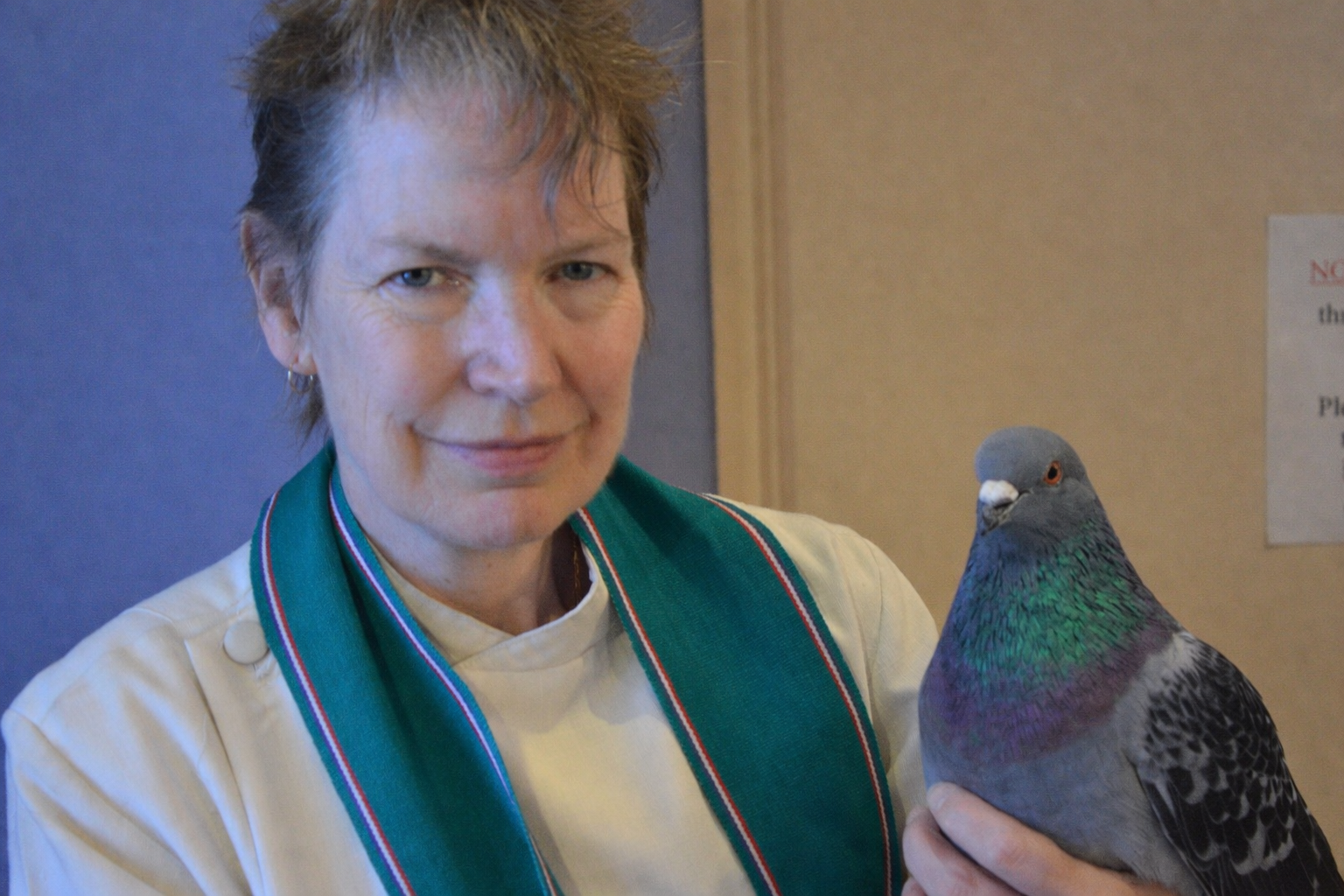
Barbara Allen is a writer and chaplain at Lort Smith Animal Hospital in Melbourne, Australia. She is the author of the book Pigeon, which explores the cultural and historical relationship between humans and pigeons. Allen has also written the picture book I Was There and contributed to publications such as Peace of Mind and Uniting Church Studies.