How To Build A Pigeon Coop | Step By Step Guide
Learning how to build a pigeon coop is one of the most important steps if you want to raise healthy and calm pigeons. I still remember building my first coop. It was simple, not perfect, but my birds felt safe in it. That is what really matters.
A good pigeon coop is not just a box or shelter. It is your birds’ home. It is where they sleep, eat, breed, and feel secure. If the coop is built the right way, your pigeons will stay active, breed better, and face fewer health problems.
When beginners ask me where to start, I always tell them this first. Do not rush the build. Take a little time to understand what pigeons actually need. Once you get that right, the rest becomes much easier.
Explain the Topic in Simple Terms
When we talk about how to build a pigeon coop, we are really talking about creating a safe and comfortable living space for your birds.
A pigeon coop should protect pigeons from rain, heat, cold, and predators. It should also give them enough space to move around without stress. Pigeons do not like crowded or dirty places. If the coop is too tight or poorly ventilated, they can get sick very quickly.
From my experience, pigeons always do better in a clean and airy coop. Fresh air is just as important as food. I have seen birds stay strong and active simply because their coop had good airflow and sunlight.
You also need to think about how easy it is for you to clean the coop. If cleaning feels difficult, you will avoid doing it often. That leads to problems like bad smell, parasites, and even pigeon diseases.
A simple wooden coop with proper ventilation, a dry floor, and enough space is always better than something fancy but poorly designed.
Why This Topic Matters for Pigeon Owners
Building a proper coop is the foundation of pigeon keeping. If the coop is wrong, everything else becomes harder.
Healthy pigeons start with a good home. I have noticed that when pigeons feel safe, they eat better and exhibit natural pigeon behaviour, such as pairing and nesting. This becomes especially important if you plan to follow a pigeon breeding guide in the future.
A well-built coop also helps prevent many common pigeon diseases. Good airflow reduces moisture, and dry conditions stop bacteria from growing. You will spend less time treating sick birds and more time enjoying your flock.
Another thing many beginners overlook is stress. Pigeons can get stressed easily if they feel unsafe. Loud noise, predators, or poor shelter can affect their health. A strong coop protects them and keeps them calm.
Also, if you are learning what do pigeons eat and how to feed them properly, a good coop makes feeding easier. You can place feeders and water in a clean space without worrying about contamination.
From my own daily routine, I can say this clearly. A good coop saves time, reduces problems, and makes pigeon keeping enjoyable. It is not just about building something. It is about setting up your birds for a healthy life.
When I explain how to build a pigeon coop, I always keep it simple. You do not need anything fancy. You just need to build it in a way that keeps your pigeons safe, dry, and comfortable.
I will walk you through the way I usually build my own coops.
Choosing the Right Location
The first thing I look at is location. This matters more than people think.
Pick a place that gets morning sunlight. Pigeons love early sun. It helps keep them active and dry. Avoid low areas where water collects after rain. A wet coop causes sickness very fast.
Try to place the coop where strong winds do not hit directly. A little airflow is good, but strong wind is not.
Deciding the Size of the Coop
Do not make the coop too small. Pigeons need space to move and stay calm.
A simple rule I follow is to give each pigeon enough room to stand, turn, and flap lightly. If birds are crowded, they fight more and stress increases.
If you plan to grow your flock later, build a slightly bigger coop from the start. I learned this the hard way. Expanding later takes more effort.
Building the Frame
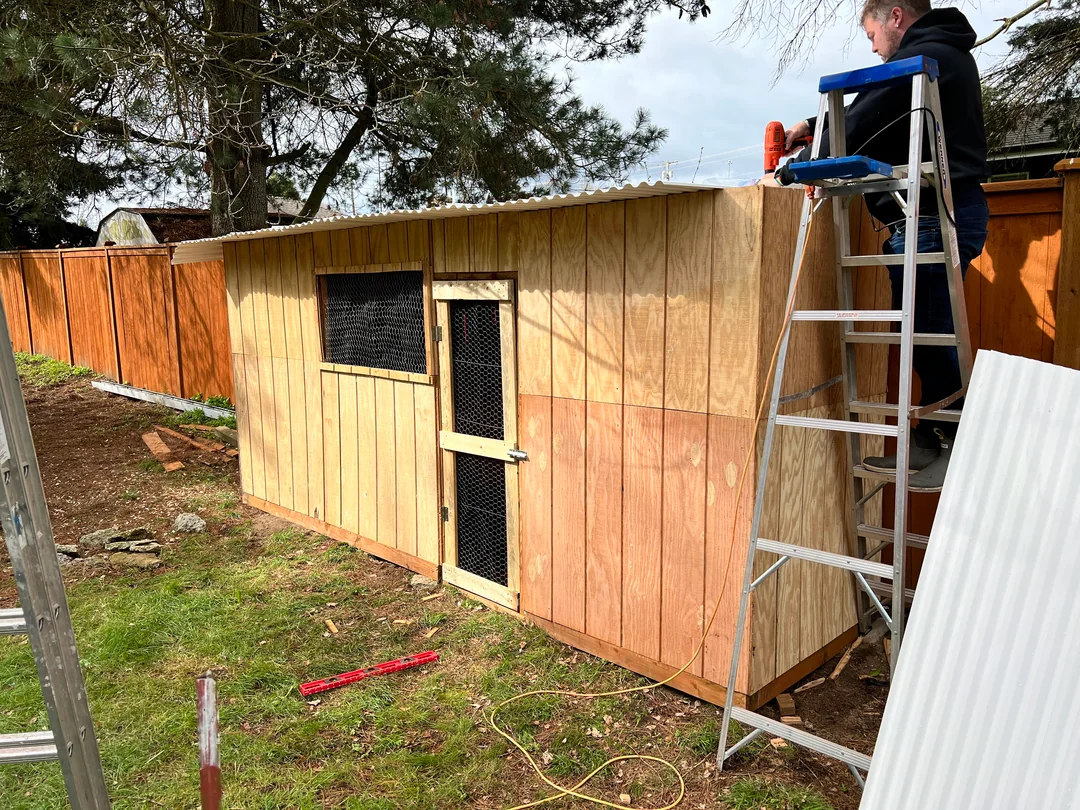
For the frame, I usually use wood because it is easy to work with.
Make a strong rectangular frame. It should not shake or feel weak. A solid frame keeps the coop stable during wind and bad weather.
Raise the coop a little above the ground. This helps keep the floor dry and protects it from rats and insects.
Walls and Ventilation
Now for the walls. You can use wood panels, wire mesh, or a mix of both.
At least one side should have wire mesh. This allows fresh air to move inside. Good ventilation is one of the biggest secrets to keeping pigeons healthy.
Do not fully close the coop. I have seen many beginners do this. They think it protects the birds, but it actually traps moisture and smell inside.
Fresh air keeps your pigeons active and reduces the risk of pigeon diseases.
Roof Design
The roof must protect from rain and heat.
I prefer a slanted roof so water can flow off easily. If water sits on the roof, it can leak inside later.
Use materials that do not heat up too much in the sun. Inside temperature should stay comfortable. In hot weather, pigeons can suffer quickly if the coop gets too warm.
Flooring
Keep the floor simple and easy to clean.
Wooden floors work well, but you can also use concrete if done properly. I like adding a layer of sand or dry litter on top. It absorbs moisture and makes cleaning easier.
Clean flooring is very important. Dirty floors lead to infection and parasites.
Doors and Access
Always build a proper door for yourself.
You should be able to enter easily to clean, feed, and check your birds. Make sure the door closes tightly so predators cannot enter.
Also, add a small entry point for pigeons. They should be able to go in and out without stress.
Nesting Areas
If you plan to breed pigeons, you must include nesting space.
I usually add simple nesting boxes inside the coop. Each pair should have its own space. This reduces fighting and helps during breeding.
If you follow a pigeon breeding guide later, you will see how important nesting space is for raising healthy chicks.
Practical Pigeon Care Advice
From my daily experience, I can tell you this. A good coop makes everything easier.
Keep feeders and water containers in a clean and dry area. This helps when you are learning what pigeons eat and how to manage feeding.
Always check airflow inside the coop. If it smells bad or feels damp, something is wrong.
Watch your pigeons closely. Their behaviour tells you a lot. Healthy birds move actively, coo softly, and look alert. If they sit quietly or look weak, check the coop first.
Clean the coop regularly. Even a well-built coop can become a problem if not cleaned. Good hygiene prevents many issues before they start.
Tips and Common Mistakes
After raising pigeons for a while, you start to notice patterns. Some coops work well, and some cause problems again and again. I made a few mistakes at the beginning, so I will share what I learned to help you avoid them.
Helpful Tips for Building a Better Pigeon Coop
Keep It Simple and Functional
Do not try to make the coop too fancy. Pigeons do not care about looks. They care about comfort and safety.
A simple design that is easy to clean and has good airflow will always perform better than a complicated setup.
Focus on Airflow Every Time
Fresh air is one of the biggest factors in pigeon health.
Even in colder areas, I never fully close the coop. I always leave space for air to move. This keeps the coop dry and prevents many pigeon diseases.
Make Cleaning Easy
This is something many beginners ignore.
If your coop is hard to clean, you will delay cleaning. That leads to smell, droppings buildup, and parasites.
I always design my coop so I can clean it quickly without stress.
Protect From Predators
Rats, cats, and snakes can be a serious problem.
Use strong wire mesh and make sure there are no gaps. Check corners carefully. Predators usually find small openings.
At night, always secure the coop properly.
Give Each Pair Enough Space
If you plan to breed pigeons, space matters a lot.
Each pair should have its own nesting area. This reduces fighting and helps keep eggs safe. It also supports better results when you follow a pigeon breeding guide.
Watch Your Birds Daily
Your pigeons will tell you if something is wrong.
If they look stressed or stay quiet, check the coop. Sometimes, small issues like poor ventilation or damp flooring can affect pigeon behaviour.
Common Mistakes to Avoid
Making the Coop Too Small
This is the most common mistake I see.
People try to save space, but overcrowding creates stress. Birds fight more, and sickness spreads faster.
Always plan for a little extra space.
Poor Ventilation
Closing the coop too much is a big mistake.
Some beginners think it keeps pigeons safe, but it actually traps heat and moisture inside. This leads to breathing problems and infections.
Fresh air should always move through the coop.
Ignoring Sunlight
Pigeons benefit from natural light.
A coop that gets morning sunlight stays drier and healthier. Dark and damp coops are more likely to cause disease.
Weak Structure
If the coop is not strong, it will not last.
Wind, rain, and predators can damage a weak coop. Build it strong from the start so you do not have to fix it again and again.
Not Planning for Cleaning
I learned this the hard way.
If you cannot clean the coop easily, it becomes a daily problem. Dirty conditions quickly lead to pigeon diseases and a bad smell.
Mixing Too Many Birds Together
If you keep too many pigeons in one space, stress increases.
This affects their eating habits, which becomes important when you are managing what pigeons eat. It also affects breeding and overall health.
FAQ Section
How big should a pigeon coop be?
A pigeon coop should give each bird enough space to move comfortably. I always make sure each pigeon can stand, turn, and flap lightly without touching others.
If you plan to breed pigeons, add extra space for nesting boxes. Crowded coops lead to stress, fighting, and faster spread of pigeon diseases.
What is the best material to build a pigeon coop?
From my experience, wood works very well. It is easy to build with and keeps the inside temperature stable.
You can also use wire mesh for airflow and safety. A mix of wood and mesh usually gives the best result. The main thing is to make sure the coop is strong, dry, and easy to clean.
Should a pigeon coop be fully closed?
No, it should not be fully closed.
Pigeons need fresh air. A closed coop traps moisture and smell, which can lead to sickness. I always keep at least one side open with mesh so air can move freely.
Good ventilation keeps pigeons active and supports natural pigeon behaviour.
How often should I clean the pigeon coop?
I try to do light cleaning every few days and a deeper clean once a week.
If you keep the coop clean, your pigeons stay healthier and more active. Dirty conditions can quickly lead to pigeon diseases, so regular cleaning is very important.
Where should I place food and water inside the coop?
Keep food and water in a clean and dry area.
Do not place them directly on dirty floors. I always use raised feeders and clean containers. This helps when managing what pigeons eat and keeps everything hygienic.
Conclusion
Building a good coop is the first real step toward successful pigeon keeping. Once you understand how to build a pigeon coop the right way, everything else becomes easier.
From my own experience, pigeons do best in a simple, clean, and well-ventilated coop. You do not need expensive materials or a complicated design. What matters most is giving your birds a safe place where they can rest, eat, and feel comfortable.
Take your time when building. Think about airflow, space, sunlight, and easy cleaning. These small details make a big difference in the long run.
A well-built coop helps your pigeons stay healthy, reduces the risk of pigeon diseases, and supports natural pigeon behaviour. It also makes breeding smoother if you decide to follow a pigeon breeding guide later on.
If you keep the coop clean and watch your birds daily, you will quickly learn what works best. Pigeon keeping becomes much more enjoyable when your birds are active and relaxed in their home.
Barbara Allen is a writer and chaplain at Lort Smith Animal Hospital in Melbourne, Australia. She is the author of the book Pigeon, which explores the cultural and historical relationship between humans and pigeons. Allen has also written the picture book I Was There and contributed to publications such as Peace of Mind and Uniting Church Studies.