Can Pigeons Eat Popcorn | Is It Safe for Them?
Many people enjoy feeding birds. It is common to see pigeons walking around parks, city streets, and backyards looking for food. A question I often hear from new bird lovers is this: Can pigeons eat popcorn?
I have been raising pigeons for years, and feeding them the right food makes a big difference in their health. Pigeons are not very picky eaters. They will try many types of food if they find it on the ground. Because of this, people often assume that anything humans eat must also be safe for pigeons. That is not always true.
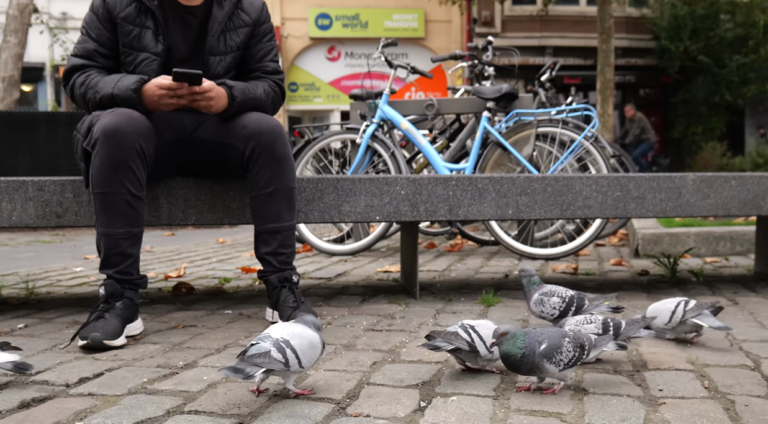
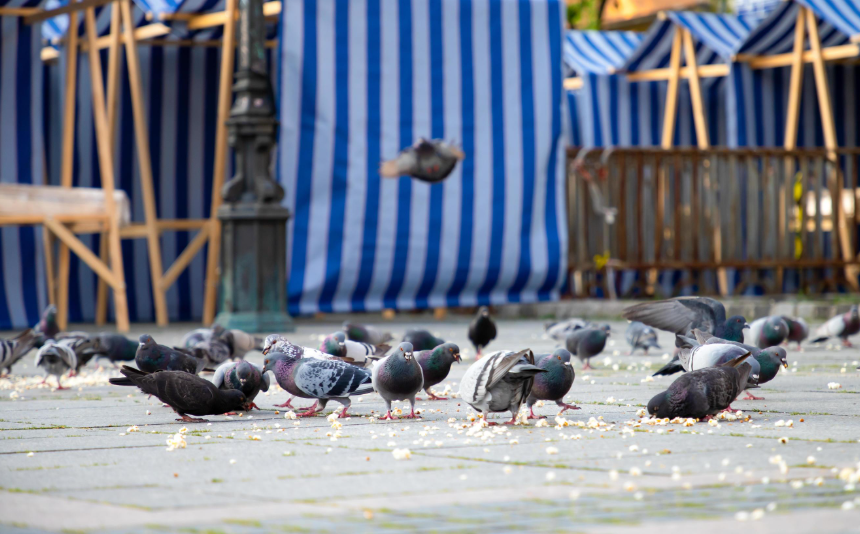
Popcorn is a popular snack in the United States. People eat it at home, at movie theatres, and during sports games. Sometimes a few pieces fall on the ground outside, and pigeons quickly gather around to eat them. Watching this can make people wonder if popcorn is actually good for pigeons or if it could cause problems.
Understanding what pigeons should eat is very important for anyone who keeps pigeons or enjoys feeding them. A proper diet helps pigeons stay strong, grow healthy feathers, and raise healthy young birds. Poor food choices can lead to weak birds, digestion problems, and even disease.
From my own experience keeping pigeons in a loft, I have learned that their diet should mostly consist of grains and seeds. Foods like corn, peas, wheat, and milo are common in pigeon feed mixes. These foods give pigeons the nutrients they need for energy, muscle growth, and overall health. If you have ever read about what pigeons eat, you probably noticed that most natural foods for pigeons are simple grains rather than processed snacks.
This is why questions about human snacks like popcorn come up so often. Many pigeon owners want to know whether it is safe to share a little snack with their birds. Beginners who are just learning about pigeon care also want to avoid feeding something that might harm their birds.
Feeding mistakes are more common than people think. I have seen new pigeon keepers offer all kinds of food scraps without realizing that some foods are not suitable for birds. Learning the basics of pigeon nutrition helps prevent these problems and keeps your flock healthy.
Another reason diet matters is breeding. When pigeons are raising young birds, their bodies need even more nutrients. Good food supports healthy chicks and strong parents. Anyone following a pigeon breeding guide will quickly learn that proper feeding is one of the most important parts of successful breeding.
Food also affects pigeon behavior. Hungry pigeons become restless and may fight over food. Well-fed pigeons stay calmer and more active. When you understand pigeon behavior, you can often see how diet influences their daily habits.
Health is also connected to diet. Poor nutrition can weaken a pigeon’s immune system and make it easier for illnesses to spread. Many common pigeon diseases become more serious when birds are not getting the nutrients they need.
Because of all these reasons, pigeon owners should think carefully before feeding unusual foods. A simple question like whether pigeons can eat popcorn may seem small, but it is part of a bigger topic about proper pigeon care.
Can Pigeons Eat Popcorn?
Yes, pigeons can eat popcorn. But the real answer is a little more detailed than that.
From my experience raising pigeons, popcorn is not harmful if a pigeon eats a small amount once in a while. However, popcorn should never become a regular food in a pigeon’s diet. Pigeons need simple grains and seeds to stay healthy, and popcorn does not provide the nutrition they need.
When people see pigeons eating popcorn in parks or near movie theatres, it often looks like the birds enjoy it. The truth is that pigeons will try many types of food if they are hungry. They do not always know what is best for their bodies.
That is why pigeon owners should understand the difference between what food pigeons will eat and what pigeons should eat.
Plain Popcorn vs Flavored Popcorn
Not all popcorn is the same. This is very important to understand.
Plain Air Popped Popcorn
Plain popcorn without salt, butter, oil, or flavoring is the safest type if pigeons happen to eat it.
Even then, it should only be a rare treat. Popcorn is mostly air and starch, so it does not provide the balanced nutrition pigeons need for daily feeding.
In my loft, I focus on grains that give real nutrition,tion such as corn, wheat, peas, and milo. These foods support muscle growth, feather health, and strong energy levels.
Buttered Popcorn
Buttered popcorn is not a good food for pigeons.
Butter contains fat and additives that pigeons do not need. Too much fat can upset their digestion and may cause health problems over time.
If you raise pigeons at home, it is best to avoid giving them buttery snacks.
Salted Popcorn
Salt is another problem for birds.
Pigeons need very small amounts of minerals in their diet, but large amounts of salt can be harmful. Too much salt can cause dehydration and stress on a pigeon’s body.
Many types of popcorn sold in stores contain a lot of salt. That is why feeding salted popcorn to pigeons is not recommended.
Flavored Popcorn
Popcorn that contains cheese flavor, caramel, sugar, or other seasonings should never be given to pigeons.
These ingredients are designed for human taste, not bird health. Sugar and artificial flavoring upset the digestive system.
Why Popcorn Is Not a Good Regular Food
When I teach beginners about pigeon care, I always explain that pigeons thrive on simple, natural foods.
A healthy pigeon diet usually includes grains and seeds like:
- Corn
- Wheat
- Peas
- Barley
- Milo
- Safflower
- Small seeds
These foods provide protein, carbohydrates, vitamins, and minerals. They help pigeons stay active, produce healthy feathers, and raise strong chicks.
Popcorn does not provide these important nutrients in the right balance.
This is why experienced pigeon keepers focus on proper feed mixes instead of human snack foods. Anyone learning about what pigeons eat will quickly see that grains are the foundation of a healthy pigeon diet.
What Happens If Pigeons Eat Popcorn?
If a pigeon eats a few pieces of plain popcorn, nothing serious will usually happen.
Pigeons have strong digestive systems that can handle different types of grains and seeds. Since popcorn comes from corn, pigeons can digest it.
However, there are a few things to keep in mind.
Popcorn pieces are light and fluffy. They fill a pigeon’s stomach quickly but do not provide enough nutrition. If pigeons eat too much popcorn, they may feel full without getting the nutrients they need.
Another concern is size. Some pieces of popcorn are large and hard for smaller pigeons to swallow easily.
In rare cases, large pieces could cause choking or difficulty swallowing.
Popcorn Kernels and Pigeons
Unpopped popcorn kernels are actually closer to natural pigeon food.
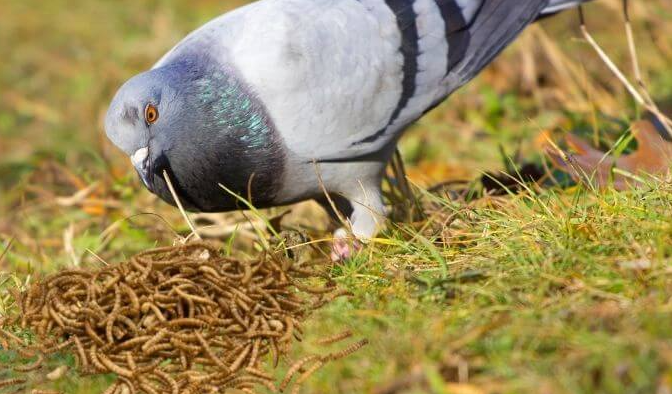
Corn is already a common grain used in pigeon feed mixes. Pigeons can eat cracked corn or small corn kernels without problems.
However, whole popcorn kernels are often harder than normal feed corn. Because of this, they are not commonly used by pigeon keepers.
Most pigeon breeders prefer grains that are easier to digest and more balanced in nutrition.
A Tip From My Loft
Over the years, I have learned that pigeons do best when their diet stays simple.
Instead of snacks like popcorn, I give my pigeons a good grain mix and, h,h clean water every day. I also provide grit and minerals so their digestion stays healthy.
Good feeding habits help prevent many problems related to pigeon diseases, since healthy birds with strong nutrition are more resistant to illness.
Proper feeding also supports breeding success. When pigeons are raising young birds, they need a steady supply of quality grains. Any pigeon breeding guide will emphasize that the important nutrition is during the breeding season.
So while popcorn is not poisonous to pigeons, it is far from the best choice for their daily diet.
Tips and Common Mistakes When Feeding Pigeons
Feeding pigeons looks simple, but many beginners make small mistakes that can affect the birds over time. I have seen this many times with new pigeon keepers who are excited to feed their birds but are not sure what foods are best.
When people ask me whether pigeons can eat popcorn, I usually take the chance to explain a few basic feeding tips that every pigeon owner should know.
Tip 1: Keep the Diet Simple
One of the best things you can do for pigeons is keep their food simple and natural.
Pigeons thrive on grains and seeds. In my loft, I mainly feed a mix that includes corn, wheat, peas, barley, and milo. These foods give pigeons the energy and nutrients they need.
When beginners start giving too many human snacks, pigeons can fill their stomachs with foods that do not provide proper nutrition.
Popcorn, bread, chips, and other snack foods should never replace proper pigeon feed.
If you want to learn the basics of feeding pigeons, it helps to understand what pigeons eat in nature and in a healthy loft.
Tip 2: Use Treats Only Occasionally
It is fine to give pigeons a small treat once in a while. The keyword is occasionally.
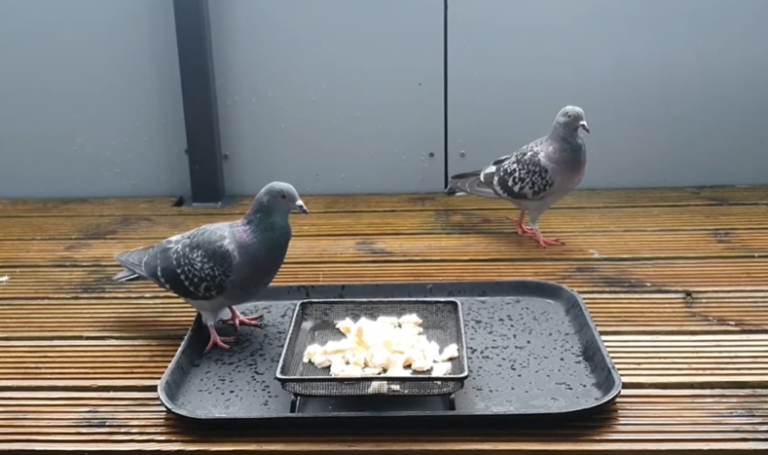
If a pigeon finds a few pieces of plain popcorn on the ground, it usually will not cause harm. But treats should never become a daily habit.
A pigeon’s main diet should always come from balanced grains and seeds.
Too many treats can cause pigeons to ignore their normal feed and wait for snacks instead.
Tip 3: Avoid Salted and Processed Foods
One of the biggest mistakes beginners make is feeding processed food.
Human snacks often contain salt, oil, sugar, and artificial flavouring. These ingredients are not suitable for birds.
Sa,,lt in particu,l, ar can be harmful for pigeons if they consume too much.
This is why foods like buttered popflavouredavored popcorn, and other salty snacks should never be offered to pigeons.
Tip 4: Always Provide Clean Water
Good feeding is not just about food. Water is just as important.
Pigeons drink water throughout the day. They also use water to help soften food inside their crop during digestion.
Dirty water can quickly spread illness in a loft. I always make sure my pigeons have fresh, clean water every day.
This simple habit helps prevent many common pigeon diseases.
Tip 5: Provide Grit and Minerals
Many new pigeon keepers do not realize that pigeons need grit to digest food properly.
Grit contains small stones and minerals that help grind food inside the bird’s digestive system.
Without grit, pigeons may struggle to digest grains efficiently.
Mineral grit also provides important nutrients that support bone strength and egg production.
Anyone who reads a good pigeon breeding guide will notice that grit and minerals are always recommended for healthy birds.
Tip 6: Watch Your Pigeons While They Eat
One of the best ways to learn about pigeons is simply watching them.
Healthy pigeons usually eat eagerly and move around the loft with energy. If a pigeon stops eating or sits quietly for long periods, it may be a sign of illness.
Changes in eating habits are often the first sign that something is wrong.
Understanding normal pigeon behavior helps you notice problems early before they become serious.
Common Feeding Mistakes Beginners Make
Over the years, I have seen several feeding mistakes repeated again and again. These mistakes are easy to avoid once you know what to look for.
Feeding Too Many Human Snacks
Many people enjoy sharing food with animals. Unfortunately, birds have different dietary needs than humans.
Too many snacks like popcorn, bread, or crackers can lead to poor nutrition.
Pigeons may look full but still lack important nutrients.
Giving Large Pieces of Food
Pigeons swallow food whole. Large pieces can be difficult for them to handle.
If you ever offer treats, make sure the pieces are small and easy to swallow.
Ignoring Food Quality
Old or damp grain can cause serious health problems for pigeons.
Moldy, spoiled food should never be given to birds. Always store pigeon feed in a dry and clean place.
Fresh grain helps pigeons stay active and healthy.
Overfeeding
Another common mistake is giving pigeons more food than they need.
Pigeons that receive too much food may become overweight and less active.
Frequently Asked Questions About Pigeons and Popcorn
Can pigeons eat popcorn safely?
Yes, pigeons can eat popcorn if it is plain and given in very small amounts. From my experience raising pigeons, a few pieces of plain air-popped popcorn usually will not harm a pigeon.
However, popcorn should never be a regular part of their diet. Pigeons need grains and seeds that provide balanced nutrition. Popcorn is mostly starch and does not give pigeons the nutrients they need to stay strong and healthy.
If you raise pigeons in a loft, it is always better to focus on proper feed mixes rather than snack foods.
Is buttered popcorn bad for pigeons?
Yes, buttered popcorn is not good for pigeons.
Butter contains fats and additives that pigeons do not need. Too much fat can upset their digestion and may cause health issues over time.
Many store-bought popcorn products also contain salt and artificial flavoring. These ingredients are made for people, not birds.
If pigeons happen to eat a small piece by accident, it usually will not cause serious harm, but pigeon owners should avoid offering buttered popcorn intentionally.
Can pigeons eat popcorn kernels?
Pigeons can eat corn, but popcorn kernels are not ideal.
Corn is actually a common ingredient in pigeon feed mixes. Many pigeon keepers use cracked corn as part of their daily grain mix.
Popcorn kernels are harder than normal feed corn and can be difficult for pigeons to eat. Because of this, most pigeon keepers prefer regular corn grains instead.
When learning about what pigeons eat, you will see that grains such as corn, wheat, peas, and barley are much better choices.
What snacks are safe for pigeons?
If you want to give pigeons a small treat, it is best to stick with natural foods.
Some safe options include small seeds and grains such as sunflower seeds, safflower seeds, cracked corn, or millet.
These foods are much closer to what pigeons normally eat in nature.
Healthy feeding habits also help support strong immune systems and reduce the risk of common pigeon diseases.
Why is a proper diet important for pigeons?
Diet affects nearly every part of a pigeon’s life.
Good nutrition helps pigeons grow strong feathers, stay active, and raise healthy chicks. During breeding season, parent pigeons must produce crop milk and feed their young birds.
This is why every good pigeon breeding guide places strong emphasis on proper feeding.
Food also affects pigeon behavior. Well-fed pigeons are usually calmer and more active, while poorly fed birds may become weak or restless.
Keeping the diet simple and natural is one of the best ways to maintain a healthy flock.
Conclusion
So, can pigeons eat popcorn?
The simple answer is yes, pigeons can eat popcorn, but it should only happen rarely and in very small amounts. Plain air-popped popcorn is not poisonous to pigeons, but it is far from an ideal food for them.
From my experience raising pigeons, the healthiest birds are always the ones that eat a simple grain-based diet. Pigeons are naturally grain eaters. Foods like corn, wheat, peas, barley, and milo give them the energy and nutrients they need to stay strong.
Popcorn does not provide the balanced nutrition pigeons require. It can fill their stomach quickly without giving them the vitamins and protein they need. That is why popcorn should never replace proper pigeon feed.
Salted popcorn, buttered popcorn, and flavored popcorn are even worse choices. These snacks contain salt, oils, and additives that are not suitable for birds. Feeding these foods regularly can cause digestive problems and other health issues.
Good pigeon care always starts with the basics. Fresh grain, clean water, and proper minerals make a big difference in a pigeon’s health. When pigeons receive the right nutrition, they grow better feathers, stay active, and raise healthier young birds.
Anyone who spends time learning about what pigeons eat will quickly see that natural grains are the best foundation for a pigeon’s diet. Proper feeding also helps prevent many common pigeon diseases, since healthy birds have stronger immune systems.
Nutrition becomes even more important during the breeding season. Parent pigeons need strong bodies to raise their chicks successfully. Any experienced pigeon keeper following a pigeon-keeping guide understands that diet plays a major role in breeding success.
Food also affects daily pigeon behavior. Well-fed pigeons are calm, energetic, and active around the loft. Poor nutrition can lead to weak birds and unusual behavior.
For pigeon owners and beginners, the best approach is simple. Stick with quality grains, provide fresh water every day, and use treats only occasionally. A few pieces of plain popcorn once in a while will not harm pigeons, but it should never become part of their regular diet.
Healthy feeding habits lead to healthy pigeons. When you focus on the right foods, your pigeons will reward you with strong flight, beautiful feathers, and a thriving flock.
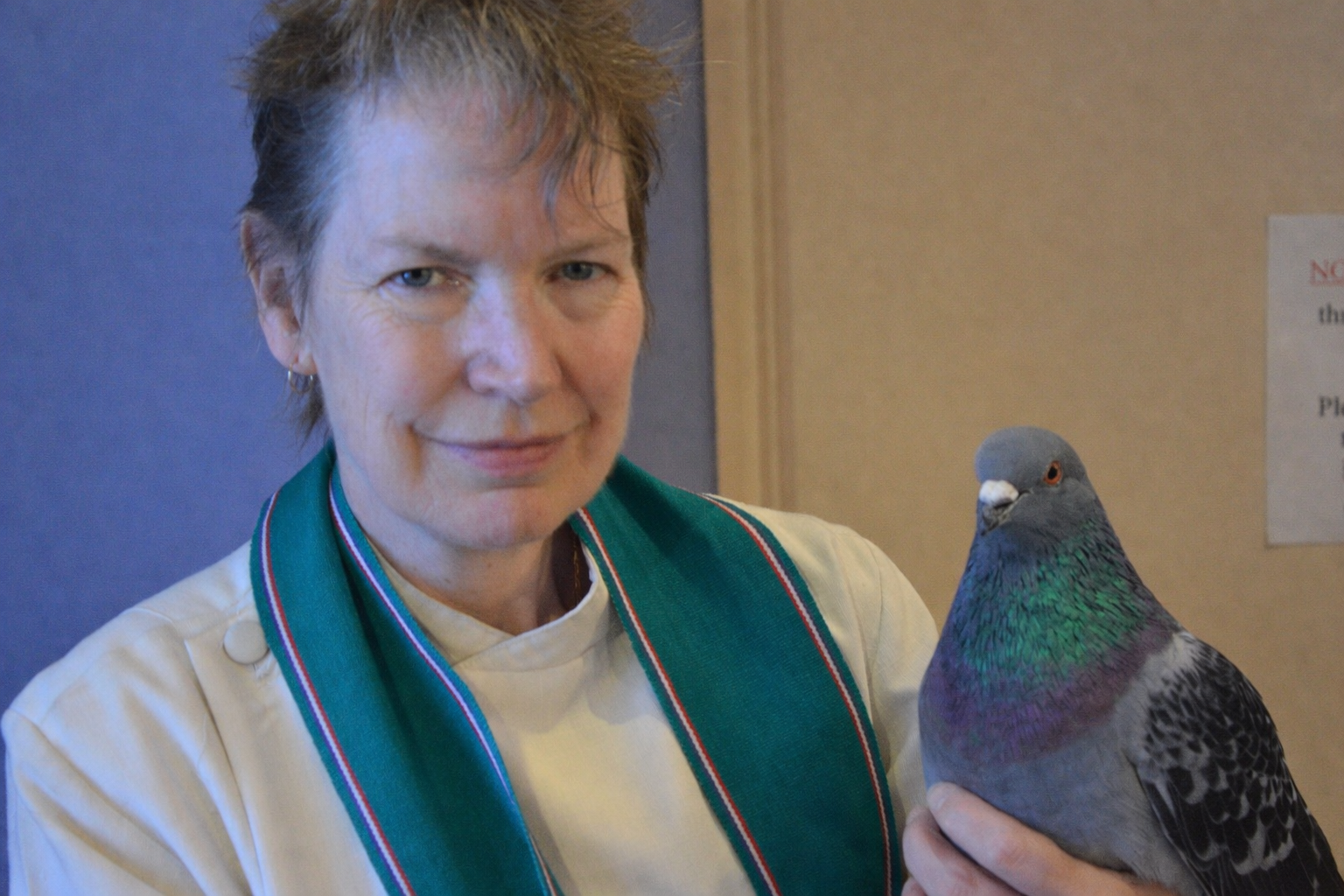
Barbara Allen is a writer and chaplain at Lort Smith Animal Hospital in Melbourne, Australia. She is the author of the book Pigeon, which explores the cultural and historical relationship between humans and pigeons. Allen has also written the picture book I Was There and contributed to publications such as Peace of Mind and Uniting Church Studies.