Pigeon Behaviour Guide | Understanding Pigeon Habits
If you spend time around pigeons every day, you start to notice they are always trying to tell you something. That is why having a good pigeon behavior guide is so important. Once you understand their actions, you can take better care of them and avoid many common problems.
I still remember when I first started raising pigeons. I used to think they were quiet birds that just ate and flew around. But after watching them closely, I realized they communicate through body movement, sounds, and small habits. A pigeon that fluffs its feathers, nods its head, or sits quietly in a corner is always showing how it feels.
This pigeon behavior guide will help you read those signs more easily. You do not need any special training. You need to observe your birds and learn what is normal and what is not.
Why Understanding Pigeon Behavior Matters
Knowing pigeon behavior is not just interesting; it’s essential. It is very useful for daily care.
When you understand their behavior, you can:
• Spot health problems early
• Know when they are ready for breeding
• Understand if they are stressed or comfortable
• Prevent fights between birds
• Improve feeding and loft management
For example, a healthy pigeon is active, alert, and eats well. If you see a pigeon sitting quietly with puffed feathers, that is often an early sign of illness. This is where knowledge of pigeon diseases becomes very helpful.
Behavior also plays a big role in breeding. When a male pigeon starts cooing and circling a female, you know mating is coming soon. That connects directly to what you would learn in a pigeon breeding guide.
Even feeding habits tell you a lot. Watching how pigeons eat can help you understand what pigeons eat and whether your birds are getting the right nutrition.
The more time you spend observing your pigeons, the easier it becomes to understand them. Over time, you will not need to guess. You will know what your birds need by the way they act.
When you raise pigeons every day, you start to see patterns in how they act. Once you understand these patterns, caring for pigeons becomes much easier.
A good pigeon behavior guide is not about memorizing facts. It is about watching your birds and learning what is normal for them.
Let me walk you through the most common behaviors I see in my own loft.
Normal Daily Behavior
Healthy pigeons follow a simple daily routine.
In the morning, they become active. They move around, flap their wings, and look for food. When you feed them, they rush toward the grains with energy. After eating, they often rest, preen their feathers, or sit calmly.
Preening is a very important behavior. When pigeons clean their feathers, it means they feel safe and relaxed. I always take this as a good sign.
In the afternoon, they may fly if given space. Later in the day, they settle down and return to their usual spots.
If your pigeons follow this kind of routine, you are doing things right.
Head Bobbing and Walking Style
You will notice pigeons bob their heads while walking. This is completely normal.
It helps them see clearly and keep balance. Some beginners worry about this, but there is nothing to be concerned about.
If a pigeon stops moving normally or looks weak while walking, that is when you should pay attention.
Cooing and Communication
Pigeons talk a lot through soft cooing sounds.
Male pigeons coo more than females. They use this sound to attract a mate or to show their space. When a male stands tall, puffs his chest, and coos loudly, he is trying to impress a female.
Sometimes cooing can also mean the bird is defending its area. If another pigeon comes too close, you may see some chasing or pecking.
This is normal, but if it turns into constant fighting, you may need to separate them.
Mating Behavior
When pigeons are ready to breed, their behavior changes clearly.
The male starts gently chasing the female. He bows his head, circles her, and keeps cooing. The female may seem shy at first, but if she accepts him, they will stay close.
After pairing, they begin nest building. You will see them picking small sticks or materials. This is the time to support them properly, especially if you are following a pigeon breeding guide.
Once eggs are laid, both parents take turns sitting on them. This is one of the most beautiful behaviors to watch.
Nesting and Protective Behavior
Pigeons become very protective when they have eggs or chicks.
If you try to touch the nest, they may peck or flap their wings. This is normal. They are just protecting their babies.
I always suggest being gentle and calm around nesting pigeons. Do not disturb them too much.
If a pigeon suddenly leaves the nest for long periods, that can be a warning sign. It may be due to stress, poor health, or inadequate conditions.
Signs of Stress or Fear
Stress is something you should always watch for.
A stressed pigeon may:
• Sit quietly in a corner
• Stop eating
• Breathe heavily
• Keep feathers puffed up for a long time
These are not normal behaviors. They often point to health issues or problems in the loft.
Sometimes stress comes from overcrowding, loud noise, or a lack of clean space. Keeping your loft clean and calm helps a lot.
Aggressive Behavior
Not all pigeons are calm all the time.
Some males become aggressive, especially during breeding season. They may chase others or guard their space.
A little aggression is normal. But if one bird keeps attacking others, you should step in.
In my loft, I separate overly aggressive pigeons to keep the rest safe.
Feeding Behavior
Watching pigeons during feeding time tells you a lot.
Healthy pigeons eat eagerly. They move quickly and compete for food.
If a pigeon stays back and does not eat, that is usually the first sign that something is wrong. I always check that bird closely.
Understanding feeding habits also helps you learn more about what pigeons eat and how to balance their diet properly.
Practical Pigeon Care Advice
From my own experience, here are a few simple things that make a big difference:
• Spend time watching your pigeons every day
• Learn what normal behavior in your loft is
• Act quickly when you see unusual behavior
• Keep the loft clean and not overcrowded
• Give them a calm and safe environment
Pigeons do not speak, but their behavior tells you everything.
Once you understand them, caring for pigeons becomes much easier and more enjoyable.
Tips and Common Mistakes
Over the years, I have seen many beginners struggle with pigeon behavior. Most of the time, the problem is not the pigeons. It is a misunderstanding of what the birds are trying to say.
Here are some simple tips and mistakes to avoid based on real experience.
Helpful Tips for Understanding Pigeon Behavior
Watch Your Birds Every Day
The best thing you can do is spend time observing your pigeons.
Even ten to fifteen minutes a day is enough. You will start to notice small changes. You will learn which bird is active, which one eats first, and which one behaves differently.
This habit alone can prevent many problems.
Learn What Is Normal in Your Loft
Every loft is a little different.
Some pigeons are calm. Some are more active. Some males are very dominant, while others are quiet.
Do not compare your birds too much with others. Focus on what is normal for your own pigeons. That is your best guide.
Check Behavior During Feeding Time
Feeding time is one of the easiest ways to judge health.
Healthy pigeons rush to eat. They move fast and show energy.
If you see a pigeon standing back or eating less, check it closely. Many cases of pigeon diseases start with small changes in eating behavior.
Keep the Loft Calm and Clean
Pigeons behave better in a peaceful environment.
Too much noise, dirty space, or overcrowding can stress them. Stress leads to strange behavior and health issues.
Clean the loft regularly and give each bird enough space.
Support Natural Behavior
Do not try to control everything.
Let pigeons build nests, choose partners, and follow their natural routine. This makes them healthier and more comfortable.
If you are following a pigeon breeding guide, you will notice that natural behavior leads to better results.
Common Mistakes Beginners Make
Ignoring Small Behavior Changes
This is the biggest mistake I see.
A pigeon sits quietly or eats less, and the owner ignores it. Later, the bird becomes seriously sick.
Small behavior changes are early warning signs. Always take them seriously.
Disturbing Nesting Pigeons Too Much
Many beginners get excited when they see eggs or chicks.
They keep checking the nest again and again. This can stress the parents and sometimes cause them to leave the nest.
Give them space. Check only when needed and stay gentle.
Keeping Too Many Pigeons in a Small Space
Overcrowding creates many problems.
It leads to fighting, stress, and the fast spread of disease. It also negatively changes normal pigeon behavior.
Always make sure your pigeons have enough room to move freely.
Misunderstanding Aggression
Some people think all aggressive behavior is bad.
But a little chasing or pecking is normal, especially during breeding.
The mistake is failing to recognize the difference between normal behavior and harmful aggression. If one bird is constantly attacking others, then you need to act.
Poor Feeding Routine
Irregular feeding can confuse pigeons and affect their behavior.
Feed them at the same time every day. Make sure the food is clean and suitable.
If you are unsure, learn more about what pigeons eat so you can give them a proper diet.
Final Thought for This Part
Pigeon behavior is like a language.
Once you learn how to read it, everything becomes easier. You will understand when your birds are happy, stressed, sick, or ready to breed.
Most mistakes happen when people ignore or misunderstand these signals.
Stay observant, stay patient, and your pigeons will reward you with healthy and natural behavior.
FAQ Section
Here are some common questions I often get from new pigeon owners. These answers come from real experience working with pigeons every day.
Why is my pigeon sitting still and puffed up?
This is usually a warning sign.
A pigeon that sits quietly with puffed feathers for a long time is often not feeling well. It could be the early stage of illness or stress.
Check if the bird is eating and drinking. If it is not active and stays like this for hours, you should take it seriously and look into possible pigeon diseases.
Why do pigeons bob their heads when they walk?
This is completely normal behavior.
Head bobbing helps pigeons see clearly and keep balance while walking. Every healthy pigeon does this.
You do not need to worry about it at all.
Why is my pigeon chasing another pigeon?
This depends on the situation.
If it happens during breeding time, it is usually normal. The male often chases the female during mating behavior.
If two males are chasing each other, it can be about space or dominance. A little chasing is fine, but if it becomes constant fighting, you may need to separate them.
How can I tell if my pigeon is happy?
A happy pigeon shows clear signs.
It eats well, moves actively, and spends time preening its feathers. It also interacts normally with other pigeons.
Calm behavior, clean feathers, and regular movement are all good signs.
Why is my pigeon not eating properly?
This is something you should never ignore.
A pigeon that does not eat well may be sick or stressed. Sometimes it is due to a poor diet or changes in routine.
First, check the food quality and feeding schedule. Then observe the bird closely. Understanding what pigeons eat can help you correct feeding issues.
Conclusion
Understanding your birds through a pigeon behavior guide changes everything.
When I first started, I made many mistakes because I did not pay attention to behavior. Over time, I learned that pigeons show clear signs for everything. They show when they are healthy, when they are stressed, and when they are ready to breed.
Once you learn to read those signs, pigeon keeping becomes much easier.
You do not need complicated tools or expert training. You need to watch your pigeons every day and learn their normal habits. That simple habit helps you catch problems early and take better care of your birds.
Behavior connects to every part of pigeon care. It helps you understand feeding, which ties into what pigeons eat. It helps you manage pairing and nesting, which you learn more about in a pigeon breeding guide. It also helps you spot early signs of pigeon diseases before they become serious.
The more time you spend with your pigeons, the more confident you will become. You will start to notice small changes right away. That is when you know you are becoming a real pigeon keeper.
Stay patient, stay observant, and always respect your birds’ natural behavior. If you do that, your pigeons will stay healthy, calm, and productive for a long time.
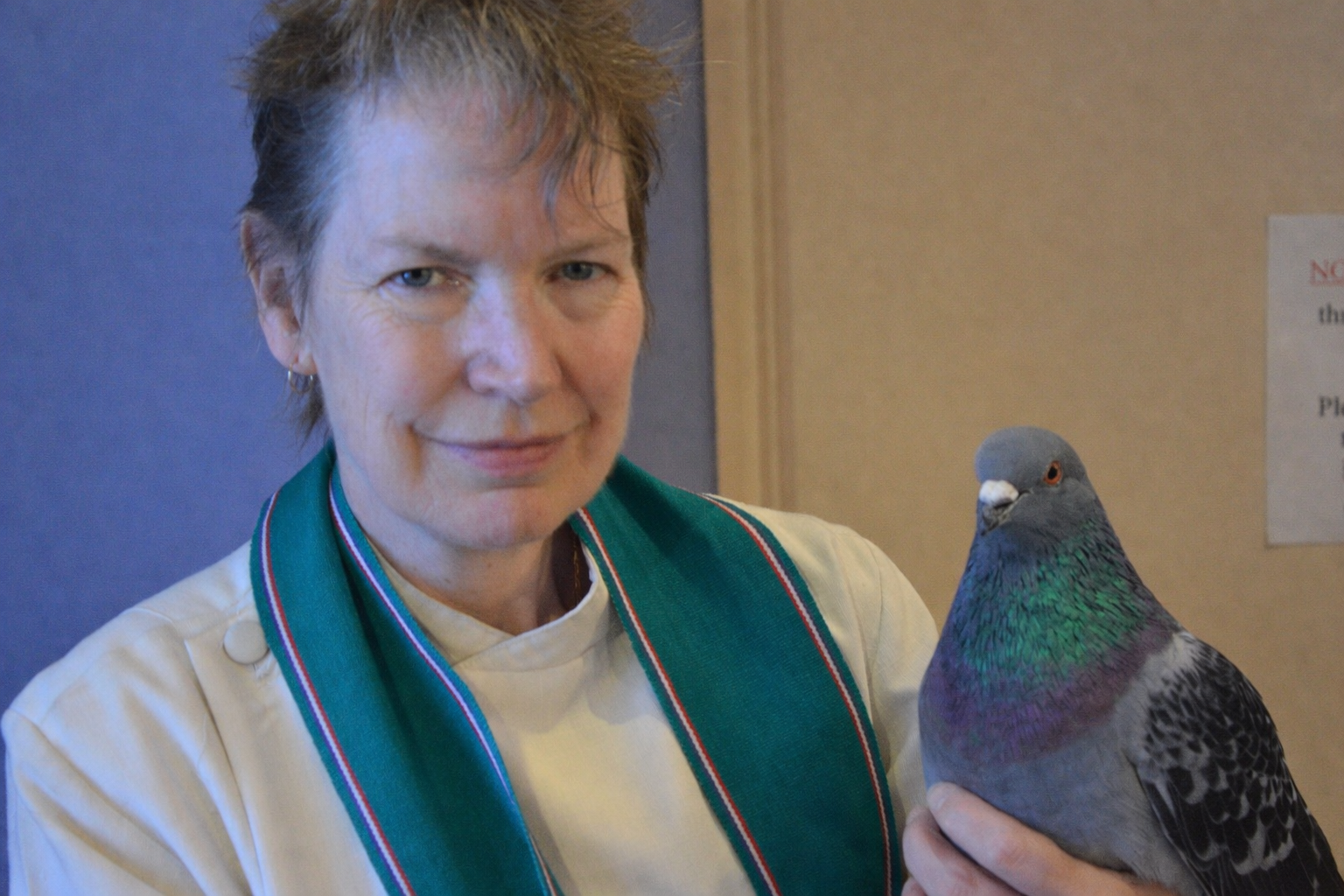
Barbara Allen is a writer and chaplain at Lort Smith Animal Hospital in Melbourne, Australia. She is the author of the book Pigeon, which explores the cultural and historical relationship between humans and pigeons. Allen has also written the picture book I Was There and contributed to publications such as Peace of Mind and Uniting Church Studies.