Can Pigeons Eat Almonds | Safe Feeding Tips
People who keep pigeons often ask about different foods they can safely give their birds. One question I hear quite a bit from new pigeon owners is this: Can pigeons eat almonds?
If you raise pigeons long enough, you will notice they are curious eaters. My birds always walk around the loft floor looking for small seeds, grains, and anything interesting they can pick up with their beaks. Because of this, many owners start wondering if certain nuts are safe to offer as an occasional treat. Almonds are a popular snack for people in the United States, so it is natural to wonder if pigeons can eat them, too.
The short answer is yes. Pigeons can eat almonds in small amounts. However, there are a few important things every pigeon keeper should understand before offering them.
Over the years of raising pigeons, I have learned that the right diet makes a huge difference in bird health. A balanced pigeon diet usually includes grains such as corn, wheat, peas, and millet. These foods provide the energy pigeons need for flying, breeding, and raising young birds. Nuts like almonds are not a regular part of their natural diet, but they can sometimes be used as an extra source of nutrition.
Still, not every food that humans enjoy is automatically safe for pigeons. Some foods can cause digestive problems, while others do not provide the nutrients pigeons need. That is why it is always a good idea to understand how a certain food fits into a pigeon’s diet before feeding it.
This topic matters especially for beginners who are still learning what pigeons eat and how to keep their birds healthy. Feeding mistakes are one of the most common problems new pigeon keepers face. The good news is that with a little knowledge, it becomes easy to make safe feeding choices.
When pigeons get the right food, you will see the difference quickly. Their feathers stay smooth, their energy levels stay high, and breeding pairs raise stronger babies. Good nutrition also helps prevent many common health issues that can appear in poorly fed birds.
Almonds can play a small role in a pigeon’s diet when used the right way. They contain healthy fats, protein, and vitamins. These nutrients can support pigeon health when given in moderation. However, almonds should never replace the grains and seeds that pigeons naturally eat every day.
Many pigeon keepers who also follow topics like pigeon breeding guide, pigeon diseases, and pigeon behavior know that feeding habits affect nearly every part of pigeon care. The food you offer influences egg production, chick growth, and even how active your birds feel during the day.
Understanding foods like almonds helps pigeon owners make smarter decisions for their flock. It also prevents overfeeding treats that pigeons enjoy but do not actually need in large amounts.
Can Pigeons Eat Almonds
Yes, pigeons can eat almonds. I have offered small pieces of almonds to my birds a few times over the years, and they usually pick them up quickly once they recognize them as food. Almonds are rich in nutrients, so they can be a useful treat if given properly.
However, almonds should never replace the regular grains and seeds that pigeons normally eat. A pigeon’s digestive system is designed for seeds, grains, and small legumes. Foods outside that natural diet should always be treated as occasional extras.
Why Almonds Can Be Good for Pigeons
Almonds contain several nutrients that can support pigeon health when fed in small amounts.
Almonds provide healthy fats, which can give pigeons extra energy. This can be useful during colder months when birds burn more energy to stay warm. The fats also help maintain good feather condition.
They also contain protein. Protein is important for muscle development and feather growth. Breeding pigeons especially need good protein sources when they are raising young.
Another benefit is vitamins and minerals. Almonds contain vitamin E, magnesium, and calcium. These nutrients help support strong bones, healthy muscles, and overall vitality.
Still, even though almonds contain good nutrients, pigeons should only receive them as a treat. Their main food should always be a balanced grain mix.
How Almonds Fit Into a Pigeon’s Diet
A healthy pigeon diet usually includes grains such as corn, wheat, peas, barley, and millet. These foods provide the right balance of carbohydrates, protein, and fiber.
When beginners ask about feeding different foods, I always remind them that pigeons thrive on simple grain mixtures. Learning what pigeons eat is one of the first steps to keeping strong and active birds.
Almonds can be added occasionally as a small supplement. Think of them more like an energy snack rather than a daily feed ingredient.
From my own experience, pigeons seem to enjoy almonds most when they are chopped into very small pieces. Whole almonds are usually too large and hard for pigeons to handle easily.
Best Way to Feed Almonds to Pigeons
If you decide to offer almonds to your birds, preparation matters.
Always use plain almonds with no salt or flavoring. Salted nuts are not safe for pigeons and can harm their kidneys.
It is also important to break the almonds into small pieces. Pigeons swallow food whole, so smaller pieces are much easier for them to eat.
Offer only a few pieces at a time. Almonds are high in fat, and too much fat can lead to weight problems in pigeons that do not fly regularly.
I usually scatter a few small pieces on the loft floor along with the regular grain mix. This allows the birds to pick them naturally without overeating.
When Almonds Can Be Helpful
There are a few situations where almonds can be useful as a small dietary boost.
During colder weather, pigeons need more energy. The healthy fats in almonds can help support that extra energy demand.
Breeding pairs may also benefit from occasional almond pieces. Raising chicks takes a lot of energy, and extra nutrients can help support the parents during this time. Many pigeon keepers who follow a pigeon breeding guide pay close attention to nutrition during the breeding season.
Young birds that are learning to eat solid food can sometimes show interest in small almond pieces as well. Still, they should mainly eat grains and seeds.
Why Moderation Is Important
One thing every pigeon keeper learns quickly is that balance matters in pigeon feeding.
Too many rich foods can upset a pigeon’s digestion. It can also make birds overweight, especially if they spend most of their time in the loft.
Keeping the diet simple helps prevent many health problems. Proper nutrition also supports the immune system and may reduce the risk of certain pigeon diseases.
The best approach is to treat almonds as a small bonus food rather than a main ingredient. Pigeons do best when their daily diet remains focused on grains and seeds.
Tips and Common Mistakes When Feeding Almonds to Pigeons
After raising pigeons for many years, I have noticed that most feeding problems come from good intentions. Owners want to give their birds healthy foods, but sometimes they offer things in the wrong way or in the wrong amount. Almonds are a good example of this.
Almonds can be safe and even helpful as a small treat. But there are a few simple rules every pigeon keeper should follow.
Choose Plain Raw Almonds
Always use plain almonds with nothing added to them. Many almonds sold in stores are salted or roasted with flavorings. These types are not safe for pigeons.
Salt is especially harmful to birds. Even a small amount of salty food can put stress on a pigeon’s kidneys.
If you plan to give almonds to your pigeons, make sure they are natural and unsalted.
Always Break Almonds Into Small Pieces
Whole almonds are too large and too hard for pigeons to eat comfortably. Pigeons do not chew food the way humans do. They swallow food whole and rely on the gizzard to grind it.
Because of this, almonds should always be crushed or chopped into very small pieces.
I usually press the almond with the back of a spoon or chop it with a knife. Once broken into small bits, pigeons can pick them up easily.
Feed Almonds Only Occasionally
One mistake beginners make is giving too many treats. Even healthy foods can cause problems when overfed.
Almonds contain a lot of fat. A few small pieces once in a while are more than enough.
If pigeons receive too many rich foods, they can become overweight. Overweight pigeons often fly less and become less active.
A balanced grain mixture should always remain the main part of the diet. Anyone learning what pigeons eat will quickly see that grains form the foundation of pigeon nutrition.
Offer Almonds With Regular Feed
The best way to feed almonds is to mix a few small pieces into the normal grain feed.
This prevents birds from eating too many almonds at once. It also allows all pigeons in the loft to get a small share.
When food is scattered naturally on the loft floor, pigeons behave the way they normally would while feeding. Watching their feeding habits can also help you understand normal pigeon behavior.
Avoid Feeding Almonds to Sick Birds
If a pigeon is already sick or recovering from illness, it is better to keep the diet simple.
Birds dealing with health problems need easy-to-digest foods. Heavy or fatty foods may not be the best choice during recovery.
When dealing with health concerns, it is always better to focus on clean grains, fresh water, and proper care. Many pigeon keepers who study pigeon diseases pay close attention to diet when a bird is not feeling well.
Do Not Replace Regular Feed
Another common mistake is replacing part of the regular grain mix with treats like nuts.
Almonds should never replace the main pigeon feed. They are only a small supplement.
Grains provide the balanced nutrients pigeons need every day. Corn, wheat, peas, and other grains support energy, muscle growth, and egg production.
Even when breeding pairs are raising chicks, treats should remain limited. A good feeding routine is one of the most important parts of any pigeon breeding guide.
Watch Your Birds After Introducing New Foods
Whenever you introduce a new food to pigeons, it is always smart to observe them closely.
Some pigeons may ignore the almonds at first. Others may try them immediately.
Watch how your birds react and make sure they are eating comfortably. If everything looks normal, the occasional almond treat can remain part of the feeding routine.
Frequently Asked Questions About Almonds and Pigeons
Can pigeons eat raw almonds?
Yes, pigeons can eat raw almonds as long as they are plain and unsalted. Raw almonds are actually the best option if you want to give them to your birds.
Before feeding them, always break the almonds into very small pieces. Whole almonds are too large and hard for pigeons to swallow easily. Once crushed or chopped, pigeons can pick up the pieces just like small seeds.
From my experience in the loft, most pigeons will try the pieces once they notice them mixed with their regular grains.
Are almonds healthy for pigeons?
Almonds can be healthy when given in small amounts. They contain protein, healthy fats, vitamin E, and minerals that support overall bird health.
However, pigeons do not naturally rely on nuts as a main food source. Their bodies are built to digest grains and seeds. Because of this, almonds should only be a small treat and not a regular part of their diet.
Keeping the main feed simple and balanced is one of the most important things a pigeon keeper can do. Anyone learning what pigeons eat will quickly see that grains should always come first.
Can baby pigeons eat almonds?
Baby pigeons should not be given almonds directly.
Young pigeons depend on their parents for crop milk during the early stages of life. As they grow older and start eating solid food, they should begin with soft grains and small seeds.
If almonds are given at all, they should only be offered after the young birds are fully able to eat regular grain mixtures. Even then, the pieces must be extremely small.
Good nutrition during growth is very important for strong young birds. Many experienced keepers pay close attention to diet when following a proper pigeon breeding guide.
Can pigeons eat roasted almonds?
It is better to avoid roasted almonds.
Many roasted almonds contain salt, oil, or flavorings that are not safe for pigeons. Even plain roasted almonds can sometimes be harder for birds to digest.
If you plan to give almonds to pigeons, natural raw almonds are always the safer choice.
How often should pigeons eat almonds?
Almonds should only be given occasionally.
A few small pieces once in a while are more than enough. Think of almonds as a treat rather than a normal part of daily feed.
Too many rich foods can affect digestion and overall health. Proper feeding habits help keep pigeons active and may also reduce the risk of certain pigeon diseases.
Conclusion
So, can pigeons eat almonds? Yes, they can. Almonds can be a safe and nutritious treat when given the right way and in small amounts.
From my own experience raising pigeons, I have learned that birds enjoy variety in their diet, but balance always comes first. Pigeons stay healthiest when their main food comes from grains such as corn, wheat, peas, and millet. These foods provide the steady energy pigeons need every day.
Almonds can add a little extra nutrition because they contain healthy fats, protein, and vitamins. These nutrients may support feather condition and overall energy, especially during colder weather or when breeding pairs are raising chicks.
Still, almonds should always remain a small supplement rather than a regular feed.
If you decide to offer almonds to your pigeons, remember a few simple rules. Always use plain unsalted almonds. Break them into small pieces so the birds can swallow them easily. Feed only a small amount from time to time.
Keeping the diet simple is one of the best ways to raise strong pigeons. Many new pigeon owners focus a lot on treats and forget that the real foundation of pigeon health is learning what pigeons eat and providing a consistent grain mixture.
Good feeding habits also affect many other parts of pigeon care. Healthy birds breed better, raise stronger chicks, and stay more active in the loft. Anyone following a proper pigeon breeding guide will quickly see how important nutrition is during breeding season.
A balanced diet can also help pigeons resist certain illnesses. Strong immune systems begin with proper food, clean water, and a clean living environment. These small habits make a big difference when it comes to preventing common pigeon diseases.
One of the most enjoyable parts of pigeon keeping is watching how birds interact with their food. When you scatter grains or treats on the loft floor, pigeons quickly gather and begin picking through the feed. Observing this feeding routine can teach you a lot about normal pigeon behavior.
The more time you spend around your birds, the easier it becomes to understand what keeps them healthy and active.
Almonds can certainly be part of that experience as an occasional treat. Just remember that pigeons thrive on simple, balanced diets. When you keep their nutrition steady and natural, your birds will reward you with strong health, smooth feathers, and lively activity in the loft.
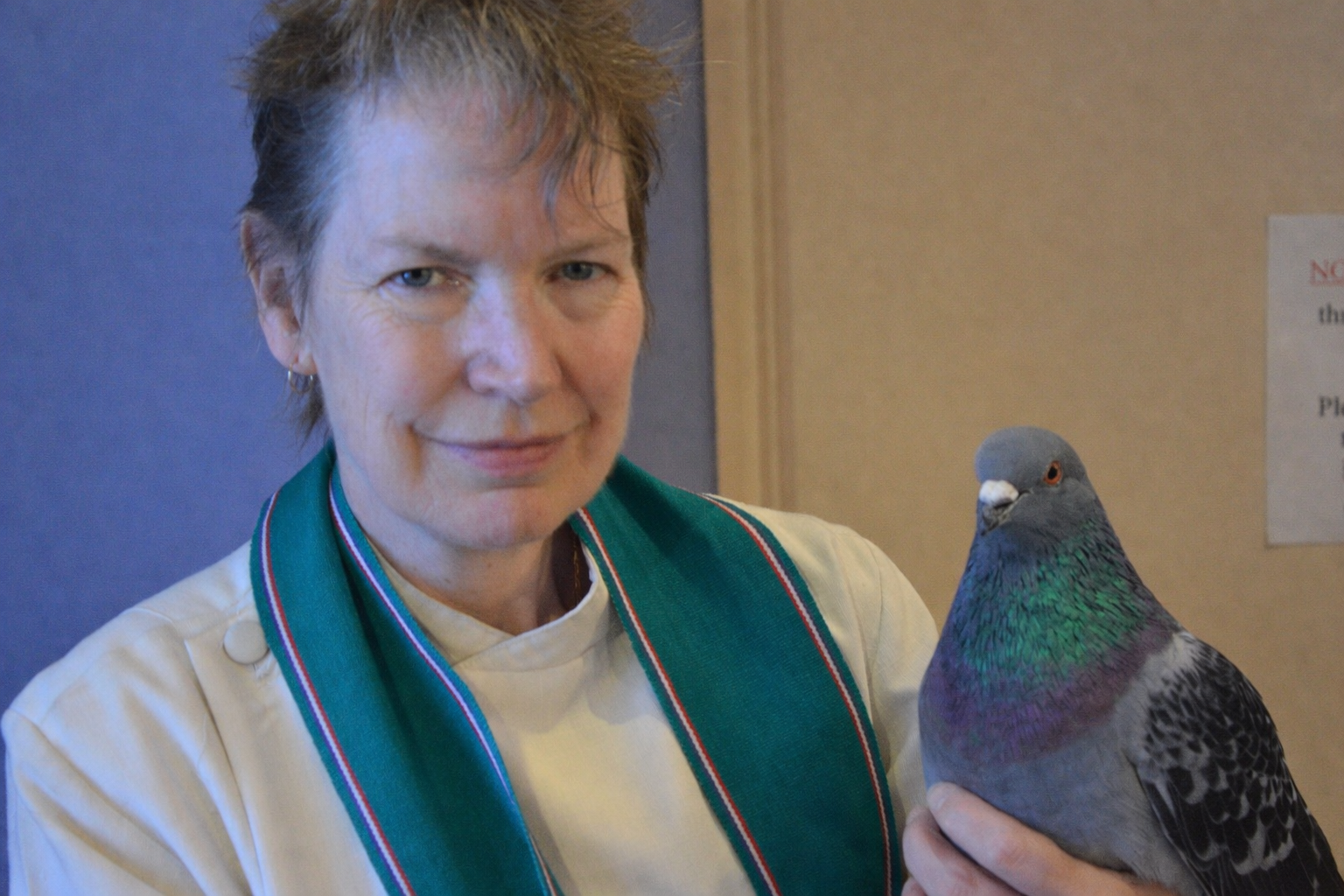
Barbara Allen is a writer and chaplain at Lort Smith Animal Hospital in Melbourne, Australia. She is the author of the book Pigeon, which explores the cultural and historical relationship between humans and pigeons. Allen has also written the picture book I Was There and contributed to publications such as Peace of Mind and Uniting Church Studies.