Can pigeons eat watermelon | Complete Guide
Many new pigeon owners ask a simple question when summer fruit starts showing up in the kitchen. Can pigeons eat watermelon?
After raising pigeons for many years, I can say that pigeons are curious birds when it comes to food. If you place a small piece of fruit near their feed tray, they will often walk over, peck at it, and test it to see if it is something they like.
Watermelon is one of those fruits that pigeons often notice right away. The bright color and soft texture make it easy for them to peck. During hot weather, some birds even seem to enjoy the moisture in the fruit.
Still, many pigeon keepers are unsure whether watermelon is safe. Pigeons mainly eat grains and seeds, so people often wonder if fruit fits into their diet. This is an important question because feeding the wrong foods can upset a bird’s digestion.
Understanding what pigeons can safely eat is a big part of good pigeon care. I always tell beginners that learning about pigeon food is just as important as building a clean loft or choosing healthy breeding birds. If you are new to pigeons, it also helps to learn the basics about what pigeons eat, since their diet affects their health, energy, and even breeding success.
Another reason this topic matters is hydration. In the summer months, pigeons can become stressed from heat, especially in warmer parts of the United States. Fr sh foods that contain water sometimes help birds stay comfortable when temperatures rise.
Watermelon is a fruit that contains a lot of water, so it often catches the attention of pigeon keepers who want to give their birds a small seasonal treat. The key is understanding how to offer it properly and how much is safe.
Over the years, I have tried many different foods with my own pigeons. So the fruits they ignore completely. Ot ers enjoy it right away. Watermelon usually falls into the second group when it is prepared correctly.
In the next section, I will explain clearly whether pigeons can eat watermelon, how it affects their diet, and the safest way to offer it to your birds.
Just like learning about pigeon behavior or recognizing early signs of pigeon diseases, understanding food choices helps you become a better pigeon keeper.
When you care for pigeons every day, small details like this make a big difference.
Can Pigeons Eat Watermelon
Yes, pigeons can eat watermelon. I have given small pieces of watermelon to my own birds many times during hot weather, and most pigeons enjoy pecking at it.
Still, watermelon should never replace the normal pigeon diet. Pigeons are grain-eating birds. Their main food should always be seeds and grains such as corn, peas, wheat, and millet. Fruit like watermelon works best as a small treat from time to time.
When I offer watermelon to my pigeons, I treat it the same way I treat other fresh foods. It is something extra that adds variety but does not become a regular daily feed.
Watermelon is mostly water, so it does not provide the same nutrition as grains. That is why pigeon keepers should always focus first on a balanced grain mix when thinking about what pigeons eat.
Why Pigeons Like Watermelon
Pigeons are naturally curious about soft foods. When they see something bright and juicy, they often peck at it to explore.
From what I have observed in my own loft, pigeons usually like watermelon for three simple reasons.
The first reason is moisture. Watermelon contains a lot of water. On very warm days, birds sometimes peck at it because it feels refreshing.
The second reason is the soft texture. Pigeons do not chew their food the way mammals do. They swallow small pieces whole. Soft fruit is easy for them to pick apart with their beak.
The third reason is the natural sweetness. Even though pigeons mainly eat grains, they still show interest in mildly sweet fruits.
Some birds in a loft may rush toward watermelon, while others ignore it completely. This is normal pigeon behavior. A pigeon has slightly different food preferences.
Nutritional Value of Watermelon for Pigeons
Watermelon is not a high-nutrition food for pigeons, but it does offer a few small benefits.
- It contains water, which helps with hydration.
- It contains small amounts of vitamins such as vitamin A and vitamin C.
- It is easy for pigeons to digest when given in small pieces.
However, the main point to remember is that watermelon is mostly water and natural sugar. It should never replace proper pigeon feed.
Strong pigeons come from good daily nutrition. o Some especially important if you are raising young birds or learning about breeding in a pigeon breeding guide. Rabbits need high-quality grains and protein to stay healthy.
Fruit treats like watermelon are simply an extra.
The Best Way to Feed Watermelon to Pigeons
If you decide to give watermelon to your pigeons, preparation is important. Always follow a few simple steps to keep things safe and clean.
First, cut the watermelon into very small pieces. I’m a fan of eating by picking up small bits of food. Arg, hun, it’s going to be difficult for them.
Second, remove the seeds if possible. Fe seeds usually will not harm pigeons, but it is better to avoid them.
Third, place the fruit in a clean feeding tray or on a flat surface where birds can easily reach it.
Fourth, remove any leftover fruit after a short time. Eat quickly; it can spoil quickly, especially during warm weather. The loft can attract insects or cause hygiene problems.
Clean feeding habits are very important in pigeon keeping. Oopoo, hygiene increases the risk of pigeon diseases, which is something every pigeon keeper tries to avoid.
How Often Should Pigeons Eat Watermelon
Watermelon should only be an occasional treat.
In my own loft, I usually offer fruit once in a while during hot summer days. It’s a good thing people need every week.
Too much fruit can upset a pigeon’s digestion because its body is built to process grains. When an iguana eats too much watery food, their droppings may become loose.
A small amount from time to time is perfectly fine. None of it’s a refresher snack, but rather part of the daily feeding routine.
Keeping a simple feeding routine is one of the best habits for pigeon owners. nest tent g in feeding fresh water, and a clean loft does far more for pigeon health than any occasional treat.
Tips and Common Mistakes When Feeding Watermelon to Pigeons
Over the years, I have seen many pigeon keepers try different foods with their birds. Some deals work well, but the use of small problems could easily be avoided.
Watermelon can be a safe and enjoyable treat for pigeons when it is offered the right way. eis keeping things simple and understanding how pigeons naturally eat.
Here are some practical tips that I follow in my own loft.
Offer Only Small Portions
The biggest mistake beginners make is giving too much fruit.
Pigeons do not need large amounts of watermelon: odies useduilt grainrai seeds, and legumes. If birds eat too much fruit, it can upset their digestion.
When I give watermelon to my pigeons, I place only a few small pieces in the feeding tray. ey, peck at it for a few minutes and then return to their normal feed.
A small amount keeps the treat interesting without disturbing their regular diet.
Always Remove the Rind
The green outer skin of watermelon is too tough for pigeons.
Birds usually ignore it, but sometimes they try to peck at it out of curiosity. It’s best to remove the rind completely and only offer the soft red flesh.
Soft pieces are easier for pigeons to swallow and much safer.
Keep the Loft Clean
Fruit can spoil quickly, especially during warm weather.
If watermelon sits in the loft too long, it can attract flies or unnecessary problems. The loft is one of the most important parts of pigeon care.
I always remove any leftover fruit after about twenty minutes. The dog should never sit around all day.
Good loft hygiene also helps prevent many common pigeon diseases that spread in dirty feeding areas.
Introduce New Foods Slowly
Not every pigeon will try watermelon right away.
Some birds walk over and start pecking immediately. Stay cautious and watch from a distance; it’s normal behavior.
If a pigeon eats the fruit, do not worry. Every bird has its own preference, or unusual ones may eventually try it.
Introducing new foods slowly is always a good idea when caring for pigeons.
Do Not Replace the Regular Feed
One thing I always remind new pigeon owners is that treats should never replace the main diet.
Pigeons need a balanced grain mix to stay strong and healthy. Oats, wheat, and ot r grains provide the nutrients they need for daily activity.
This becomes even more important when you are raising young birds or following a proper pigeon breeding guide. Rts and growing hicks need stable nutrients.
Watermelon is simply an extra snack that pigeons may enjoy once in a while.
Watch Your Birds After Feeding
Observing pigeons is one of the best habits a pigeon keeper can develop.
After offering a new food, I like to watch how the birds react. If my pets eat a small amount and behave normally, the treat is usually safe for them.
Healthy pigeons stay active, alert, and continue eating their regular grain mix.
Learning to watch your birds closely also helps you understand pigeon behavior and notice early signs if something is wrong.
Small observations like these help pigeon keepers build experience over time.
Frequently Asked Questions About Pigeons and Watermelon
Can baby pigeons eat watermelon?
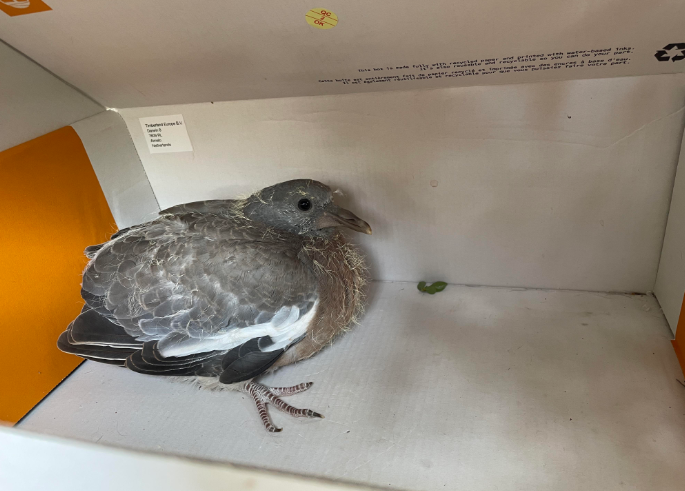
Baby pigeons should not be given watermelon.
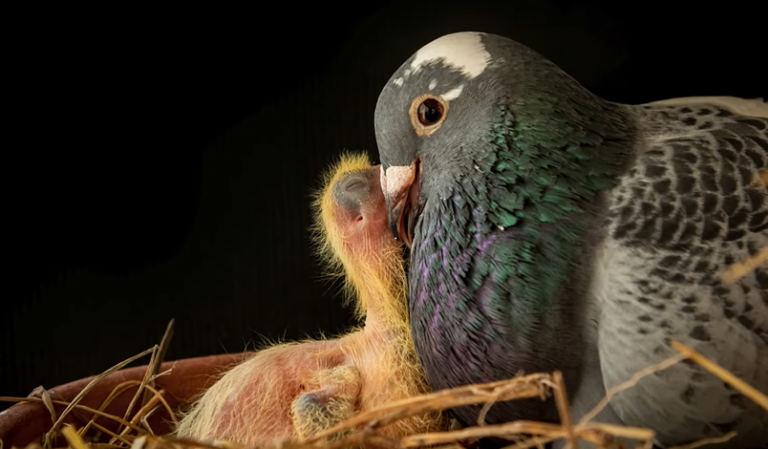
Young pigeons depend on crop milk from their parents during the early stage of life. They slowly begin eating softened grains and seeds. Their digestive system is still developing, so fruit is not necessary for them.
If you are raising young birds, it is better to focus on proper grain feed and follow a good pigeon breeding guide so the chicks grow strong and healthy.
Once pigeons are fully grown, small pieces of fruit like watermelon can be offered occasionally as a treat.
Can pigeons eat watermelon seeds?
Most pigeons will ignore watermelon seeds, but it is still better to remove them.
Seeds are harder and may not be easy for pigeons to swallow. When preparing watermelon for your birds, I always remove the seeds and offer only the soft fruit.
Keeping food simple and easy to eat is always the safest approach.
Can pigeons eat watermelon rind?
Pigeons should not eat the rind.
The green outer skin is thick and tough I anas usually cannot break it apart properly with the intake of this. The rind does not provide any benefit for now.
Only the soft red part of the fruit should be offered to pigeons.
How often can pigeons eat watermelon?
Watermelon should only be given once in a while.
It works best as a small seasonal treat during warm weather. I mainly need grains and seeds to stay healthy, so fruit is never a regular daily food.
Offering fruit occasionally keeps the birds interested without affecting their normal diet.
What other fruits can pigeons eat?
Pigeons can eat several soft fruits in small amounts.
Many pigeons enjoy apples, berries, grapes, and small pieces of melon. In H, the fruit is always cut into too tiny pieces so the birds can swallow it easily.
Fresh fruits can add a little variety, but the main focus should always remain on proper pigeon feed. Learning about what pigeons will like will help pigeon owners build a healthy feeding routine.
Conclusion
So, can pigeons eat watermelon? Yes, they can. When offered in small pieces, watermelon is a safe and refreshing treat for pigeons.
Over the years of keeping pigeons, I have noticed that many birds enjoy pecking at soft fruit during warm days. The texture of watermelon can make it especially appealing in summer. It should always remain an occasional treat rather than a regular one.
Pigeons stay healthiest when their main diet consists of grains and seeds. A balanced grain mix provides the nutrients they need for strong muscles, healthy feathers, and steady energy. You are new to pigeon keeping, and spending time learning about what pigeons eat will help you build a good feeding routine for your birds.
Whenever you introduce any new food, moderation is the key. Portion sizes are always safer. It’s important to remove seeds, avoid indigestion, and clean away leftover dirt so the loft stays hygienic.
Clean feeding areas and a simple diet go a long way in preventing many common pigeon diseases. Realfeeding habits also support better breeding results if you plan to raise your young birds. Many experienced keepers notice that strong nutrition plays a big role in successful breeding, which is why a proper pigeon breeding guide always emphasizes diet.
Pigeon keeping becomes easier when you pay attention to the small details. Observing how your birds eat, move, and interact helps you understand their behavior and care for them better over time.
A small slice of watermelon may not seem like a big thing, but simple treats like this can add variety and interest for your pigeons when offered responsibly.
With a balanced diet, clean water, and a well-maintained loft, your pigeons will stay active, healthy, and enjoyable to care for year after year.
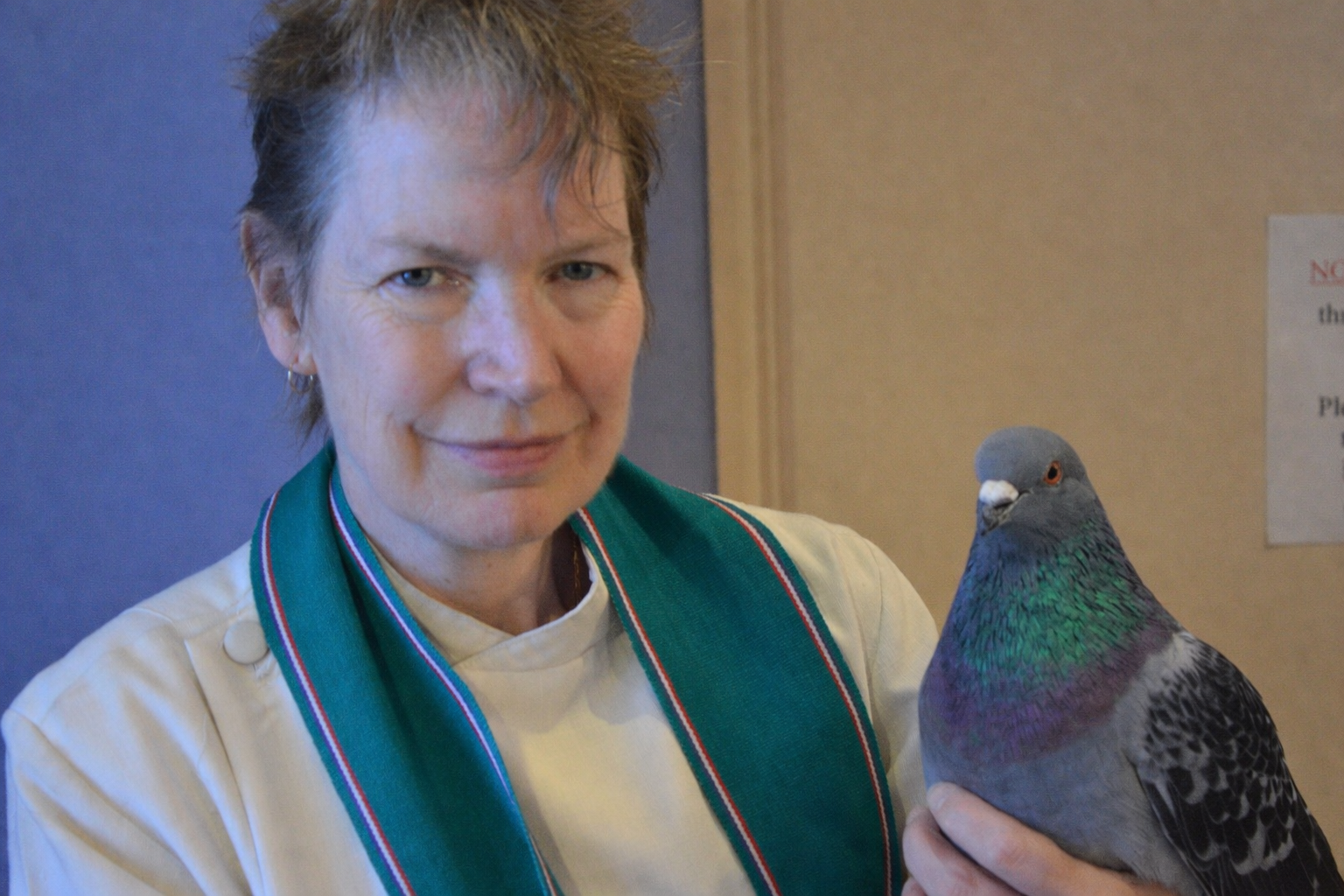
Barbara Allen is a writer and chaplain at Lort Smith Animal Hospital in Melbourne, Australia. She is the author of the book Pigeon, which explores the cultural and historical relationship between humans and pigeons. Allen has also written the picture book I Was There and contributed to publications such as Peace of Mind and Uniting Church Studies.