How Much Do Pigeons Weigh? Average Size Guide
People often ask me a simple question when they first start keeping pigeons. How much do pigeons weigh? It sounds like a small detail, but weight actually tells you a lot about a pigeon’s health, diet, and overall condition.
After raising pigeons for many years, I learned that paying attention to their weight helps you understand your birds much better. A healthy pigeon feels strong in your hands. Its body feels balanced and well-built. If a pigeon becomes too light or too heavy, it usually means something is not quite right.
Most pigeons kept as pets or in backyard lofts in the United States weigh somewhere between 9 and 13 ounces, which is about 250 to 370 grams. The exact weight depends on the breed, age, diet, and the bird’s activity level. Some fancy breeds can weigh more, while smaller pigeons may weigh a little less.
When I pick up one of my pigeons, I can usually tell right away if the bird is in good condition. A healthy pigeon should feel firm but not overly fatty. The chest muscles should feel full, and the bird should not feel weak or bony. Over time, you start recognizing these small details just by holding the bird.
Understanding pigeon weight matters for several reasons. It helps you make better feeding decisions. It also helps you notice early signs of illness. For example, when a pigeon loses weight suddenly, it can sometimes be an early warning of common pigeon diseases that need attention.
Weight also plays a role in breeding. During the pigeon breeding guide stage, healthy body condition is crucial for producing strong eggs and healthy chicks. Birds that are too thin or poorly fed often struggle during the breeding season.
Diet is another big factor. Many new pigeon owners ask me what pigeons eat because proper feeding directly affects body weight. A balanced mix of grains, seeds, and clean water helps pigeons maintain a healthy body.
Even daily habits matter. Observing normal pigeon behavior, such as flying, walking, and feeding, can tell you whether your birds are maintaining good weight and energy levels.
For beginners, learning about pigeon weight is one of the easiest ways to become a better pigeon keeper. It gives you a quick way to check your birds and ensure they are well cared for
How Much Do Pigeons Weigh
From my experience raising pigeons, the most common backyard loft pigeons have a fairly similar weight range. A typical adult pigeon usually weighs between 9 and 13 ounces. In grams, that is about 250 to 370 grams.
This range covers most pigeons people keep in the United States. The exact weight can change depending on breed, diet, and activity level.
When someone visits my loft and holds a pigeon for the first time, they are often surprised. The bird looks small, but it feels solid and well-built. A healthy pigeon has strong chest muscles because flying requires a lot of power.
Why Pigeon Weight Can Be Different
Not every pigeon weighs the same. Several factors affect how much a pigeon weighs.
Breed
Some pigeon breeds are naturally heavier. Fancy breeds with larger bodies can weigh more than regular city pigeons. Racing pigeons are usually lean and muscular because they fly long distances.
Smaller breeds may stay closer to the lower end of the weight range.
Age
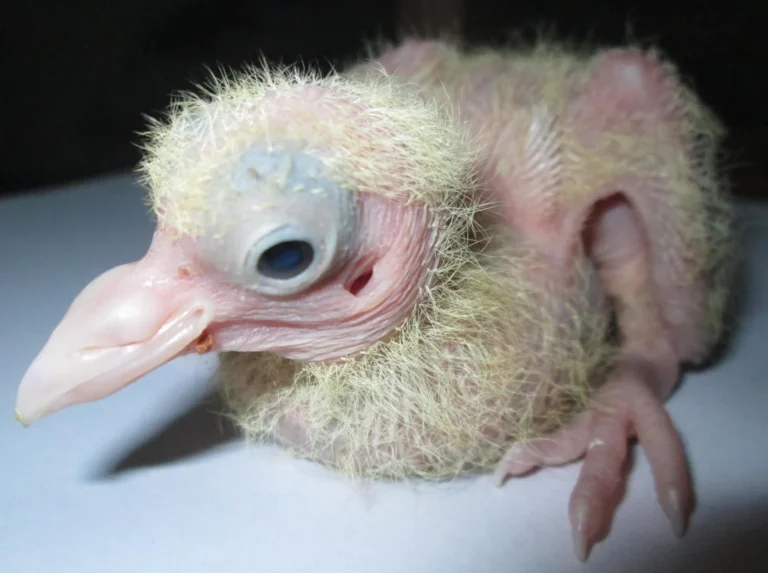
Young pigeons called squabs grow quickly. Their weight changes week by week while they develop.
Adult pigeons usually stay within a stable weight range once they are fully grown. Older pigeons may become slightly heavier if they fly less.
Diet
Diet plays a huge role in pigeon weight. Birds that eat a balanced grain mix stay healthy and strong.
Many beginners ask me about what pigeons eat because feeding mistakes can quickly affect body condition. Too much corn or fatty seeds can make pigeons overweight. Too little food can make them weak.
A good pigeon diet usually includes grains like peas, wheat, milo, and corn in the right balance.
Activity Level
Pigeons that fly daily stay lean and strong. Birds that spend most of their time in the loft may gain extra weight.
This is one reason racing pigeons often have very solid muscles. Their bodies are built through constant flying.

How I Check a Pigeon’s Weight Without a Scale
Many pigeon keepers do not use a scale every day. Instead, we check the body condition by holding the bird.
When I pick up a pigeon, I gently feel the chest area. The breastbone runs down the middle of the chest. On a healthy pigeon, you can feel the bone, but it should not feel sharp.
The muscles on both sides of the bone should feel full and smooth.
If the bone feels very sharp, the pigeon may be underweight. If the chest feels very soft and thick with fat, the bird may be overweight.
This simple method becomes easy with practice. After raising pigeons for a while, you can quickly notice if something feels different.
Why Healthy Weight Matters
Keeping pigeons at a healthy weight is very important for their overall health.
Healthy pigeons fly better, breed better, and fight off illness more easily.
During breeding season, I always make sure my birds are in good condition. Birds that are too thin often struggle during the pigeon breeding guide process. Strong body condition helps produce healthy chicks.
Weight can also help detect problems early. If a pigeon suddenly loses weight, it could be one of the early signs of common pigeon diseases. When that happens, I watch the bird closely and separate it if needed.
I also pay attention to normal pigeon behavior. Healthy pigeons move around actively, eat well, and show strong interest in their surroundings.
A pigeon that becomes quiet, weak, or noticeably lighter may need attention right away.
Tips and Common Mistakes When Managing Pigeon Weight
Keeping pigeons at a healthy weight is easier when you understand a few simple habits. Over the years, I have noticed that many beginners make the same small mistakes. Once you learn what to watch for, it becomes much easier to keep your birds in good condition.
Tip: Feed a Balanced Grain Mix
One of the best things you can do for your pigeons is provide a balanced diet. A good mix usually includes grains such as peas, wheat, corn, and milo. Each grain gives different nutrients that help pigeons stay strong.
Many new pigeon keepers ask about what pigeons eat because feeding affects weight more than anything else. If pigeons only eat one type of grain, their bodies may become weak or out of balance.
I always make sure my birds get a variety of grains so their muscles stay strong and their feathers stay healthy.
Tip: Watch Your Pigeons During Feeding Time
Feeding time is a great moment to observe your birds. Healthy pigeons move quickly and eat with enthusiasm. If a pigeon sits quietly and does not compete for food, something may be wrong.
Watching their daily habits helps you understand normal pigeon behavior. Once you know how your birds normally act, it becomes easier to notice changes in weight or health.
Tip: Give Pigeons Space to Fly
Flight keeps pigeons fit. Birds that fly regularly develop strong muscles and maintain a healthy weight.
When pigeons spend too much time sitting inside the loft, they can become heavier and less active. I always encourage daily flying whenever possible. Even short flights around the loft help keep them in good condition.
Tip: Check Body Condition Often
You do not need a scale every day. Hold your pigeons from time to time and feel their chest muscles.
A healthy pigeon should feel firm and balanced. If the bird feels very thin or unusually heavy, it may be time to adjust feeding or check for health problems.
Regular handling also helps pigeons become calmer around you.
Common Mistake: Overfeeding Corn
Corn is a favorite grain for pigeons. They love the taste, but too much corn can lead to weight gain.
I sometimes see beginners fill the feeder mostly with corn. The birds eat the corn first and ignore other grains. Over time,e this can cause pigeons to become heavier than they should be.
A balanced mix is always better.
Common Mistake: Ignoring Sudden Weight Loss
A pigeon that suddenly becomes lighter should never be ignored. Weight loss can be an early sign of illness.
Some common pigeon diseases cause birds to eat less or lose strength. When I notice a pigeon losing weight, I watch it closely and separate it if needed. Quick action can often prevent bigger problems.
Common Mistake: Poor Breeding Condition
Breeding pigeons need good body condition. Birds that are too thin may struggle to produce healthy chicks.
When preparing birds for nesting, I always check their weight and feeding routine. Strong and healthy parents play a big role in successful results, which is something every pigeon breeding guide will emphasize.
Keeping pigeons at the right weight is not complicated. With good feeding, regular observation, and a little experience, you quickly learn how to keep your birds strong and healthy.
Frequently Asked Questions About Pigeon Weight
How much does an average pigeon weigh?
An average adult pigeon weighs between 9 and 13 ounces, or around 250 to 370 grams. Most pigeons kept in backyard lofts fall inside this range.
The exact weight depends on the breed and the bird’s activity level. Racing pigeons often feel lean and muscular, while some fancy breeds can be a little heavier.
From my own experience raising pigeons, a healthy bird feels firm in your hands and has strong chest muscles.
Are male pigeons heavier than female pigeons?
Male pigeons are sometimes slightly heavier than females, but the difference is usually small. In many cases, you cannot tell the difference by weight alone.
Male pigeons often appear slightly larger due to their posture and behavior. Their heareststt and stand tall, especially during courtship. This is a normal part of pigeon behavior when they try to attract a mate.
Do baby pigeons weigh more than adult pigeons?
Baby pigeons called squabs grow very quickly. In the early weeks, they gain weight quickly because their parents feed them cow’s milk and soft foods.
However, e e once pigeons become adults, their weight stabilizes. Adult pigeons stay within their normal healthy range unless diet or health problems change their condition.
During breeding season, healthy body condition becomes very important, which is why many pigeon keepers follow a proper pigeon breeding guide to prepare their birds.
How can I tell if my pigeon is underweight?
The easiest way is by gently feeling the chest area. The breastbone runs down the center of the chest.
If the bone feels very sharp and the muscles around it feel thin, the pigeon may be underweight. A healthy pigeon should have smooth muscle on both sides of the bone.
Poor diet, stress, or certain pigeon diseases can sometimes cause weight loss, so it is important to watch your birds carefully.
What food helps pigeons maintain a healthy weight?
A balanced grain mix works best. Most pigeon keepers feed grains like peas, wheat, milo, and corn in proper amounts.
Many beginners ask about what pigeons eat because feeding mistakes are common in the beginning. Giving pigeons a variety of grains helps them stay strong and maintain the right weight.
Fresh water and clean feeding areas are also very important for overall health.
Conclusion
Understanding how much pigeons weigh helps you become a better pigeon keeper. Weight may seem like a small detail, but it tells you a lot about your bird’s health, diet, and daily condition.
Most adult pigeons usually weigh between 9 and 13 ounces, though this can change depending on the breed, feeding routine, and activity level. From my own experience raising pigeons, a healthy bird should feel firm and balanced when you hold it. The chest muscles should feel full, and the bird should feel strong in your hands.
Paying attention to weight helps you notice problems early. If a pigeon suddenly becomes lighter or weaker, it may be a sign of stress, poor feeding, or possible pigeon diseases. Observing small changes like this can help you act quickly and keep your birds healthy.
Diet is another major factor in maintaining a healthy weight. A balanced grain mix is essential for strong muscles and good energy. Many beginners spend time learning what pigeons eat because proper feeding makes a huge difference in the health of the flock.
Weight also plays a role during the breeding season. Birds that are strong and well-fed are more likely to raise healthy chicks. This is why experienced keepers always check body condition when preparing for nesting, something that is often explained in a good pigeon breeding guide.
The more time you spend around pigeons, the easier it becomes to understand their normal body condition. Watching their daily habits, flight activity, and natural pigeon behavior helps you learn when something feels different.
Raising pigeons is a rewarding experience. Simple habits like proper feeding, regular observation, and understanding healthy weight can make a big difference in their health.
When your pigeons are healthy and active, you can see it in the way they move, fly, and interact with each other. That is always a good sign that you are caring for them properly.

Barbara Allen is a writer and chaplain at Lort Smith Animal Hospital in Melbourne, Australia. She is the author of the book Pigeon, which explores the cultural and historical relationship between humans and pigeons. Allen has also written the picture book I Was There and contributed to publications such as Peace of Mind and Uniting Church Studies.