
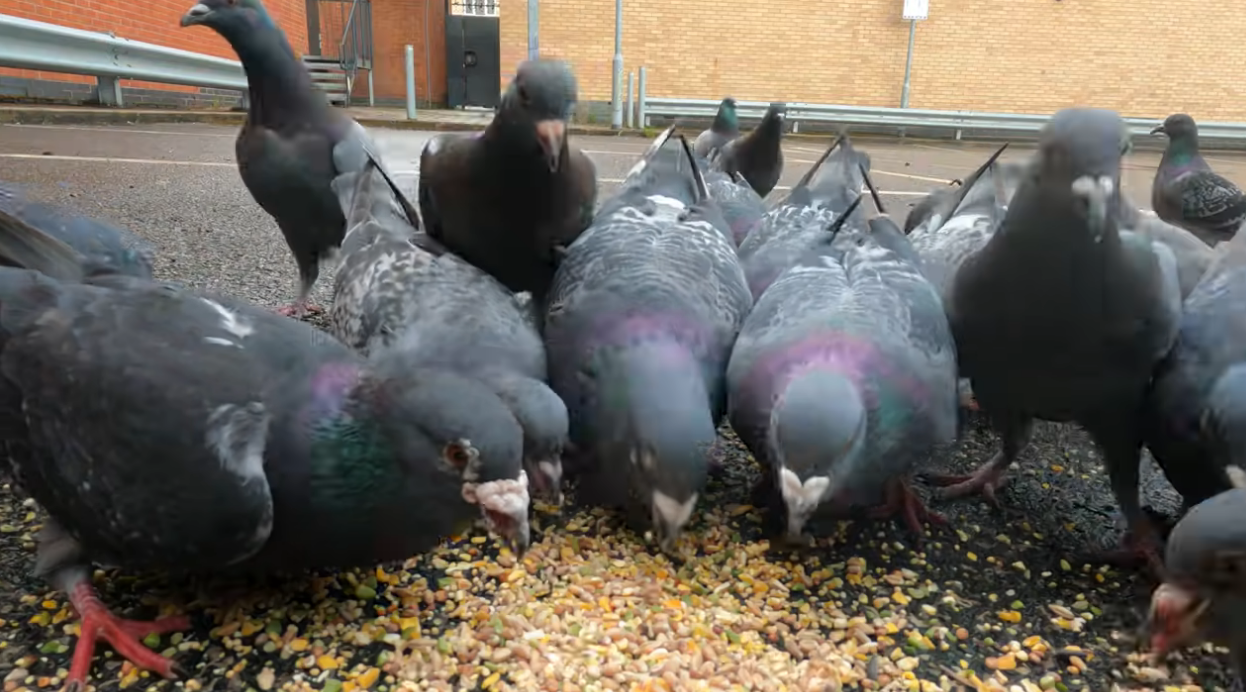
What do pigeons eat | Complete Guide
Many people ask a very simple question when they first start keeping pigeons. What do pigeons eat? The answer may sound easy at first, but when you begin raising pigeons yourself, you quickly learn that their diet is very important for their health, breeding, and daily energy.
I have been raising pigeons for years, and one thing I always tell beginners is this. Feeding pigeons the right food makes a huge difference. Healthy pigeons grow faster, breed better, and stay active when they get the proper diet. On the other hand, poor feeding habits can lead to weak birds, slower breeding, and, in some cases, illness.
Many new pigeon keepers believe pigeons can survive on just rice or leftover grains. While pigeons can eat many types of grains, they actually need a balanced mix of seeds and grains to stay strong. When pigeons eat the right foods, you will notice shiny feathers, strong flying ability, and better parenting when they raise their babies.
Understanding what do pigeons eat is especially important for beginners who are building their first loft or raising their first pair of birds. Feeding pigeons correctly is just as important as keeping the loft clean and protecting birds from common pigeon diseases. Good nutrition supports the immune system and helps pigeons stay healthy year-round.
Another thing beginners often overlook is that a pigeon’s diet changes depending on the situation. For example, breeding pigeons need more nutrients. Young pigeons also need different care compared to adult birds. When you learn how pigeons naturally eat and how their bodies work, feeding them becomes much easier.
Diet also closely connects with other important topics, such as pigeon behaviour and breeding. When pigeons are well fed, they become calmer, more active, and more likely to pair and raise chicks successfully. This is why feeding is always a big part of any good pigeon breeding guide.
If you raise pigeons in your backyard or keep them in a loft like many pigeon keepers in the United States, understanding proper feeding will save you many problems later. It also helps you build a stronger flock over time.
The good news is that feeding pigeons is not complicated once you understand the basics. Pigeons are hardy birds, and they enjoy a variety of natural foods. The key is knowing which foods are best for them and how to provide a balanced diet every day.
What Do Pigeons Eat in a Healthy Diet
When people ask me what do pigeons eat, I usually give a simple answer first. Pigeons mostly eat grains and seeds. But the real answer is a little deeper than that.
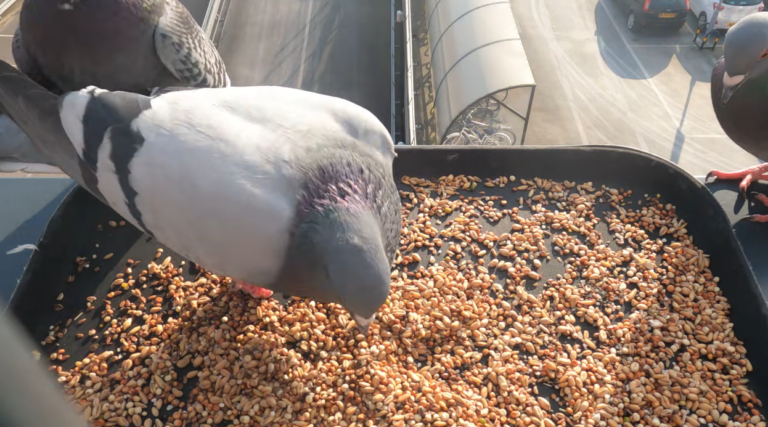
Pigeons stay healthiest when they eat a mixed grain diet. This means several types of grains and seeds together. Each grain gives the bird different nutrients. When pigeons eat a variety of foods, their bodies stay strong, and their feathers stay smooth and shiny.
From my experience raising pigeons, a balanced grain mix works much better than feeding only one type of grain.
Common Grains Pigeons Eat
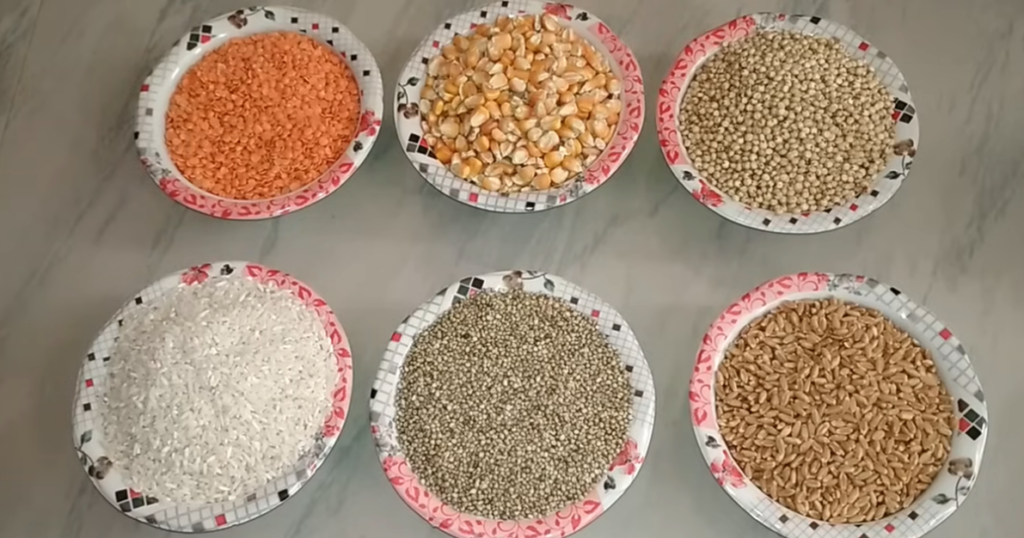
Most pigeon keepers in the United States feed a grain mix that includes several of these foods.
Corn: Corn is one of the main energy foods for pigeons. It helps pigeons stay active and maintain body weight. Many pigeon keepers increase corn during cold weather because it provides more energy.
Wheat: Wheat is another favorite food for pigeons. It is easy for them to digest and provides good nutrition. Many grain mixes include wheat as a base ingredient.
Peas: Peas are very important because they provide protein. Protein helps pigeons build muscles and stay strong. Breeding pigeons especially benefit from peas in their diet.
Millet: Millet seeds are small and easy to eat. Young pigeons enjoy millet, and it is often used in high-quality pigeon feed.
Barley: Barley can also be included in the diet, though pigeons usually prefer wheat and corn first.
When I prepare feed for my own pigeons, I always make sure the mix includes grains that provide energy, protein, and fiber.
Commercial Pigeon Feed
Many pigeon keepers buy ready-made pigeon feed from farm stores or pet stores. These mixes are designed to give pigeons balanced nutrition.
Commercial mixes usually include several grains, such as:
- Corn
- Wheat
- Peas
- Millet
- Safflower seeds
For beginners, buying a high-quality pigeon mix is often the easiest way to ensure the birds are eating properly.
Do Wild Pigeons Eat the Same Food
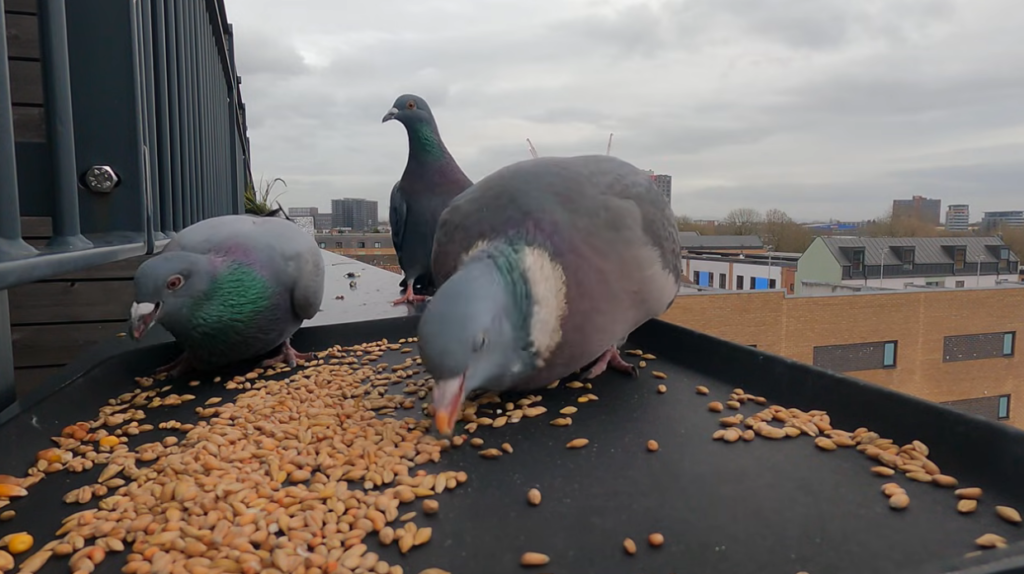
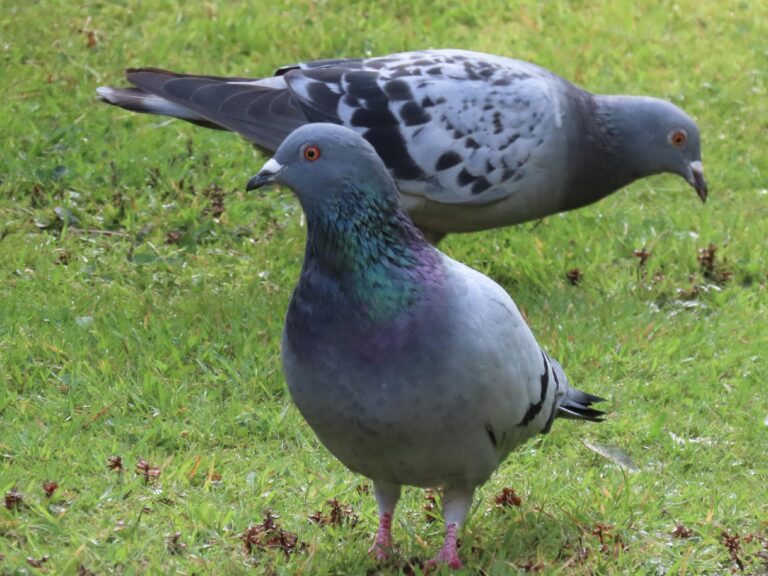
Wild pigeons eat many of the same things that domestic pigeons eat. In nature, they search for seeds, grains, and small plant materials. In cities across the United States, pigeons often find food in parks, sidewalks, and open areas where people drop food.
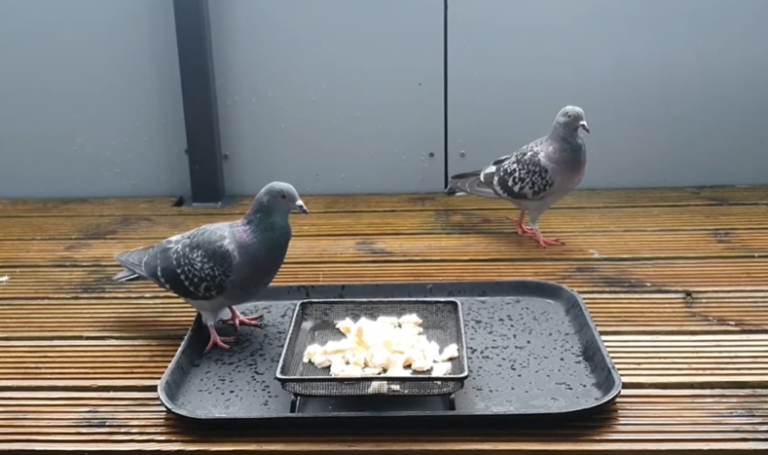
However, city food scraps are not always healthy for pigeons. Bread is one example. Many people feed bread to pigeons, but bread has very little nutrition for them. It fills their stomach but does not provide the nutrients they need.
This is why pigeon keepers try to provide a better balanced diet at home.
Feeding Schedule for Pigeons
From my experience, pigeons do best when they are fed at consistent times each day. Most pigeon keepers feed their birds once or twice daily.
Morning feeding is common because pigeons become active early in the day. Some keepers also feed again in the late afternoon.
A simple routine works well for most lofts.
- Morning feeding with a grain mix
- Fresh, clean water is available all day
Keeping a routine helps pigeons develop good habits. They quickly learn when feeding time is coming.
The Importance of Clean Water
Food is only one part of the answer to what do pigeons eat. Water is just as important. Pigeons drink water every day, and they cannot stay healthy without it.
Fresh water should always be available in the loft. Dirty water can spread pigeon diseases, so it should be changed daily.
Clean feeders and water containers also help keep the flock healthy.
Diet and Pigeon Behavior
You may notice that pigeons behave differently depending on how they are fed. Well-fed pigeons are calmer, more active, and more social with the flock.
Nutrition also plays a role in breeding success. When pigeons eat enough protein and nutrients, they are more likely to pair up and raise healthy chicks. That is why feeding is always a major part of any good pigeon breeding guide.
Good feeding habits also reduce stress and improve overall pigeon behaviour, especially in young birds that are still learning how to live in the loft.
Practical Feeding Tips From a Pigeon Keeper
After raising pigeons for many years, I have learned that feeding pigeons is not only about the type of grain you give them. The way you feed them also matters. Small habits in your daily routine can keep your birds healthier and more active.
Many beginners ask me again and again about what do pigeons eat, but the better question is often how pigeons should be fed. Here are some practical tips that experienced pigeon keepers follow.
Feed Only What Pigeons Can Finish
One common mistake new pigeon owners make is putting too much food in the feeder. Pigeons should be given enough food to eat comfortably, but not so much that grain stays in the feeder all day.
When leftover grain sits too long, it can become dirty or attract pests. It can also encourage pigeons to waste food.
A better method is to give an amount that the birds can finish within a short time. After a few days, you will easily learn how much your flock needs.
Keep Feeding Areas Clean
Clean feeding areas help prevent many health problems. Grain that falls on the floor can mix with droppings and dirt. When pigeons eat contaminated food, they may develop health issues later.
Good loft hygiene helps prevent many common pigeon diseases. I always recommend checking feeders daily and cleaning them regularly.
Simple habits like this can protect your birds more than many people realize.
Provide Grit for Digestion
Many beginners are surprised when they learn that pigeons also need grit. Pigeons do not have teeth, so grit helps them grind food inside their digestive system.
Natural grit often includes small stones, crushed shells, or mineral mixes made for pigeons. Most pigeon keepers keep a small grit container available inside the loft at all times.
Without grit, pigeons may struggle to digest grains properly.
Offer Mineral Supplements
Healthy pigeons also benefit from minerals. These nutrients help support strong bones, egg production, and overall health.
Many pigeon keepers provide mineral blocks or special pigeon mineral mixes. These are easy to find at farm supply stores.
Breeding pairs, especially, need extra minerals during the nesting season. Proper nutrition supports stronger eggs and healthier chicks, which is an important part of any pigeon breeding guide.
Adjust Diet During Breeding Season
When pigeons begin breeding, their nutritional needs increase. Parent pigeons must feed their babies and produce crop milk during the early stages of chick growth.
During this time, I usually increase my intake of protein-rich grains, such as peas. This helps the parents stay strong while raising young birds.
If pigeons do not receive enough nutrients during breeding, they may become weak or raise smaller chicks.
Watch Your Pigeons While They Eat
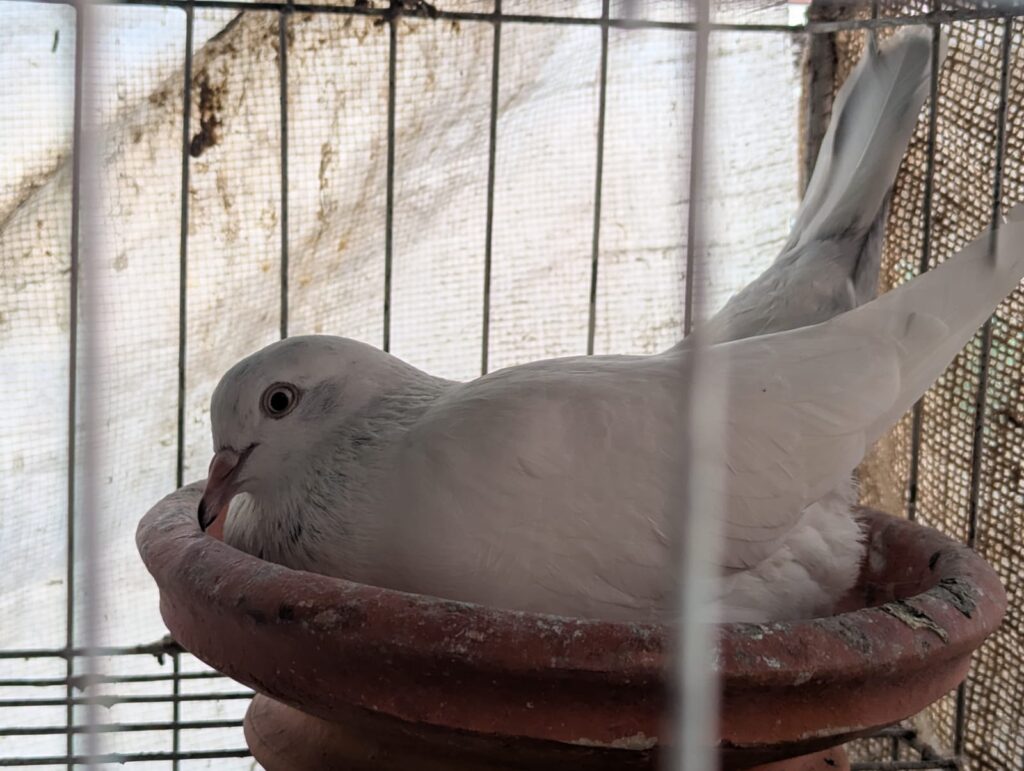
One of the best ways to understand pigeon care is to simply watch your birds. Feeding time is a great opportunity to observe the flock.
Healthy pigeons will move quickly toward food and eat with energy. Birds that appear slow or uninterested in food may be stressed or unwell.
Changes in eating habits can sometimes be an early sign of health problems. Paying attention during feeding helps you notice these changes early.
Common Feeding Mistakes Beginners Make
Many new pigeon keepers learn through trial and error. Here are a few mistakes I often see beginners make.
Feeding too much bread: Bread has very little nutrition for pigeons. It should never be a main food source.
Using only one type of grain: Pigeons need a variety of grains to stay healthy.
Ignoring water quality: Dirty water can spread bacteria and lead to illness.
Overfeeding treats: Some owners give too many treats, such as rice or kitchen scraps. These foods should be occasional additions only.
When you understand what do pigeons eat and follow simple feeding routines, pigeons usually stay strong and active. Good nutrition also supports better flying ability and healthier flock behavior.
Proper feeding habits also influence overall pigeon behaviour, because well fed pigeons are calmer and more balanced within the flock.
Frequently Asked Questions About What Do Pigeons Eat
Many beginners still have questions after learning the basics of pigeon feeding. Here are some of the most common questions I hear from new pigeon keepers.
What do pigeons eat in the wild?
Wild pigeons mostly eat seeds, grains, and small plant materials. In fields and open areas, they search for grains such as wheat and corn, as well as small seeds from plants.
In cities across the United States, pigeons often eat food they find on sidewalks and parks. This may include bread crumbs or food scraps from people. However, these foods do not provide the balanced nutrition pigeons really need.
Domestic pigeons raised in a loft usually eat better because pigeon keepers provide proper grain mixes.
Can pigeons eat bread?
Pigeons can eat small amounts of bread, but it should not be a regular part of their diet. Bread fills the stomach but provides very little nutrition.
Many people feed bread to pigeons in parks, but it does not support healthy growth or strong feathers. A balanced grain mix is always a better choice.
When people ask me what do pigeons eat, I always recommend grains and seeds rather than processed human food.
What fruits or vegetables can pigeons eat?
Pigeons can sometimes eat small amounts of fruits and vegetables. Some birds enjoy chopped lettuce, spinach, peas, or small pieces of apple.
These foods should be occasional additions only. The main diet should still be grains and seeds.
Too many fruits or vegetables may upset a pigeon’s digestion, so moderation is important.
How often should pigeons be fed?
Most pigeon keepers feed their birds once or twice each day. A morning feeding works well for many lofts because pigeons become active early in the day.
Some owners also add a second feeding in the late afternoon.
Keeping a regular feeding schedule helps pigeons develop good habits and stable pigeon behaviour.
Do baby pigeons eat the same food as adult pigeons?
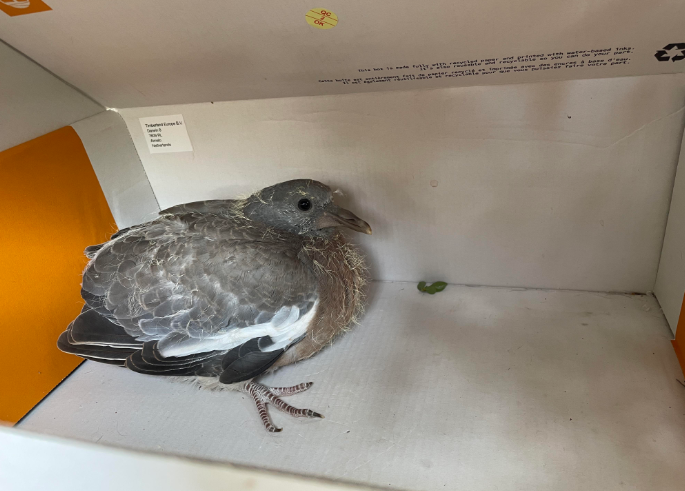
Baby pigeons are first fed by their parents through a special substance called crop milk. This is produced inside the parents’ crop and given directly to the chicks.
As the young pigeons grow, the parents slowly introduce softened grains into their diet.
This stage is very important in any pigeon breeding guide because good nutrition helps young birds grow strong and healthy.
Conclusion
Understanding what do pigeons eat is one of the first and most important things every pigeon keeper should learn. Proper feeding keeps pigeons healthy, active, and ready for breeding. When pigeons receive a balanced mix of grains such as corn, wheat, peas, and millet, their bodies get the energy and nutrients they need to thrive.
From my own experience raising pigeons, simple feeding habits often make the biggest difference. Fresh grain, clean water, and access to grit can help prevent many health problems. These small steps support strong digestion and help reduce the risk of common pigeon diseases.
Good nutrition also improves how pigeons behave in the loft. Birds that are well fed tend to be calmer and more social with the flock. Healthy feeding routines can even influence pairing and nesting success, which is why diet is always an important part of any good pigeon breeding guide.
For beginners, the best approach is to keep feeding simple and consistent. Use a quality grain mix, feed at regular times each day, and observe your pigeons during feeding. Watching your birds closely will teach you a lot about their health and overall pigeon behaviour.
Over time, you will start to understand your flock better. Each group of pigeons develops its own habits, and experienced pigeon keepers learn to adjust feeding routines as the seasons change.
Once you understand the basics of what do pigeons eat, caring for pigeons becomes much easier. A well fed pigeon flock is usually a healthy and active flock, and that is something every pigeon owner wants to see.



One Comment