Pigeon Nest Box Size | Ideal Nesting Guide
When I first started raising pigeons, one of the biggest mistakes I made was getting the pigeon nest box size wrong. I thought any small box would work. The birds quickly proved me wrong.
The truth is, pigeon nest box size plays a big role in how comfortable your birds feel. It affects breeding, egg safety, and even how calm your pigeons stay inside the loft. When the size is right, pigeons settle in quickly. When it is wrong, you will notice stress, broken eggs, or even fighting between pairs.
I have raised pigeons for years now, and I can tell you this from real experience. A proper nest box is not just a place for eggs. It is where your pigeons feel safe, raise their young, and build their routine. Once you get this part right, many other things become easier.
Why Pigeon Nest Box Size Matters for Pigeon Owners
A good pigeon nest box size gives your birds enough room to sit, turn, and care for their chicks without feeling cramped. Pigeons are simple birds, but they still need their own space. If the box is too small, they become restless. If it is too large, they may not feel secure.
I have seen pairs refuse to sit on eggs just because the box felt uncomfortable. On the other hand, when the size is right, they sit calmly for hours and take good care of their babies.
Here are a few reasons why the right size matters so much:
Comfort for breeding pairs
Pigeons like a cosy but not tight space. When the box fits them well, they bond better as a pair. This helps a lot if you are following a pigeon breeding guide and want consistent results.
Protection for eggs and chicks
Eggs can roll or get damaged if the box is too big or too shallow. A proper size keeps everything in place and makes it easier for the parents to protect their young.
Less stress and fighting
If you keep multiple pigeons, space becomes very important. When nest boxes are the right size, each pair feels like they have their own area. This reduces stress and helps avoid unnecessary fights, which is something I learned after watching pigeon behaviour closely.
Cleaner and healthier loft
A well-sized nest box is easier to keep clean. Clean nesting areas help prevent many common pigeon diseases. When droppings build up in a poorly sized box, problems start quickly.
Over time, you will notice that small details like this make a big difference. Getting the pigeon nest box size right is one of those simple steps that improves everything in your loft.
From my own experience, getting the pigeon nest box size right is not complicated, but it needs attention. After trying different setups over the years, I found a size that works well for most pigeons.
A good standard pigeon nest box size is about 24 inches wide, 18 inches deep, and 18 inches high. This size gives enough room for a pair to sit comfortably, care for eggs, and raise chicks without feeling cramped.
Some people go a little smaller or bigger, and that can still work. But if you are starting, this size is a safe choice.
Why this size works
When pigeons sit on eggs, they need space to turn their bodies without knocking the eggs around. I have seen eggs break when the box was too tight.
At the same time, pigeons like a sense of security. If the box is too big, they do not feel protected. They may even choose a corner instead of using the box properly.
This balanced size gives both comfort and safety.
Single Compartment vs Double Nest Box
As you spend more time raising pigeons, you will notice something interesting. A pair often starts preparing for the next set of eggs while still feeding their current chicks.
That is why many experienced keepers use a double nest box.
Single nest box
A single box is simple and works fine if you are not focused on breeding a lot.
- One space for sitting and raising chicks
- Easy to build and manage
- Good for beginners
Double nest box
A double box has two sections side by side.
- One side for current chicks
- One side for new eggs
- Helps continuous breeding
I personally prefer double boxes when I want steady breeding. It keeps the process smooth and reduces stress on the birds.
If you are following a pigeon breeding guide, you will see this method used often.
Depth and Floor Space Matter More Than Height
Many beginners focus too much on height. In reality, depth and floor space are more important.
Pigeons spend most of their time sitting, not standing tall. They need room to move forward, turn, and adjust their position.
From what I have seen:
- Depth helps prevent eggs from rolling out
- Width gives space for both birds to sit comfortably
- Height needs to be high enough so they do not feel trapped
Practical Pigeon Care Advice
Over the years, I have learned that small adjustments in the nest box can make a big difference.
Use a nest bowl inside the box.
Always place a nest bowl inside the box. This keeps eggs in one place and prevents rolling. It also makes cleaning easier.
Keep the box slightly raised.
Do not place nest boxes directly on the floor. Raising them a bit keeps them dry and cleaner.
Give each pair their own space.
Never force two pairs to share one box. This leads to fighting and broken eggs. Understanding pigeon behaviour helps a lot here.
Watch how your pigeons react.
Your pigeons will tell you if something is wrong. If they avoid the box, sit outside, or act restless, check the size and comfort.
Keep it clean and dry.
Dirty nest boxes lead to health problems. Regular cleaning helps prevent pigeon diseases and keeps chicks safe.
Tips and Common Mistakes
After raising pigeons for years, I can tell you that most problems with breeding come from small mistakes. Many of them are related to pigeon nest box size and setup. Once you fix these, things become much easier.
Let me share some practical tips along with mistakes I have personally made or seen others make.
Helpful Tips for Better Nest Box Setup
Keep the box slightly enclosed
Pigeons like a bit of privacy when nesting. A box with three solid sides and a partially open front works best. It makes them feel safe and calm.
Add nesting material
Do not expect pigeons to build everything on their own. I always provide straw, dry grass, or small sticks. This helps them create a proper nest inside the box.
Use the same size for all boxes.
If you keep multiple pairs, try to keep all nest boxes the same size. This avoids competition where birds fight over the best box.
Place boxes at a comfortable height
I prefer placing nest boxes at chest level. It makes it easy for me to check eggs and chicks without disturbing the birds too much.
Give enough spacing between boxes.
Even with the right pigeon nest box size, placing boxes too close can cause problems. Pigeons are territorial during breeding. A little gap between boxes helps reduce tension.
Common Mistakes to Avoid
Choosing a box that is too small
This is one of the biggest mistakes. A tight box makes pigeons uncomfortable. You may see them standing outside or not sitting properly on eggs.
I made this mistake early on, and I ended up with broken eggs and poor hatching.
Using a box that is too large
Some people think bigger is always better. That is not true here. A large box makes pigeons feel exposed. Eggs can roll around, and chicks may not stay in one place.
Not using a nest bowl.
Without a nest bowl, eggs can easily move around. I have seen eggs roll to the corner and get cold because the parents could not sit properly.
Poor cleaning habits
A dirty nest box can lead to serious issues. Bacteria and parasites build up quickly. This can affect both adult pigeons and young chicks. Good hygiene is important to avoid pigeon diseases.
Letting pigeons fight over boxes
If you do not provide enough boxes or space, pigeons will fight. This can lead to injuries and broken eggs. Watching pigeon behaviour closely helps you catch this early.
Ignoring early signs of discomfort
Pigeons give clear signs when something is wrong. If they avoid the box, act restless, or sit in odd places, do not ignore it. Check the size, comfort, and setup right away.
A Small Tip From My Daily Routine
Every morning, I take a few minutes to observe my pigeons quietly. I do not disturb them. I just watched.
If a pair is sitting calmly, I know everything is fine. If they keep moving around or leaving the nest, something needs attention.
This simple habit has helped me prevent many problems before they got serious.
FAQ Section
Here are some common questions I often hear from new pigeon keepers. I will answer them based on what I have seen in my own loft.
What is the best pigeon nest box size for beginners?
A good starting size is about 24 inches wide, 18 inches deep, and 18 inches high. This works well for the most common pigeons.
I always suggest beginners stick with this size. It gives enough space for the pair, eggs, and chicks without making things complicated.
Can I use one nest box for two pigeon pairs?
No, this usually causes problems.
Pigeons are territorial, especially during breeding. If two pairs try to use the same space, they will fight. Eggs can get broken, and chicks may not survive.
Always give each pair their own box. This is something you will also learn if you follow a proper pigeon breeding guide.
Do pigeons need a nest bowl inside the box?
Yes, and I strongly recommend it.
A nest bowl keeps the eggs in one place and makes it easier for the parents to sit properly. It also helps keep things clean.
Without it, eggs can roll around, and that often leads to problems.
How many nest boxes should I provide?
A simple rule I follow is one box per pair, plus one extra if possible.
That extra box helps reduce competition. It gives your pigeons options and keeps them calmer, which improves overall pigeon behaviour.
Can I build a nest box at home?
Yes, and I actually prefer homemade boxes.
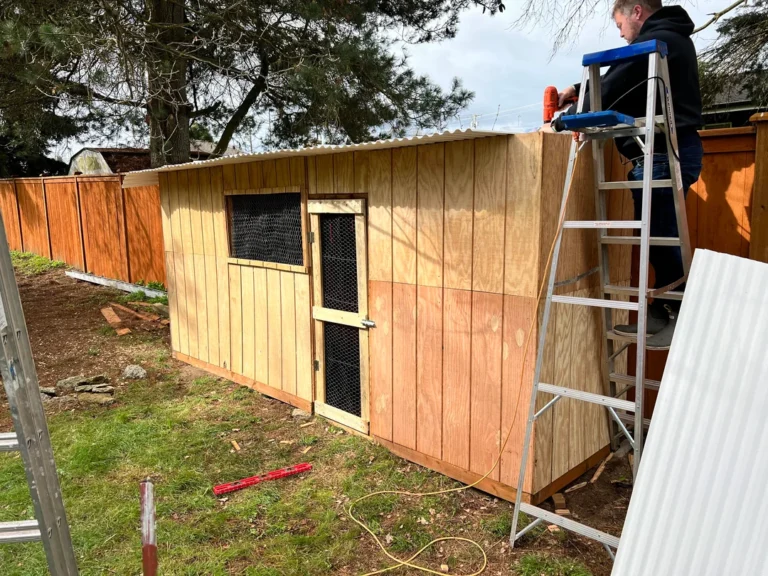
You can use wood and build boxes with the right pigeon nest box size for your setup. Just make sure the box is strong, easy to clean, and has good airflow.
Building your own also lets you adjust based on what you learn over time.
Conclusion
Getting the pigeon nest box size right is one of those simple steps that can change everything in your loft. I learned this the hard way in my early days. Once I fixed the size and setup, my pigeons became calmer, breeding improved, and I had far fewer problems.
A good nest box gives your pigeons a place where they feel safe. It helps them sit properly on eggs, care for their chicks, and stay relaxed. When birds are comfortable, they behave better and stay healthier.
You do not need anything fancy. A well-built box with the right size, a nest bowl, and clean bedding is enough. Focus on comfort, cleanliness, and space for each pair.
Also, keep observing your birds. Pigeons always show you what they need through their behaviour. If something feels off, check the nest box first. Many issues start there.
As you continue raising pigeons, you will see how this connects with other areas, like what pigeons eat, your pigeon breeding guide, and even how you manage pigeon diseases. Everything works together.
Take your time, make small improvements, and learn from your birds. That is how you build a healthy and happy loft.
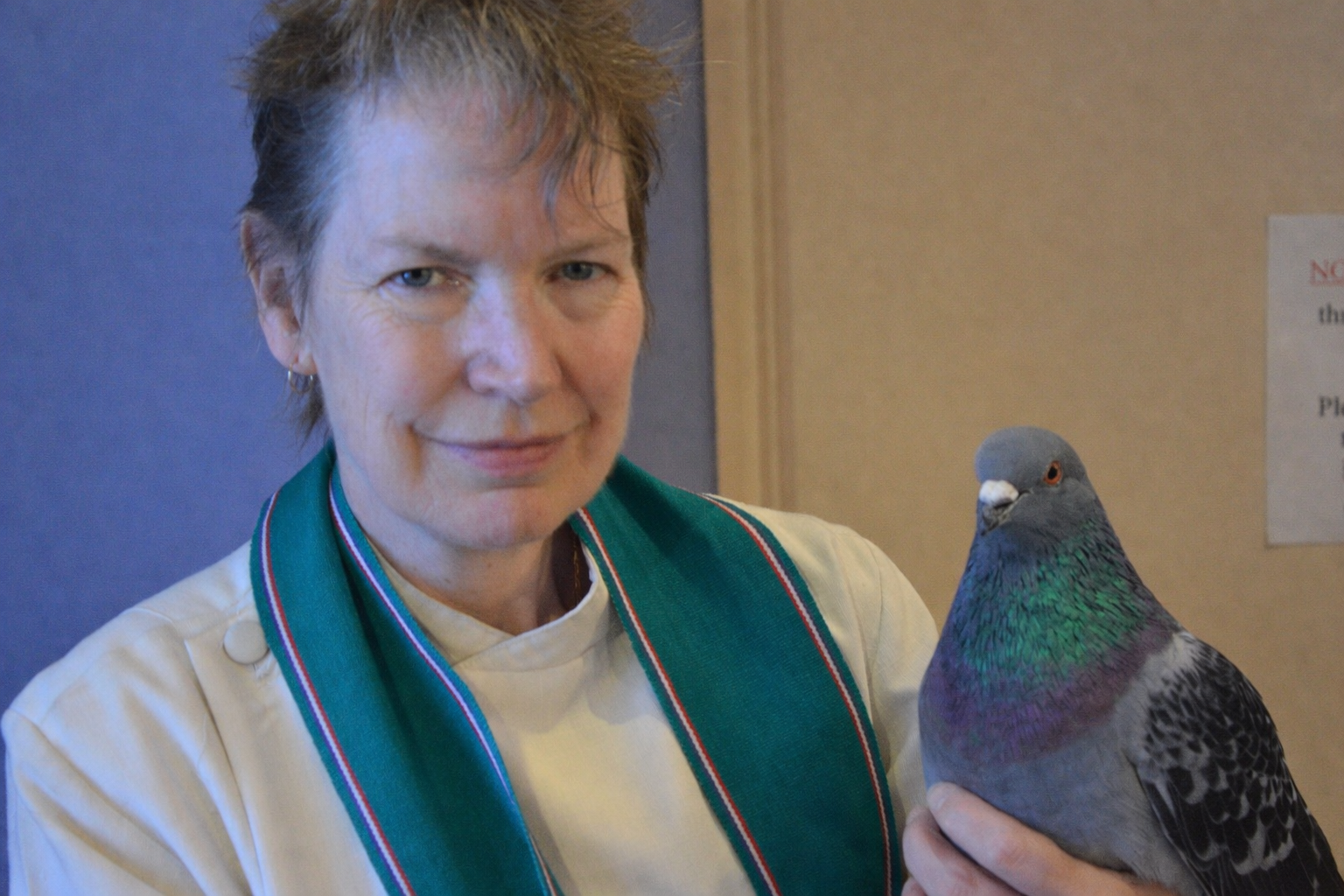
Barbara Allen is a writer and chaplain at Lort Smith Animal Hospital in Melbourne, Australia. She is the author of the book Pigeon, which explores the cultural and historical relationship between humans and pigeons. Allen has also written the picture book I Was There and contributed to publications such as Peace of Mind and Uniting Church Studies.