
What Is Pigeon Racing? | How Racing Homing Pigeons Work
When people first hear the term’pigeon racing,’ they often imagine birds just flying around for fun. I used to think the same before I started raising pigeons myself. But once you see it up close, you realize it is a serious and exciting sport that depends on trust, training, and strong bonding between the bird and its home.
Pigeon racing is a sport in which specially trained pigeons are released far from their home loft and race back as fast as they can. The pigeon that returns in the shortest time wins. These birds are not random street pigeons. They are carefully bred and trained homing pigeons that have a natural ability to find their way home over long distances.
I still remember my first race day. I released my birds early in the morning, then stood outside, waiting and watching the sky. That moment when your pigeon drops down out of nowhere and lands right on your loft is something you never forget. It is not just about speed. It is about connection and trust.
Explain the Topic in Simple Terms
To put it simply, pigeon racing is like a long-distance race where the birds are the athletes. Instead of running on the ground, they fly across miles and miles to reach home.
Here is how it works in real life:
• Birds are taken far away from their home loft
• They are released at the same time
• Each bird flies back to its own home
• The time it takes to return is recorded
• The fastest bird wins
The amazing part is that pigeons always try to return to their own loft. That is their instinct. As a pigeon keeper, your job is to build that strong attachment so your birds always want to come back.
Over time, you will also notice their pigeon behavior. Some birds are naturally faster. Some are more focused. Some take their time but never get lost. Watching and learning these differences is a big part of the journey.
Why This Topic Matters for Pigeon Owners
Understanding what pigeon racing is is important even if you are starting or keeping pigeons as a hobby.
First, it teaches you how to properly care for your birds. Racing pigeons need good nutrition, clean housing, and regular training. You will naturally learn more about what pigeons eat and how to keep their diet balanced.
Second, it helps you better understand breeding. Not every pigeon is suitable for racing. Over time, you start learning which birds are strong, which ones have good direction sense, and which ones should be part of your pigeon breeding guide plans.
Third, it makes you more aware of health. A sick bird will never race well. You will pay closer attention to pigeon diseases and how to prevent them before they become a problem.
Lastly, pigeon racing builds patience. You cannot rush results. It takes time to train birds, build trust, and see improvement. But when it works, it feels very rewarding.
If you are serious about pigeons, even at a small level, learning about pigeon racing will improve how you raise and understand your birds every single day.
Now, let me explain what pigeon racing is,, mor practically, based on what I do in my own loft.
Pigeon racing is not just about releasing birds and hoping they come back. It is a system. It starts with choosing the right pigeons, then building a strong loft, and finally training the birds step by step.
The birds used in racing are called homing pigeons. These pigeons have a natural ability to find their way home from far distances. Some races can be 100 miles, while others can go over 500 miles. The bird must fly back to its own loft without getting distracted or lost.
On race day, pigeons from different owners are collected and taken to a common release point. All birds are released together. Each pigeon then flies back to its own home. The time is recorded using a ring or electronic system, and the bird with the fastest speed wins.
Speed is important, but direction sense is even more important. I have seen fast birds get lost because they panic. A steady and focused pigeon often performs better than a nervous one.
Another thing many beginners do not realize is how much the pigeon’s behavior matters. A bird that loves its loft will always try harder to come back. That is why bonding and routine are very important in racing.
Practical Pigeon Care Advice
If you are thinking about pigeon racing, or even just improving your pigeons, here is what I have learned from real experience.
Keep the Loft Clean and Comfortable
Your pigeons will only race well if they feel safe at home.
I clean my loft regularly. Dry floors, fresh air, and good sunlight make a big difference. If the loft smells bad or feels damp, your birds will lose energy and can get sick.
A comfortable loft also helps prevent pigeon diseases, which can quickly ruin your racing season.
Feed a Balanced Diet
Feeding is one of the most important parts of racing success.
You need a mix of grains, such as corn and peat, along with heat and seeds. Each type gives different energy. Before races, I slightly increase the energy-rich grains so the birds have enough energy.
If you are new, spend time learning what pigeons eat and how different feeds affect their performance. Good feeding alone can improve your results.
Train Step by Step
Never rush training. This is one of the biggest mistakes beginners make.
Start with short-distance releases. Maybe one mile, then five miles, then ten. Slowly increase the distance over time.
Your pigeon needs to learn the route and build confidence. If you push too far too early, you risk losing the bird.
I always watch how each pigeon returns. Some come straight back. Some circle first. This helps me understand their pigeon behavior and adjust training.
Build a strong bond with your birds
This is something many people ignore, but it matters a lot.
Your pigeons should feel that the loft is their home. Feed them at the same time every day. Keep a routine. Avoid scaring them.
When pigeons trust you and love their home, they race better. I have seen average birds perform like champions just because they were strongly bonded to their loft.
Choose the Right Birds for Breeding
Not all pigeons are racers.
If you plan to grow in this hobby, you will need to learn a proper pigeon breeding guide. Choose birds that return fast, stay healthy, and show strong directional sense.
Tips and Common Mistakes
When you start learning what pigeon racing is, it is easy to get excited and rush things. I made the same mistakes in my early days. Over time, I learned that small habits make a big difference in results.
Here are some real tips to help you avoid problems and improve your pigeons, step by step.
Tips That Actually Work
Be Consistent Every Day
Pigeons love routine. I feed my birds at the same time every day. I let them out at the same time. I clean the loft on a schedule.
When pigeons know what to expect, they stay calm and focused. Calm birds perform better in races.
Observe Your Birds Closely
Spend time watching your pigeons. This is something many beginners skip.
Look at how they fly, how quickly they return, and how they act in the loft. Their pigeon behavior tells you a lot.
A healthy pigeon will look alert, move actively, and eat well. If abirdd sisitsall theee time quietland lookskss weak, something is wrong.
Train Smart, Not Hard
More training is not always better.
Short, regular training flights are better than long, stressful ones. Give your birds rest days. A tired pigeon will not race well.
I always increase the distance slowly. This builds confidence and reduces losses.
Keep Fresh Water Always Available
Clean water is just as important as good feed.
I change water daily. In hot weather, I check it twice a day. Dirty water can quickly lead to pigeon diseases, which can spread fast in the loft.
Separate Weak or Sick Birds Early
If you notice a bird acting strangely, isolate it.
Do not wait. One sick pigeon can affect the whole loft. Learning about pigeon diseases early will save you a lot of trouble later.
Focus on Quality, Not Quantity
You do not need many pigeons to start.
A small group of strong, healthy birds is much better than a large group of weak ones. As you learn more about your pigeon breeding guide, you can slowly improve your flock.
Common Mistakes Beginners Make
Training Too Far Too Soon
This is the biggest mistake I see.
New keepers release pigeons far away too early. The birds get confused and never come back. Always build distance slowly.
Overfeeding or Wrong Feeding
Giving too much food or the wrong mix can make pigeons lazy or weak.
Heavy birds fly slower. Poor nutrition also affects stamina. Learn what pigeons eat properly and adjust feed based on training and weather.
Ignoring Loft Conditions
Some people focus only on the birds and forget the loft.
A dirty or damp loft will cause health problems. Even the best pigeons will struggle in a bad environment.
Not Understanding Each Bird
Every pigeon is different.
Some are fast learners. Some need more time. Treating all birds the same is a mistake. Watch and learn each bird’s habits.
Lack of Patience
Pigeon racing takes time.
You will lose birds. You will have bad race days. This is normal. The key is to stay patient and keep learning.
I have had birds that failed early but later became strong racers. If you quit too early, you miss that progress.
What is pigeon racing in simple terms?
Pigeon racing is a sport in which trained pigeons are released far from home and race back to their own lofts. The pigeon that returns the fastest wins.
From my own experience, it is not just about speed. It is about how well the pigeon knows its home and how strong its instinct to return is.
How do pigeons find their way home?
Pigeons use a mix of natural skills to navigate. They can sense the sun, the earth’s magnetic field, and even remember landmarks.
I have noticed that experienced pigeons rarely panic. They stay calm and fly straight home. This comes from training and strong pigeon behavior over time.
How far can racing pigeons fly?
Racing pigeons can fly anywhere from 50 miles to over 500 miles, depending on the race.
Beginners should always start with short distances. I usually begin with very short training flights and slowly increase distance as the birds gain confidence.
What do pigeons eat for racing?
Racing pigeons need a balanced mix of grains like corn, peas, wheat, and seeds.
Before races, I give slightly more energy-rich grains. After races, I focus on recovery feed. If you want better results, learn properly what pigeons eat and adjust feeding based on your birds’ needs.
Is pigeon racing safe for the birds?
When done correctly, pigeon racing is safe. But there are always risks like bad weather or predators.
The best way to keep pigeons safe is through proper training, good healthcare, and a clean loft. Strong birds that are well-trained and free from pigeon diseases have a much better chance of returning safely.
Conclusion
By now, you have a clear idea of what pigeon racing is and how it works in real life. It is not just a hobby where birds fly around. It is a sport that depends on care, patience, and daily attention.
From my own experience, pigeon racing teaches you discipline. You learn to wake up early, feed your birds on time, and watch them closely. Over time, you start to understand their pigeon behavior without even thinking about it. You can tell when a bird is ready to race and when it needs rest.
The biggest lesson I learned is that strong pigeons come from good care, not shortcuts. Clean loft, proper feeding, smart training, and a calm routine all work together. If one part is weak, your results will suffer.
It also connects with other important parts of pigeon keeping. You will naturally improve your knowledge about what pigeons eat, how to follow a proper pigeon breeding guide, and how to prevent pigeon diseases before they spread.
If you are starting, keep things simple. Start with a small number of healthy pigeons. Build a routine. Train slowly. Watch your birds every day.
There will be days when birds come back late or not at all. That happens to everyone. Do not get discouraged. Every experienced pigeon keeper has gone through the same thing.
But when you see your pigeon return fast and strong after a long flight, you will understand why so many people love this sport.
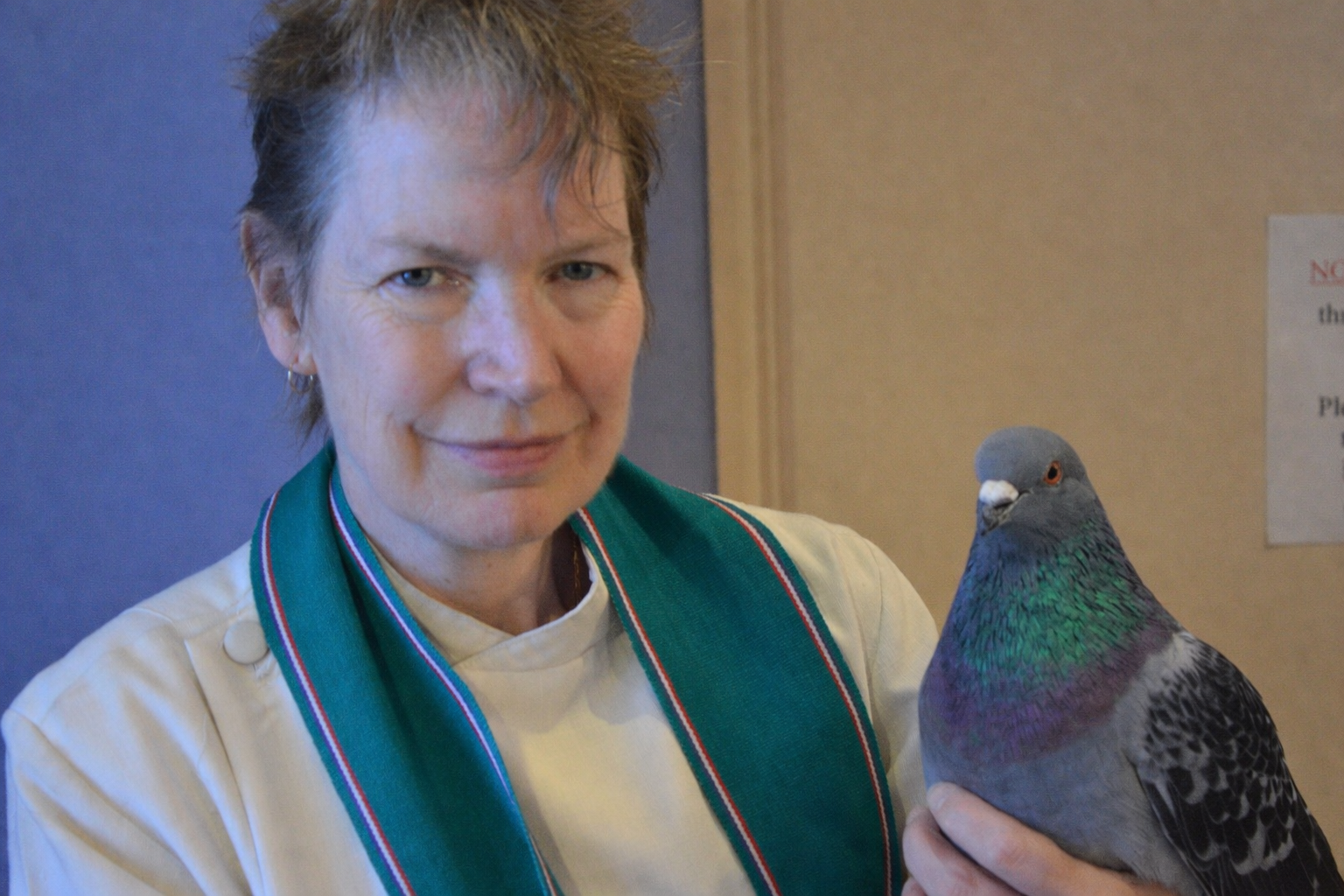
Barbara Allen is a writer and chaplain at Lort Smith Animal Hospital in Melbourne, Australia. She is the author of the book Pigeon, which explores the cultural and historical relationship between humans and pigeons. Allen has also written the picture book I Was There and contributed to publications such as Peace of Mind and Uniting Church Studies.
One Comment