How Does Pigeon Racing Work? | Beginner’s Guide To The Sport
When people first ask me how pigeon racing works, I always smile. It sounds simple from the outside. You release a bird and see which one comes back first. But once you actually raise pigeons, you realize there is a lot more going on behind the scenes.
Pigeon racing is a sport where trained pigeons are released from a distant location and race back to their home loft. The pigeon that returns the fastest wins. It is not just about speed. It is about training, care, and the bird’s natural ability to find its way home.
I have raised pigeons for years, and I can tell you that racing pigeons are not ordinary birds. They are strong, smart, and very loyal to their home. If you treat them right, they will fly long distances and still come back to you.
Understanding how pigeon racing works helps you see why some pigeons perform well and others struggle. It also helps you take better care of your birds,, hwhetherou plan to race them or keep them for enjoyment.
Explain the Topic in Simple Terms
At its core, pigeon racing is about distance and time.
Here is the basic idea in simple words. Pigeons are taken far away from their home. This can be anywhere from a few miles to hundreds of miles. Then they are released. Each pigeon tries to fly back to its own loft as fast as it can.
The time starts when the pigeons are released and stops when each pigeon arrives home. The winner is the pigeon with the fastest average speed.
Now you might wonder how pigeons know where to go. From my experience, pigeons have a strong natural homing ability. They use the sun, the Earth’s magnetic field, and even landmarks to find their way. You will notice that well-trained pigeons do not fly around confused. They pick a direction and go straight home.
Before any race, pigeons go through training flights. This is very important. You cannot just release a pigeon far away and expect it to perform well. Training builds their strength and helps them learn the route back home.
Good feeding also plays a big role. If you do not understand what pigeons eat, your birds will not have the energy to race properly. A healthy diet gives them stamina and recovery after long flights.
Why This Topic Matters for Pigeon Owners
Knowing how pigeon racing works is not just for people who want to compete. It helps every pigeon owner.
First, it teaches you how important routine is. Racing pigeons follow a strict schedule. Feeding, training, and rest all happen at the right time. This same routine improves the overall health of any pigeon, even if you are not racing.
Second, it helps you better understand pigeon behavior. Racing pigeons are very attached to their home. If your birds do not show that strong homing instinct, it usually means something is off. It could be stress, poor health, or weak training.
Third, it pushes you to take better care of your birds. You will pay more attention to cleanliness, fresh water, and early signs of pigeon diseases. A sick pigeon will never perform well in a race, and honestly, it should not be raced at all.
Also, if you are considering expanding your loft, learning from a pigeon-breeding guide becomes important. Good racers often come from strong bloodlines. Breeding the right birds can make a big difference over time.
From my own experience, pigeon racing teaches patience. You cannot rush results. You build strong birds step by step, and over time, you start to see them improve.
If you are starting, do not worry about winning races right away. Focus on understanding your pigeons, their habits, and their needs. Once you get that right, everything else becomes easier.
Now, let me explain, in a more practical way, how pigeon racing works from the loft to race day. This is how I handle it with my own birds.
Selecting the Right Pigeons
Not every pigeon is meant for racing. Good racing pigeons come from strong bloodlines. If you start with weak birds, you will struggle no matter how much effort you put in.
I always look for pigeons that are active, alert, and quick to respond. Their eyes should be bright, feathers smooth, and body strong but not heavy.
This is where a proper pigeon breeding guide helps. Breeding from proven racers increases your chances of success.
Training Your Pigeons
Training is the heart of pigeon racing.
Young pigeons first learn to circle the loft. Then I slowly take them short distances away and release them. Maybe one mile at first, then five, then ten, and so on.
You cannot rush this. If you push them too far too soon, they can get lost.
Over time, they build confidence and muscle strength. A well-trained pigeon flies straight home without wasting time.
Feeding and Nutrition
Feeding plays a huge role in racing performance.
If you ask me what pigeons eat for racing, I will tell you it is a balanced mix of grains. Corn, peas, wheat, and small seeds are common.
Before a race, I eat slightly higher-energy foods. After the race, I focus on recovery with lighter, cleaner feed.
Clean water is just as important. I always make sure fresh water is available. Sometimes I add vitamins, especially during heavy training.
Basket Training and Race Preparation
Before official races, pigeons are placed in baskets for transport. This is called basket training.
It helps them get used to being handled and staying calm in a crowded space.
On race day, pigeons from many lofts are taken to a release point. This could be 50 miles away or even more.
When released, all pigeons fly back to their own homes.
Timing and Winning
In the past, people used manual timing clocks. Now most racers use electronic timing systems.
Each pigeon has a small band or chip. When it enters the loft, the system records the exact time.
The winner is not always the pigeon that arrives first. It is the one with the highest speed based on distance and time.
So even if your pigeon comes later, it can still win if it flew a longer distance faster.
Practical Pigeon Care Advice
Let me share some real advice from my daily routine. These small things make a big difference.
Keep the Loft Clean
A clean loft keeps your pigeons healthy.
I clean droppings regularly and ensure good airflow. Dirty lofts lead to pigeon diseases, and once sickness starts, performance drops fast.
Observe Your Birds Daily
I always spend time just watching my pigeons.
You can learn a lot from pigeon behavior. If a bird looks quiet, eats less, or stays puffed up, something is wrong.
Catching problems early saves you a lot of trouble later.
Do Not Overtrain
Many beginners make this mistake.
They think more training means better results. But pigeons also need rest. Too much flying can make them weak.
I always balance training days with rest days.
Build Trust With Your Pigeons
Your pigeons should feel safe in the loft.
I feed them at the same time every day. I call them in gently. Over time, they learn your routine.
This trust actually helps during races. A pigeon that loves its home will return faster.
Separate Healthy and Weak Birds
If a pigeon looks sick, I separate it immediately.
Never keep sick birds with healthy ones. Disease spreads quickly in a loft.
This is something every pigeon keeper learns the hard way at least once.
Tips and Common Mistakes
Over the years, I have seen many people get excited about pigeon racing, but only to lose interest when things did not go as expected. Most of the time, the problem is not the pigeons. It is small mistakes in care and training.
Let me share some tips that actually work, along with common mistakes you should avoid.
Tips for Better Pigeon Racing Results
Be Patient With Young Pigeons
Young birds need time to learn.
When I first started, I expected quick results. That was a mistake. Pigeons improve slowly with experience. The more they fly and return safely, the better they become.
Give them time to understand their surroundings and build confidence.
Keep a Simple Routine
Pigeons love routine.
I feed them at the same time every day. I train them on a regular schedule. Even the cleaning happens at a fixed time.
This consistency keeps them calm and focused. A calm pigeon races better than a stressed one.
Use Light Feeding Control
This is something experienced keepers understand well.
If pigeons are too full, they may not feel motivated to rush back home. I never starve them, but I manage their feeding so they stay eager to return.
A slightly hungry pigeon will come home faster, especially during training.
Watch Weather Conditions
Weather plays a big role in pigeon racing.
Strong winds, heavy rain, or extreme heat can confuse or exhaust pigeons. I always check the weather before training or racing.
Even the best pigeon can struggle in bad weather.
Learn From Your Birds
Each pigeon is different.
Some are fast but tire quickly. Some are slower but very consistent. I keep notes on my birds and closely observe their pigeon behavior.
This helps me decide which birds to train harder and which to rest.
Common Mistakes to Avoid
Starting With Poor Quality Birds
This is one of the biggest mistakes beginners make.
If your pigeons do not have good genetics, you will struggle. No matter how well you train them, they may never perform well.
This is why following a proper pigeon breeding guide is important.
Training Too Far Too Soon
Many beginners get excited and take their pigeons too far too early.
This often leads to lost birds. I have made this mistake myself.
Always increase the distance slowly. Let the pigeons build experience step by step.
Ignoring Health Issues
Some people continue training even when pigeons are not healthy.
This is a big mistake. A sick pigeon will not race well and can spread pigeon diseases to others.
If I notice even a small issue, I stop training that bird and give it time to recover.
Poor Feeding Habits
Feeding random grains without balance can hurt performance.
Pigeons need proper nutrition for energy and recovery. If you do not understand what pigeons eat, your birds will lack strength during races.
I always use a mix that supports both energy and health.
Overcrowded Loft
Too many pigeons in a small space creates stress.
It also increases the risk of disease. Pigeons need space to rest and move comfortably.
A crowded loft leads to fights, stress, and poor performance.
Lack of Observation
This is something I always tell beginners.
If you do not watch your pigeons daily, you will miss important signs.
Small changes in pigeon behavior can reveal their health and readiness. The more you observe, the better you understand your birds.
FAQ Section
How do pigeons know where to go during a race?
From my experience, pigeons have a natural homing instinct.
They use Earth’s magnetic field and familiar landmarks to guide themselves. Once a pigeon is properly trained, it does not fly around randomly. It picks a direction and heads straight home.
You will notice that experienced birds return much faster because they already understand the route and trust their instincts.
How far can racing pigeons fly?
Racing pigeons can fly very long distances.
Short races may be around 50 miles. Longer races can go over 300 miles, and some experienced pigeons can handle even more.
But distance depends on training and health. You cannot expect a young or untrained pigeon to handle long distances. It takes time to build that strength.
How fast do racing pigeons fly?
Most racing pigeons fly between 4 and 60 miles per hour.
Speed can vary with weather, wind, and the bird’s condition. On a good day with strong, healthy pigeons, the speed can be even higher.
That is why proper feeding and understanding what pigeons eat is so important. Energy levels directly affect speed.
At what age can pigeons start racing?
Young pigeons usually start training at a few months old.
I begin with short training flights once they are comfortable flying around the loft. Official racing usually starts when they are strong enough and well-trained.
Rushing young pigeons into long races is a mistake. They need time to develop both physically and mentally.
What happens if a pigeon does not return?
This is something every pigeon keeper faces at some point.
Sometimes pigeons get lost due to bad weather, lack of training, or predators. In some cases, they may land in another loft or take longer to return.
This is why good training, proper care, and understanding of pigeon behavior are so important. The better prepared your pigeon is, the higher the chance it will return safely.
Conclusion
By now, you should have a clear idea of how pigeon racing works from a real keeper’s point of view.
It is not just about releasing birds and waiting for them to come back. It is a full system built on good pigeons, proper training, smart feeding, and daily care.
From my own experience, the biggest lesson in pigeon racing is patience. You cannot rush results. Strong racers are built over time through consistent effort. Every small step matters, from how you feed your pigeons to how you train them and even how you observe their behavior
If you take shortcuts, you will lose birds or see poor performance. But if you follow the basics and stay consistent, you will start to see improvement.
Always prioritize our pigeons’ health first. Learn about common pigeon diseases and keep your loft clean. Make sure you understand what pigeons eat so your birds have the energy they need. If you plan to grow your loft, follow a proper pigeon breeding guide so you build strong bloodlines.
Even if you are not planning to compete seriously, learning how pigeon racing works will make you a better pigeon keeper. Your birds will be healthier, more active, and more connected to their home.
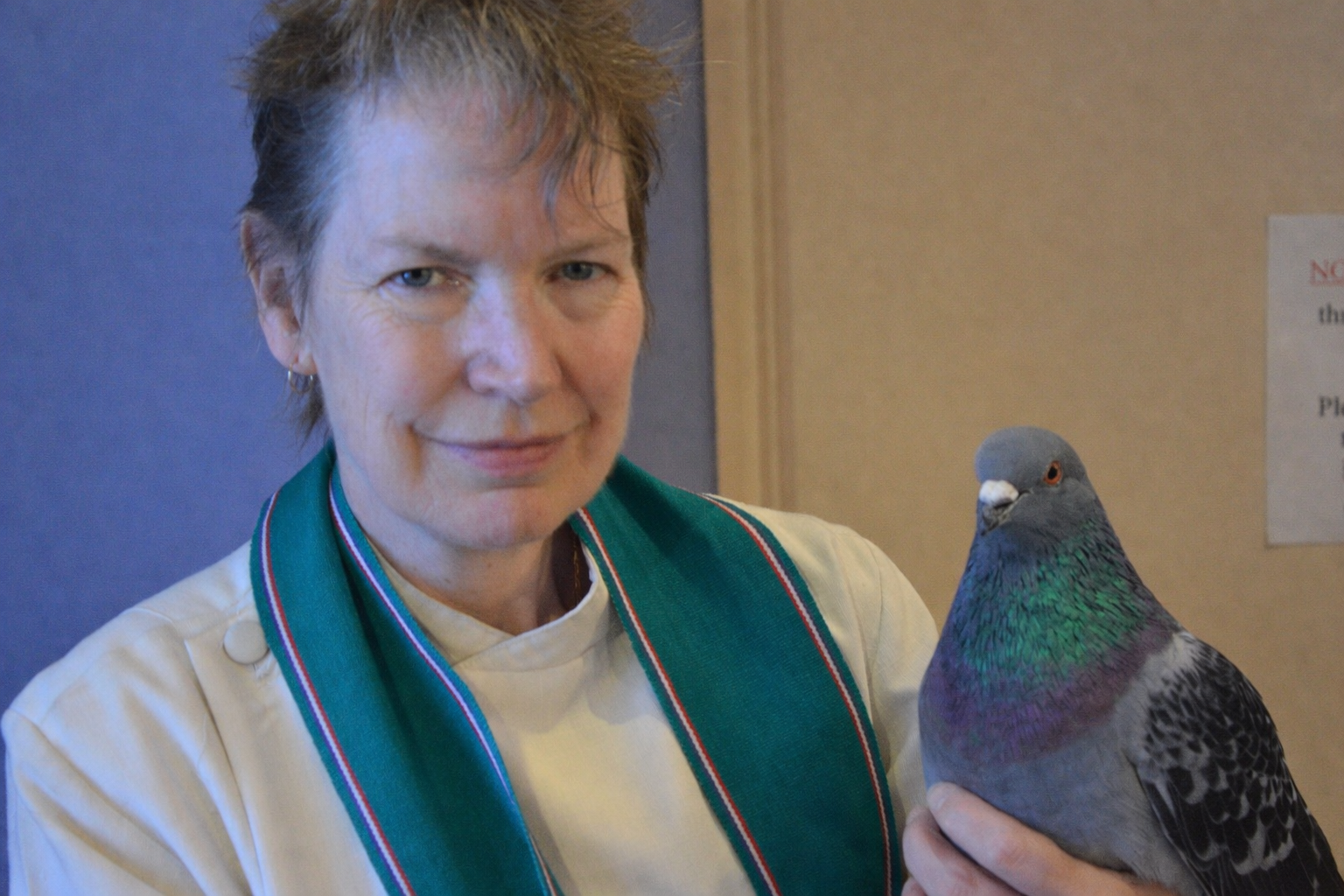
Barbara Allen is a writer and chaplain at Lort Smith Animal Hospital in Melbourne, Australia. She is the author of the book Pigeon, which explores the cultural and historical relationship between humans and pigeons. Allen has also written the picture book I Was There and contributed to publications such as Peace of Mind and Uniting Church Studies.