What do pigeons eat in the city? | Complete Guide
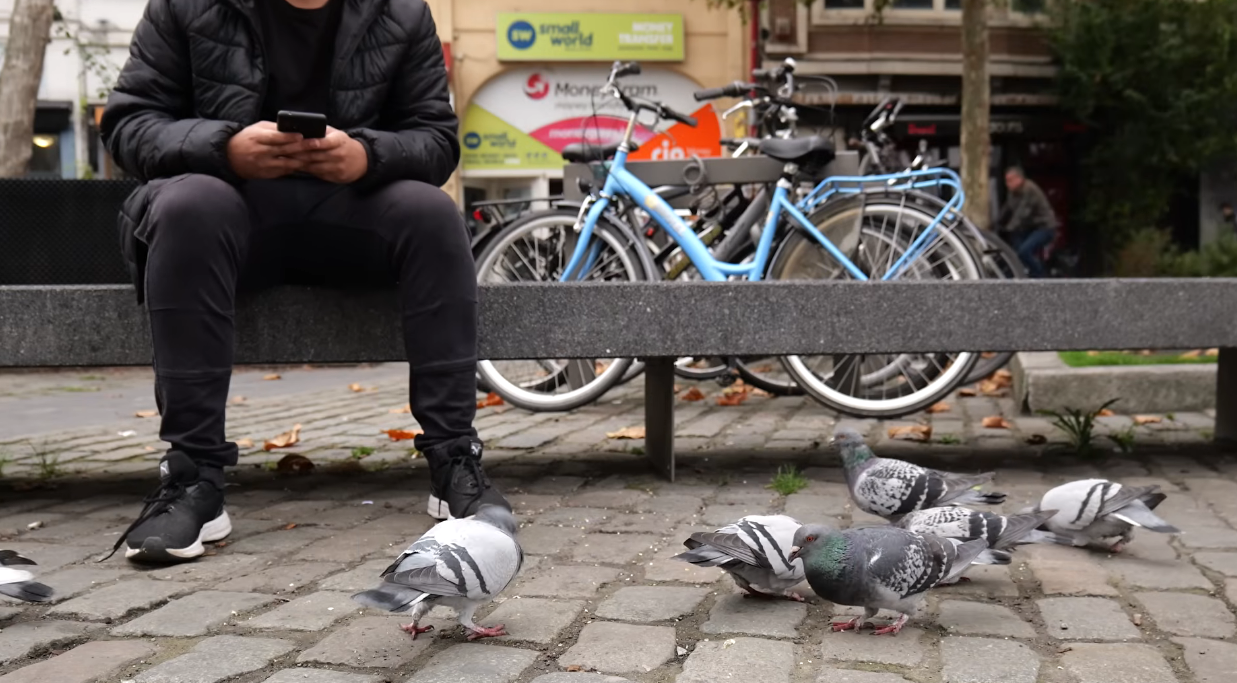
If you spend time in any American city, you will see pigeons almost everywhere. They walk along sidewalks, gather in parks, and search for food near outdoor restaurants. Many people wonder what do pigeons eat in the city, especially when they see birds picking food from the ground or around trash bins.
As someone who has raised pigeons for years, I can tell you that city pigeons are very good at finding food. Pigeons are natural grain eaters, but they are also smart survivors. When they live in cities, they learn to eat many different foods left behind by people. Some of these foods are healthy for them, while others are not the best choice.
Understanding what pigeons eat in the city is important for anyone who cares about birds or raises pigeons at home. If you keep pigeons, knowing their natural diet helps you feed them better. It also helps you understand their behavior when they search for food outdoors. I often watch city pigeons carefully because their behaviour and survival strategies can teach a lot about pigeon behaviour and survival.
Many beginners who start raising pigeons also ask about diet. They see pigeons eating bread or fast food scraps in public places and assume that is normal for pigeons. The truth is a little different. Wild city pigeons eat those foods because they must survive, not because those foods are the best for their health.
A healthy pigeon diet should always focus on grains, seeds, and natural foods. This is the same advice I give beginners when they ask about what do pigeons eat at home. Feeding the right foods keeps pigeons strong, helps them raise healthy chicks, and even reduces the risk of common pigeon diseases.
Another reason this topic matters is breeding. If you ever plan to raise pigeons seriously, diet becomes even more important. Good nutrition supports strong eggs, healthy babies, and successful pairs during the pigeon breeding guide stage.
City pigeons are tough birds. They have learned to survive in busy streets, crowded parks, and large buildings. But when you understand what they actually eat, you begin to see how adaptable they really are.
What Do Pigeons Eat in the City
City pigeons are very resourceful birds. When people ask me what do pigeons eat in the city, I usually tell them that pigeons eat whatever they can safely find. In a natural setting, pigeons prefer grains and seeds. In a city, they must adapt to the food left behind by people.
After raising pigeons for many years and watching city flocks closely, I have noticed that their diet usually comes from a few main sources.
Grains and Seeds
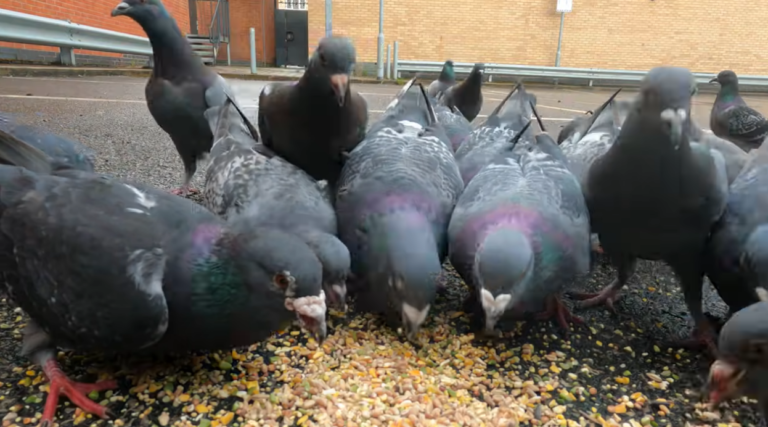
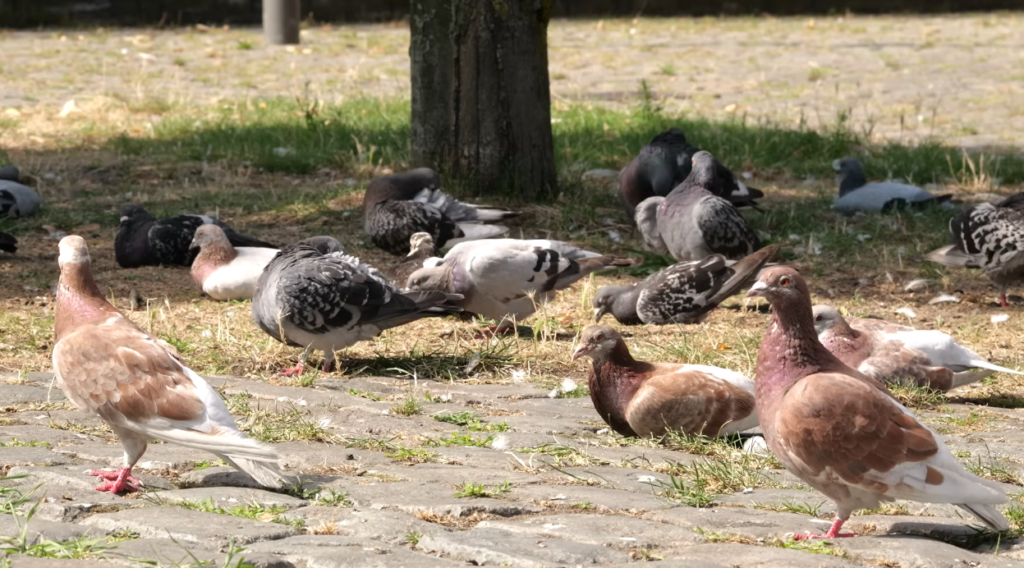
Grains are still the most natural food for pigeons. Even city pigeons look for these foods whenever they can find them.
In many parks across the United States, people feed birds with simple grains. This is why you often see pigeons gathering in large groups in those areas.
Common grains pigeons eat include:
- Corn
- Wheat
- Millet
- Barley
- Oats
- Rice
These foods give pigeons energy and help them stay strong. When I feed my own birds at home, I always use a grain mix because it is the closest thing to what pigeons naturally eat.
Anyone interested in raising pigeons should learn more about what do pigeons eat so they can provide the right grain balance.
Food Scraps Left by People
One major reason pigeons survive so well in cities is the availability of human food waste. Restaurants, sidewalks, parks, and outdoor seating areas often leave behind small food scraps.
City pigeons quickly learn where these places are.
Some of the most common scraps they eat include:
- Bread pieces
- French fries
- Cracker crumbs
- Chips
- Cooked rice
- Small pieces of sandwich bread

While pigeons will happily eat these foods, they are not always the healthiest option. Bread especially fills a pigeon’s stomach, but does not give enough nutrients.
This is something I always explain to beginners who are learning about pigeon behaviour. Pigeons will eat almost anything edible, but their bodies are designed mainly for grains and seeds.
Seeds from Plants and Weeds
Even in busy cities, there are small patches of natural food. Parks, empty lots, sidewalks, and building edges often grow weeds and small plants.
Many weeds produce tiny seeds that pigeons love.
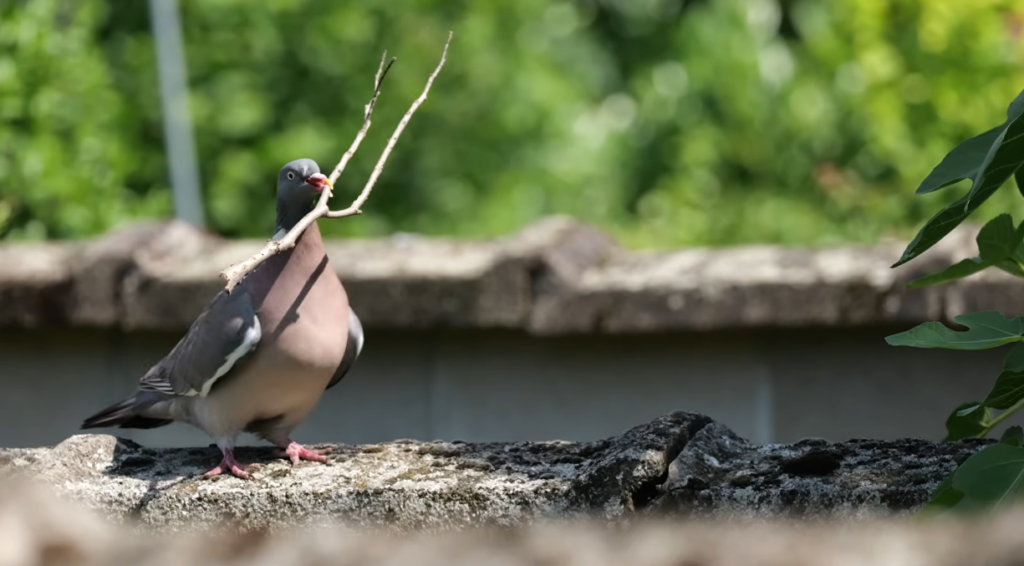
You will often see pigeons pecking the ground in grassy areas or along the edge of sidewalks. They are usually searching for these small natural seeds.
This type of food is actually very healthy for pigeons and is closer to their original diet.
Trash Areas and Food Containers
Another place city pigeons search for food is near trash bins and dumpsters. This is very common behind restaurants or in busy commercial areas.
From a pigeon keeper’s point of view, this is not ideal food. But pigeons are excellent survivors. If food is available, they will eat it.
Sometimes they find:
- Rice from takeout meals
- Pasta pieces
- Bread crusts
- Small meat scraps
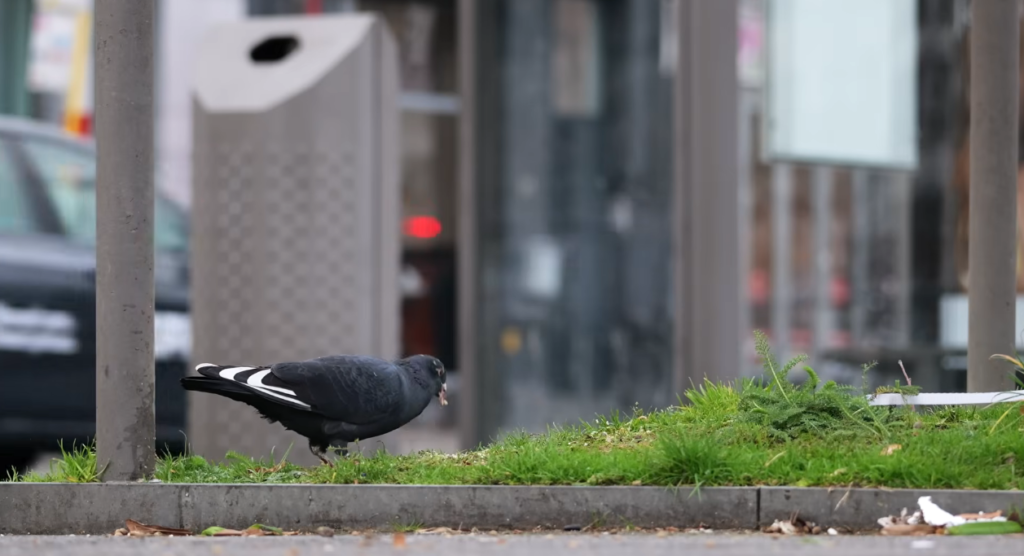
Most pigeons prefer grains, but hunger makes them less picky. When food is scarce, they will try many things.
A poor diet from trash food can sometimes lead to health problems. This is one reason pigeon keepers must pay attention to nutrition and watch for early signs of pigeon diseases.
Bird Feeders in the City
Some cities have people who enjoy feeding birds in parks or near apartment buildings. These bird feeders can become a regular food source for pigeons.
Seed mixes placed for other birds often attract pigeons because they contain sunflower seeds, millet, or cracked corn.
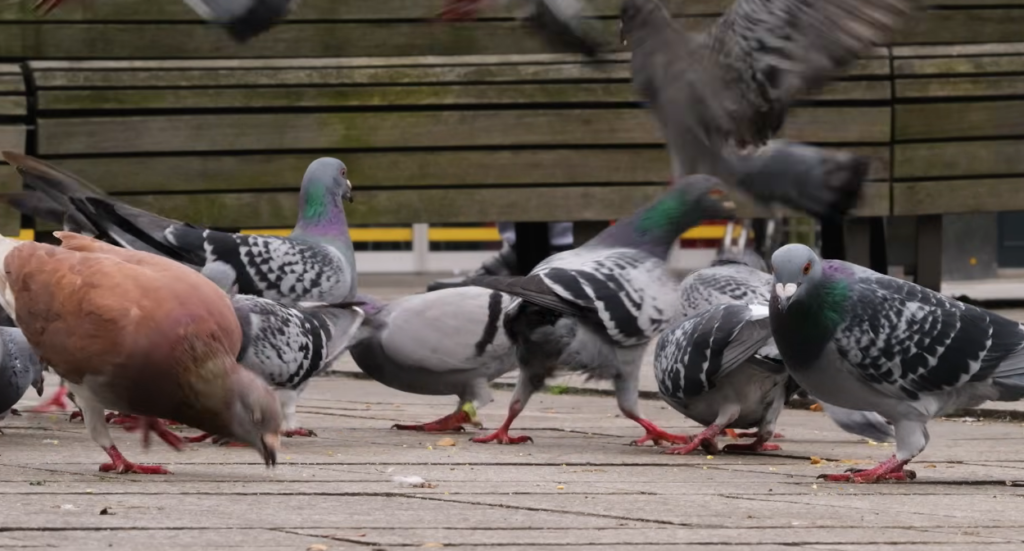
In my experience, pigeons quickly learn feeding schedules. If someone feeds birds every morning in a park, pigeons will show up at the same time every day.
This behavior shows how intelligent pigeons are. Their feeding habits are closely connected to pigeon behaviour and routine.
How City Diet Affects Pigeon Health
Even though city pigeons survive on many types of food, their health improves greatly when they eat natural grains and seeds.
When I raise pigeons at home, I always provide a balanced grain mix and clean water. This becomes even more important during the breeding season when pairs are raising babies.
Proper nutrition helps with egg production, chick growth, and overall strength. Anyone interested in raising birds seriously should eventually learn a comprehensive pigeon breeding guide, as diet plays a huge role in successful breeding.
City pigeons show us how adaptable these birds are. They can survive in almost any environment. But the healthiest pigeons are always the ones that eat natural foods.
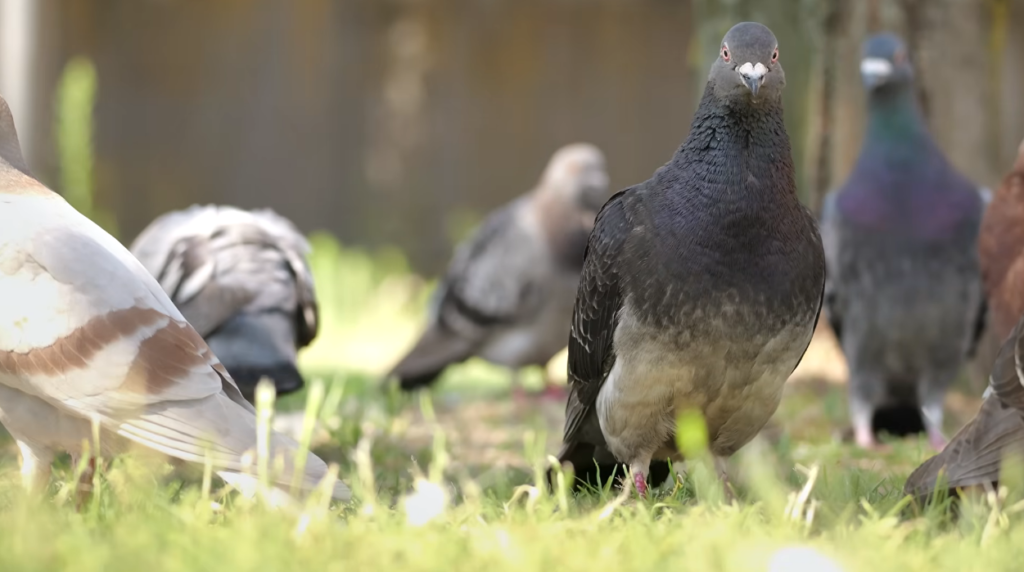
Tips and Common Mistakes When Feeding City Pigeons
After many years of raising pigeons and watching city flocks, I have learned that feeding pigeons properly makes a big difference. People often mean well when they feed birds in parks or near buildings, but some common habits can actually harm pigeons.
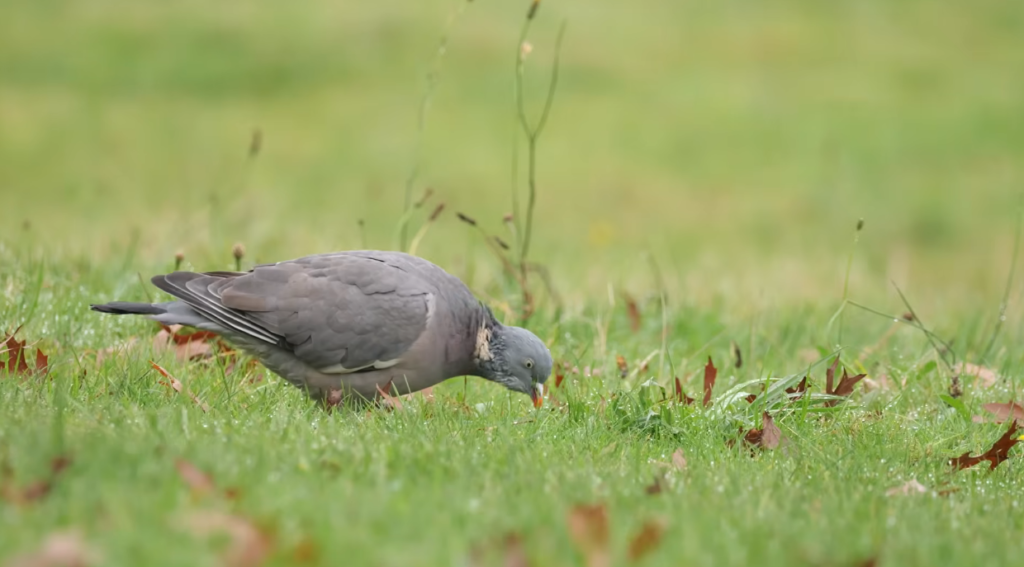
Understanding what do pigeons eat in the city helps pigeon owners and bird lovers make better choices. The goal is not just to feed pigeons, but to keep them healthy.
Tip 1: Choose Natural Grains Whenever Possible
If you want to feed pigeons in a park or outside your home, grains are always the best option.
Healthy foods for pigeons include:
- Corn
- Wheat
- Millet
- Barley
- Oats
- Bird seed mixes
These foods match the natural diet of pigeons. They provide energy and important nutrients that help pigeons stay strong.
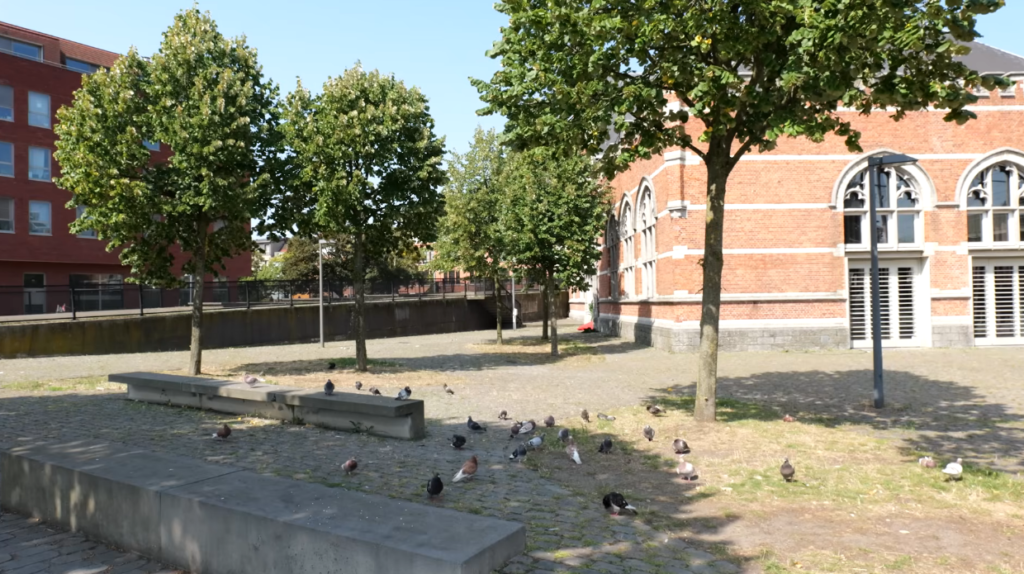
This is the same type of food I give my own birds at home. Anyone learning about what do pigeons eat should start with grains because they are the foundation of a healthy pigeon diet.
Tip 2: Feed Small Amounts
Another good habit is feeding small portions. Large piles of food can attract too many birds and sometimes lead to unhealthy competition among them.
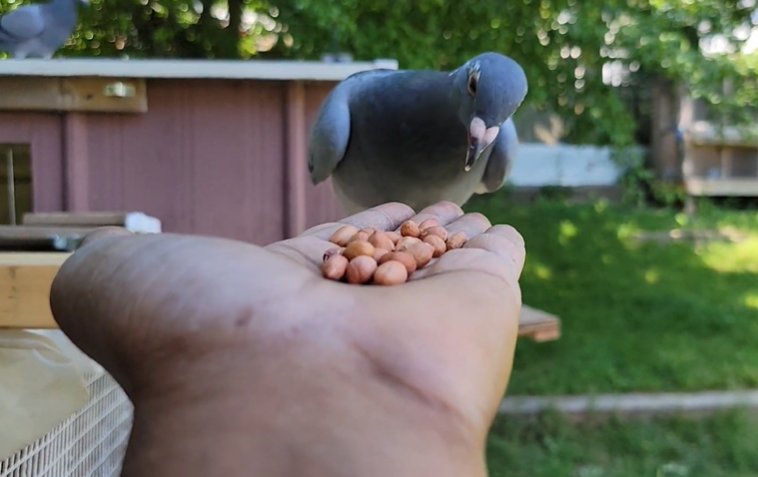
A small handful of grain spread across the ground allows pigeons to eat calmly without fighting.
When pigeons feel safe while eating, their natural pigeon behaviour becomes easier to observe. They stay relaxed and move around naturally, rather than rushing for food.
Tip 3: Always Provide Clean Water
Food is important, but water is just as necessary. Pigeons need water for digestion and general health.
When I care for my own birds, I always make sure there is fresh water available every day. Pigeons drink more water than many people expect, especially during warm weather.
In cities, pigeons often rely on fountains, puddles, or small water sources in parks.
Tip 4: Watch the Birds for Signs of Health
Whenever pigeons gather to eat, you can learn a lot just by watching them.
Healthy pigeons usually:
- Walk confidently
- Have smooth feathers
- Stay active and alert
- Eat with the group
Birds that sit quietly, move slowly, or look puffed up may be sick. These can sometimes be early signs of pigeon diseases. Observing feeding groups often helps pigeon keepers notice problems early.
Common Mistake 1: Feeding Only Bread
One of the biggest mistakes people make is feeding pigeons only bread.
Bread fills their stomach, but contains very little nutrition. If pigeons rely on bread too often, they may become weak over time.
A small amount of bread is not dangerous, but it should never be the main source of food.
Grains and seeds are always better.
Common Mistake 2: Feeding Processed Junk Food
Many city pigeons eat chips, crackers, or fast food scraps because that is what they find on the ground.
However, salty or oily foods are not healthy for birds. These foods can lead to poor nutrition and long-term health problems.
Whenever possible, it is best to avoid feeding processed human snacks.
Common Mistake 3: Feeding Near Busy Roads
Feeding pigeons near busy streets can be risky. Birds may fly low across traffic while searching for food.
Parks, open spaces, and grassy areas are much safer places for pigeons to gather.
Common Mistake 4: Overfeeding
Too much food in one location can attract large groups of pigeons. This may lead to crowding and competition.
Balanced feeding helps keep pigeons calm and reduces stress within the flock.
This is especially important during breeding season. Proper food helps adult pigeons raise healthy chicks. Anyone serious about keeping pigeons should eventually study a full pigeon breeding guide to understand how nutrition supports strong young birds.
FAQ About What Do Pigeons Eat in the City
Do city pigeons only eat bread?
No, city pigeons do not only eat bread. Bread is simply one of the foods they often find because people drop it or feed it to them in parks.
The natural diet of pigeons is mostly grains and seeds. Foods such as corn, wheat, millet, and barley are much better for them. Bread can fill their stomach, but it does not give the nutrition pigeons need to stay strong.
When people ask me what pigeons eat, I always explain that grains are the healthiest choice.
Can pigeons eat human food from restaurants?
City pigeons sometimes eat food scraps left by people near restaurants or sidewalks. This can include rice, pasta, or small pieces of bread.
While pigeons can survive on these foods, they are not always ideal. Processed foods often contain salt, oil, and ingredients that are not good for birds.
From my experience raising pigeons, birds that eat mostly grains and seeds stay much healthier than birds that rely on human food waste.
Why do pigeons gather in large groups when food appears?
Pigeons are social birds. When one pigeon finds food, others quickly notice and join the group.
This is a natural part of pigeon behaviour. Feeding together helps pigeons stay safe from predators and find food faster.
In cities, pigeons have learned that parks, outdoor cafes, and busy sidewalks often provide food. That is why large flocks often gather in these areas.
Do pigeons eat insects in the city?
Pigeons mainly eat plant-based foods such as grains and seeds. However, they may occasionally eat small insects while pecking around the ground.
This usually happens by accident when they are searching for seeds or tiny plant foods.
In my own loft, I have seen pigeons pick at insects in the yard, but insects are never their main food source.
Does diet affect pigeon breeding and health?
Yes, diet plays a huge role in pigeon health and breeding success.
When pigeons eat proper grains and balanced food, they produce stronger eggs and healthier chicks. Poor nutrition can weaken birds and increase the chance of illness.
This is why anyone serious about raising pigeons should eventually learn a full pigeon breeding guide and understand how proper nutrition supports healthy birds.
Conclusion
City pigeons are some of the most adaptable birds you will ever see. After spending years raising pigeons and watching wild flocks in busy streets and parks, I can say that their ability to survive in cities is truly impressive. When people ask what do pigeons eat in the city, the simple answer is that pigeons eat whatever safe food they can find. But the deeper answer is that their natural diet is still based on grains and seeds.
In cities across the United States, pigeons often eat a mix of foods. They find grains in parks, seeds from weeds and plants, and food scraps left behind by people. Bread, rice, and small pieces of human food are common in their daily diet, but these foods are not always the healthiest choice.
From my experience caring for pigeons, I’ve found that birds stay much stronger when their diet includes natural grains such as corn, wheat, millet, and barley. These foods give pigeons the energy they need to fly, stay active, and raise healthy young birds. Anyone learning about what do pigeons eat should always remember that grains are the foundation of a proper pigeon diet.
Watching city pigeons also teaches a lot about pigeon behaviour. These birds are smart and observant. They quickly learn where food appears and return to those places every day. Their feeding habits show how closely their survival is connected to their environment.
For pigeon owners and beginners, understanding the diet of city pigeons can also help prevent health problems. Poor nutrition can sometimes lead to weakness or illness, which is why experienced keepers always watch for signs of pigeon diseases and make sure their birds receive balanced food.
Diet becomes even more important during the breeding season. Healthy parent birds produce stronger chicks and successfully raise them. Anyone who plans to raise pigeons seriously should eventually study a comprehensive pigeon breeding guide to understand how nutrition supports breeding and long-term flock health.
City pigeons may live in busy streets and crowded parks, but their needs are still simple. Good food, clean water, and a safe place to rest are the most important things for their survival. Once you understand their diet, you begin to see these birds in a completely different way. They are not just common city birds. They are skilled survivors who have learned to live alongside people in almost every city in the world.

Hi, I’m David, the founder and author behind PigeonCareTips.com.
With years of hands-on experience in raising and caring for pigeons, I created this platform to help pigeon lovers make informed decisions and provide the best care for their birds. Whether you’re a beginner setting up your first loft or an experienced breeder looking for advanced tips, my goal is to share practical, easy-to-follow advice that truly works.
At PigeonCareTips.com, I cover topics like:
🕊️ Pigeon health & disease prevention
🏠 Loft setup & maintenance
🥣 Feeding guides & nutrition tips
🐣 Breeding strategies
🏆 Racing pigeon care
📚 In-depth informational guides
My mission is simple: to build a reliable knowledge hub for pigeon enthusiasts across the USA and beyond. Every article is written with care, research, and real-world experience to ensure you get accurate and useful information.
If you’re passionate about pigeons, you’re in the right place.
Welcome to the community! 🕊️
— David
Founder, PigeonCareTips.com