
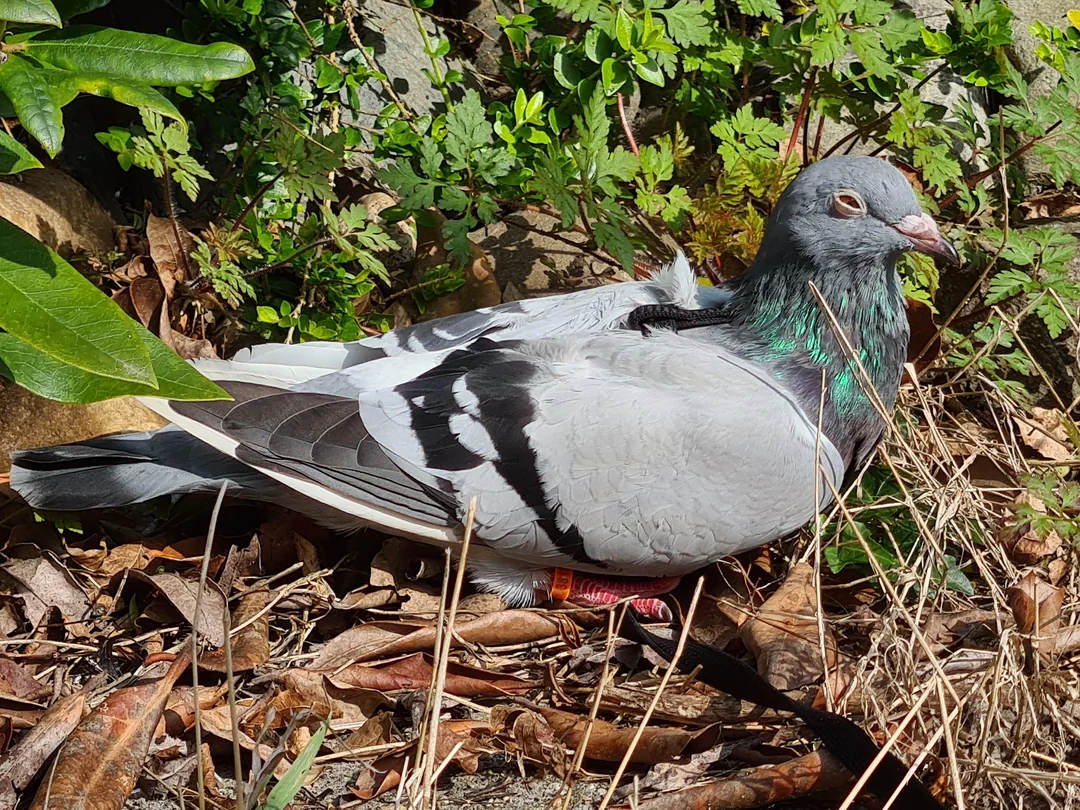
Pigeon Breeding Guide | Complete Beginner Guide
Breeding pigeons can be one of the most rewarding parts of raising these birds. If you are new to pigeon keeping, a pigeon breeding guide can help you understand the basics and avoid common mistakes. From my own experience, knowing how to care for your birds and how to manage breeding pairs makes a huge difference in keeping them healthy and happy.
Pigeon breeding is not just about letting birds mate. It is about giving them the right environment, food, and attention so they can raise strong, healthy chicks. When you understand their needs, you can enjoy watching them build nests, lay eggs, and care for their young. It is a hands-on process, and being patient and observant is key.
Many new pigeon owners are excited about breeding, but without proper guidance, things can go wrong. Eggs may not hatch, chicks can be weak, and birds can get stressed. That is why a clear pigeon breeding guide is important. It shows you what to expect, how to set up a breeding loft, and how to care for both the adult pigeons and their babies.
Breeding pigeons also helps you learn their behavior better. You start noticing small details like how a male shows off to a female or how a female chooses her nesting spot. These little signs help you pair birds successfully and reduce stress for both the parents and the chicks.
If you are serious about keeping pigeons, understanding breeding is a big step. It not only increases your knowledge of pigeon behavior but also improves your birds’ overall health. A strong breeding program can help prevent problems like pigeon diseases and ensure your loft is full of happy, active birds.
Next, we will go deeper into how to set up breeding pairs, prepare nests, and care for your pigeons during the breeding season. This is where practical tips from someone who actually raises pigeons make a real difference.
Breeding pigeons can be one of the most rewarding parts of raising these birds. If you are new to pigeon keeping, a pigeon breeding guide can help you understand the basics and avoid common mistakes. From my own experience, knowing how to care for your birds and how to manage breeding pairs makes a huge difference in keeping them healthy and happy.
Pigeon breeding is not just about letting birds mate. It is about giving them the right environment, food, and attention so they can raise strong, healthy chicks. When you understand their needs, you can enjoy watching them build nests, lay eggs, and care for their young. It is a hands-on process, and being patient and observant is key.
Many new pigeon owners are excited about breeding, but without proper guidance, things can go wrong. Eggs may not hatch, chicks can be weak, and birds can get stressed. That is why a clear pigeon breeding guide is important. It shows you what to expect, how to set up a breeding loft, and how to care for both the adult pigeons and their babies.
Breeding pigeons also helps you learn their behavior better. You start noticing small details like how a male shows off to a female or how a female chooses her nesting spot. These little signs help you pair birds successfully and reduce stress for both the parents and the chicks.
If you are serious about keeping pigeons, understanding breeding is a big step. It not only increases your knowledge of pigeon behavior but also improves your birds’ overall health. A strong breeding program can help prevent problems like pigeon diseases and ensure your loft is full of happy, active birds.
Next, we will go deeper into how to set up breeding pairs, prepare nests, and care for your pigeons during the breeding season. This is where practical tips from someone who actually raises pigeons make a real difference.
Practical Tips for Breeding Pigeons
Observe Your Birds Daily
Spending time watching your pigeons helps you notice problems early. I look for changes in eating habits, unusual behavior, or signs of illness. This helps prevent pigeon diseases before they spread.
Keep the Loft Clean
A clean loft is essential. I remove droppings and old bedding regularly. Wet or dirty nesting boxes can harm chicks and stress the parents. Simple cleaning each week makes a big difference.
Provide Enough Food and Water
During breeding, pigeons need more energy. I make sure both adults and chicks have constant access to fresh water and quality grains. I also give supplements like grit and calcium to support strong eggs and healthy chicks.
Separate Aggressive Birds
Sometimes pigeons fight. Males can be aggressive, especially when space is limited. I separate aggressive birds into their own area until they calm down. This prevents injuries and keeps the breeding program running smoothly.
Be Patient
Breeding pigeons takes time. Some pairs may not lay eggs immediately, or chicks may take longer to grow. Patience and careful observation are key. I rarely rush the process and let the birds follow their natural routine.
Common Mistakes to Avoid
Using Unhealthy Birds
Weak or sick pigeons should not breed. Using them can lead to poor hatch rates and weak chicks. Always choose strong, healthy pairs.
Disturbing the Nest Too Often
Handling eggs or chicks too much can stress the parents. I only check on nests when necessary and keep it brief.
Overcrowding the Loft
Too many pigeons in a small space can cause fights and disease. Make sure each pair has enough room and their own nesting box.
Ignoring Nutrition
Poor diet leads to weak eggs and sick chicks. I prioritize feeding during the breeding season and adjust grain and supplement amounts as needed.
Neglecting Observation
Not watching your pigeons closely can make small problems turn into big issues. I spend a few minutes daily noting behavior, feeding, and overall health.
By following these tips and avoiding these common mistakes, breeding pigeons becomes much easier and more successful. You get healthier chicks, stronger adults, and a happier loft overall.
FAQ
How can I tell if my pigeons are ready to breed
Males usually strut, coo, and puff up their chests to attract females. Females respond by spending time near the nesting area. A healthy appetite, active behavior, and clean feathers are also good signs that they are ready.
How long do pigeon eggs take to hatch
Typically, pigeon eggs hatch in 17 to 19 days. Both parents take turns incubating the eggs. I check the nest carefully without disturbing them to make sure everything looks normal.
What should I feed breeding pigeons?
During breeding, I feed a mix of grains, including corn, peas, and wheat, along with pigeon pellets. Supplements like calcium and grit are important for strong eggshells and healthy chicks. Fresh water must always be available.
What do I do if the parents are not feeding the chicks
Sometimes, first-time parents need help. I use a small spoon to feed crop milk or a soft mash to the chicks until the parents start feeding them. I always make sure to avoid overfeeding and keep the chicks warm.
How can I prevent diseases during breeding
Cleanliness is key. I remove droppings, keep water fresh, and disinfect nesting boxes when needed. Regular observation helps me catch signs of illness early. Separating sick birds quickly prevents disease from spreading.
These questions cover the most common issues I see in my loft. Paying attention to these details makes breeding easier and more successful.
Conclusion
Breeding pigeons can be a very rewarding part of raising these birds. With the right setup, healthy pairs, proper nutrition, and careful observation, you can raise strong and happy chicks. A clean loft, enough space, and good nesting materials make a big difference in their success.
Patience and attention to detail are key. By avoiding common mistakes like overcrowding, disturbing nests too much, or using unhealthy birds, you give your pigeons the best chance to thrive. Watching your pigeons build nests, care for their eggs, and feed their chicks is one of the most satisfying experiences for any pig. A practical pigeon-breeding
Following a practical pigeon-breeding guide helps reduce stress in birds, and it helps you through the process. Over time, you will better understand pigeon behavior, feeding needs, and overall care, making your loft a safe and happy home for your birds.
With care, patience, and observation, breeding pigeons becomes a joyful and successful part of keeping these wonderful birds.
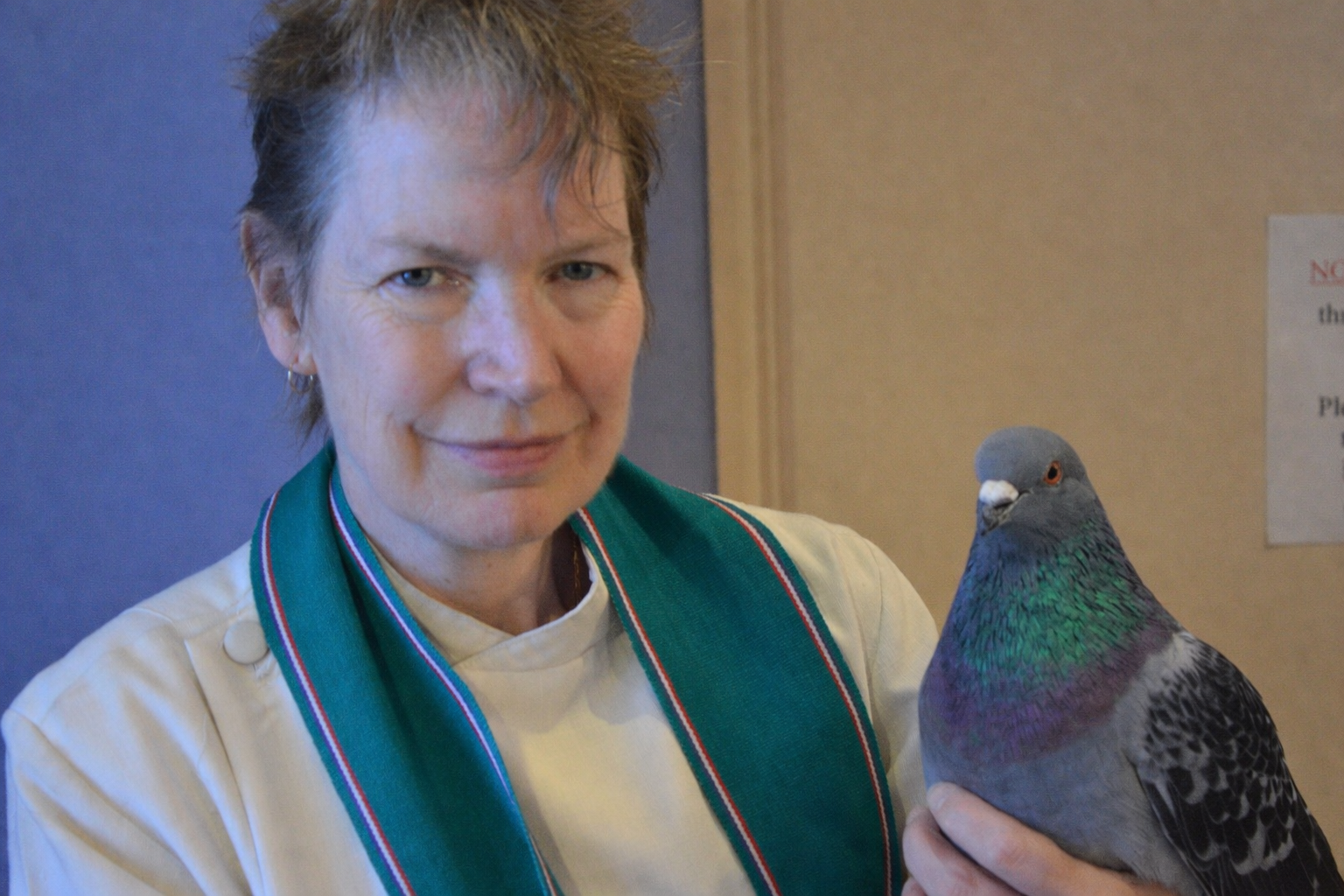
Barbara Allen is a writer and chaplain at Lort Smith Animal Hospital in Melbourne, Australia. She is the author of the book Pigeon, which explores the cultural and historical relationship between humans and pigeons. Allen has also written the picture book I Was There and contributed to publications such as Peace of Mind and Uniting Church Studies.
One Comment