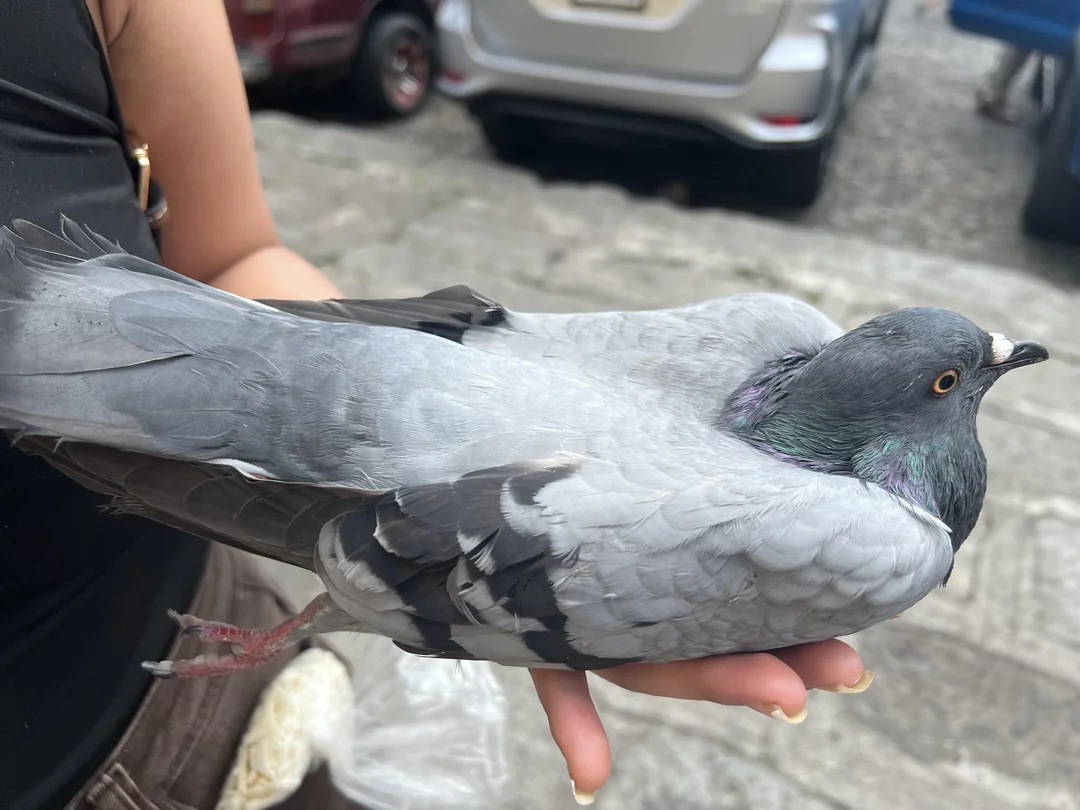
Female vs Male Pigeons | Key Differences Guide
If you keep pigeons, one of the first things you notice is that not all pigeons look or act the same. Understanding the difference between female and male pigeons can save you a lot of time and confusion. When you know how to tell them apart, you can manage breeding, feeding, and even daily care much better.
Pigeon owners often struggle with this at the start. Young pigeons can look almost identical, and guessing their gender by sight alone can lead to mistakes. I have raised pigeons for years, and I can tell you from experience that watching their behavior is usually more reliable than just looking at them.
Knowing the difference between female and male pigeons is important for several reasons. If you are planning to breed, you need to know which birds are males and which are females. Males tend to be more dominant and will often try to court females, while females are generally more reserved. Understanding this behavior will help you pair your birds correctly and avoid fights in your loft.
Even outside breeding, knowing their gender can help with everyday care. Males and females may eat slightly differently, react differently to handling, and sometimes even show different signs when they are sick. For anyone who wants to keep pigeons healthy and happy, these details matter.
In this guide, I will share simple, practical ways to tell male and female pigeons apart, based on real experience. You do not need fancy tools or complicated methods. With a little observation and patience, you can quickly learn the signs that separate males from females.
I will also share tips on caring for both genders so your pigeons stay healthy, well-fed, and safe. Along the way, I will mention related topics that help you understand your birds better, like what pigeons eat, pigeon behavior, and even pigeon diseases.
Understanding the basics of female vs male pigeons is the first step to becoming a confident pigeon keeper. Once you know the differences, managing your loft and enjoying your birds becomes much easier.
How to Tell Female vs Male Pigeons
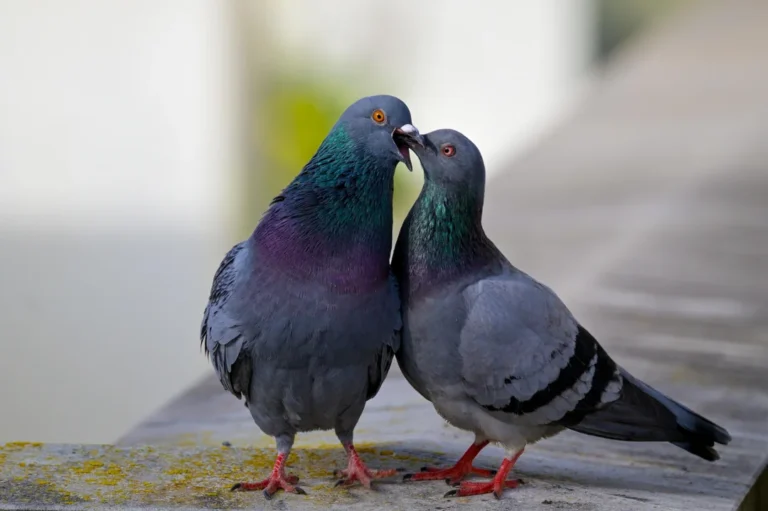
The easiest way to start is by watching their behavior. Males are usually bolder and more active. They puff up their chest, strut, and coo loudly to attract a female. You might notice a male walking in circles around a female or bowing his head while cooing. Females tend to stay calmer and may watch the males without much movement.
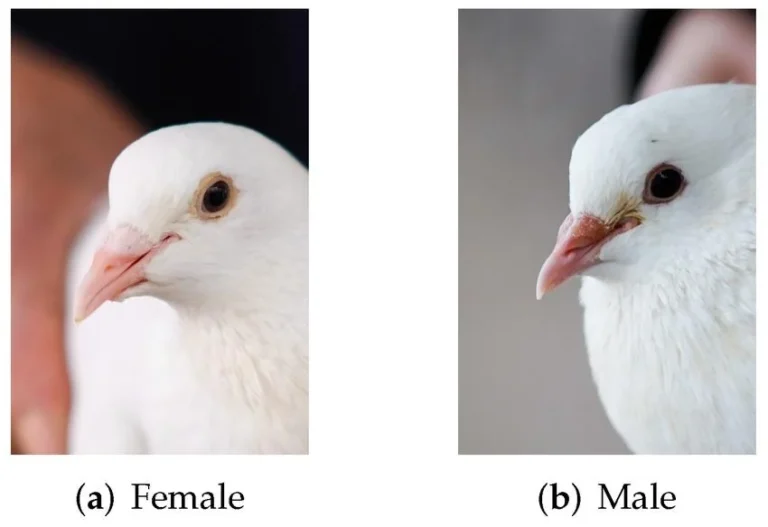
Another way to tell female vs male pigeons is by size. Males are often slightly bigger and stronger, with broader chests and thicker necks. Females usually have a smaller, more streamlined body. These differences are subtle, but once you spend time observing your birds, they become obvious.
Feather patterns can sometimes help, but they are not always reliable. Some pigeons look nearly identical, so relying only on color or markings is not enough. Behavior and size are usually more accurate indicators.
When handling your pigeons, males may be more resistant to being picked up than females. This is not aggression but natural confidence. Females are usually easier to hold and calmer when you touch them. Over time, you can get a feel for their personalities, which often matches their gender.
If you are pairing pigeons for breeding, knowing which are female and which are male is essential. Males will perform a courtship display, including bowing, cooing, and sometimes even offering food to the female. Females respond by accepting the male or moving away if they are not ready. Carefully observing these interactions will help you pair compatible birds, reducing stress and potential fights in your loft.
Feeding habits can also differ slightly. Males often eat a bit more during the breeding season to keep their energy up for courtship displays. Females may prefer quieter spots to eat and drink, especially when nesting. Keeping an eye on these habits can help you adjust the placement of food and water in your loft.
Health signs can also vary. Both genders need clean water, balanced feed, and a clean environment, but males may show stress differently. For example, a male may become aggressive or restless if something is wrong, while a female may become quieter or hide. Understanding these differences can help you catch health issues early, which is why knowing the gender of your pigeons matters for overall care.
Observing your pigeons daily is key to understanding the differences between male and female pigeons. Even small details, like how they coo, interact, and perch, will give you clues. Over time, this experience will make you confident in identifying each bird without guessing.
Tips and Common Mistakes When Identifying Female vs Male Pigeons
Even with experience, many pigeon keepers make mistakes when trying to tell female vs male pigeons. Here are some practical tips and common pitfalls to avoid based on years of hands-on experience.
Watch Behavior Carefully
One of the biggest mistakes beginners make is relying only on size or color. Young pigeons can look almost identical, so behavior is often the best clue. Spend time observing how they move, perch, and interact. Males usually show dominance by cooing, strutting, and circling females. Females tend to be calmer and may respond gently or move away.
Handle with Care
Another mistake is picking up pigeons too quickly to check their gender. This can stress the birds and make them act differently. When you handle them gently, you will naturally notice differences. Males may resist more, while females are often calmer. Avoid forcing them, and give them time to relax in your hands.
Avoid Relying on Feather Patterns
Feather color or patterns are not reliable indicators of gender. Many pigeons, especially domestics, have very similar markings across males and females. While some experienced keepers notice subtle differences, it is better to focus on behavior, size, and posture.
Give Birds Time
It can take weeks to confidently identify female vs male pigeons, especially in young birds. Don’t rush it. Watching them over time during feeding, flying, and mating season will give you the clearest answers. Patience pays off and reduces mistakes.
Keep Related Pigeon Topics in Mind
Learning about related topics in pigeon care will also help. Understanding what pigeons eat can improve their energy levels and behavior, making gender signals more obvious. Knowing pigeon behavior in general helps you notice courtship and dominance patterns. Reading about pigeon diseases helps you distinguish between sickness and normal gender differences in behavior.
Keep Notes
Many experienced keepers write down observations for each bird. This can include notes on size, personality, and how they interact with others. Over time, this record helps you track breeding pairs and notice subtle differences between males and females.
By avoiding these common mistakes and following simple observation tips, you will quickly become confident at identifying female vs male pigeons. You will also be able to manage your loft more effectively, keep your pigeons healthy, and enjoy their unique personalities.
FAQ About Female vs Male Pigeons
How can I tell a young pigeon’s gender?
Young pigeons, called squabs or juveniles, can be tricky because they look almost identical. The best way is to watch their behavior as they grow. Males usually start cooing and showing dominance before females. Size differences become clearer as they mature, and you can often see which birds are more confident or active.
Do males and females eat differently?
Yes, there can be slight differences. Males may eat more during the breeding season because they need extra energy for courtship displays. Females sometimes prefer quieter areas to eat, especially when nesting. Providing plenty of food and fresh water for all pigeons is important, and placing feeders in multiple spots can reduce competition.
Can feather patterns show gender?
Feather patterns alone are not reliable. Some pigeons have identical markings regardless of gender. Behavior, size, and posture are more accurate indicators than color. Observing how pigeons interact over time is a much better method.
When do pigeons start showing gender-specific behavior?
Typically, pigeons start showing clear gender behavior around 4 to 6 months old. Males will start strutting, bowing, and cooing to attract females. Females will respond more passively. Watching them daily helps you notice these patterns and confidently identify their gender.
Is it safe to handle pigeons to check their gender?
Yes, but it should be done gently. Avoid forcing them or picking them up roughly. Males may resist more, while females are often calmer. Gentle handling over time will allow you to notice size, posture, and personality differences without stressing the birds.
Conclusion
Knowing the difference between female and male pigeons makes caring for your birds much easier. From breeding to feeding and daily handling, understanding their behavior and size helps you make better decisions in your loft. Males are usually bolder, coo more, and show courtship behavior, while females are calmer and more reserved. Observing your pigeons daily, handling them gently, and taking notes will make identifying each bird simple over time.
Remember that behavior, size, and personality are more reliable than color or feather patterns. Patience is key, especially with young pigeons. Give them time to grow and show their natural traits.
Taking the time to learn these differences not only helps with breeding and management, but it also strengthens your bond with your birds. You will enjoy watching their unique personalities and seeing your loft run smoothly.
For more tips, you can explore related topics like what pigeons eat, pigeon behavior, pigeon diseases, and the pigeon breeding guide. Understanding these areas will make you a confident and successful pigeon keeper.

Barbara Allen is a writer and chaplain at Lort Smith Animal Hospital in Melbourne, Australia. She is the author of the book Pigeon, which explores the cultural and historical relationship between humans and pigeons. Allen has also written the picture book I Was There and contributed to publications such as Peace of Mind and Uniting Church Studies.