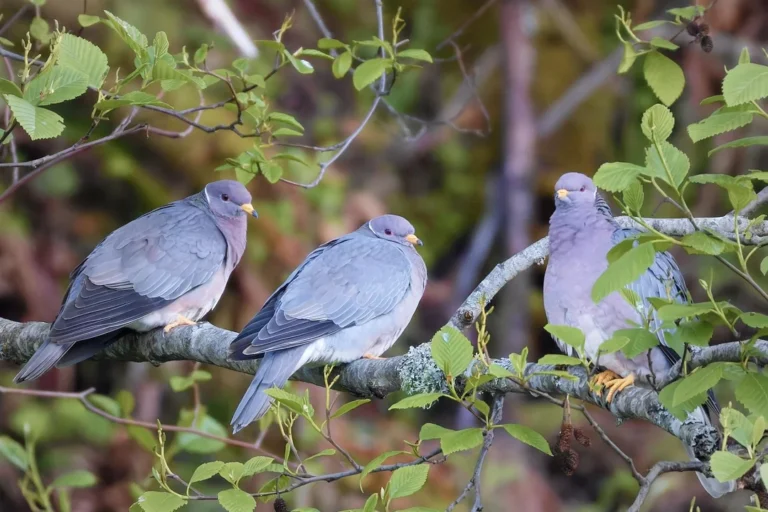

How to Tell Pigeon Gender | Male vs Female Guide
Knowing your pigeons’ genders is important if you raise them. Many people want to know how to tell a pigeon’s gender because it helps with breeding, caring for them, and understanding their behaviour. I have raised pigeons for years, and I have learned a few simple ways to tell if a pigeon is male or female without needing expensive tests.
Pigeons may look very similar at first. Both males and females have smooth feathers, round bodies, and gentle eyes. This can make it confusing for beginners. But once you spend time observing them, you start to notice subtle differences that make it easier to identify their gender.
Understanding your pigeon’s gender is helpful for several reasons. If you want to breed pigeons, you need to know which birds are male and which are female. Males and females behave differently. Males are often more active and can be protective of the loft. Females usually focus on nesting and caring for the young. Knowing the gender also helps when pairing pigeons. You can prevent fights and create strong breeding pairs.
Knowing a pigeon’s gender also matters for daily care. Males and females sometimes eat slightly different amounts, especially when a female is laying eggs. You can watch your pigeons to notice these patterns, which can help with feeding routines. It also makes your interaction with them more rewarding. You will recognize who is more outgoing, who is calmer, and how they communicate with each other.
Some beginners try to guess the gender by size alone, but that can be misleading. There are simple signs and behaviours to observe that make it much easier. Over time, you will notice how male pigeons strut, coo loudly, and show off their chest, while females often stay more reserved. I will explain all of this in detail, step by step, so you can confidently identify your pigeon’s gender.
If you are raising young pigeons or planning to start breeding, learning how to tell pigeon gender is one of the first skills you need. Once you get it right, everything from feeding to pairing birds becomes much easier. It also makes caring for your pigeons more enjoyable because you can understand their habits and personalities.
How to Tell Pigeon Gender: Main Signs and Tips
The easiest way to start is by watching your pigeons closely. Males usually have a bolder personality. They strut around the loft, puff out their chest, and coo loudly to show off. Females are calmer. They often stay near the nesting area and move more quietly. Watching these behaviours over a few days gives you a good first clue.
Physical Differences to Look For
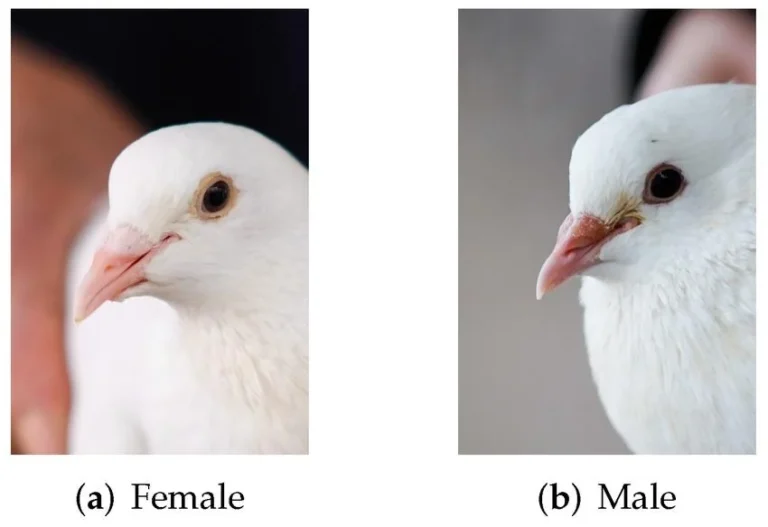
While male and female pigeons look very similar, there are subtle physical differences. Males are often slightly larger with thicker necks. Their head may appear rounder, and their eyes sometimes look sharper or more alert. Females tend to have a slimmer body and softer features. You might need to observe a few pigeons at once to compare and notice the differences.
Another tip is to watch how they move. Males often walk with a confident, almost proud step. They can bob their heads when they walk. Females walk more cautiously and often stay close to other pigeons or the nesting area.
Watching Breeding Behaviour
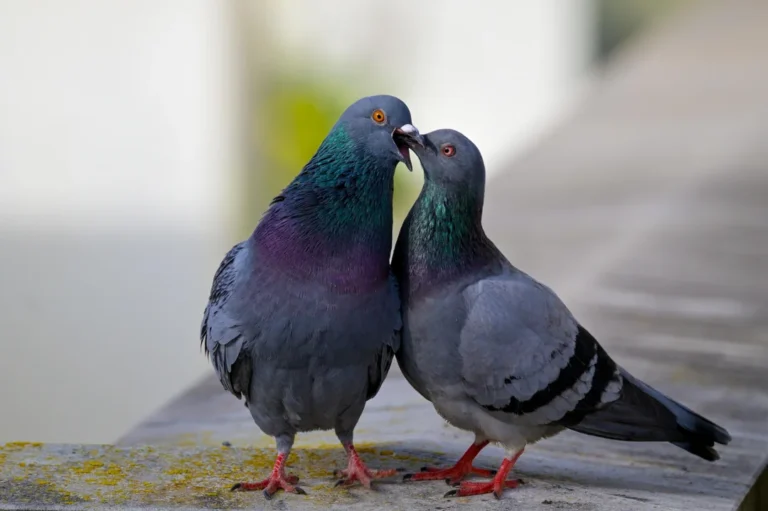
If you have a pair of pigeons, observing breeding behaviour is one of the most reliable ways to tell the gender of a pigeon. Males will court females by strutting, cooing, and even offering food. They try to impress the female and may circle her while puffing up their chest. Females usually respond by sitting quietly and allowing the male to approach. Once the female starts nesting or laying eggs, it becomes very clear which pigeon is female.
Using Vent Sexing
For experienced pigeon keepers, vent sexing is another method. It involves gently feeling the pelvic bones near the vent. In females, the bones are slightly wider to allow egg-laying, while in males, the bones are closer together. This method should be done carefully to avoid stressing the birds. It works best for adult pigeons and should be practiced only after observing their behaviour and our physical traits first.
Tips From My Experience
Spend time with your pigeons every day. Watch how they eat, move, and interact. Keep notes if necessary. Over time, you will begin to recognize which birds are male and which are female without relying solely on vent sexing. Patience is key. Young pigeons can be especially tricky because their features are not fully developed yet.
Also, consider their cooing patterns. Males often coo more frequently, especially when trying to attract a mate. Females coo less and sometimes respond only when approached by a male.
Observing behaviour, physical features, and cooing patterns together will yield the best results. You do not need expensive tools or tests to figure out your pigeon’s gender if you take the time to watch them carefully.
Tips and Common Mistakes When Telling Pigeon Gender
Even with experience, beginners often make mistakes when trying to tell pigeon gender. I have seen many keepers get confused, especially with young pigeons or pigeons that are very similar in size. Here are some practical tips and common errors to avoid.
Watch, Do Not Guess
One of the biggest mistakes is guessing based only on size or colour. Some pigeons may look bigger or bolder, but that does not always mean they are male. Always observe behaviour over several days. Look for how they move, coo, and interact with other pigeons.
Avoid Stressing Your Birds
Trying to handle pigeons too much to check their gender can stress them out. Young pigeons are particularly sensitive. If you need to examine their pelvic bones, do so gently and for only a short time. Make sure the birds are calm and used to being handled before trying vent sexing.
Compare Multiple Birds
If you have more than one pigeon, comparing them side by side helps a lot. Males usually appear bolder and larger when placed next to females. You can also see behavioural differences more clearly. Identifying gender in a single pigeon without a reference can be tricky.
Observe Breeding and Nesting
Breed behaviour is one of the most reliable ways to identify gender. If your pigeons are pairing up, watch who is building the nest and who is displaying courtship behaviour. The female usually spends more time sitting in the nest, while the male works to impress her and guard the area.
Be Patient With Young Pigeons
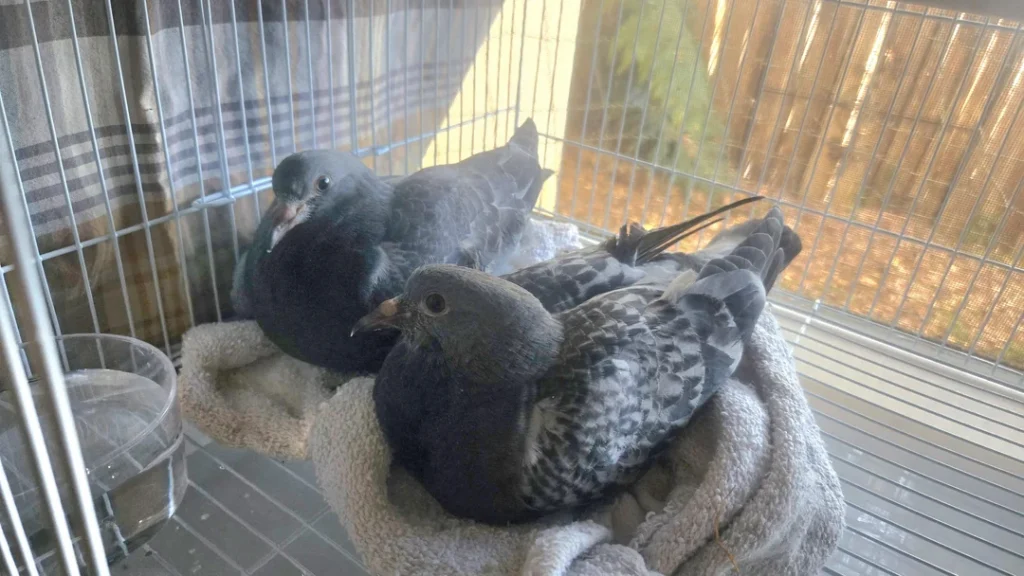
Young pigeons, or squabs, do not show clear gender signs until they are several weeks old. Trying to tell their gender too early can lead to mistakes. Wait until they start growing their adult feathers and showing behaviours such as cooing, strutting, or nesting tendencies.
Keep Notes
If you are raising multiple pigeons, keeping simple notes helps. Write down which pigeons show strutting, cooing, or nesting behaviour. This way, you can track patterns and be more confident in your gender identification.
Extra Care Tips
While observing your pigeons, make sure they are healthy. Healthy pigeons display their natural behaviours more clearly. Check their diet and water regularly, and watch for signs of pigeon diseases or stress. Healthy birds are easier to sex and enjoy a better quality of life. You can also link this to learning about what pigeons eat or common pigeon diseases for a more complete care routine.
By avoiding these common mistakes and following these tips, identifying your pigeon’s gender becomes much easier and more accurate. Patience and observation are the keys to success.
FAQ About How to Tell a Pigeon’s Gender
Here are some common questions I get from people who raise pigeons, along with practical answers from my experience.
How early can I tell a pigeon’s gender?
Young pigeons are tricky. Usually, you need to wait until they are about 6 to 8 weeks old. By then, their adult feathers start coming in, and behaviours like strutting or cooing begin to show. Before this, it was easy to make mistakes.
Can I tell gender by colour??
Not really. Most pigeons have similar colours in males and females. Some breeds may exhibit subtle colour differences, but relying solely on colour is unreliable. Behaviour and physical traits are much better indicators.
Is vent sexing safe for beginners?
It can be, but only if done carefully. Beginners should first get comfortable handling pigeons and learn to be gentle with them. The bones near the vent are delicate, and stressing the bird can cause injury. I recommend using vent sexing only after observing behaviour and physical differences first.
Do male pigeons always coo more than females?
Yes, generally. Males use cooing to attract a mate and show dominance. Females coo less often and respond more than initiate. However, every pigeon has a unique personality, so there are exceptions...
Can two males or two females live together peacefully?
They can, but males may fight if there is not enough space or if they feel territorial. Pairing a male and female is usually easier for breeding and loft harmony. Observing pigeon behaviour helps you manage group dynamics and prevent conflicts.
These FAQs cover the questions most pigeon keepers ask when trying to identify. Observing behaviour, comparing physical traits, and being patient are the best strategies. You will improve with experience and soon be able to tell pigeon gender quickly and confidently.
Conclusion
Learning how to tell pigeon gender takes time and observation, but it is very rewarding. By observing behaviour, noting physical traits, and paying attention to cooing and nesting patterns, you can confidently identify males and females.
Patience is key, especially with young pigeons. Do not rush the process or rely on guesses. Spend time with your pigeons every day, watch how they interact, and take notes if needed. Over time, you will start to recognize the subtle differences that make males and females distinct.
Understanding gender also makes caring for your pigeons easier. It helps with feeding, breeding, and managing your loft. You will know which pigeons are more outgoing, which enjoy nesting, and how to pair them effectively. Observing these patterns also keeps your birds healthier, as they can provide the right environment for their natural behaviours.
Remember to avoid common mistakes like relying only on size or colour, stressing your birds, or trying to sex them too early. Instead, focus on gentle observation and learning from their natural habits. This approach keeps your pigeons calm and happy while giving you the information you need.
If you want to go further, you can explore related topics such as what pigeons eat, pigeon breeding guide, pigeon diseases, and pigeon behaviour. These guides will help you become a more experienced and confident pigeon keeper.
With practice and attention, telling a pigeon’s gender becomes second nature, and caring for your flock becomes more enjoyable. Your pigeons will thrive, and you will enjoy every moment of raising them.
Barbara Allen is a writer and chaplain at Lort Smith Animal Hospital in Melbourne, Australia. She is the author of the book Pigeon, which explores the cultural and historical relationship between humans and pigeons. Allen has also written the picture book I Was There and contributed to publications such as Peace of Mind and Uniting Church Studies.