How to Tell if a Pigeon Is Male or Female | Easy Guide
If you are raising pigeons, one of the first questions you might ask is how to tell if a pigeon is male or female. At first, it can be confusing because male and female pigeons look very similar. Knowing the difference matters, especially if you want to breed pigeons, plan your loft, or better understand your birds.
I have raised pigeons for several years, and I have learned that identifying a pigeon’s sex is not always about a single sign. It involves observing their Behaviour, examining their bodies, and paying attention to how they interact with other pigeons. When you know how to tell if a pigeon is male or female, it becomes much easier to care for your birds and avoid mistakes in breeding.
Male pigeons, also called cocks, are usually more confident and active. They often show off by cooing loudly, puffing out their chests, and walking proudly. Female pigeons, called hens, are usually calmer. They may coo softly and stay more reserved, especially around other pigeons. Watching these behaviors over time will help you recognize which pigeon is male and which is female.
This topic is important for all pigeon owners. If you plan to breed, knowing your pigeons’ sexes will help you pair them correctly. Even if you are not breeding, understanding whether a pigeon is male or female can help you manage its Behavior in your loft. You will notice males competing, showing dominance, or performing courtship displays, while females may be more nurturing and careful with nests.
Later, I will share practical ways to tell male and female pigeons apart, with examples from my own experience. I will also give tips on what to watch for in their Behavior, how their bodies differ, and mistakes to avoid as a beginner.
Observing Behavior
One of the first ways I tell if a pigeon is male or female is by watching how they act. Male pigeons are usually more confident. They walk around with their chest puffed out and coo loudly. If you see a pigeon strutting in front of others or bowing its head while cooing, it is most likely a male.
Female pigeons are calmer. They usually stay back and observe. Their cooing is softer, and they do not show off as much. When you watch your birds for several days, you can start to notice these patterns.
Physical Differences
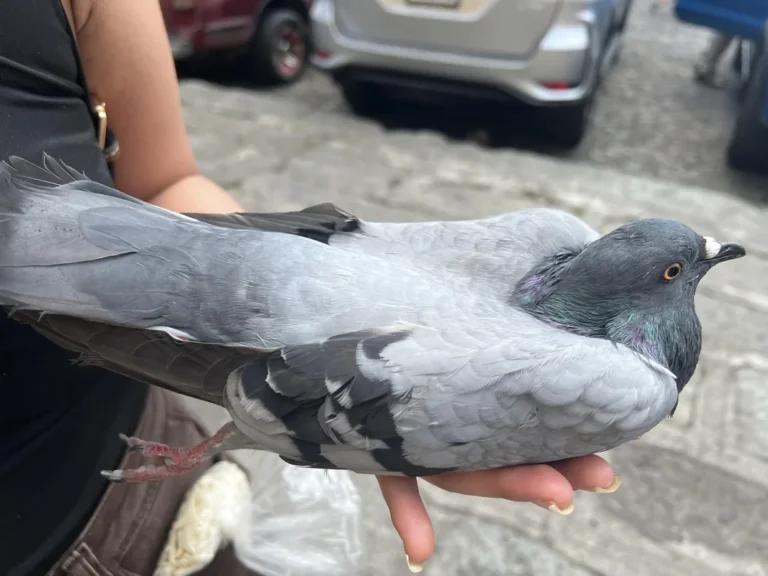
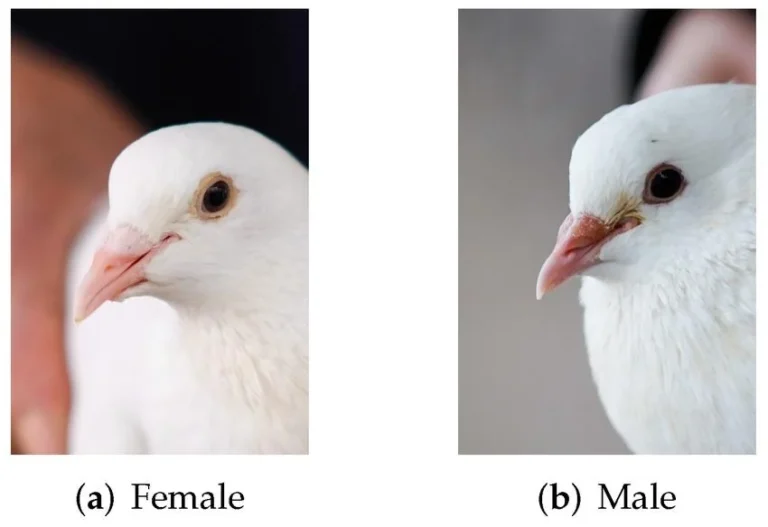
While males and females look very similar, there are subtle differences in their bodies. Males are often slightly larger with a rounder chest. Their heads may be a little bigger, too. Females tend to be smaller and have a slimmer body shape. These differences are easier to see once you handle your pigeons regularly and know them individually.
Courtship and Pairing
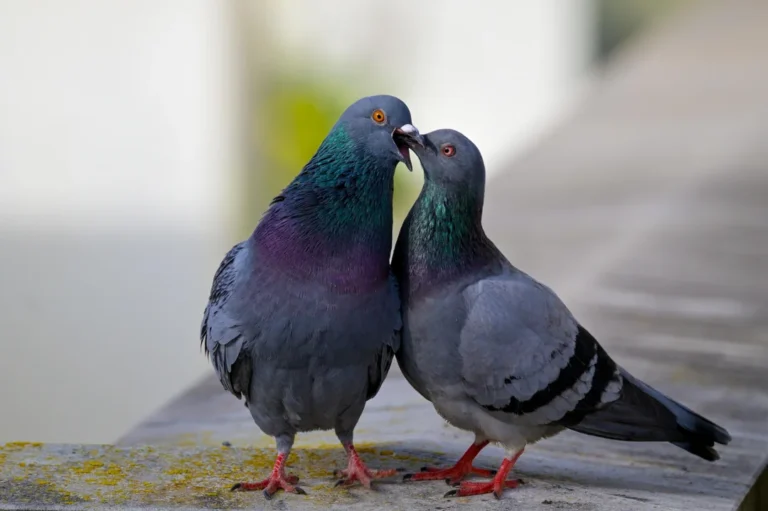
If you are planning to breed pigeons, watching Courtship is very helpful. Males often feed the female by regurgitating food, a behaviour called “billing.” They may also circle the female and perform bowing dances. Females respond by allowing the male to approach and sometimes by cooing softly. Observing these behaviours can give you a clear idea of which pigeons are male and which are female without handling them.
Handling for Confirmation
Experienced pigeon keepers sometimes gently check the pelvic bones to confirm the sex. Female pigeons have a slightly wider spacing between the pelvic bones to allow egg-laying. Males have a narrower spacing. This method requires care and experience, so if you are a beginner, it is better to rely on behaviour and size differences first.
Practical Advice
When I started raising pigeons, I relied mostly on observation. I would watch them during feeding, resting, and flying. Over time, I could recognise individual males and females without any doubt. Handling is helpful but not always necessary if you pay attention to daily Behaviour.
To make your observations more accurate, keep a small notebook. Write down each pigeon’s Behavior and interactions. Over a few weeks, patterns become clear.
Knowing how to tell if a pigeon is male or female will also help you avoid common problems like overcrowding males together, which can lead to fighting, or placing a female alone without a mate, which can cause stress.
Daily Signs to Watch
One of the most useful ways to tell whether a pigeon is male or female is to observe it every day. Males often show off when they are around other pigeons. They will strut, coo loudly, and puff up their chest. Sometimes they even chase other males or perform little dances to attract a female.
Females are usually calmer. They tend to stay back, watch, and coo softly. They may not show off as much, but when a male approaches, they will coo and move closer. Paying attention to these differences over a few days or weeks will give you a clear picture of which bird is male and which is female.
Size and Shape Differences
Males are usually slightly bigger and stronger-looking. Their chest is rounder, and their head may look a bit larger. Females are often smaller and slimmer. These differences can be subtle at first, but once you handle your pigeons regularly, you will start to notice them.
When I first started raising pigeons, I would compare birds side by side. After a while, it became easy to spot males and females just by looking at them.
Courtship Behavior
Courtship is another clear indicator. Male pigeons often feed the female by regurgitating food. This is called “billing.” Males may also bow, circle, and coo while approaching a female. Females usually respond by allowing the male to get close, cooing softly, or sitting calmly.
Watching your pigeons during these moments is a practical way to tell their sex without having to handle them. This is especially helpful if you are planning to breed and want to pair them correctly.
Handling for Confirmation
If you want to be more certain, you can check it gently. Wise pigeons have a sPigeons wider spacing to allow egg-laying, while males have a narrower spacing. This method requires experience, so beginners should focus on observing the Behavior’s size first.
When I handle pigeons, I do it slowly and carefully. Stressing the bird can affect their health, so always be gentle. Over time, you will learn to combine observation and careful handling to identify each bird confidently.
Practical Tips from My Loft
Keeping a small notebook helps. I record each pigeon’s Behavior and interactions. After a few weeks, the patterns are very clear. You will also notice that males may become competitive if kept together without females, while females are more nurturing, especially if they have a nest.
Observing these signs not only helps you identify sex but also improves your overall understanding of pigeon behaviour. It can prevent fights, stress, and mistakes when setting up your loft.
Related Topics to Explore
Once you are confident in identifying males and females, you can also look into related topics like what pigeons eat, pigeon breeding guide, pigeon diseases, and pigeon behaviour. These will help you raise healthy and happy pigeons.
Tips and Common Mistakes When Telling Pigeon Sex
Tips from My Experience
Over the years, I have learned a few practical tips that make it much easier to tell if a pigeon is male or female:
Observe Often: Spend time in your loft every day. Watch how pigeons walk, coo, and interact. Males are more likely to strut and show off, while females are calmer. The more you watch, the easier it gets to recognise patterns.
Compare Birds Side by Side: When you have several pigeons, compare them next to each other. Look at their size, chest shape, and head size. Subtle differences become clear when you have birds for comparison.
Pay Attention to Courtship: During the breeding season, males perform obvious courtship behaviours: they puff up, circle, coo, and even feed females. Females respond by being receptive but calm. Observing these moments is one of the most reliable ways to tell their sex.
Take Notes: I keep a notebook for each bird. I write down Behavior and interactions. After a few weeks, I can identify males and females without a doubt. This is especially useful if you are managing a larger loft.
Be Gentle When Handling: If you check the pelvis bones to confirm sex, always handle birds carefully. Stress can affect a pigeon’s Behavior. Do this if you are confident and experienced.
Common Mistakes Beginners Make
Relying Only on Size: Beginners often think the biggest bird is the male. Size alone can be misleading, especially with young pigeons or breeds that do not show clear size differences. Always combine size with Behavior.
Assuming Behavior is the Same for All Birds: Not every male puffs up or coos loudly, and some females may be more active. Watch birds over time instead of making a quick judgment.
Ignoring Courtship: Courtship behaviours are the first sign of sex, but beginners often miss them. Pay attention to how pigeons interact during the breeding season.
Handling Too Roughly: Some people try to force the pelvis check or hold the bird tightly. This can hurt the pigeon and cause stress. Gentle handling is always best.
Confusing Juveniles with Adults: Young pigeons may not yet show obvious male or female traits. Be patient and wait until they mature before making conclusions.
Practical Advice
From my experience, combining observation, size comparison, and courtship behavior works best. A pelvic check can help confirm your observations, but it should not be your first choice. By following these tips, you can accurately identify males and females, avoid fights in your loft, and prepare for breeding if you choose.
FAQ About Telling If a Pigeon is Male or Female
Can I tell a pigeon’s sex just by looking at its feathers?
Feathers alone usually do not tell you if a pigeon is male or female. Both sexes often look very similar in colour and pattern. It is better to watch behavior and courtship actions to determine their sex accurately.
At what age can I tell if a pigeon is male or female?
Young pigeons may not show clear differences until they are about four to six months old. Males will start puffing their chests, cooing loudly, and performing courtship behaviours around that time. Patience is key.
Is it safe to check the pelvis to confirm sex?
Yes, but only if you handle the pigeon gently and know what you are doing. Female pigeons have slightly wider pelvic spacing for egg-laying, while males have narrower pelvic spacing. Beginners should rely on Behaviourze first before trying this method.
Can two males or two females live together without problems?
Two females usually live together without much conflict. Two males may fight, especially if no females are around. Observing Behavior helps prevent stress and injuries in your loft.
Do all males puff up and strut?
Not all males show the same level of display. Some are quieter or less confident. That is why it is important to observe pigeons over time and combine multiple signs to tell if a pigeon is male or female.
Conclusion
Knowing how to tell if a pigeon is male or female is one of the most important skills for any pigeon keeper. It helps with breeding, loft management, and understanding your birds’ Behavior. In my experience, the best approach is to combine careful observation, attention to size and body shape, and observation of courtship behaviors.
Males are usually more confident, coo loudly, puff up their chest, and show off. Females are calmer and smaller, and they respond to males during Courtship. Courtship or pelvic checks can confirm the sex, but should be done gently and only if you are confident.
Avoid common mistakes such as relying solely on size, misjudging Behavior, and rough handling. Take notes, watch your pigeons regularly, and be patient. Over time, easily rerecognizeirds as male and female.
Once you are comfortable identifying sexes, you can also explore related pigeon topics such as what pigeons eat, pigeon breeding guide, pigeon diseases, and pigeon behavior. These will help you raise healthy, happy pigeons and enjoy the experience even more.
By paying attention and learning from experience, you will become confident in caring for your pigeons and managing your loft effectively.
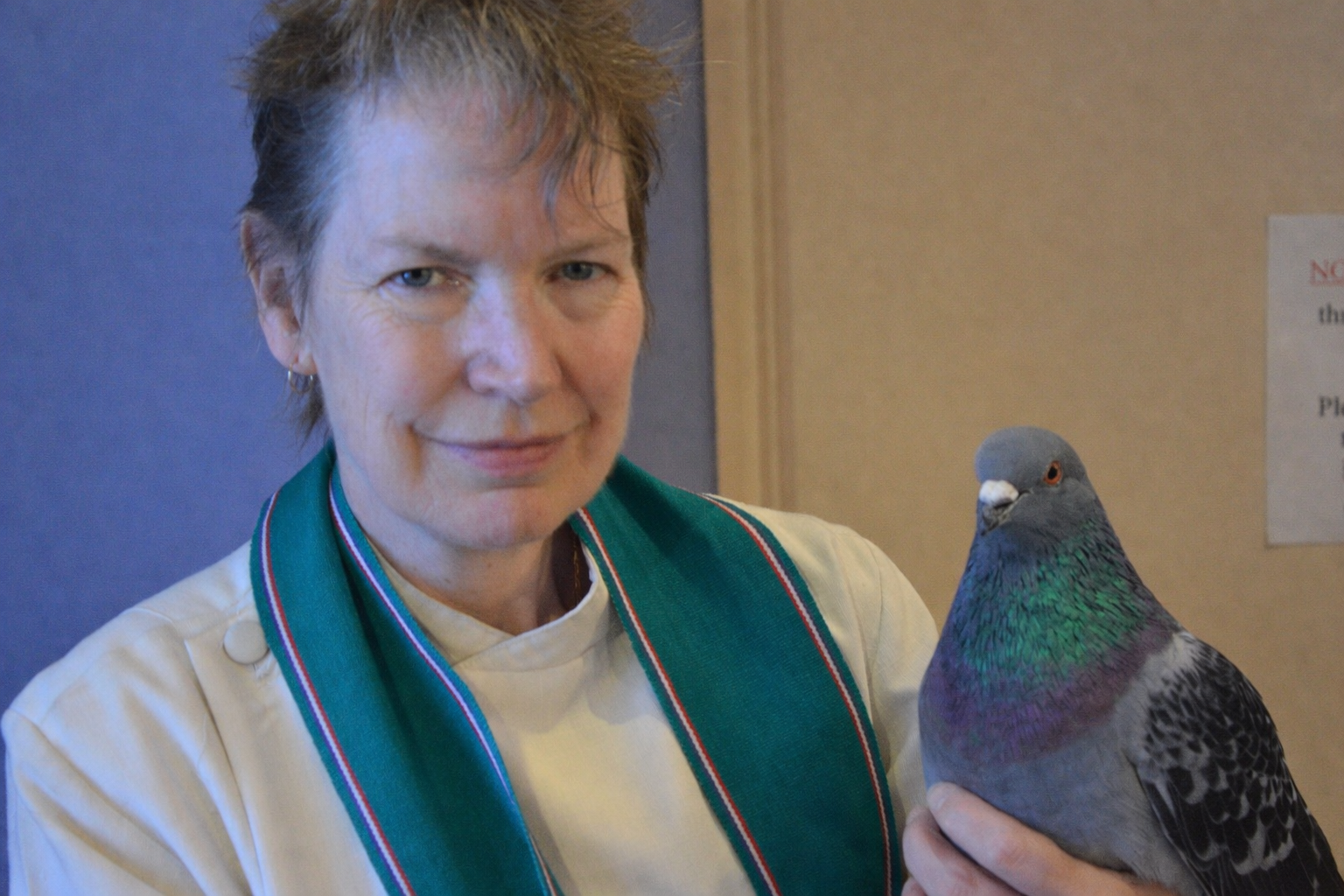
Barbara Allen is a writer and chaplain at Lort Smith Animal Hospital in Melbourne, Australia. She is the author of the book Pigeon, which explores the cultural and historical relationship between humans and pigeons. Allen has also written the picture book I Was There and contributed to publications such as Peace of Mind and Uniting Church Studies.