How Do Pigeons Mate | Pigeon Breeding Behavior Guide
If you have ever watched your birds closely, you might have wondered how pigeons mate and what is really going on during that process. I remember the first time I noticed one of my males puffing up his chest and walking in circles around a female. At first, it looked funny. Later, I realized it was the start of a serious bonding process.
Understanding how pigeons mate is very important if you keep pigeons at home. It helps you know when your birds are ready to breed, how to support them, and what signs to look for. Understanding their behavior helps you avoid mistakes many beginners make.
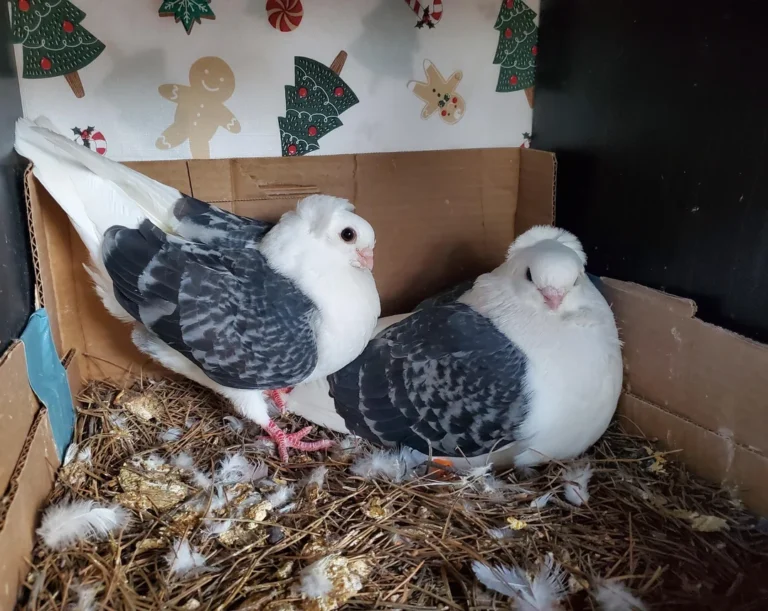
From my own experience, pigeons are very loyal birds. Once a pair bonds, they usually stay together and work as a team. You will see them building nests, taking turns sitting on eggs, and even feeding their babies together. This is why learning about pigeon behavior makes a big difference if you want healthy and strong birds.
This topic also connects to things like guides, whatpigeons guidede, and even pigeon diseases. If your birds are not healthy or well-fed, they will not mate properly. I have seen this happen many times with new pigeon keepers.
So when you understand how pigeons mate, you are not just learning one small thing. You are learning to better care for your entire flock.
Main Explanation of the Topic
When people ask me how pigeons mate, I always say it starts long before the actual mating happens. The real process begins with bonding and trust between a male and a female.
Courtship Behavior
The male pigeon is the one who starts everything. You will notice him puffing up his chest, spreading his tail, and walking in circles around the female. He also makes a soft cooing sound. This is his way of showing interest.
From my experience, a strong and healthy male will be very active during this stage. He will follow the woman around the loft, trying to impress her again and again.
If the female is interested, she will not run away too much. She may act a little shy, but she will stay close. This is a clear sign that pairing is happening.
This is a good time to observe pigeon behavior closely. You can learn a lot just by watching how they interact.
Pair Bonding
Once the female accepts the male, they start bonding. This is one of my favorite things to watch.
They will sit together, clean each other’s feathers, and stay close most of the time. This is called pair bonding. It is very important because pigeons usually mate for life.
In my loft, I always make sure each pair has a calm and safe space. If there is too much disturbance, they may not bond properly.
The Mating Process
Now comes the actual answer to how pigeons mate.
The mating itself is quick. The male jumps onto the female’s back and balances himself by flapping his wings slightly. The female lowers her body to allow this.
It usually lasts just a few seconds. This can happen several times a day when the pair is ready to breed.
After mating, you will often see them staying close together. This is normal and shows that the pair bond is strong.
Nesting Behavior
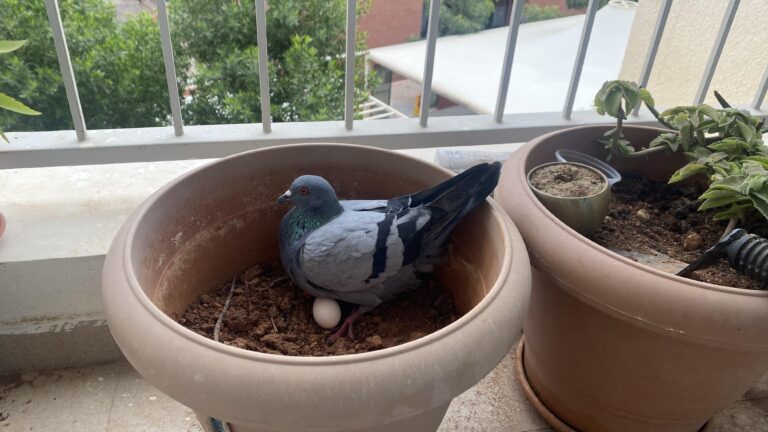
After successful mating, the pair will start looking for a nesting spot. The male usually brings small sticks or straw, and the female arranges them.
I always provide nesting materials, such as dry grass or small twigs. This makes their job easier and keeps them comfortable.
This stage is very important in any pigeon breeding guide. A good nest means better chances of healthy eggs.
Practical Pigeon Care Advice
Give Them Proper Nutrition
Healthy pigeons mate better. I always make sure my birds get a balanced diet. Grains, seeds, and clean water are a must.
If you are not sure what to feed, learning about what pigeons eat will help you a lot.
Keep the Loft Clean and Calm
Pigeons need a peaceful place to feel safe. Too much noise or overcrowding can stop them from mating.
I clean my loft regularly and avoid sudden changes. This keeps the birds relaxed.
Watch for Health Problems
If pigeons are sick, they will not mate properly. Signs like weakness, messy feathers, or low activity can be a problem.
Understanding common pigeon diseases helps you catch issues early and keep your birds in good condition.
Do Not Force Pairing
One mistake I made early on was trying to force pigeons to pair. It rarely works well.
Let them choose their partner naturally. Strong natural pairs always give better results.
Provide Nesting Space
Each pair needs its own space. If they fight over nests, it can delay breeding.
I always set up enough nest boxes so every pair feels comfortable.
Tips and Common Mistakes
Over the years, I have seen many beginners struggle because they do not fully understand how pigeons mate in real life. The process is simple, but small mistakes can stop your birds from breeding properly. These are the tips I always share with new pigeon keepers.
Tips for Better Breeding Success
Let pigeons choose their own partner.
This is one of the biggest lessons I learned. When pigeons choose their own mate, they bond faster and stay loyal.
If you force a male and a female together, they may fight or ignore each other. Natural pairing always gives better results in the long run.
Watch their behavior closely.
Your pigeons will tell you everything if you pay attention.
If the male is cooing, circling, and staying close to one female, that means things are moving in the right direction. If the female stays calm and does not avoid him too much, pairing is happening.
Learning pigeon behavior from daily observation is one of the best skills you can build.
Provide good nesting material.
Never ignore this step. I always keep dry straw, small sticks, or even soft grass ready.
When pigeons feel comfortable building a nest, they move faster into the breeding stage. A poor nesting setup can delay everything.
Keep a balanced diet.
Strong breeding comes from strong birds.
I make sure my pigeons get a mix of grains and seeds along with clean water every day. If you want better results, spend time learning what pigeons eat and adjust their diet based on the season.
Give them space and peace.
Pigeons need a calm environment to mate.
Too many birds in one small space can cause stress and fighting. I always make sure each pair has enough room and privacy.
Common Mistakes to Avoid
Forcing pigeons to mate
This is the most common mistake beginners make.
They lock a male and a female together and expect them to bond. In most cases, this creates stress and weak pairing. Let nature do its job.
Ignoring signs of illness
If your pigeons are not mating, health issues may be the cause.
Birds that are weak or sick will not show normal breeding behavior. Learning about pigeon diseases can help you fix problems before they affect your whole flock.
Not providing enough nest boxes.
If pigeons fight over nesting spots, breeding will slow down.
I always keep extra nest boxes ready. This simple step prevents stress and keeps pairs stable.
Poor feeding habits
Low-quality food leads to weak pigeons.
If your birds are not getting proper nutrition, they may not mate at all or produce weak chicks. Good feeding is the basis of everything.
Disturbing pigeons too much
I have seen people check nests too often or handle birds during bonding.
This can break their focus and delay mating. Once a pair is bonding, give them space and only observe quietly.
FAQ Section
How do pigeons mate step by step
From what I see in my loft, it follows a clear pattern. First, the male starts courtship by puffing up and cooing. Then the female accepts him, and they form a bond. After that, mating happens quickly and may repeat several times a day. Finally, they begin building a nest together.
If you watch closely, you can easily notice each stage. This is why understanding pigeon behavior is helpful for beginners.
How long does pigeon mating take
The actual mating only takes a few seconds. It is very quick.
But the full process from courtship to nesting can take several days a year, depending on how quickly the pair bonds.
Patience is important here. Do not rush your birds.
How do I know if my pigeons have mated
There are a few clear signs I always look for.
You will see the male mounting the female. After that, the pair stays very close. Soon, they start building a nest together.
If you notice these signs, mating has already happened or is happening regularly.
How often do pigeons mate
When pigeons are ready, they mate several times a day.
This usually continues until the female lays eggs. After that, their focus shifts to nesting and caring for the eggs.
Good feeding and a calm environment help maintain this natural cycle.
Why are my pigeons not mating
I have faced this problem before, and it usually comes down to a few reasons.
The pigeons may not like each other. They could be stressed due to noise or overcrowding. Poor diet is another big reason. Health issues also play a role, so always be aware of pigeon diseases.
Fixing these issues usually gets things back on track.
Conclusion
So when someone asks me how pigeons mate, I always say it is more than just a quick moment. It is a full process that starts with trust, bonding, and the right environment.
From my own experience raising pigeons, the best results come when you let nature do its work while you support your birds properly. Give them good food, a clean and calm place, and enough nesting space. Watch their pigeon behavior closely, and you will understand what they need without guessing.
Breeding success is not about forcing anything. It is about creating the right conditions. This connects with everything else you do as a pigeon keeper, from learning what pigeons eat to following a simple pigeon breeding guide and keeping an eye on pigeon diseases.
If you stay patient and pay attention, your pigeons will do the rest. And once you see a healthy pair raise their chicks together, you will understand why this part of pigeon keeping is so rewarding.
Barbara Allen is a writer and chaplain at Lort Smith Animal Hospital in Melbourne, Australia. She is the author of the book Pigeon, which explores the cultural and historical relationship between humans and pigeons. Allen has also written the picture book I Was There and contributed to publications such as Peace of Mind and Uniting Church Studies.