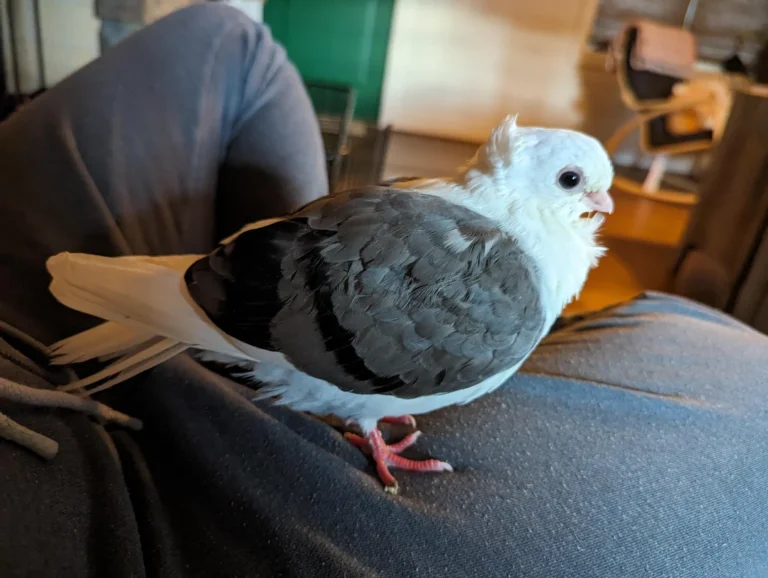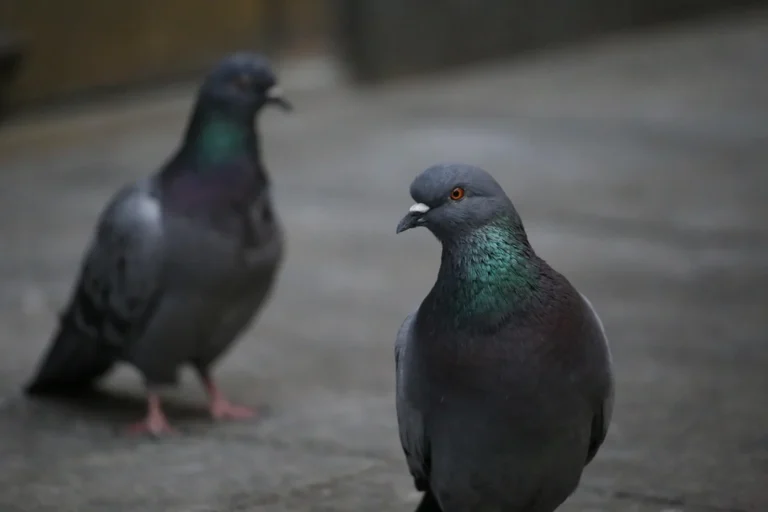
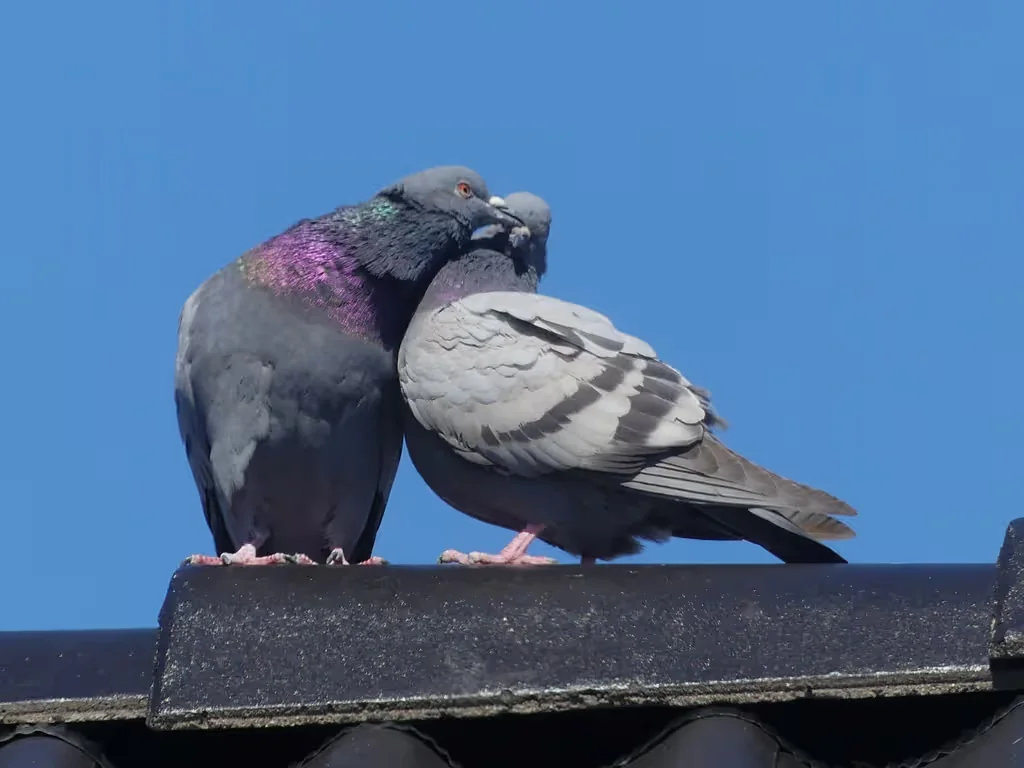
Pigeon Breeds With Pictures | Popular Pigeon Varieties Guide
When people search for pigeon breeds with pictures, they usually want two things. They want to see how different pigeons look, and they want to understand which breed is right for them.
I remember when I first started keeping pigeons. All pigeons looked the same to me at the beginning. But once I spent time with them every day, I started noticing small details. Some had fancy feathers. Some were strong flyers. Some were calm and easy to handle. That is when I realized how many beautiful pigeon breeds are out there.
Seeing pictures helps a lot, but real understanding comes from knowing how each breed behaves and what kind of care it needs. Some pigeons are great for beginners. Others need more attention and experience. That is something many people do not realize at first.
Explain the Topic in Simple Terms
Pigeon breeds with pictures simply means different types of pigeons that people raise, along with images that show their appearance.
Each breed has its own look, personality, and purpose. Some are bred for racing. Some are raised for show. Some are kept as pets because they are calm and friendly.
For example, you might see a pigeon with a big chest and strong wings. That is often a racing type. Then you might see another pigeon with fluffy feathers on its feet or a fan-shaped tail. That is usually a fancy breed raised for beauty.
Pictures help you quickly see these differences. But as someone who raises pigeons, I can tell you that looks are only part of the story. You also need to think about feeding, housing, and how the bird behaves in a loft.
If you are new, it is also helpful to learn simple topics like what pigeons eat and basic pigeon behaviour. These things matter more than just appearance when you start keeping birds.
Why This Topic Matters for Pigeon Owners
Choosing the right breed is one of the most important decisions you will make as a pigeon keeper.
I have seen many beginners pick a pigeon just because it looks beautiful in a picture. Later, they struggle because that breed needs special care or is not suited for their setup.
Some breeds are very active and need space to fly. Others are calm and do well in smaller lofts. Some are strong and rarely get sick, while others need more attention to avoid pigeon diseases.
When you understand different pigeon breeds with pictures, you can match the bird to your situation. This saves you a lot of trouble later.
It also helps if you plan to breed pigeons in the future. A good pigeon breeding guide will always tell you to choose healthy and suitable breeds from the start.
From my own experience, the right breed makes everything easier. Feeding becomes simple. Training becomes smooth. Even bonding with the birds feels natural.
Once you understand the breeds, you are not just picking a pigeon. You are building a flock that fits your time, space, and experience level.
Now, let’s look at some popular pigeon breeds that you will often see when searching for pigeon breeds with pictures. I will keep this simple and based on what I have personally seen while raising pigeons.
Racing Homer
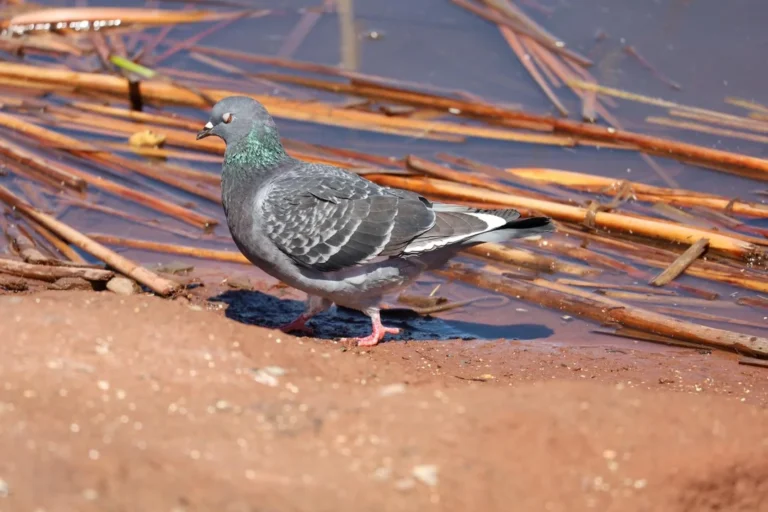
This is one of the most common pigeons in the United States.
Racing Homers are known for their strong flying ability and their amazing sense of direction. These birds can travel long distances and still find their way back home.
From my experience, they are also quite smart and active. They need space to fly and regular training if you want them to stay healthy and happy.
If you are just starting, you can still keep them, but be ready to give them time outside the loft.
King Pigeon
King pigeons are large and heavy birds.
People often keep them for meat production, but I have also seen many keepers raise them as calm pet pigeons. They are not strong flyers, which makes them easier to manage in smaller spaces.
They are usually quiet and easy to handle. This makes them a good choice for beginners who do not want very active birds.
Just make sure they have clean housing and proper feeding, since their size means they eat more than smaller breeds.
Fantail Pigeon
Fantails are one of the most beautiful pigeons you will see.
They have a large fan-shaped tail that stands upright. When they walk, they look very proud and decorative.
From my own loft, I can say Fantails are gentle birds. They do not fly much, so they are better kept in a safe enclosure.
They need a bit more care when it comes to cleanliness. Their tail feathers can get dirty if the loft is not kept clean.
Jacobin Pigeon
The Jacobin is a fancy breed with a hood of feathers around its head.
This hood can sometimes block their side vision. Because of this, they need a calm environment where they feel safe.
I would not suggest this breed for complete beginners. They need extra attention and a clean space to stay healthy.
Still, many pigeon keepers love them because of their unique look.
Tumbler Pigeon
Tumbler pigeons are fun to watch.
They are known for flipping or tumoring in the air while flying. This behaviour makes them very popular among hobby keepers.
From what I have seen, they are active birds and enjoy flying. They need open space and regular exercise.
If you enjoy watching pigeon behaviour, this breed can be very interesting to keep.
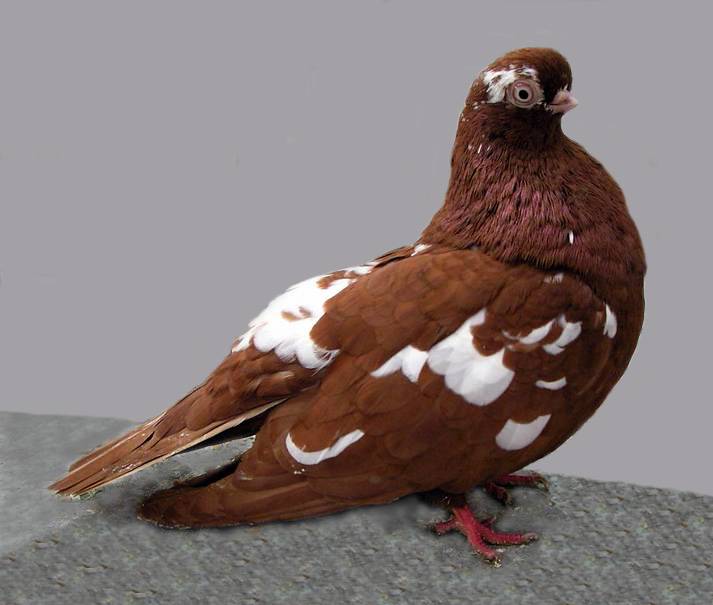
Modena Pigeon
Modena pigeons have a round body and a proud stance.
They are not strong flyers, but they are very attractive. Many people raise them for shows.
They are also quite hardy, which means they can adapt well if you take basic care of them.
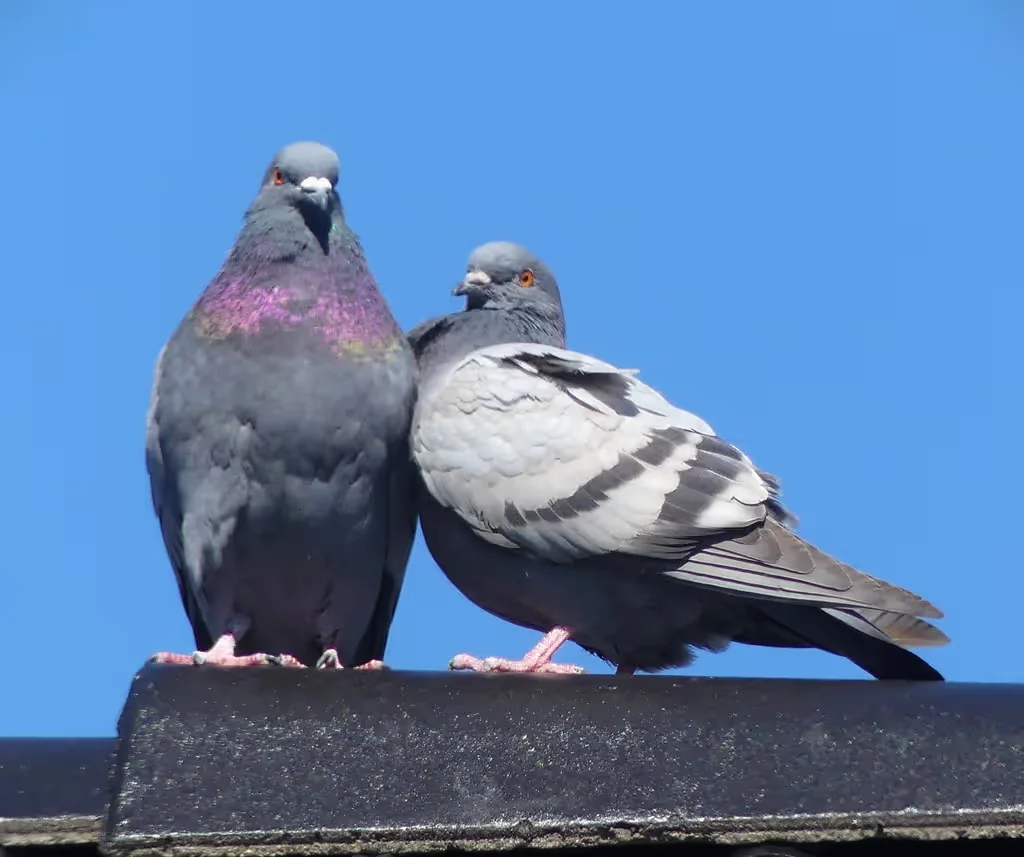
Practical Pigeon Care Advice
No matter which breed you choose, some basic care rules always stay the same.
First, keep the loft clean. Dirty conditions lead to health problems very quickly. Many common pigeon diseases start because of poor hygiene.
Second, always provide fresh water and good quality feed. Do not ignore feeding habits. Different breeds may eat slightly different amounts, but all need balanced nutrition.
Third, observe your birds daily. I always tell beginners this. Just watching your pigeons for a few minutes every day helps you understand their behaviour and spot problems early.
If a pigeon looks quiet, stops eating, or sits puffed up, something is wrong.
Fourth, do not overcrowd your loft. Give each bird enough space. This reduces stress and keeps them healthier.
Finally, if you plan to grow your flock, take time to learn a proper pigeon breeding guide. Good breeding starts with healthy birds and the right pair selection.
Tips and Common Mistakes
After raising pigeons for years, I have seen the same mistakes again and again. Most beginners make these without even realising it. If you avoid these early, your pigeons will stay healthier and easier to manage.
Tip 1: Start With Easy Breeds
One of the best things you can do is choose beginner-friendly breeds.
I always suggest starting with birds like Racing Homers or King pigeons. They are stronger and more forgiving if you make small mistakes.
Fancy breeds may look beautiful in pictures, but they often need more care. If you are still learning, keep things simple first.
Tip 2: Focus on Health Over Looks
Many people pick pigeons just because they look attractive.
I understand this because I did the same in the beginning. But a healthy bird is always more important than a fancy-looking one.
Check for clear eyes, smooth feathers, and active behaviour. A healthy pigeon will move around and eat well.
Learning about pigeon diseases early can save you from losing birds later.
Tip 3: Learn Basic Feeding Properly
Feeding is something you should never guess.
Pigeons need a mix of grains and clean water every day. If the diet is poor, birds become weak and may stop breeding.
Take time to understand what pigeons eat and how much to feed them based on their size and activity.
Overfeeding is also a mistake. It can make pigeons lazy and overweight.
Tip 4: Keep the Loft Clean and Dry
This is one rule I never ignore.
A dirty loft leads to sickness very quickly. Wet floors and old droppings create a bad environment for pigeons.
Clean the loft regularly. Make sure there is good airflow. Dry and fresh air keeps birds comfortable.
This simple habit prevents many health problems.
Tip 5: Spend Time Observing Your Birds
Your pigeons will tell you everything if you watch them closely.
I always spend a few minutes in the loft every day. I watch how they eat, fly, and interact.
Understanding pigeon behaviour helps you notice small changes. A bird that sits quietly or stays away from others may be getting sick.
The earlier you notice, the easier it is to fix the problem.
Common Mistake 1: Buying Too Many Pigeons at Once
This is very common with beginners.
People get excited and buy many birds at once. Then they struggle to manage feeding, cleaning, and space.
Start small. Learn first. Then slowly grow your flock.
Common Mistake 2: Mixing Different Breeds Without Planning
Not all breeds behave the same way.
Some are aggressive. Some are very calm. Mixing them without understanding can cause stress or fighting.
If you plan to keep different breeds, watch how they interact and give enough space.
Common Mistake 3: Ignoring Breeding Knowledge
Many people let pigeons breed without understanding how it works.
This can lead to weak chicks or poor parent care.
Before breeding, learn a proper pigeon breeding guide. It will help you choose the right pairs and take care of eggs and young birds.
Common Mistake 4: Poor Ventilation
Some people build closed lofts with little airflow.
This creates a warm and damp environment, which is not good for pigeons.
Fresh air is very important. A well-ventilated loft keeps birds active and reduces disease risk.
Common Mistake 5: Not Quarantining New Birds
Whenever you bring new pigeons, keep them separate for a few days.
I always do this. It helps prevent spreading sickness to the rest of the flock.
Even healthy-looking birds can carry problems.
FAQ Section
What is the best pigeon breed for beginners?
From my experience, Racing Homers and King pigeons are great for beginners.
They are strong birds and easier to manage. They handle small mistakes better than fancy breeds. They also adapt well to different environments.
If you are just starting, choose a breed that is active but not too delicate. This will help you learn faster without losing birds.
Do all pigeon breeds need the same care?
Basic care is the same for all pigeons, but some breeds need extra attention.
All pigeons need clean water, proper food, and a clean loft. But fancy breeds like Fantails or Jacobins may need more care because of their feathers or body shape.
Strong breeds like Racing Homers are usually easier to care for. Always learn about the specific breed before bringing it home.
Can different pigeon breeds live together?
Yes, but you need to be careful.
Some breeds are more active, while others are calm. If you mix them without planning, the stronger birds may dominate the weaker ones.
I usually suggest keeping similar types together, especially in the beginning. Watch their pigeon behaviour closely to make sure they are comfortable.
How do I choose a healthy pigeon?
Always look for signs of good health.
A healthy pigeon will have bright eyes, smooth feathers, and active movement. It should eat well and not sit puffed up in a corner.
Avoid birds that look weak or slow. Also, learn about common pigeon diseases so you can spot early warning signs.
Do pigeon breeds affect breeding results?
Yes, they do.
Some breeds are better parents than others. Some produce stronger chicks, while others need more care during breeding.
If you plan to grow your flock, take time to follow a proper pigeon breeding guide. Choosing the right pair makes a big difference in the long run.
Conclusion
By now, you should have a clear idea about pigeon breeds with pictures and how to choose the right one for your needs.
From my own experience, the biggest mistake people make is choosing a pigeon just because it looks good. Pictures are helpful, but they do not show how the bird behaves or how much care it needs. That part only comes with real understanding.
If you are just starting, keep things simple. Pick a strong and easy breed. Focus on good feeding, clean housing, and daily observation. These small habits make a big difference over time.
As you gain experience, you can explore more fancy breeds and enjoy their unique beauty. But always remember that healthy birds should come first.
Also, take time to learn related topics like what pigeons eat, pigeon behaviour, pigeon diseases, and a proper pigeon breeding guide. These areas will help you become a better pigeon keeper step by step.
Raising pigeons is not just about keeping birds. It is about building a routine, understanding their habits, and enjoying the process every day.
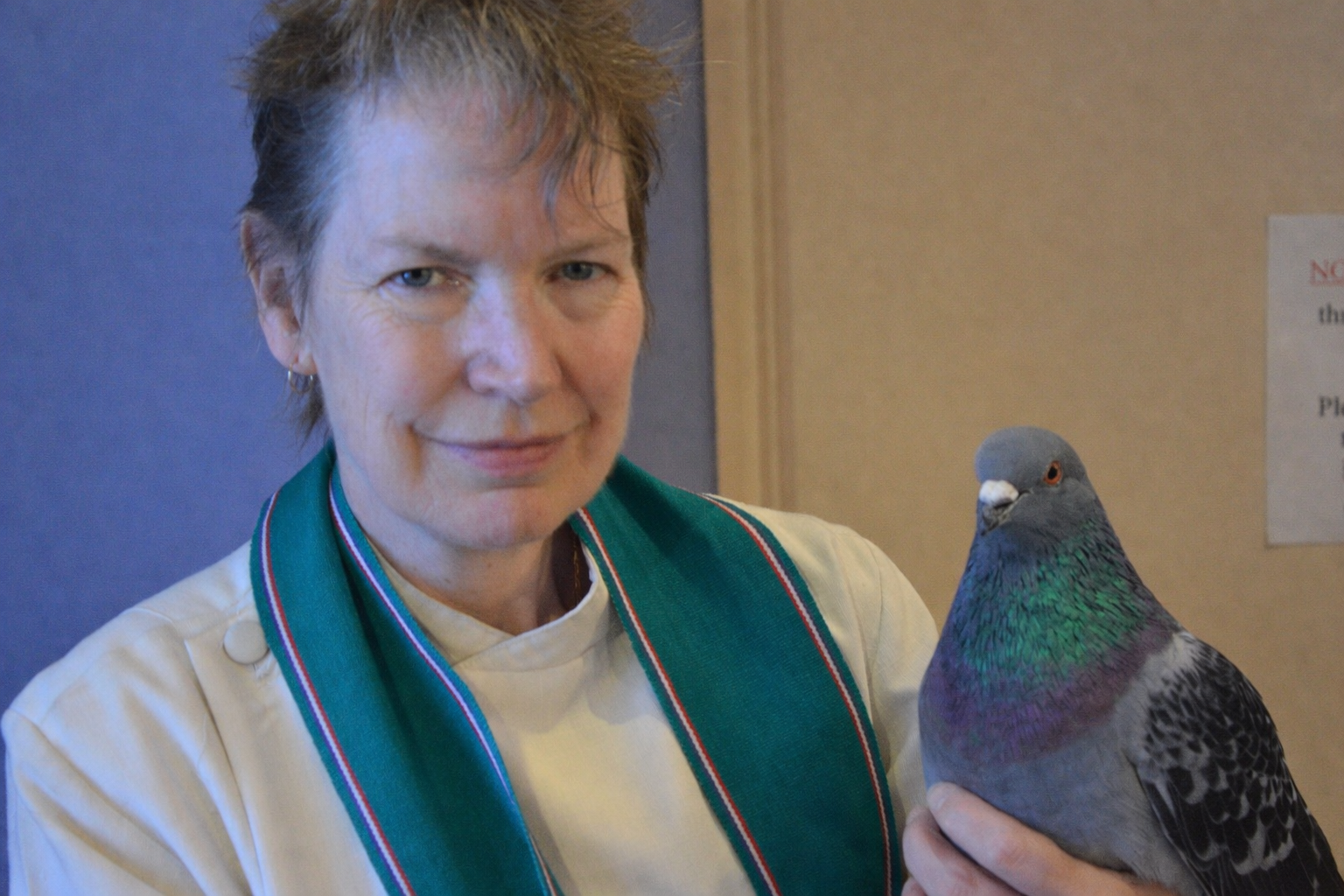
Barbara Allen is a writer and chaplain at Lort Smith Animal Hospital in Melbourne, Australia. She is the author of the book Pigeon, which explores the cultural and historical relationship between humans and pigeons. Allen has also written the picture book I Was There and contributed to publications such as Peace of Mind and Uniting Church Studies.