English Long Faced Tumbler | Fancy Pigeon Breed Guide
The English long-faced tumbler is one of those pigeon breeds that really catches your eye the first time you see it. I still remember when I got my first pair. Their long, slim face and clean body shapes made them stand out right away in my loft.
If you are thinking about raising the English Longhaired Tumbler, you are looking at a breed that is both beautiful and interesting in behavior. These pigeons are not just for show. They also have a unique flying style that many pigeon keepers enjoy watching.
I have raised many types of pigeons over the years, but this breed always feels a bit special. They require a little attention and understanding, but once you get used to them, they can be very rewarding to keep.
Explain the Topic in Simple Terms
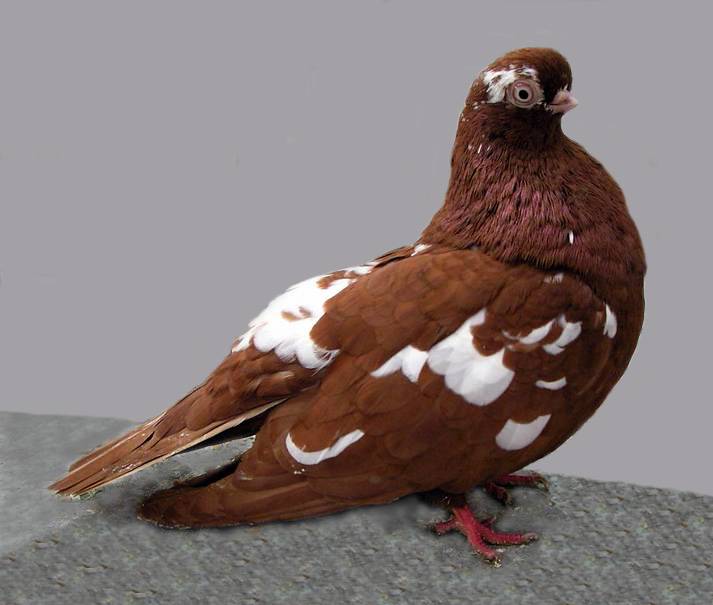
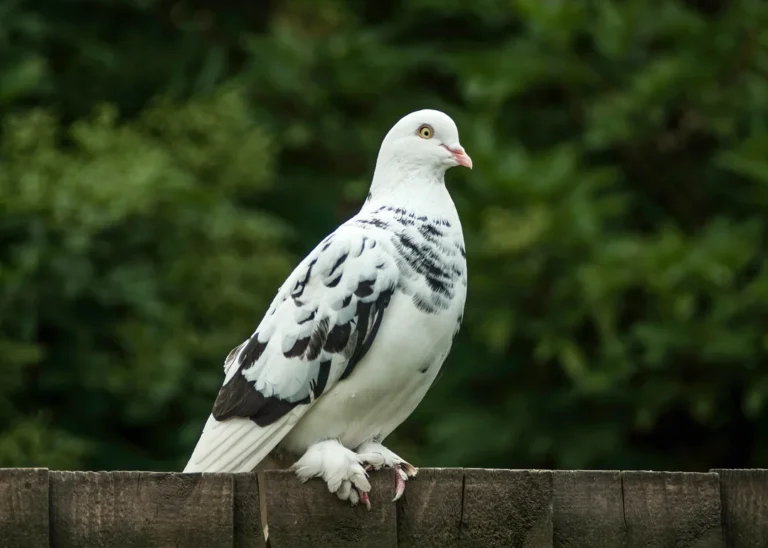
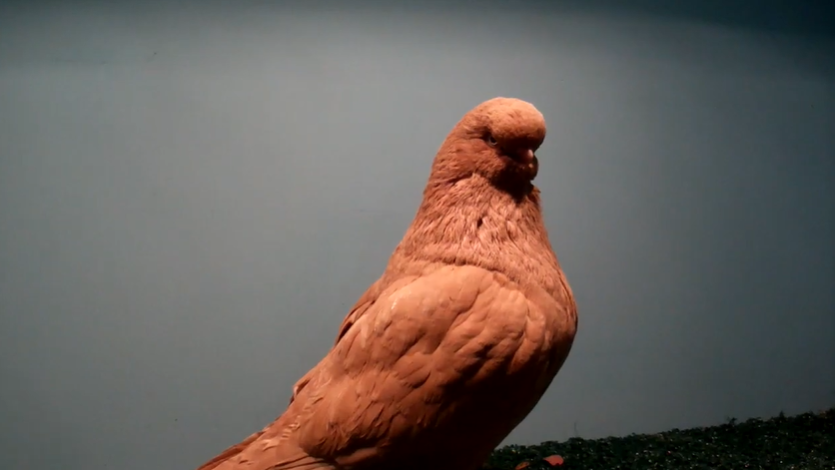
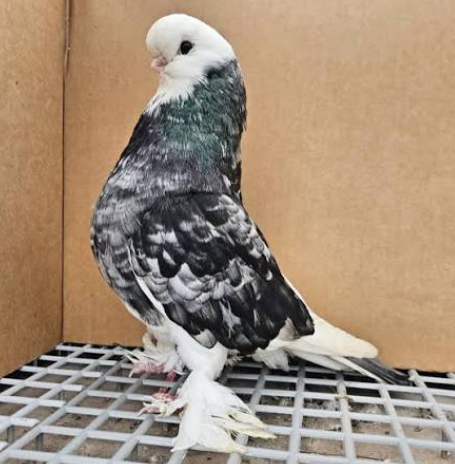
The English long-faced tumbler is a fancy pigeon breed known for its long, narrow face and smooth body. Unlike some other tumblers, they are not only about performance. Their appearance is a big part of their value.
When people say tumbler, they usually mean pigeons that flip or roll in the air. This breed can do some of that, but many modern birds are bred more for looks than for strong tumbling ability.
These pigeons usually have:
- A long and slim head
- A clean and tight feather structure
- A proud standing posture
- Calm but alert behavior
They come in different colors and patterns, making them even more interesting to breeders. If you enjoy working with breeding-quality birds, this breed offers plenty to focus on.
From my experience, beginners sometimes confuse them with other types of tumblers. But once you see their face shape and body style, you will easily recognize them.
Why This Topic Matters for Pigeon Owners
If you are planning to raise pigeons seriously, choosing the right breed matters a lot. The English long-faced tumbler is not like common street pigeons. They need proper care, good feeding, and a clean environment to stay healthy and look their best.
This is important because:
- These birds are often kept for breeding and showing
- Their appearance depends on how well you care for them
- Poor care can quickly affect their health and feather quality
I always tell new pigeon keepers that understanding your breed is the first step to success. When you know what your pigeon needs, everything becomes easier. Feeding becomes easier. Breeding becomes easier. Even handling them feels more natural.
For example, when you learn about what pigeons eat, you will start to notice how diet affects their body shape and feather shine. The same goes for a pigeon breeding guide. It helps you produce better quality birds over time.
Also, knowing basic pigeon behavior helps a lot with this breed. They are usually calm, but they can become stressed if the loft is crowded or noisy.
If you ignore these small details, you may face issues like weak birds or even pigeon diseases. I have seen many beginners lose good birds just because they did not understand the basics.
So learning about the English long-facedumbler is not just about the breed itself. It is about becoming a better pigeon keeper overall.
Main Explanation of the Topic
When you start raising the English long-faced English Long-Faced Tumbler, the first thing you notice is that these birds need a bit more attention than common pigeons. They are not difficult, but they do best when you stay consistent with care.
In my loft, I always keep them in a separate section from more aggressive or very active breeds. These pigeons prefer a calm environment. If they feel stressed, it can affect their health and even their breeding performance.
Housing and Loft Setup
A clean, well-ventilated loft is very important for this breed.
I make sure:
- Each pair has enough space
- Nest boxes are clean and dry
- Fresh air flows through the loft without strong drafts
- Sunlight reaches part of the loft during the day
These pigeons have a refined body and feather quality. If the loft is dirty or damp, you will quickly notice dull feathers and a weak condition.
Overcrowding is a mistake I often see. It leads to stress, fights, and sometimes sickness. Keeping fewer birds in better conditions always gives better results.
Feeding the English Long Faced Tumbler
Feeding plays a huge role in how these pigeons look and perform.
From my experience, a balanced mix works best. I usually feed:
- Wheat
- Corn
- Peas
- Millet
You can adjust the mix depending on the season. During breeding time, I increase protein slightly by adding more peas. During rest periods, I keep the diet lighter.
If you already know what pigeons eat, then you understand how important clean food and fresh water are. I always change water daily and never let feed sit too long in dirty containers.
A small tip from my daily routine
I add a little grit and minerals regularly. This helps digestion and keeps the birds in good condition.
Breeding and Pairing
Breeding English long-faced tumbler pigeons can be very rewarding, especially if you enjoy improving quality over time.
I usually select pairs based on:
- Head shape
- Body balance
- Feather quality
- Overall health
Do not rush breeding. Take your time choosing strong, healthy birds.
If you follow a proper pigeon breeding guide, you will see better results each season. Good pairing leads to stronger chicks and better-looking birds.
These pigeons are generally good parents, but I still check on them daily during the breeding period. Sometimes young pairs need a little support.
Behavior and Temperament
Understanding pigeon behavior is particularly important for this breed.
From what I have seen:
- They are calm and easy to handle
- They do not like too much disturbance
- They settle well if handled gently
I avoid sudden loud noises around the loft. Even small stress can affect their feeding and breeding habits.
If a bird starts acting quiet or stops eating, I check it right away. Early signs often tell you something is wrong before it becomes serious.
Health and Disease Prevention
Like any pigeon, the English long-faced tumbler can face health issues if not cared for properly.
I focus more on prevention than on treatment.
My routine includes:
- Regular loft cleaning
- Fresh food and water
- Observing birds daily
- Isolating any sick bird quickly
If you understand common pigeon diseases, you can act early and protect the rest of your birds.
One thing I always follow
Never ignore small changes. A slight drop in activity or appetite can be the first sign of a problem.
Tips and Common Mistakes
After raising the English long-facertumbler for a while, you start to notice small things that make a big difference. These are the kind of lessons you only learn from daily care.
I will share some simple tips that have helped me keep my birds healthy and looking their best.
Practical Tips from My Loft
Keep Your Loft Calm and Quiet
This breed does best in a peaceful environment.
I always place their section away from noisy areas. Too much disturbance can make them nervous. When pigeons feel stressed, they may stop eating properly or avoid breeding.
A calm loft leads to better behavior and stronger birds.
Focus on Cleanliness Every Day
Cleanliness is not something you do once a week. It is part of daily care.
I remove droppings, clean water containers, and check nesting areas every day. This reduces the chance of pigeon diseases and keeps the birds comfortable.
Even simple habits, like drinking fresh water daily, can make a huge difference.
Watch Your Birds Closely
One of the best skills you can develop is observation.
I spend a few minutes each day just watching my pigeons. You can quickly notice:
- A bird sitting quietly in a corner
- Loss of appetite
- Fluffed feathers
- Less movement than usual
These small signs help you catch problems early. This is something every pigeon owner should learn.
Use Balanced Feeding
Do not overfeed or underfeed.
A good mix of grains keeps the birds strong. I adjust feed based on the season and breeding stage. This is something you will understand better as you learn more about what pigeons eat.
Also, always provide grit. Many beginners ignore this, but it is very important for digestion.
Be Patient with Breeding
Do not expect perfect results in the first season.
Breeding takes time and practice. I made mistakes at the beginning, but over time,e I learned to select better pairs.
Following a basic pigeon breeding guide will help, but your own experience will teach you the most.
Common Mistakes Beginners Make
I have seen many new pigeon keepers struggle with the same issues. Avoiding these mistakes will save you time and frustration.
Overcrowding the Loft
This is one of the biggest problems.
Too many pigeons in a small space leads to:
- Stress
- Fighting
- Faster spread of disease
It is always better to keep fewer birds and care for them properly.
Ignoring Early Signs of Illness
Many beginners wait too long before taking action.
If a pigeon looks weak or stops eating, do not ignore it. Isolate the bird and observe it closely. Learning about pigeon diseases helps you act quickly and protect your flock.
Poor Feeding Habits
Some people give random food without thinking about balance.
Feeding only one type of grain or giving spoiled feed can harm your birds. Stick to a clean and balanced diet.
Not Understanding Behavior
If you do not understand pigeon behavior, you may misread important signals.
For example:
- A quiet bird may be sick
- A restless bird may be stressed
- Aggression can come from overcrowding
Pay attention to how your birds act. It tells you a lot about their condition.
Breeding Without a Plan
Breeding just for the sake of it often results in poor-quality birds.
Take your time. Choose healthy pigeons with good features. Think about what you want to improve in your birds.
FAQ Section
Here are some common questions I often hear from people who are new to the English long-faced tumbler. I will answer them based on my own experience raising these birds.
What makes the English long-faced tumbler different from other tumblers
The biggest difference is the face and body shape.
These pigeons have long, slender heads, giving them a very elegant look. Many other tumblers are known more for their flying performance, but this breed is often kept for appearance and breeding quality.
They can still fly, but most breeders focus more on looks than strong tumbling ability.
Are English long-faced tumbler pigeons good for beginners
Yes, but only if you are willing to learn basic care.
They are calm birds and easy to handle, which is great for beginners. But they do need clean housing, proper feeding, and regular attention.
If you already understand simple things like what pigeons eat and basic pigeon behavior, you will have a much easier time raising them.
How often should I clean the loft for this breed
I clean lightly every day and do a deeper cleaning once or twice a week.
Daily cleaning includes removing droppings and changing water. This keeps the loft fresh and reduces the risk of pigeon diseases.
A clean loft is one of the best ways to keep your birds healthy.
Can I breed English long-faced tumbler pigeons easily
Yes, but you should take it seriously.
They usually breed well when healthy and comfortable. I always recommend following a basic pigeon breeding guide and selecting strong pairs.
Do not rush. Good breeding takes time and patience.
How do I know if my pigeon is healthy
A healthy pigeon is active, alert, and eats well.
Look for:
- Bright eyes
- Smooth feathers
- Regular movement
- Good appetite
If you notice changes like weakness, quiet behavior, or loss of appetite, check the bird right away. Early action can prevent bigger problems.
Conclusion
The English long-faced tumbler is a beautiful and rewarding pigeon to raise if you are willing to give it proper care and attention. From my own experience, this breed teaches you patience and helps you become a better pigeon keeper over time.
These pigeons are not just about looks. They reflect how well you manage your loft, your feeding routine, and your daily care habits. When everything is done right, you will see it clearly in their body shape, feather quality, and overall health.
If you are starting, focus on the basics first. Learn what pigeons eat so you can provide a balanced diet. Take time to understand pigeon behavior so you can better read your birds. Follow a simple pigeon breeding guide when you begin pairing birds. And always stay alert for early signs of pigeon diseases.
Small daily habits make the biggest difference. Clean water, fresh feed, a calm environment, and regular observation will take you a long way.
I have raised many pigeons over the years, and I can say this with confidence. When you care for your birds properly, they will reward you with strong health, good breeding results, and real satisfaction.
Take your time, stay consistent, and enjoy the process. That is the best way to succeed with the English long-faced tumbler.
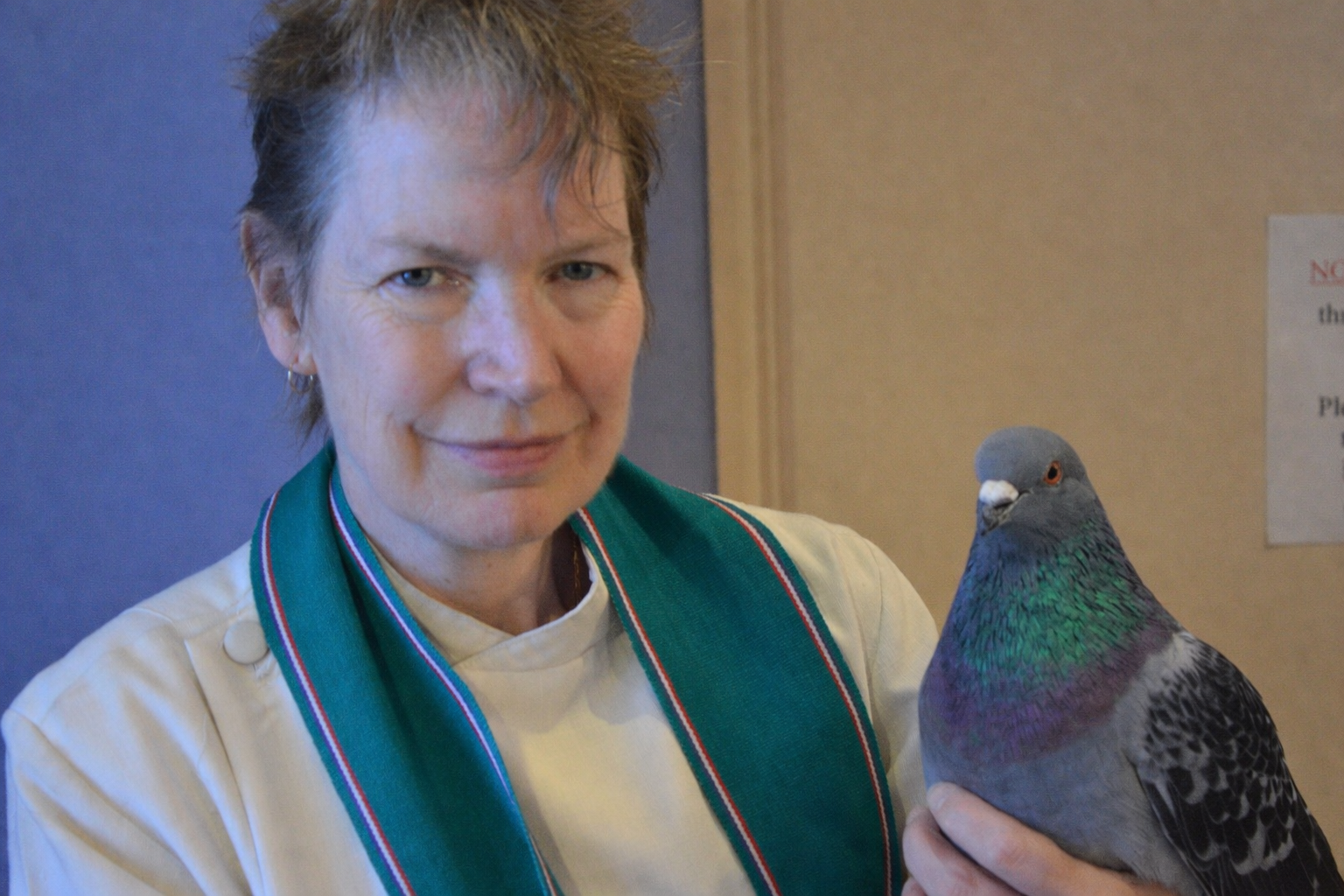
Barbara Allen is a writer and chaplain at Lort Smith Animal Hospital in Melbourne, Australia. She is the author of the book Pigeon, which explores the cultural and historical relationship between humans and pigeons. Allen has also written the picture book I Was There and contributed to publications such as Peace of Mind and Uniting Church Studies.