West Of England Tumbler | Fancy Pigeon Breed Guide
The West of England tumbler is one of those pigeon breeds that really stands out once you spend time with it. I still remember the first time I kept a pair in my loft. Their calm nature and unique flying style made them very different from the other pigeons I had.
If you are new to pigeons or thinking about adding a special breed to your loft, the West of England Tumbler is worth learning about. This bird is known for its gentle personality and its ability to perform aerial tumbling. But it is not just about looks or flight. Like any pigeon, it needs proper care, good feeding, and attention to health.
Many beginners are drawn to this breed because of its beauty, but they often do not understand what it really takes to raise them well. That is where real experience matters. When you work with pigeons every day, you start to notice small things that make a big difference in their health and behavior.
Explain the Topic in Simple Terms
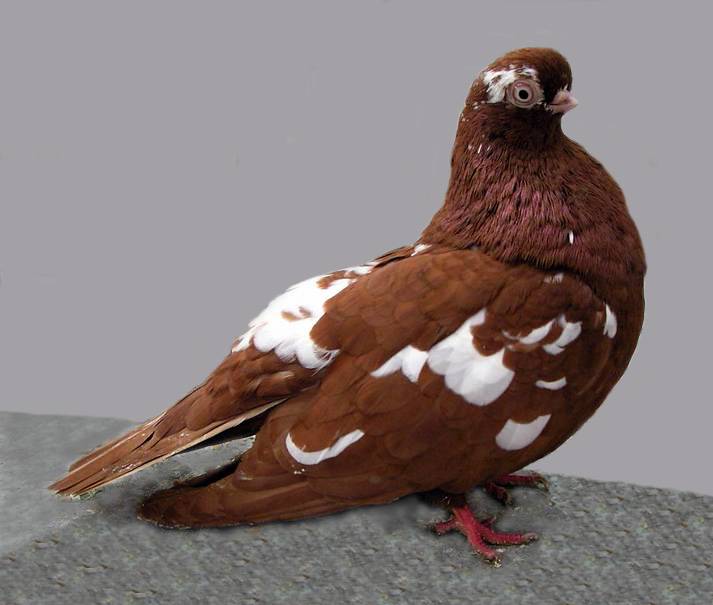
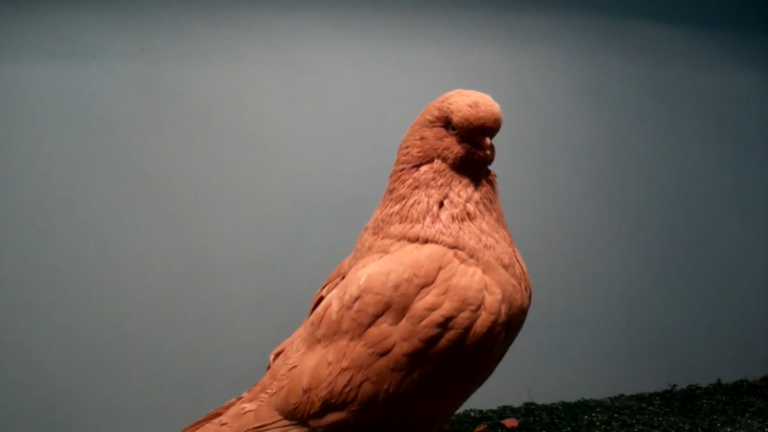
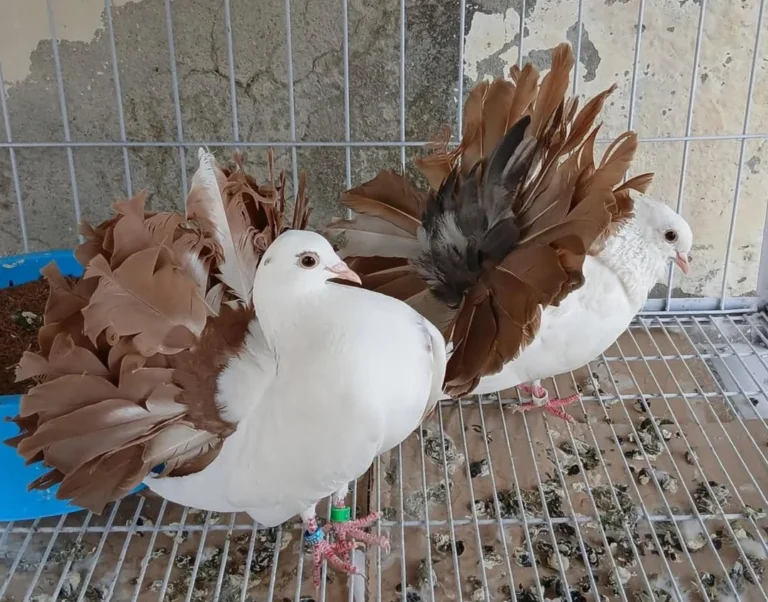
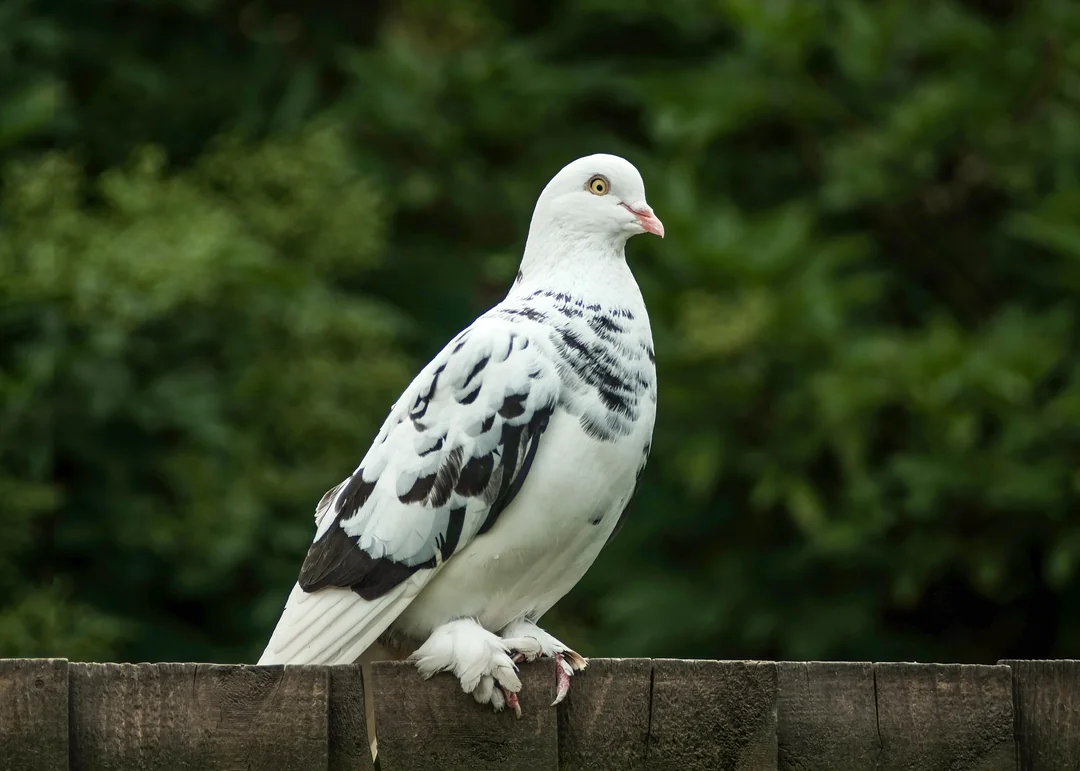
The West of England tumbler is a fancy pigeon breed from England. It was developed mainly for its flying skills and appearance. Unlike some high-flying breeds, this pigeon performs short tumbles or flips while flying. It is not too wild or difficult to manage, which makes it a good choice for beginners.
These pigeons usually have a compact body, smooth feathers, and a calm attitude. They are not aggressive, and they mix well with other pigeons if you manage them properly. In my loft, they are among the easiest birds to handle. They do not panic easily, and they respond well when you build trust with them.
When it comes to daily care, they are similar to most domestic pigeons. You need to focus on clean housing, fresh water, and a balanced diet. If you already know the basics, like what pigeons eat, then you are already on the right path.
Why This Topic Matters for Pigeon Owners
Understanding the West of England tumor is important because not all pigeon breeds behave the same way. Some breeds are more active, some are more delicate, and some need special attention during breeding or flying.
This breed is popular among hobbyists, but many people make the mistake of treating it like a regular street pigeon. That can lead to problems with health, breeding, and flight performance. Knowing how they behave and what they need helps you avoid those mistakes.
If you plan to breed them, you also need some basic knowledge from a pigeon breeding guide. These pigeons can be good parents, but they still need the right environment to raise healthy chicks.
Health is another area where beginners often struggle. Like all pigeons, they can face common pigeon diseases if the loft is not clean or if the diet is poor. I have seen strong birds become weak just because of simple care mistakes.
Their behavior is also something you should understand. Watching pigeon behavior closely, early signs of stress or illness in small changes in behavior can tell you a lot if you pay attention.
Raising the weWestf enEnglandumbler can be very rewarding if you do it the right way. They are calm, beautiful, and enjoyable to keep. But like any pigeon, they depend on you for proper care and attention every single day.
When you start keeping the West of England tumbler, the first thing you will notice is how calm and manageable they are. Compared to some high-flying pigeons, they are much easier to handle. They do not get stressed easily, which makes daily care smoother, especially if you are still learning.
Their flying style is what makes them special. These pigeons perform short tumbles in the air instead of long-distance flying. In my experience, they do best when you let them fly in a controlled way. I usually release them during calm weather and keep the flight time short. This helps them stay safe and maintain balanced energy.
You should not expect extreme performance like some roller breeds. The West of England tumbler is more about controlled movement and steady behavior. If you push them too hard, they can lose strength or even get disoriented.
Housing is very important for this breed. I always keep my loft clean, dry, and well-ventilated. Damp or dirty conditions can quickly lead to problems. Good airflow keeps them healthy and reduces the risk of pigeon diseases. I clean the floor regularly and make sure the perches stay dry.
Space also matters. These pigeons do not like overcrowding. If you keep too many birds in a small space, you will start to see stress and weak birds. Give them enough room to move freely and rest comfortably.
Practical Pigeon Care Advice
Feeding and Nutrition
Feeding the West of England tumbler is not complicated, but it needs consistency. I follow a simple mix of grains like corn, wheat, and peas. This gives them energy and strength.
If you already understand what pigeons eat, then you know that clean food and fresh water are the basics. Never give old or moldy grain. I have seen birds lose condition very quickly because of poor-quality feed.
I also like to give small amounts of grit. It helps with digestion and keeps them active. Fresh water should always be available, and I change it daily.
Breeding and Nesting
These pigeons are usually good parents. If you are planning to breed them, keep the nesting area quiet and clean. I provide a simple nest box with soft nesting material.
From my experience, they bond well as pairs. Once they settle, they will take care of their eggs and chicks with very little trouble. Still, you should keep an eye on them, especially during the first few days after hatching.
If you are new to this, learning from a pigeon breeding guide will help you avoid common mistakes. Small details like nest placement and timing can make a big difference.
Health and Daily Observation
One thing I always tell beginners is to watch your pigeons closely every day. The west of England tumbler is usually strong, but, like all pigeons, it can get sick if proper care is not given.
Look at their eyes, feathers, and droppings. Healthy birds stay active and alert. If a pigeon sits quietly for long periods or looks puffed up, something may be wrong.
Keeping the loft clean is your first defense against pigeon diseases. I also avoid mixing new birds without checking them first. Quarantine is a simple step that can save your whole flock.
Understanding Their Behavior
You learn a lot just by watching pigeon behavior. This breed is calm, so sudden changes stand out clearly.
If they stop flying or seem less active, it could mean stress or health issues. Sometimes it is just weather or feeding changes, but you should always check.
I spend time with my birds every day, even if it is just a few minutes. That helps them trust me and makes handling easier. Over time, you start to understand each bird’s personality.
Tips and Common Mistakes
When you keep the West of England tumbler for some time, you start to notice what works and what causes trouble. I have made my own mistakes over the years, and most beginners repeat the same ones. So I will share a few simple tips that can save you time and protect your birds.
Simple Tips That Really Help
Keep a steady routine.
Pigeons like routine. I feed my birds at the same time every day, and I let them out to fly at a regular time. This keeps them calm and healthy. The West of England tumbler responds very well to routine.
If you keep changing feeding time or flight time, they can become stressed or confused.
Give them clean water every day.
This sounds basic, but many people ignore it. Fresh water is just as important as food. I change the water daily, sometimes twice in hot weather. Dirty water can quickly lead to pigeon diseases.
Do not rush their training
Some beginners try to push these pigeons to fly too much or too early. That is a mistake. Let them build strength slowly. Safe flights are better than long, risky ones.
Watch them closely
Spend a little time every day just watching your birds. You will learn a lot from simple observation. Changes in pigeon behavior often tell that something is wrong before it becomes serious.
Common Mistakes Beginners Make
Overcrowding the loft
One of the biggest mistakes is keeping too many pigeons in a small space. I have seen birds become weak and stressed because of this.
The Westf Wesof Tumblereedssds space to stay calm and healthy. If the loft feels crowded, you will notice more fighting and less activity.
Poor feeding habits
Some people give random food without balance. Others give too much corn or too little protein. Both are problems.
If you understand what pigeons eat, you know that balance is important. A simple grain mix with clean water works best. Do not overfeed, and do not leave food sitting for too long.
Ignoring early signs of illness
A pigeon rarely gets sick suddenly. There are always small signs first. Sitting quietly, fluffed feathers, or loss of appetite are warning signs.
Many beginners ignore these signs and only react when the bird is very weak. By then, it becomes harder to treat. Learning about pigeon diseases early can help you avoid this.
Mixing new birds without care
Bringing in new pigeons without checking them is risky. I always keep new birds separate for some time before adding them to the main loft.
This simple step protects your birds from hidden health problems.
Poor breeding setup
Some people try breeding without proper nesting space. That leads to broken eggs or stressed parents.
If you follow a basic pigeon breeding guide and give them a quiet and clean nesting area, you will get much better results.
Final Thought for This Part
The West of England tumbler is not a difficult pigeon to raise. Most problems come from simple mistakes that are easy to avoid.
FAQ Section
What makes the West of England tumbler different from other pigeons
The main difference is its flying style and calm nature. This pigeon performs short tumbles in flight rather than flying very high or long distances. It is also easier to manage compared to many active breeds. From my experience, it is a good choice if you want a bird that is both interesting and easy to handle.
Is the West of England tumbler good for beginners?
Yes, it is a good breed for beginners. It is calm, not aggressive, and adapts well to a simple loft setup. As long as you follow basic care, such as proper feeding, clean water, and good hygiene, you can raise them successfully. Learning simple topics like what pigeons eat and basic pigeon behavior will go a long way in the beginning.
How often should I let them fly?
I usually let my West of England tumbler fly once a day, depending on the weather. Short and controlled flights are best. You do not need to push them for long flying sessions. Watch how they respond and adjust based on their strength and energy.
Are they good for breeding
Yes, they are generally good breeders. They form strong pairs and take good care of their chicks. Still, you need to provide a clean and quiet nesting area. Following a simple pigeon breeding guide will help you avoid problems like egg damage or weak chicks.
How do I keep them healthy??
Health comes down to daily care. Keep the loft clean, provide fresh food and water, and watch your birds closely. If you notice changes in behavior, act early. Learning about common pigeon diseases will help you spot problems before they become serious.
Conclusion
Keeping the West of England tumbler has been one of the most enjoyable parts of my pigeon-keeping journey. It is a calm, steady breed that does not give you unnecessary trouble if you care for it properly.
What I like most about this pigeon is how easy it is to manage once you understand its needs. It does not require anything complicated. Clean housing, balanced feeding, and daily observation go a long way. If you stay consistent, your birds will stay healthy and active.
Many beginners think they need special tricks to succeed, but that is not true. Focus on the basics. Learn what pigeons eat, understand simple pigeon behavior, and keep your loft clean. These small habits make a big difference over time.
If you plan to breed them, take it slowly and follow a proper pigeon-breeding guide. Give your birds a calm space and let them do their job. They are capable parents when the right conditions are provided.
Also, never ignore health. Even strong pigeons can fall ill with pigeon diseases if care is poor. Watch your birds daily and act early if something feels off. That habit alone can save many birds.
The West of England Tumbler is a rewarding breed for both beginners and experienced keepers. If you give them time, attention, and proper care, they will repay you with beauty, calm behavior, and enjoyable flying.
At the end of the day, pigeon keeping is about patience and consistency. Spend time with your birds, learn from them, and you will keep improving every season.

Barbara Allen is a writer and chaplain at Lort Smith Animal Hospital in Melbourne, Australia. She is the author of the book Pigeon, which explores the cultural and historical relationship between humans and pigeons. Allen has also written the picture book I Was There and contributed to publications such as Peace of Mind and Uniting Church Studies.