Can Pigeons Eat Blueberries | Safe Feeding Guide
If you raise pigeons or enjoy caring for them, you probably pay close attention to what you feed them. One question many pigeon owners ask is, ” Can pigeons eat blueberries. Blueberries are a healthy fruit for people, so it is natural to wonder if they are also safe for pigeons.
I have kept pigeons for years, and I always like to give my birds a little variety in their diet. Most of their daily food comes from grains and seeds. But from time to time, I also offer small fresh foods as treats. Fruits are one of those options, and blueberries are often easy to find in many homes across the United States.
When I first tried offering blueberries to my pigeons, I watched them closely to see how they reacted. Some birds were curious right away. Others took a little time before they decided to try them. That is something I have noticed many times with pigeons. They can be cautious about new foods at first.
Understanding which foods are safe is very important for pigeon keepers. A healthy diet plays a big role in strong feathers, good energy, and successful breeding. Feeding the wrong foods can sometimes lead to digestive problems or poor nutrition.
Most pigeon owners already know the basics of what pigeons eat. Their main diet usually includes grains such as corn, peas, wheat, and millet. These foods provide the energy and protein pigeons need every day. Fruits like blueberries are not part of their natural daily diet, but they can sometimes be given in small amounts as a treat.
Many beginners who are learning about pigeon care also start reading about topics like pigeon behavior, pigeon breeding guide, and common pigeon diseases. Diet connects to all of these areas. Healthy birds are more active, breed better, and are less likely to develop health problems.
Blueberries are known for their vitamins and antioxidants. These nutrients can support general health in many animals. But when it comes to pigeons, the real question is whether they can eat blueberries safely and how much is appropriate.
Over the years, I have learned that moderation is the key to most treats. Pigeons enjoy variety, but their main food should always be a proper grain mix. Fruits should only be offered occasionally and in small portions.
Before adding any new food to your birds’ diet, it helps to understand how pigeons digest different foods and how their feeding habits work. Watching your birds closely after offering a new treat is always a good idea. Pigeons often show clear signs of whether they like something or not.
Many pigeon keepers are surprised to learn that pigeons will sometimes enjoy small pieces of fruit. Blueberries are soft, naturally sweet, and easy for birds to peck. Because of that, some pigeons accept them quickly.
Still, just because pigeons can eat something does not always mean it should become a regular food. Good pigeon care is about balance. The goal is to keep your birds healthy while still giving them small treats they enjoy.
Understanding whether pigeons can eat blueberries can help pigeon owners make better feeding decisions. It also helps beginners feel more confident when they experiment with safe treats for their birds.
Can Pigeons Eat Blueberries Safely
Yes, pigeons can eat blueberries. In my experience raising pigeons, blueberries can be a safe and healthy treat when given in small amounts. They are soft, easy for pigeons to peck, and they contain natural vitamins that can support overall health.
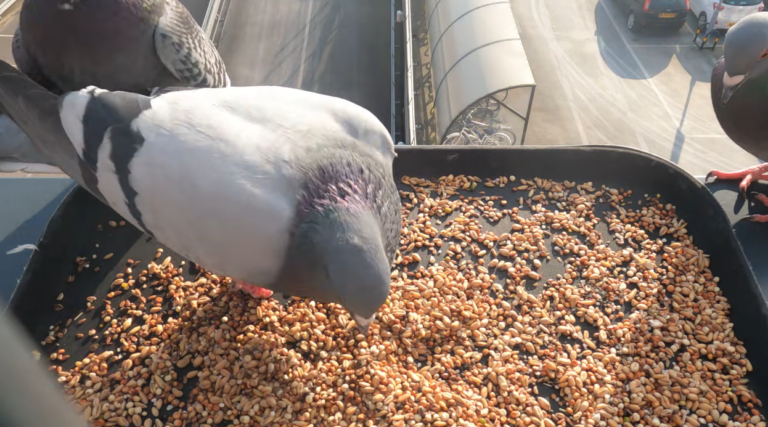
However, blueberries should never replace the regular grain mix that pigeons depend on every day. Pigeons are grain-eating birds. Their digestive system works best when their main food comes from grains such as corn, wheat, peas, millet, and sorghum.
Blueberries should only be given occasionally. Think of them as a small snack rather than a regular part of the diet.
When I give blueberries to my pigeons, I always watch how the birds react. Some pigeons enjoy them right away. Others ignore them completely. That is very normal pigeon behavior. Each bird has its own preference when it comes to new foods.
Nutritional Benefits of Blueberries for Pigeons
Blueberries are known as a healthy fruit for many animals. They contain several nutrients that may benefit pigeons when given in small amounts.
Some of the helpful nutrients include:
- Vitamin C, which supports the immune system
- Vitamin K, which helps with healthy body functions
- Antioxidants help protect cells
- Natural water content, which helps with hydration
While these nutrients are useful, pigeons do not rely on fruit for their main nutrition. Most of their essential nutrients should come from a balanced pigeon grain mix.
This is something every pigeon owner learns while studying what pigeons eat. Seeds and grains provide the energy and protein pigeons need for daily flying, breeding, and feather growth.
Blueberries add a little variety and enrichment to the diet.
How Pigeons Usually React to Blueberries
From what I have seen in my own loft, pigeons can react to blueberries in a few different ways.
Curious pigeons often walk up to the fruit and peck it right away. Once they realize it is soft and slightly sweet, they may continue eating it.
More cautious birds sometimes watch the other pigeons first. Pigeons are social learners. If one bird starts eating something, others often follow.
Sometimes pigeons peck the berry open and eat the inside while leaving the skin. Other times, they eat the whole piece.
Young birds may take longer to try blueberries because they are used to eating seeds. Older pigeons that have seen different foods tend to experiment more easily.
Watching these reactions can teach you a lot about pigeon behavior
How to Feed Blueberries to Pigeons
When offering blueberries to pigeons, preparation is very simple. A few basic steps help keep the food safe.
First, wash the blueberries with clean water. This removes dirt and any chemicals that might be on the fruit.
If the berries are large, you can gently crush them or cut them in half. This makes them easier for pigeons to eat.
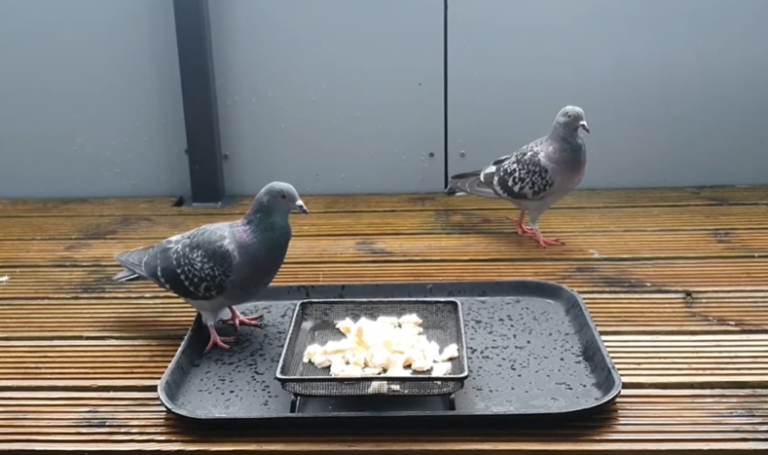
Place a small number of berries in a feeding dish or on a clean flat surface in the loft.
Always start with a very small amount. Just a few berries are enough for several pigeons.
After about twenty minutes, remove any leftover fruit. Fresh fruit should not stay in the loft for long because it can spoil quickly.
Clean feeding areas help reduce the chance of pigeon diseases, which is something every pigeon keeper should always pay attention to.
When Blueberries Can Be a Good Treat
There are a few situations where small fruit treats can be useful for pigeons.
- During warm weather, when birds enjoy fresh foods.
- When you want to add variety to the diet.
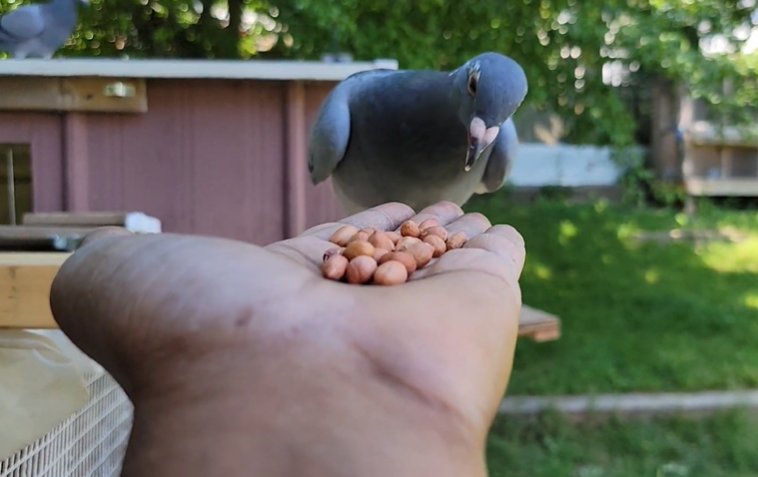
- When hand feeding tame pigeons.
- When rewarding birds during training or handling.
I sometimes offer small fruit treats during the breeding season as well. Birds raising young need good nutrition. However, the main diet during pigeon breeding guide periods should always focus on quality grains and protein-rich seeds.
Blueberries are just a light supplement and should never replace proper feed.
How Often Pigeons Should Eat Blueberries
Moderation is the most important rule.
From my experience, pigeons only need fruit occasionally. Once or twice a week is more than enough if you want to give them blueberries.
Too much fruit can upset their digestion. Pigeons are not built to eat large amounts of sugary foods.
Keeping treats limited helps maintain a healthy balance in their diet.
Tips and Common Mistakes
Giving pigeons a small fruit treat like blueberries can be a nice way to add variety to their diet. But over the years, I have seen many beginners make small mistakes when feeding fruit to pigeons. Most of these mistakes come from good intentions. People want to give their birds something healthy, but do not realize how pigeons actually eat in nature.
Learning a few simple tips can help you feed blueberries safely while keeping your pigeons healthy.
Tips for Feeding Blueberries to Pigeons
Start With a Very Small Amount
Whenever you introduce a new food to pigeons, it is best to start with a small portion. I usually begin with only a few blueberries for the entire group.
Watch how the pigeons react. Some birds will peck at the fruit right away, while others will ignore it. This is normal pigeon behavior. Birds often need time to get used to a new food.
If the pigeons enjoy the blueberries and show no digestive problems, you can offer them again occasionally.
Wash the Fruit Before Feeding
Always rinse blueberries with clean water before giving them to pigeons. Fruit from grocery stores can sometimes have dirt or chemical residue.
Clean fruit helps protect your birds from possible health issues. Good hygiene in feeding is an important part of preventing many pigeon diseases.
Crush or Cut Large Berries
Most blueberries are small enough for pigeons to peck easily. But if the berries are large, I usually press them slightly so the inside becomes visible.
This helps pigeons recognize the fruit as food. Once one bird starts pecking at it, the others usually follow.
Remove Uneaten Fruit
Fresh fruit should never sit in the loft for too long. Blueberries can spoil quickly, especially in warm weather.
After twenty or thirty minutes, remove any pieces that pigeons did not eat. This keeps the loft clean and reduces the chance of bacteria growing near the feeding area.
Clean feeding habits play a big role in maintaining good pigeon health.
Keep Their Main Diet Balanced
The most important thing to remember is that blueberries are only a treat. Pigeons still need a proper grain mix as their main food.
A balanced pigeon diet normally includes grains such as corn, peas, wheat, and millet. These foods provide the energy pigeons need for flying, breeding, and daily activity.
Anyone learning about what pigeons eat quickly discovers that grains are always the foundation of a healthy pigeon diet.
Common Mistakes Pigeon Owners Make
Even experienced bird keepers sometimes make small feeding mistakes. These are some common issues I have seen over the years.
Feeding Too Much Fruit
One of the biggest mistakes is giving pigeons too much fruit. Because blueberries are sweet, pigeons may keep eating them if they are available.
Too much fruit can upset their digestion and reduce their interest in their normal grain feed.
A few berries once in a while are enough.
Giving Fruit Every Day
Some beginners think fruit should be part of the daily diet. In reality, pigeons do best when treats are limited.
Their digestive system is designed mainly for grains and seeds. Occasional treats are fine, but they are not necessary.
Leaving Fruit in the Loft Too Long
Spoiled fruit can attract insects and bacteria. This can create unhealthy conditions inside the loft.
Cleanliness is extremely important in pigeon keeping. Many problems related to pigeon diseases begin in dirty feeding areas.
Always remove leftover fruit quickly.
Offering Fruit Instead of Proper Feed
Another mistake is relying too much on human foods instead of proper pigeon feed. Fruits like blueberries do contain vitamins, but they do not provide the full nutrition pigeons need.
Strong pigeons, especially birds used for breeding, depend on high-quality grains and seeds.
During the breeding season, birds raising chicks need extra nutrition. Anyone following a pigeon breeding guide knows that protein-rich seeds and grains are much more important than fruit treats.
Learning From Your Pigeons
One of the best things about raising pigeons is observing how they behave around food.
Some birds become very curious when new foods appear. Others stay cautious and wait to see what the flock does first.
Watching these habits teaches you a lot about pigeon behavior and helps you understand your birds better.
Over time, you will learn which foods your pigeons enjoy and which ones they ignore.
FAQ About Feeding Blueberries to Pigeons
Many pigeon owners become curious about different foods once they start caring for their birds. Blueberries are one of the fruits people often ask about. Here are some common questions I hear from beginner pigeon keepers.
Can pigeons eat blueberries every day?
Pigeons should not eat blueberries every day. Blueberries are best given as an occasional treat.
Pigeons are naturally grain-eating birds. Their main diet should always come from grains and seeds such as corn, peas, wheat, and millet. These foods give them the energy they need for flying and staying healthy.
Blueberries contain natural sugar and water. A few berries once or twice a week is more than enough. Too much fruit can upset their digestion.
Anyone learning about what pigeons eat will quickly see that grains should always be the main food source.
Are blueberries safe for baby pigeons?
Young pigeons, also called squabs, usually do not need fruit like blueberries.
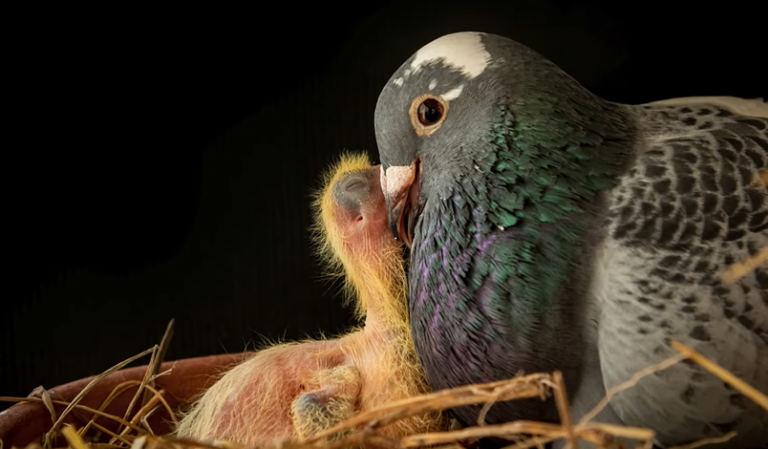
Baby pigeons are fed by their parents through crop milk during the early stage of life. Later, they begin eating softened grains that their parents bring to the nest.
Because of this, blueberries are not necessary for baby pigeons. It is better to focus on providing good-quality grain mixes for the adult birds. Healthy parent pigeons will raise stronger chicks.
Many pigeon keepers follow a proper pigeon breeding guide to make sure breeding pairs receive the right nutrition during the nesting period.
Do pigeons actually like blueberries?
Some pigeons do enjoy blueberries, but not every bird will show interest right away.
Pigeons can be cautious about new foods. I have seen birds watch the fruit for several minutes before trying it. Once one pigeon pecks at the berry, others usually become curious.
This is very typical pigeon behavior. Pigeons often learn from watching the flock.
Sometimes pigeons peck the berry open first and then eat the inside. Other times, they eat the entire fruit.
Should blueberries be cut before feeding them?
Most blueberries are already small enough for pigeons to eat. However, lightly crushing the berry can help pigeons recognize it as food.
When the inside of the fruit becomes visible, pigeons often show more interest.
This is especially helpful when introducing blueberries.
Always wash the fruit before offering it to your birds to keep the feeding area clean and safe.
Can blueberries help prevent pigeon diseases?
Blueberries contain antioxidants and vitamins that support general health. However, they are not a cure or prevention for diseases.
The best way to protect pigeons from illness is by maintaining a clean loft, providing fresh water, and feeding a balanced diet.
Good loft hygiene is one of the most important things every pigeon keeper learns while dealing with pigeon diseases.
Fruit treats like blueberries can support variety in the diet, but they should never replace proper nutrition and good hoof management.
Conclusion
So, can pigeons eat blueberries? Yes, they can. Blueberries are safe for pigeons when they are given in small amounts as an occasional treat.
From my own experience raising pigeons, most birds will try blueberries sooner or later. Some pigeons become curious right away, while others take a little time before they decide to peck at the fruit. Watching these reactions is always interesting because it shows a lot about normal pigeon behavior.
Even though blueberries contain helpful vitamins and antioxidants, they should never replace the main diet that pigeons depend on. Healthy pigeons need a balanced grain mix that includes foods such as corn, peas, wheat, and millet. These grains provide the energy and protein birds need for flying, breeding, and daily activity.
Many beginner pigeon owners start exploring different foods once they learn more about what pigeons eat. It is perfectly fine to offer safe treats from time to time. Small fruit portions can add variety and enrichment to the birds’ routine.
The most important thing is moderation. A few blueberries once in a while is more than enough. Too much fruit can upset a pigeon’s digestion and reduce their interest in their normal feed.
Clean feeding habits are also very important. Always wash fruit before giving it to your birds and remove any uneaten pieces after a short time. A clean loft helps reduce the risk of pigeon diseases and keeps your birds comfortable.
If you raise pigeons for breeding, the focus should remain on high-quality grains and seeds. Birds raising young chicks need strong nutrition to stay healthy. Following a proper pigeon breeding guide will help ensure your birds receive the food they need during this important stage.
Over the years, I have learned that good pigeon care comes from paying attention to small details. Watching how your birds eat, how they react to new foods, and how they behave in the loft teaches you a lot about what works best.
Blueberries can be a simple and enjoyable treat for pigeons, but like any extra food, they should always be given with care and balance.
When you keep their diet centered on proper pigeon feed and offer treats only occasionally, your pigeons will stay active, healthy, and full of life.
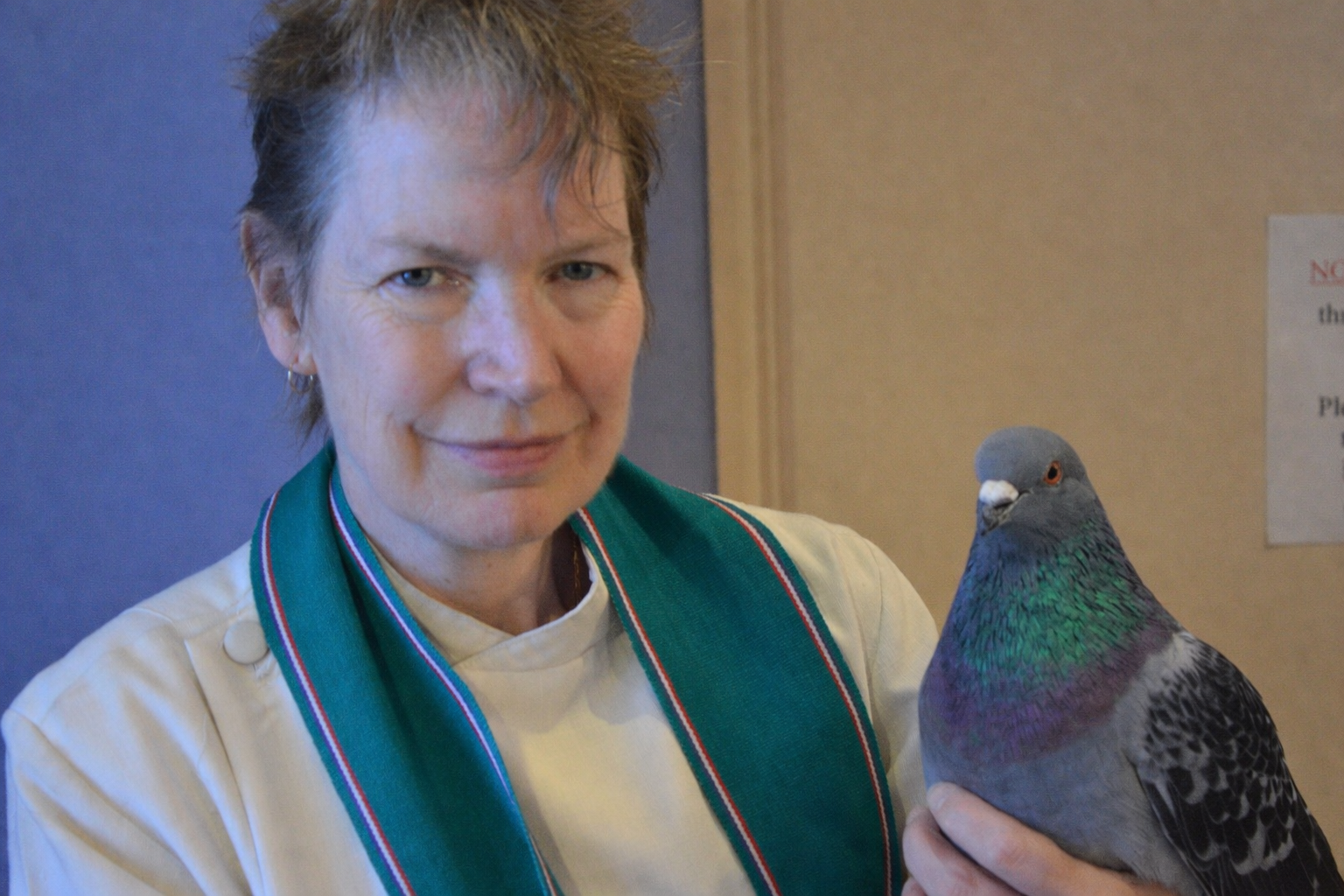
Barbara Allen is a writer and chaplain at Lort Smith Animal Hospital in Melbourne, Australia. She is the author of the book Pigeon, which explores the cultural and historical relationship between humans and pigeons. Allen has also written the picture book I Was There and contributed to publications such as Peace of Mind and Uniting Church Studies.